Arabella Franco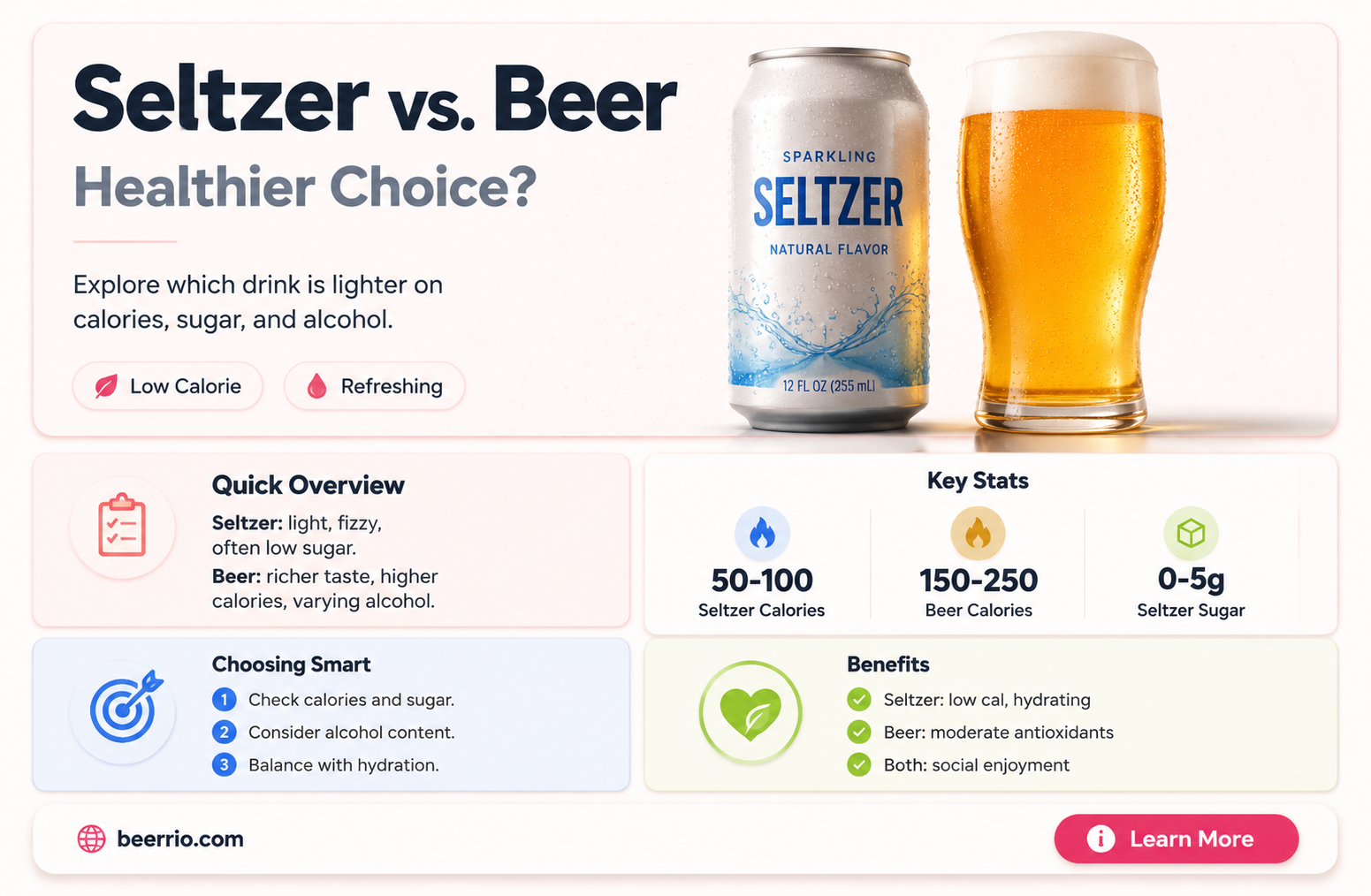
Hard seltzer has gained popularity as a lighter, lower-calorie alternative to traditional beer. This sparkling beverage is typically made by adding alcohol to carbonated water, often flavored with fruit or other natural ingredients. Compared to beer, hard seltzer generally contains fewer calories, less sugar, and lower carbohydrate content, making it an appealing choice for health-conscious consumers. Additionally, hard seltzer tends to have a lower alcohol by volume (ABV) percentage than many beers, which can contribute to a reduced risk of overconsumption and related health issues. However, it's important to note that while hard seltzer may be a healthier option in some aspects, moderation is still key when consuming any alcoholic beverage.
Explore related products



What You'll Learn
- Calorie Comparison: Hard seltzer generally has fewer calories than beer, making it a lighter option
- Alcohol Content: Both beverages contain alcohol, but hard seltzer typically has a lower ABV than beer
- Sugar and Carbs: Hard seltzer often has less sugar and carbohydrates compared to beer, which can be beneficial for those watching their intake
- Hydration: The carbonation and water content in hard seltzer may contribute to better hydration than beer
- Nutrient Profile: Beer may contain more nutrients like B vitamins and antioxidants, but hard seltzer is often fortified with vitamins

Calorie Comparison: Hard seltzer generally has fewer calories than beer, making it a lighter option
Hard seltzer has gained popularity as a lower-calorie alternative to traditional beer. On average, a 12-ounce can of hard seltzer contains around 100-120 calories, whereas a similar serving of beer can range from 150-200 calories, depending on the type and brand. This calorie difference can be significant for individuals who are mindful of their caloric intake but still wish to enjoy an alcoholic beverage.
The lower calorie count in hard seltzer is primarily due to its simpler ingredients and lower alcohol content. Hard seltzers are typically made with carbonated water, alcohol, and natural flavors, without the added sugars and grains found in many beers. This simplicity not only reduces the calorie content but also results in a cleaner, crisper taste that appeals to health-conscious consumers.
For those tracking their macronutrient intake, hard seltzer can be a more favorable choice. It generally contains fewer carbohydrates and less sugar than beer, which can be beneficial for individuals following low-carb or ketogenic diets. Additionally, the lower alcohol content in hard seltzer (usually around 5% ABV) compared to some beers (which can be upwards of 7-8% ABV) means it may have a lesser impact on blood sugar levels and overall calorie expenditure.
However, it's important to note that while hard seltzer may be lower in calories, it is not necessarily healthier in all aspects. Both hard seltzer and beer contain alcohol, which should be consumed in moderation regardless of the calorie content. Furthermore, some hard seltzers may contain artificial sweeteners or flavorings, which some individuals prefer to avoid.
In conclusion, when it comes to calorie comparison, hard seltzer is indeed a lighter option than beer. This can make it an attractive choice for those looking to reduce their caloric intake while still enjoying an alcoholic beverage. However, as with any dietary decision, it's essential to consider the broader nutritional profile and individual health goals when choosing between hard seltzer and beer.
Soda vs. Beer: Unraveling the Healthier Choice Debate
You may want to see also
Explore related products

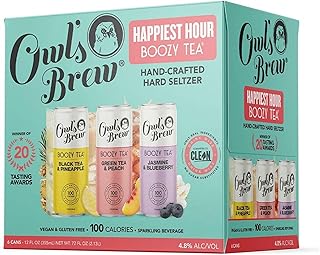


Alcohol Content: Both beverages contain alcohol, but hard seltzer typically has a lower ABV than beer
Hard seltzer and beer both contain alcohol, but the former typically has a lower alcohol by volume (ABV) content. This difference in ABV can have significant implications for health-conscious consumers. Generally, hard seltzers have an ABV ranging from 4% to 6%, while beers can range from 4% to 10% or even higher for certain craft beers. Lower ABV means fewer calories from alcohol, which can be beneficial for those watching their caloric intake. Additionally, lower alcohol content can result in less impairment and a reduced risk of alcohol-related health issues when consumed in moderation.
However, it's important to note that the healthiness of a beverage cannot be determined solely by its alcohol content. Other factors such as sugar content, additives, and overall nutritional value also play crucial roles. Some hard seltzers may contain added sugars or artificial flavors, which could negate some of the health benefits associated with lower alcohol content. Conversely, certain beers, especially those brewed with traditional methods and natural ingredients, might offer some health benefits such as antioxidants and B vitamins.
When comparing the two, it's also essential to consider the serving size. Hard seltzers are often packaged in smaller cans or bottles, which can help with portion control. In contrast, beers are frequently available in larger servings, which can lead to higher overall alcohol consumption if not monitored carefully.
In conclusion, while hard seltzer's lower ABV content might make it seem like a healthier choice than beer, a comprehensive evaluation must take into account other nutritional factors and consumption habits. Moderation and mindful selection of ingredients are key to making healthier choices between these two popular alcoholic beverages.
Exploring the Health Benefits of Athletic Beer: A Comprehensive Guide
You may want to see also
Explore related products


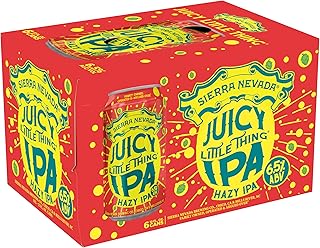


Sugar and Carbs: Hard seltzer often has less sugar and carbohydrates compared to beer, which can be beneficial for those watching their intake
Hard seltzer has gained popularity as a lower-calorie, lower-carb alternative to traditional beer. One of the primary reasons for this shift is the reduced sugar content found in hard seltzers. Unlike beers, which can contain significant amounts of residual sugars from the brewing process, hard seltzers are typically made with pure cane sugar or other simple sugars that are fully fermented, leaving little to no residual sugar. This results in a beverage that is not only lower in calories but also has a minimal impact on blood sugar levels, making it a more suitable option for those with diabetes or those following a low-carb diet.
In addition to lower sugar content, hard seltzers also tend to have fewer carbohydrates overall compared to beer. This is because the fermentation process in hard seltzer production converts most of the carbohydrates into alcohol, leaving behind a cleaner, more refined drink. For individuals who are watching their carb intake, such as those following a ketogenic diet or those with certain digestive sensitivities, this can be a significant advantage. The reduced carbohydrate content in hard seltzers can help maintain ketosis and may be less likely to cause digestive discomfort compared to higher-carb beers.
However, it's important to note that while hard seltzers may be lower in sugar and carbs, they are not necessarily healthier in all aspects. The alcohol content in hard seltzers can be comparable to that of beer, and excessive alcohol consumption can have detrimental effects on health regardless of the beverage type. Additionally, some hard seltzers may contain artificial flavors, colors, or preservatives, which can be a concern for those looking to minimize their intake of processed ingredients.
When considering the health implications of hard seltzer versus beer, it's also crucial to factor in individual dietary needs and preferences. For some, the lower sugar and carb content of hard seltzers may make them a more suitable choice, while others may prioritize other factors such as taste, ingredient quality, or cultural preferences. Ultimately, the decision of whether hard seltzer is a healthier option than beer should be made on a case-by-case basis, taking into account personal health goals, dietary restrictions, and lifestyle choices.
In conclusion, hard seltzers offer a lower-sugar, lower-carb alternative to traditional beers, which can be beneficial for those monitoring their sugar and carbohydrate intake. However, it's essential to consider the broader context of individual health needs and the potential drawbacks of hard seltzers, such as comparable alcohol content and the presence of artificial additives. By weighing these factors, consumers can make informed decisions about their beverage choices and their impact on overall health.
Exploring the Health Benefits of Dark Beer: A Nutritional Perspective
You may want to see also
Explore related products


Hydration: The carbonation and water content in hard seltzer may contribute to better hydration than beer
Hard seltzer's hydration benefits stem primarily from its high water content and carbonation. Unlike beer, which often contains less water and more dehydrating ingredients like alcohol and certain additives, hard seltzer typically consists of a significant amount of water mixed with carbon dioxide and a small percentage of alcohol. This composition can help maintain hydration levels, especially when consumed in moderation.
The carbonation in hard seltzer can also aid in hydration by stimulating the body's natural thirst response. When you drink a carbonated beverage, the CO2 bubbles can trigger the release of saliva and stomach acid, which can make you feel thirstier and encourage you to drink more water. This effect can be particularly beneficial for individuals who struggle to drink enough water throughout the day.
Moreover, hard seltzer often contains fewer calories and less sugar than beer, which can contribute to better overall health and hydration. Consuming fewer calories and less sugar can help regulate blood sugar levels and reduce the risk of dehydration caused by excessive sugar intake. Additionally, the lower calorie content can make hard seltzer a more appealing option for those looking to maintain a healthy weight while still enjoying a refreshing beverage.
However, it's essential to note that moderation is key when it comes to consuming hard seltzer. While it may offer some hydration benefits, excessive consumption can lead to dehydration due to its alcohol content. It's recommended to drink hard seltzer in moderation and to balance it with plenty of water to ensure optimal hydration levels.
In conclusion, the carbonation and water content in hard seltzer can contribute to better hydration than beer, especially when consumed in moderation. Hard seltzer's lower calorie and sugar content can also make it a healthier alternative for those looking to maintain a balanced diet while enjoying a carbonated beverage. However, it's crucial to remember that moderation is key to reaping the hydration benefits of hard seltzer without risking dehydration from excessive alcohol consumption.
Seltzer vs. Beer: Unraveling the Healthier Choice Debate
You may want to see also
Explore related products


Nutrient Profile: Beer may contain more nutrients like B vitamins and antioxidants, but hard seltzer is often fortified with vitamins
Beer and hard seltzer both offer unique nutrient profiles that can impact health. Beer is known to contain a variety of B vitamins, including niacin, riboflavin, and folate, which are essential for energy metabolism and overall cellular function. Additionally, beer contains antioxidants such as flavonoids and polyphenols, which can help protect against oxidative stress and inflammation. However, it's important to note that beer also contains calories and carbohydrates, which can contribute to weight gain and other health issues if consumed in excess.
On the other hand, hard seltzer is often fortified with vitamins, particularly vitamin C and B vitamins. Vitamin C is an important antioxidant that supports immune function and skin health, while B vitamins are crucial for energy production and nervous system function. Hard seltzer typically contains fewer calories and carbohydrates than beer, making it a lower-calorie option for those looking to reduce their caloric intake. However, it's important to be mindful of the added sugars and artificial flavorings that may be present in some hard seltzer brands.
When comparing the nutrient profiles of beer and hard seltzer, it's clear that both beverages offer some nutritional benefits. However, the specific nutrients and their amounts can vary significantly between the two. Beer provides a more natural source of B vitamins and antioxidants, while hard seltzer is often fortified with these nutrients. Ultimately, the healthier choice between beer and hard seltzer will depend on individual nutritional needs and preferences, as well as overall consumption patterns.
In conclusion, while both beer and hard seltzer contain nutrients that can benefit health, they also have different nutritional profiles and potential health impacts. Beer offers a more natural source of B vitamins and antioxidants, while hard seltzer is often fortified with these nutrients and may contain fewer calories and carbohydrates. When making a choice between the two, it's important to consider individual nutritional needs and overall consumption patterns to determine the healthier option.
Exploring the Health Benefits and Drawbacks of Beer-Battered Fish
You may want to see also
Frequently asked questions
Hard seltzer is generally considered a healthier alternative to beer due to its lower calorie and carbohydrate content. A typical hard seltzer contains around 100 calories and 2 grams of carbs per 12 ounces, whereas beer can range from 150 to 300 calories and 10 to 30 grams of carbs per 12 ounces.
Hard seltzer usually has a lower alcohol by volume (ABV) percentage compared to beer. Most hard seltzers have an ABV of around 5%, while beers can range from 4% to 10% ABV or higher.
Many hard seltzers are made from gluten-free ingredients like rice or corn, making them suitable for people with gluten sensitivities or celiac disease. However, it's important to check the label, as some brands may use gluten-containing ingredients.
While hard seltzer is not necessarily "healthy," it can be a better choice for those looking to reduce their calorie and carbohydrate intake while still enjoying an alcoholic beverage. Some hard seltzers are also fortified with vitamins and minerals, although the actual health benefits of these additions are debatable.
Hard seltzer is often marketed as a more hydrating option than beer due to its lower alcohol content and higher water content. However, it's important to note that any alcoholic beverage can contribute to dehydration, so it's always a good idea to drink water alongside any alcoholic drinks.