Oisin Foster
When brewing beer, the ratio of barley to beer is a crucial aspect that determines the flavor, body, and alcohol content of the final product. Barley, which is the primary ingredient in beer, undergoes a process called malting, where it is germinated and then dried to develop the necessary enzymes for fermentation. The amount of barley used in relation to the volume of beer produced affects the original gravity, which in turn influences the beer's potential alcohol by volume (ABV). A higher ratio of barley to beer typically results in a richer, more full-bodied beer with a higher ABV, while a lower ratio may produce a lighter, more sessionable beer. Brewers often experiment with different ratios to achieve the desired characteristics in their beer, balancing factors such as maltiness, bitterness, and drinkability. Understanding the barley-to-beer ratio is essential for both homebrewers and professional brewers to craft beers that meet their specific preferences and style guidelines.
Explore related products




What You'll Learn
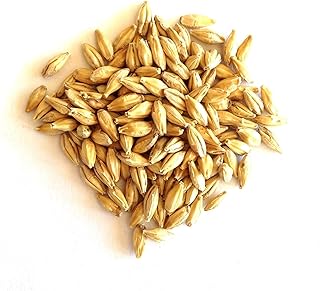
- Barley Varieties: Different barley types impact flavor, body, and alcohol content in beer
- Malting Process: Malting barley involves soaking, germinating, and drying, affecting the final beer product
- Mashing Techniques: The mashing process converts barley starches to sugars, crucial for fermentation
- Fermentation Role: Yeast fermentation of barley sugars produces alcohol and carbonation in beer
- Brewing Ratios: Optimal barley-to-water ratios ensure proper sugar extraction and desired beer characteristics

Barley Varieties: Different barley types impact flavor, body, and alcohol content in beer
Barley is the backbone of beer brewing, and the type of barley used can significantly influence the final product's flavor, body, and alcohol content. There are several varieties of barley, each with its own unique characteristics that can enhance or alter the beer's profile. For instance, two-row barley is commonly used in American lagers due to its clean, crisp flavor and lower protein content, which results in a lighter body and clearer beer. On the other hand, six-row barley is often favored for its higher protein content and richer flavor, making it a popular choice for ales and stouts.
The choice of barley variety can also impact the beer's alcohol content. Barley with higher starch content will typically yield a higher alcohol content in the finished beer. For example, Maris Otter barley is known for its high starch content and is often used in English ales to achieve a robust alcohol level. Additionally, the malting process can further influence the barley's contribution to the beer. Different malting techniques, such as pale, amber, or chocolate malt, can impart a range of flavors from light and toasty to dark and rich.
When considering the ratio of barley to beer, it's essential to understand that the brewing process involves several steps where barley is converted into fermentable sugars. The mashing process breaks down the starches in the barley into sugars, which are then fermented by yeast to produce alcohol and carbon dioxide. The amount of barley used in this process can vary depending on the desired strength and style of the beer. For instance, a typical lager might use a ratio of 1:10 barley to water, while a stout could use a ratio of 1:5 to achieve a richer, fuller body.
In conclusion, the ratio of barley to beer is a critical aspect of the brewing process, and the choice of barley variety can have a profound impact on the final product's flavor, body, and alcohol content. Brewers must carefully select the appropriate barley type and adjust the brewing process accordingly to achieve the desired characteristics in their beer.
Exploring Singapore's Inaugural Brew: A Taste of Local Craftsmanship
You may want to see also
Explore related products





Malting Process: Malting barley involves soaking, germinating, and drying, affecting the final beer product
The malting process is a critical step in beer brewing that significantly impacts the final product. Malting barley involves three main stages: soaking, germinating, and drying. Each stage plays a vital role in developing the flavors, aromas, and overall quality of the beer. During soaking, the barley absorbs water, which activates enzymes that will later break down the starches into fermentable sugars. Germination is the process where the barley begins to sprout, and these enzymes become more active, further converting starches into sugars. Finally, drying stops the germination process and stabilizes the malt, preparing it for brewing.
The ratio of barley to beer is directly influenced by the efficiency of the malting process. A well-executed malting process ensures that the barley is optimally converted into fermentable sugars, which are then used by yeast to produce alcohol and carbonation in the beer. The amount of barley needed to produce a certain volume of beer depends on factors such as the type of barley, the brewing method, and the desired strength and flavor profile of the beer. Generally, it takes about 1.5 to 2 pounds of malted barley to produce 1 gallon of beer, but this can vary depending on the specific recipe and brewing technique.
One unique aspect of the malting process is the concept of "wort sugar yield," which refers to the amount of fermentable sugars extracted from the malt during the brewing process. A higher wort sugar yield means that more sugars are available for fermentation, which can result in a stronger, more flavorful beer. Brewers often use specialized malts with different enzyme profiles to achieve specific wort sugar yields and flavor characteristics in their beers.
In addition to affecting the ratio of barley to beer, the malting process also influences the beer's color, body, and mouthfeel. Different types of malt, such as pale, amber, and roasted malts, contribute various hues and flavors to the beer. The degree of roasting or toasting during the drying stage can also impact the final product, with darker malts producing beers with richer, more complex flavors.
Understanding the malting process is essential for brewers to optimize their recipes and achieve the desired qualities in their beers. By carefully controlling the soaking, germinating, and drying stages, brewers can ensure that they extract the maximum amount of fermentable sugars and other desirable compounds from the barley, resulting in a higher-quality final product. This knowledge also allows brewers to experiment with different types of malt and brewing techniques to create unique and flavorful beers.
Unveiling the Most Common Mistakes in Homebrewing: A Beginner's Guide
You may want to see also
Explore related products


Mashing Techniques: The mashing process converts barley starches to sugars, crucial for fermentation
The mashing process is a critical step in beer brewing where barley starches are converted into fermentable sugars. This biochemical transformation is essential for yeast to produce alcohol and carbon dioxide during fermentation. The efficiency of the mashing process directly impacts the final product's flavor, body, and alcohol content.
Several techniques can be employed during mashing to optimize sugar extraction and minimize unwanted compounds. One common method is temperature control, where the mash is held at specific temperatures to activate different enzymes. For instance, a temperature of around 65°C (149°F) is ideal for alpha-amylase, which breaks down large starch molecules into smaller ones, while a temperature of about 75°C (167°F) is better for beta-amylase, which further converts these smaller molecules into fermentable sugars.
Another technique is the use of different types of barley, each with its own unique enzymatic profile. For example, two-row barley is typically used for lighter beers due to its lower protein content and higher enzyme activity, while six-row barley is often used for darker beers because of its higher protein content and different enzymatic characteristics.
The ratio of barley to water used in the mash also plays a crucial role. A thicker mash, with less water, can lead to better sugar extraction but may also increase the risk of dough balls forming, which can impede the mashing process. Conversely, a thinner mash, with more water, can improve flow and reduce the risk of dough balls but may result in lower sugar extraction efficiency.
In addition to these techniques, brewers must also consider the pH level of the mash, as it can affect enzyme activity and the solubility of minerals. Maintaining a pH between 5.0 and 5.5 is generally recommended for optimal mashing conditions.
By carefully controlling these factors, brewers can ensure a successful mashing process that yields the desired sugar profile for their beer. This, in turn, will contribute to the overall quality and character of the final product.
Exploring New Glarus Brewing's Finest: A Beer Enthusiast's Guide
You may want to see also
Explore related products





Fermentation Role: Yeast fermentation of barley sugars produces alcohol and carbonation in beer
Yeast fermentation plays a crucial role in the beer brewing process, transforming barley sugars into alcohol and carbonation. This biochemical reaction is essential for creating the desired flavor, aroma, and effervescence in beer. The fermentation process begins when yeast cells are added to the wort, a sugary liquid extracted from the mashing process of barley. Yeast consumes the sugars, producing ethanol and carbon dioxide as byproducts.
The ratio of barley to beer is significantly affected by the efficiency of the fermentation process. Typically, a large amount of barley is required to produce a smaller volume of beer. This is because the brewing process involves multiple steps, including malting, mashing, boiling, fermenting, conditioning, and packaging, each of which reduces the volume of the product. For example, it can take approximately 10-15 pounds of barley to produce one gallon of beer, depending on the type of beer and the brewing process used.
Several factors can influence the efficiency of yeast fermentation, including temperature, pH levels, yeast strain, and the presence of nutrients. Brewers must carefully control these variables to ensure optimal fermentation and maximize the yield of their beer. For instance, maintaining a consistent temperature within the ideal range for the specific yeast strain used can help prevent the production of unwanted flavors and ensure complete fermentation.
In addition to producing alcohol and carbonation, yeast fermentation also contributes to the development of complex flavors and aromas in beer. Different yeast strains can impart unique characteristics to the final product, such as fruity, spicy, or earthy notes. Brewers often select specific yeast strains to achieve the desired flavor profile for their beer.
Overall, the fermentation process is a critical component of beer brewing, significantly impacting the ratio of barley to beer and the quality of the final product. By understanding and controlling the factors that influence yeast fermentation, brewers can optimize their brewing process and create a wide variety of flavorful and aromatic beers.
Exploring the Core Grain: A Guide to Beer's Primary Ingredient
You may want to see also
Explore related products


Brewing Ratios: Optimal barley-to-water ratios ensure proper sugar extraction and desired beer characteristics
The brewing process is a delicate balance of science and art, where precise ratios play a crucial role in determining the final product's quality and characteristics. One of the most critical ratios in brewing is the barley-to-water ratio, which directly impacts sugar extraction and the desired beer profile. Understanding and optimizing this ratio is essential for brewers to achieve the perfect balance of sweetness, bitterness, and body in their beer.
In general, the barley-to-water ratio is expressed in terms of pounds of barley per gallon of water. A common starting point for many beer styles is a ratio of 1:1, meaning one pound of barley per gallon of water. However, this ratio can vary significantly depending on the type of beer being brewed and the desired characteristics. For example, a brewer aiming for a light, crisp pilsner might use a lower barley-to-water ratio, such as 0.8:1, to achieve a drier finish and lighter body. Conversely, a brewer crafting a rich, full-bodied stout might opt for a higher ratio, such as 1.2:1, to extract more sugars and create a more robust flavor profile.
When calculating the barley-to-water ratio, it's essential to consider the moisture content of the barley, as this can significantly impact the final ratio. Barley typically contains around 10-12% moisture, which means that one pound of dry barley will yield approximately 0.88-0.9 pounds of usable grain. Brewers must also account for the water absorbed by the barley during the mashing process, which can range from 10-30% depending on the type of barley and the mashing temperature.
To achieve the optimal barley-to-water ratio, brewers must carefully measure and adjust their ingredients and processes. This involves calculating the total amount of water needed for the brew, including water for mashing, boiling, and cooling, and then determining the appropriate amount of barley based on the desired ratio. Brewers must also consider other factors, such as the type of hops used, the fermentation temperature, and the yeast strain, as these can all impact the final beer characteristics.
In conclusion, the barley-to-water ratio is a critical component of the brewing process, playing a significant role in determining the final beer's sweetness, bitterness, and body. By understanding and optimizing this ratio, brewers can achieve the perfect balance of flavors and characteristics in their beer, creating a truly exceptional brewing experience.
The Art of Brewing: Understanding the Boiling Process in Beer Making
You may want to see also
Frequently asked questions
The typical ratio of barley to beer can vary depending on the type of beer being brewed and the brewing process. However, a general rule of thumb is that it takes about 1 pound of barley to produce 1 gallon of beer. This ratio can change based on the beer's recipe, the brewing efficiency, and the desired alcohol content.
The type of barley used in brewing can significantly impact the ratio of barley to beer. For instance, malted barley is commonly used and has a higher sugar content, which can lead to a higher alcohol yield per pound of barley. On the other hand, unmalted barley has a lower sugar content and may require a higher ratio to achieve the same alcohol content. Specialty malts, like caramel or chocolate malt, may also affect the ratio due to their unique flavor profiles and sugar contents.
Several factors can influence the efficiency of the brewing process, affecting the barley-to-beer ratio. These include the mashing temperature, the type and amount of enzymes used, the pH level of the mash, and the brewing technique (e.g., all-grain brewing vs. extract brewing). Additionally, the quality and freshness of the barley, as well as the brewing equipment's cleanliness and maintenance, can impact the overall efficiency and the final ratio of barley to beer.