
Mashing
Convert starches in malted grains to sugars by soaking them in warm water. This step determines the beer's fermentable sugars and alcohol content.
Beer production is an art and science, combining ingredients like malt, hops, yeast, and water to create a diverse range of flavors and styles. From light lagers to rich stouts, there's a beer for every palate.
Popular styles include IPAs, pilsners, porters, and wheat beers. Each style has unique brewing techniques, ingredient ratios, and fermentation processes that define its character.
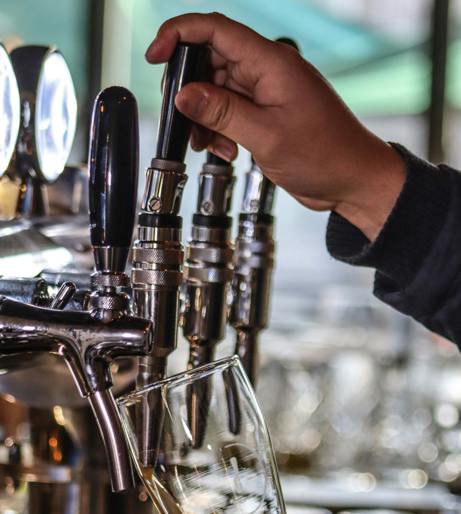
Successful beer brewing relies on mastering key processes: mashing, boiling, fermenting, and conditioning. Each step influences the final flavor and quality of the beer.
Convert starches in malted grains to sugars by soaking them in warm water. This step determines the beer's fermentable sugars and alcohol content.
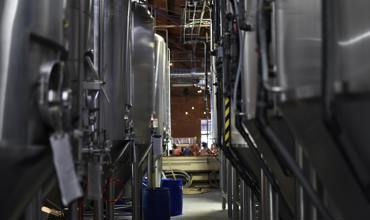
Boil the wort to sterilize and concentrate flavors. Add hops during boiling to contribute bitterness, aroma, and flavor.
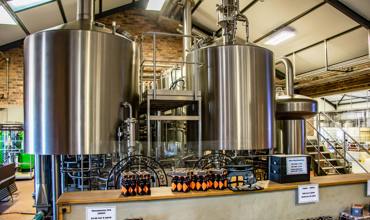
Yeast ferments sugars into alcohol and CO2. Condition the beer to mature flavors and clarify the liquid before packaging.
Each stage of brewing requires precision and attention to detail. From grain to glass, understanding these steps ensures a high-quality final product.
Crush grains to expose starches for mashing. Proper milling ensures efficient sugar extraction.
Separate the sweet wort from spent grains. This step requires careful sparging to maximize sugar yield.
Monitor temperature and yeast activity during fermentation. Consistent conditions produce consistent flavors.
Bottle, can, or keg the beer after conditioning. Proper packaging preserves freshness and carbonation.
Test beer for consistency in flavor, aroma, and appearance. Ensure every batch meets standards.
Keep all equipment clean to prevent contamination. Sanitation is critical for avoiding off-flavors.
Experiment with different hop varieties to create unique aroma profiles in your IPAs.
Use a hydrometer to monitor fermentation progress and ensure complete attenuation.
Invest in a quality brew kettle with a built-in thermometer for precise boiling control.




Whether you're a homebrewer or a professional, mastering these fundamentals is essential for crafting exceptional beer.
| Element | Description |
|---|---|
| Ingredient Quality | Use fresh, high-quality grains, hops, yeast, and water for the best results. |
| Temperature Control | Maintain precise temperatures during mashing, fermentation, and conditioning to control flavors. |
| Sanitation | Keep all equipment clean to prevent infections that can ruin batches. |
| Recipes | Follow proven recipes or experiment with adjustments to create unique beers. |
| Patience | Allow sufficient time for each stage, especially fermentation and conditioning. |
| Documentation | Keep detailed notes on each brew to track changes and improvements. |
Brewing is both a science and an art. With practice and attention to detail, you can create beers that delight and inspire.