Alcohol Content (ABV)
Higher ABV generally means more calories. Light beers typically have lower ABV, while craft beers and stouts can have higher levels.
Beer is a beloved beverage worldwide, but its calorie content can vary widely. Understanding the factors that influence beer calories can help you make informed choices about your consumption.
Calories in beer primarily come from alcohol and carbohydrates. Light beers tend to have fewer calories, while craft beers and stouts can be higher in calorie content. Serving size also plays a significant role in overall calorie intake.
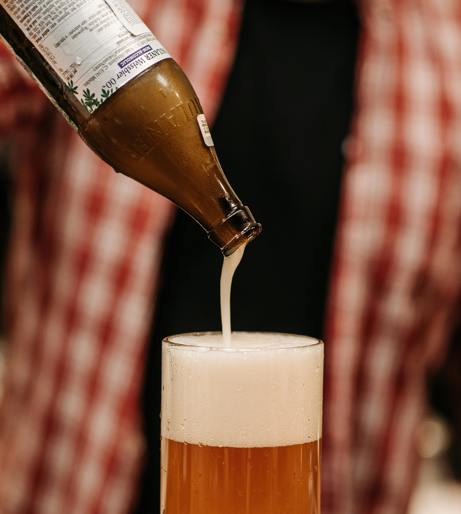
Several factors contribute to the calorie content in beer, including alcohol by volume (ABV), carbohydrate content, and serving size.
Higher ABV generally means more calories. Light beers typically have lower ABV, while craft beers and stouts can have higher levels.
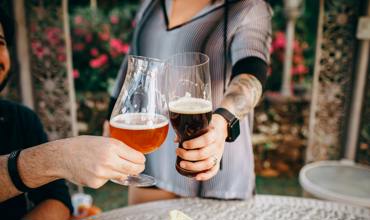
Beers with more residual sugars or carbohydrates will have higher calorie counts. Light beers often reduce carbs to lower calories.
Larger servings mean more calories. A pint of beer will have more calories than a 12-ounce bottle, even if the beer type is the same.
While enjoying beer, it's important to consider its impact on your health. Caloric intake, moderation, and balancing with a healthy lifestyle are key factors.
Drinking in moderation helps manage calorie intake and reduces health risks associated with excessive alcohol consumption.
Being aware of the calorie content in different beers can help you make healthier choices and avoid excessive calorie intake.
Incorporate beer into a balanced diet by considering its calories and pairing it with healthy foods to maintain overall wellness.
Alcohol can be dehydrating. Ensure you drink water alongside beer to stay hydrated and minimize its effects.
Regular exercise can help offset the calories from beer and contribute to a healthier lifestyle overall.
Being mindful of how much and how often you drink can help you enjoy beer responsibly and maintain a healthy balance.
Opt for light beers or low-calorie options when available to reduce overall calorie intake.
Keep track of your servings and choose smaller sizes to manage calorie consumption effectively.
Pair beer with healthy snacks like nuts or vegetables to balance your meal and avoid overeating.


Whether you're a casual drinker or a beer enthusiast, understanding and managing these factors can help you enjoy beer while maintaining a healthy lifestyle.
| Factor | Description |
|---|---|
| Alcohol Content | Higher ABV typically means more calories. Choose lower ABV beers to reduce calorie intake. |
| Carbohydrates | Beers with fewer carbs tend to have lower calories. Light beers often have reduced carbohydrate content. |
| Serving Size | Smaller servings help control calorie consumption. Opt for 12-ounce bottles instead of pints. |
| Frequency | Drinking less frequently can significantly reduce overall calorie intake from beer. |
| Pairing | Pair beer with healthy foods to balance your meal and avoid excessive calorie consumption. |
| Hydration | Drink water alongside beer to stay hydrated and minimize the dehydrating effects of alcohol. |
Enjoying beer responsibly and mindfully can be part of a balanced and healthy lifestyle. By making informed choices, you can savor your favorite brews without compromising your health.