Lucy Palmer
Birch beer and root beer are two distinct types of traditional North American soft drinks, each with its own unique flavor profile and ingredients. Birch beer is typically made from the sap of birch trees, which is fermented to create a slightly sweet, malty beverage with a hint of bitterness. On the other hand, root beer is crafted from a variety of roots, herbs, and spices, such as sassafras, sarsaparilla, and wintergreen, which are combined to produce a rich, creamy, and sweet flavor. While both drinks share some similarities in their sweetness and carbonation, their primary ingredients and taste characteristics set them apart, offering consumers a choice between the woody, subtle notes of birch beer and the bold, complex flavors of root beer.
| Characteristics | Values |
|---|---|
| Main Ingredient | Birch beer: Birch sap; Root beer: Sassafras root bark |
| Flavor Profile | Birch beer: Sweet, slightly tart; Root beer: Sweet, creamy, and spicy |
| Caffeine Content | Birch beer: Naturally caffeine-free; Root beer: Originally contained caffeine from sassafras, now usually caffeine-free |
| Color | Birch beer: Light golden to amber; Root beer: Dark brown |
| Carbonation | Both are carbonated, but birch beer tends to have a lighter fizz |
| Historical Origin | Birch beer: Native to North America, popularized in the 19th century; Root beer: Developed in North America in the 18th century |
| Popularity | Root beer is more widely recognized and consumed than birch beer |
| Serving Suggestions | Both are typically served cold and can be used in floats or mixed drinks |
| Nutritional Content | Birch beer: Low in calories and sugar; Root beer: Higher in sugar and calories |
| Cultural Significance | Birch beer: Associated with traditional North American beverages; Root beer: Iconic in American culture, often linked to nostalgia |
| Production Process | Birch beer: Made by fermenting birch sap; Root beer: Originally made by brewing sassafras root bark, now often flavored artificially |
| Availability | Birch beer: Less common, found in specialty stores or homemade; Root beer: Widely available in grocery stores and restaurants |
Explore related products


What You'll Learn
- Ingredients: Birch beer uses birch bark, while root beer typically contains sassafras root or artificial flavors
- Flavor Profile: Birch beer has a distinct, slightly bitter taste, whereas root beer is generally sweeter and more robust
- Historical Origins: Birch beer dates back to Native American and early colonial times, while root beer emerged in the 19th century
- Preparation Methods: Traditional birch beer is brewed using birch bark, whereas root beer is often made from a syrup base
- Regional Popularity: Birch beer is more common in the northeastern United States, while root beer is widely popular across the country

Ingredients: Birch beer uses birch bark, while root beer typically contains sassafras root or artificial flavors
Birch beer and root beer, while both popular non-alcoholic beverages, differ significantly in their ingredients and flavor profiles. Birch beer is traditionally made using birch bark, which imparts a unique, slightly sweet and woody flavor to the drink. This natural ingredient not only gives birch beer its distinctive taste but also contributes to its artisanal and craft appeal. In contrast, root beer typically contains sassafras root or, in some cases, artificial flavors designed to mimic the taste of sassafras. Sassafras root provides a rich, complex flavor with notes of licorice, vanilla, and a hint of spice, which is characteristic of classic root beer.
The use of birch bark in birch beer production involves a careful extraction process to ensure that the flavors are properly infused into the beverage. This process often includes steeping the birch bark in hot water or alcohol to release its flavor compounds, which are then added to the beer base. On the other hand, sassafras root is usually dried and ground before being added to the root beer mixture, where it undergoes a similar steeping process to extract its flavors.
One of the key differences between birch beer and root beer lies in their historical and cultural origins. Birch beer has a long history in various parts of the world, particularly in Eastern Europe and North America, where birch trees are abundant. It has been a traditional beverage in these regions for centuries, often enjoyed for its refreshing qualities and unique flavor. Root beer, on the other hand, originated in the United States in the 19th century and has since become a staple of American soft drink culture. Its popularity has spread globally, with many countries developing their own versions of root beer.
In terms of health considerations, birch beer and root beer both offer potential benefits due to their natural ingredients. Birch bark contains antioxidants and anti-inflammatory compounds, which may contribute to overall health and wellness. Sassafras root, while historically used for its medicinal properties, has been largely replaced by artificial flavors in modern root beer production due to concerns about its safety in large quantities. However, some artisanal root beers still use natural sassafras root, which can provide a more authentic flavor experience.
Overall, the choice between birch beer and root beer comes down to personal preference and the desired flavor profile. Birch beer offers a unique, woody taste that is deeply rooted in tradition, while root beer provides a rich, complex flavor that has become iconic in American soft drink culture. Both beverages have their own distinct characteristics and can be enjoyed for their refreshing qualities and historical significance.
Unveiling Taco Bell's Root Beer Choice: A Flavorful Surprise!
You may want to see also
Explore related products


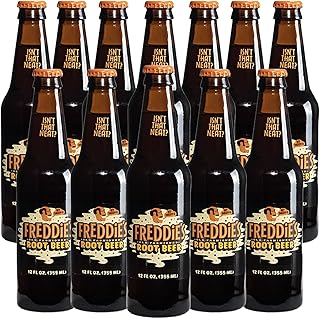


Flavor Profile: Birch beer has a distinct, slightly bitter taste, whereas root beer is generally sweeter and more robust
Birch beer and root beer, while both traditional North American soft drinks, offer distinct flavor profiles that cater to different palates. Birch beer is characterized by its unique, slightly bitter taste, which is derived from the bark of the birch tree. This bitterness is often balanced with a subtle sweetness, creating a complex and refreshing beverage. In contrast, root beer is known for its robust, sweet flavor, which is typically achieved through the use of sassafras root bark and other spices. The sweetness of root beer is often more pronounced than that of birch beer, making it a popular choice for those who prefer a richer, more indulgent soft drink.
The flavor differences between birch beer and root beer can be attributed to their respective ingredients and brewing processes. Birch beer is traditionally made by steeping birch bark in water, which extracts the characteristic bitter compounds. This extract is then combined with sugar and other flavorings to create the final product. Root beer, on the other hand, is brewed using a combination of sassafras root bark, sarsaparilla root, and various spices such as cinnamon, nutmeg, and cloves. The brewing process for root beer often involves a longer steeping time, which allows the flavors to meld together and create a more complex taste profile.
In terms of culinary applications, birch beer and root beer can be used in a variety of ways. Birch beer's slightly bitter taste makes it an excellent pairing for spicy or savory dishes, as it can help to balance out the heat and enhance the overall flavor experience. Root beer, with its sweet and robust flavor, is often used in desserts and baked goods, such as root beer floats, cakes, and cookies. It can also be used as a marinade for meats, particularly pork and beef, to add a touch of sweetness and depth of flavor.
When it comes to health considerations, birch beer and root beer both contain caffeine and sugar, which should be consumed in moderation. However, birch beer may offer some potential health benefits due to the presence of antioxidants and anti-inflammatory compounds found in the birch bark. Root beer, on the other hand, is often higher in sugar and calories, making it a less ideal choice for those watching their weight or managing blood sugar levels.
In conclusion, the flavor profiles of birch beer and root beer are distinct and cater to different taste preferences. Birch beer's slightly bitter taste and root beer's robust sweetness make them unique and enjoyable beverages, each with its own set of culinary applications and health considerations.
Exploring the Unique Root Beer Options at In-N-Out Burger
You may want to see also
Explore related products


Historical Origins: Birch beer dates back to Native American and early colonial times, while root beer emerged in the 19th century
Birch beer and root beer, two distinct beverages with rich histories, have often been confused due to their similar-sounding names and shared cultural significance. However, their origins and development paths are quite different, reflecting the diverse influences and traditions that have shaped American culinary history.
Birch beer's roots can be traced back to the indigenous peoples of North America, who were the first to harness the unique properties of birch bark for medicinal and beverage purposes. Early European settlers, particularly those in the northeastern United States, adopted and adapted these practices, leading to the creation of a distinctly American birch beer. This beverage was typically made by boiling birch bark in water, sometimes with the addition of other herbs and spices, resulting in a tea-like drink with a slightly bitter, earthy flavor.
In contrast, root beer's origins are more closely tied to the colonial American experience. It emerged in the 19th century as a variation of small beer, a type of fermented beverage that was popular among early settlers. Root beer was initially made by fermenting a mixture of water, sugar, and various roots and herbs, including sassafras, sarsaparilla, and wintergreen. The fermentation process, which involved the use of yeast or other microorganisms, gave root beer its characteristic fizzy texture and complex flavor profile, which was often described as a balance between sweet, spicy, and slightly bitter notes.
The distinction between birch beer and root beer became more pronounced as the latter gained popularity in the late 19th and early 20th centuries. Root beer's rise to prominence was fueled by its association with the temperance movement, which sought to promote non-alcoholic beverages as alternatives to traditional alcoholic drinks. As a result, root beer became a staple in American households and was eventually commercialized, leading to the development of the modern soft drink industry.
Today, birch beer and root beer are enjoyed as distinct beverages, each with its own unique flavor profile and cultural significance. While birch beer remains a niche product, often associated with traditional or artisanal brewing practices, root beer has become a ubiquitous presence in American supermarkets and restaurants, available in a wide range of brands and formulations. Despite their differences, both beverages continue to be celebrated as important components of American culinary heritage, reflecting the diverse influences and traditions that have shaped the nation's food and drink culture.
Sipping on Tradition: The Heartland of Root Beer Popularity
You may want to see also
Explore related products


Preparation Methods: Traditional birch beer is brewed using birch bark, whereas root beer is often made from a syrup base
Traditional birch beer brewing is an intricate process that involves several key steps. First, birch bark is harvested, typically in the spring when the sap is flowing. The bark is then cleaned and soaked in water to extract its flavor compounds. This infusion is boiled with sugar and other ingredients to create a syrup, which is then fermented with yeast to produce the final beer. The result is a light, slightly sweet beverage with a distinctive birch flavor.
In contrast, root beer is often made using a simpler syrup base. The process begins with the creation of a rich, dark syrup made from sugar, molasses, and a blend of spices and flavorings, such as sassafras, vanilla, and cinnamon. This syrup is then diluted with water and carbonated to create the fizzy, sweet drink known as root beer. Some modern root beers also include caffeine and artificial flavors to enhance their taste and appeal.
One of the key differences between birch beer and root beer lies in their flavor profiles. Birch beer has a subtle, slightly earthy taste that is derived from the birch bark, while root beer is characterized by its bold, sweet flavor and spicy undertones. Additionally, birch beer is typically lighter in color and lower in calories than root beer, making it a popular choice for those looking for a refreshing, low-calorie beverage.
Another important distinction between the two drinks is their cultural significance. Birch beer has a long history in many parts of the world, particularly in Eastern Europe and North America, where it has been enjoyed for centuries. Root beer, on the other hand, is a more recent invention, having been developed in the United States in the late 19th century. Despite its shorter history, root beer has become a beloved beverage in many countries, particularly in North America.
In conclusion, while both birch beer and root beer are sweet, carbonated drinks, they differ significantly in their preparation methods, flavor profiles, and cultural histories. Birch beer is brewed using birch bark and has a subtle, earthy taste, while root beer is made from a syrup base and is characterized by its bold, sweet flavor and spicy undertones. Whether you prefer the traditional taste of birch beer or the rich, sweet flavor of root beer, both drinks offer a unique and enjoyable beverage experience.
Unveiling Wendy's Secret: The Root Beer Recipe Revealed
You may want to see also
Explore related products


Regional Popularity: Birch beer is more common in the northeastern United States, while root beer is widely popular across the country
Birch beer, a unique and flavorful soft drink, has carved out a niche for itself primarily in the northeastern United States. This regional popularity can be attributed to several factors, including historical roots, local preferences, and the availability of key ingredients. In contrast, root beer enjoys a broader appeal across the country, with its distinctive taste and cultural significance resonating with a wider audience.
One of the key reasons for birch beer's regional popularity is its historical connection to the northeastern United States. Birch beer has been produced in this region for centuries, with early recipes dating back to colonial times. The drink was originally made by boiling birch bark in water, creating a tea-like beverage that was both refreshing and medicinal. Over time, this traditional recipe evolved into the carbonated soft drink we know today, but its roots in the region's history have helped to cement its place in local culture.
In addition to its historical significance, birch beer's regional popularity can also be attributed to local preferences and the availability of key ingredients. The northeastern United States is home to a large number of birch trees, which provide the essential birch bark used to flavor the drink. This abundance of natural resources has made it easier and more cost-effective for local producers to create authentic birch beer, which in turn has contributed to its popularity in the region. Furthermore, the region's climate and soil conditions are well-suited for growing birch trees, ensuring a steady supply of high-quality bark for birch beer production.
On the other hand, root beer's widespread popularity across the country can be attributed to its distinctive taste and cultural significance. Root beer is known for its rich, creamy flavor and spicy undertones, which appeal to a broad range of palates. The drink's origins in small-town America and its association with classic American culture have also contributed to its national appeal. Root beer is often seen as a nostalgic beverage, evoking memories of childhood and simpler times. This emotional connection has helped to sustain its popularity across generations and regions.
In conclusion, the regional popularity of birch beer in the northeastern United States and the widespread appeal of root beer across the country can be attributed to a combination of historical, cultural, and environmental factors. Birch beer's deep roots in the region's history and its reliance on locally sourced ingredients have helped to establish it as a beloved local drink, while root beer's distinctive taste and cultural significance have made it a favorite among Americans from coast to coast.
Unveiling Burger King's Root Beer Secret: A Flavorful Discovery
You may want to see also
Frequently asked questions
Birch beer is made from the sap of birch trees, while root beer is traditionally made from the root bark of the sassafras tree or the vine of Smilax ornata (sarsaparilla).
No, both birch beer and root beer are typically non-alcoholic beverages. However, there are some variations that may contain alcohol, depending on the brand and recipe.
Birch beer has a distinct, slightly sweet and earthy flavor, often described as reminiscent of wintergreen. Root beer, on the other hand, has a more robust, sweet, and spicy taste, often with notes of vanilla and caramel.