Light Exposure
Beer exposed to UV light becomes "skunked," developing a foul odor and taste due to chemical reactions in the hops.
Consuming bad beer can lead to unpleasant experiences, health risks, and a ruined drinking session. Understanding the types and causes of bad beer is essential for any beer enthusiast.
Common issues include skunked beer, oxidized beer, infected beer, and poorly stored beer. Each type has distinct characteristics and causes, from light exposure to improper storage conditions.
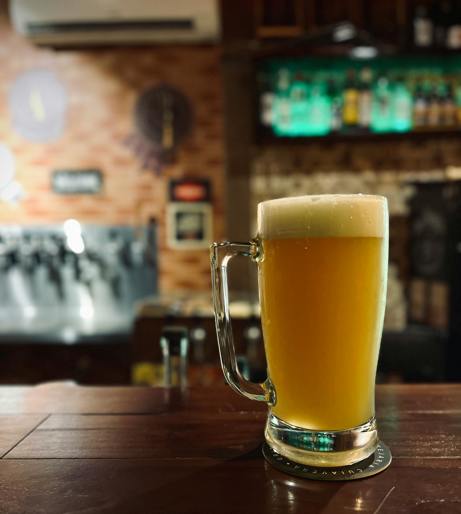
Bad beer often results from exposure to light, heat, oxygen, or improper storage. Understanding these factors helps prevent spoilage and ensures a better drinking experience.
Beer exposed to UV light becomes "skunked," developing a foul odor and taste due to chemical reactions in the hops.
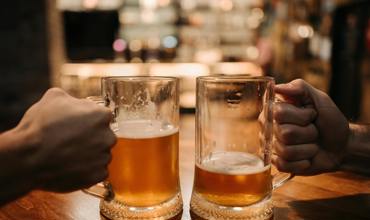
Oxidized beer tastes stale and cardboard-like, caused by exposure to air during bottling or storage.
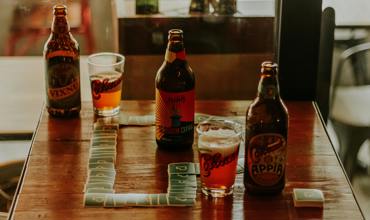
Bacterial or wild yeast infections can cause off-flavors, gushing, or cloudiness in beer.
Proper storage and handling are key to preventing bad beer. Follow these tips to maintain beer quality and avoid common pitfalls.
Keep beer away from direct light to prevent skunking. Use opaque bottles or store in a dark place.
Store beer at a consistent, cool temperature to prevent oxidation and off-flavors.
Ensure bottles and cans are sealed properly to minimize oxygen exposure.
Consume beer before its expiration date to avoid stale or off flavors.
Keep beer away from heat sources like stoves or direct sunlight to prevent spoilage.
Avoid rough handling or shaking to prevent sediment disturbance and off-flavors.
Store beer upright for cans and screw-top bottles to minimize oxygen exposure.
Use a beer fridge set to 50-55°F (10-13°C) for optimal storage conditions.
Pour beer gently into clean glasses to preserve carbonation and flavor.



Understanding these factors ensures you enjoy fresh, high-quality beer every time.
| Factor | Description |
|---|---|
| Light Exposure | Avoid UV light to prevent skunking and off-flavors. |
| Temperature | Store beer at consistent, cool temperatures to maintain freshness. |
| Oxygen | Minimize oxygen exposure to prevent oxidation and staleness. |
| Storage Position | Store upright for cans and screw-tops; horizontal for corked bottles. |
| Expiry Dates | Consume beer before expiration for optimal flavor. |
| Handling | Handle beer gently to avoid sediment disturbance and off-flavors. |
By paying attention to these details, you can ensure every beer you drink is fresh and enjoyable.