Harmony Chandler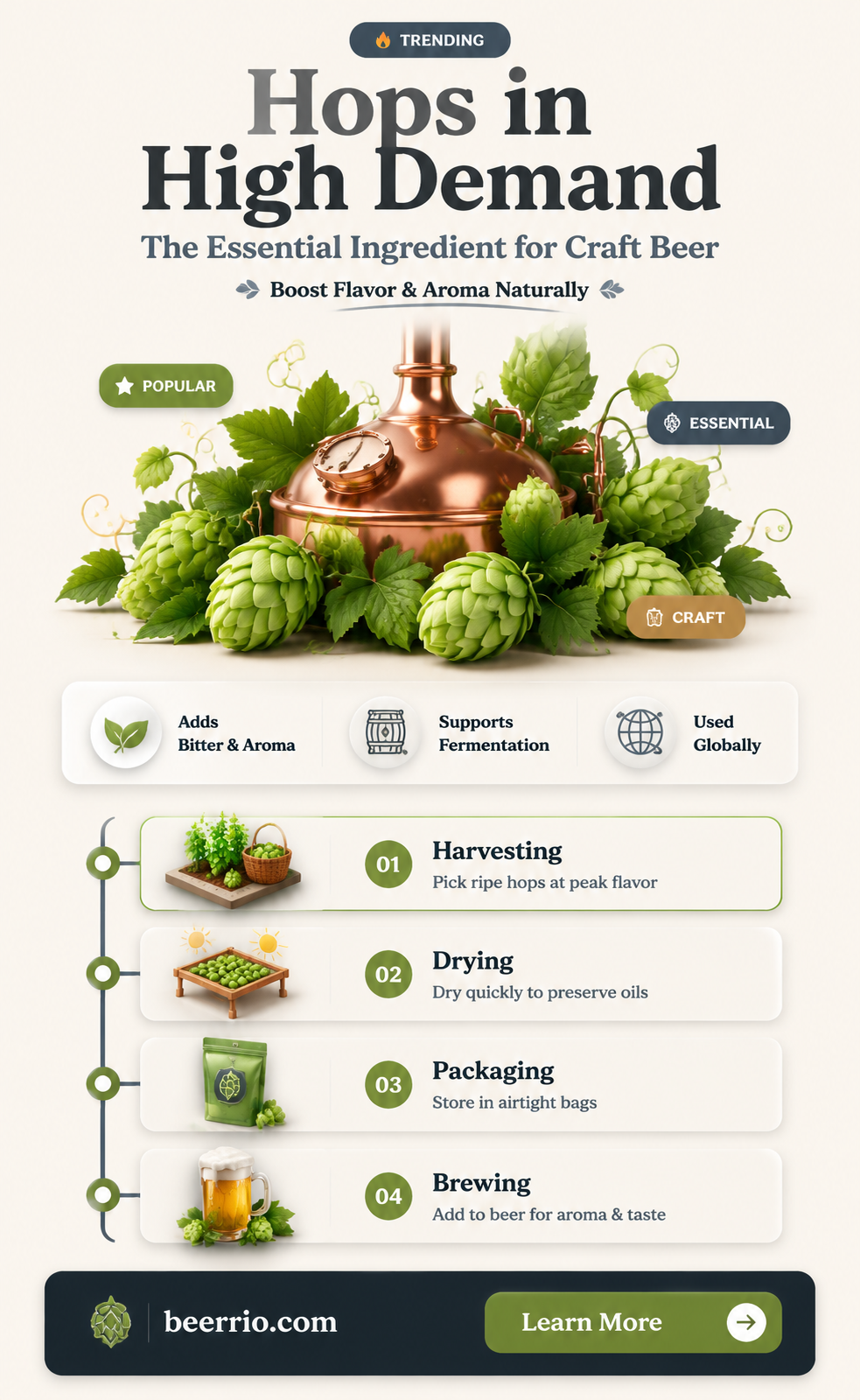
The demand for hops, a key ingredient in beer production, has been steadily increasing in recent years. This surge is driven by the growing popularity of craft beers, which often require a significant amount of hops to achieve their distinctive flavors and aromas. Additionally, the rise of the global beer market, particularly in emerging economies, has further fueled the demand for hops. As a result, hop farmers and suppliers are working to meet this increased demand, with some regions experiencing hop shortages and price fluctuations. This trend highlights the importance of hops in the beer industry and the need for sustainable and efficient hop production practices.
Explore related products


What You'll Learn
- Market Trends: Analyze current and projected demand for hops in the global beer industry
- Supply Chain: Evaluate the availability and distribution of hops from major producing regions
- Price Fluctuations: Examine historical and current price trends for hops and their impact on brewers
- Craft Beer Influence: Assess how the growth of craft beer has affected hop demand and variety preferences
- Sustainability Efforts: Explore initiatives by hop growers and brewers to promote sustainable hop production practices

Market Trends: Analyze current and projected demand for hops in the global beer industry
The global beer industry is experiencing a significant shift in demand for hops, driven by the rise of craft breweries and the increasing popularity of hop-forward beer styles such as IPAs and pale ales. According to a recent report by Grand View Research, the global hops market is expected to reach $1.2 billion by 2025, growing at a CAGR of 6.2% from 2019 to 2025. This growth is being fueled by the expanding craft beer sector, which is projected to account for over 20% of the global beer market by 2025.
One of the key factors driving the demand for hops is the growing consumer preference for beers with bold, complex flavors. Hops are a critical ingredient in beer brewing, contributing to the bitterness, aroma, and flavor profile of the final product. As consumers become more discerning and adventurous in their beer choices, brewers are increasingly seeking out unique and high-quality hop varieties to create distinctive and flavorful beers.
The increasing demand for hops has also led to a surge in hop farming and production. In the United States, for example, hop production has more than doubled since 2007, with Washington, Oregon, and Idaho emerging as major hop-producing states. This growth in production has been driven by both the increasing demand from craft breweries and the development of new hop varieties that offer unique flavor and aroma profiles.
However, the growing demand for hops has also led to some challenges for the industry. One major concern is the potential for hop shortages, particularly for popular varieties such as Cascade and Citra. In recent years, hop shortages have led to price volatility and supply chain disruptions, forcing brewers to seek out alternative hop sources or adjust their recipes.
To mitigate these challenges, many brewers are exploring new hop varieties and developing relationships with local hop farmers. This approach not only helps to ensure a stable supply of hops but also supports the growth of the local agricultural economy. Additionally, some brewers are experimenting with alternative ingredients, such as fruits and spices, to create unique and flavorful beers that are less reliant on hops.
In conclusion, the demand for hops in the global beer industry is expected to continue growing in the coming years, driven by the rise of craft breweries and the increasing consumer preference for bold, complex beer flavors. While this growth presents opportunities for hop farmers and brewers, it also poses challenges in terms of supply chain management and price volatility. By exploring new hop varieties, developing relationships with local farmers, and experimenting with alternative ingredients, brewers can help to ensure a sustainable and stable supply of hops for the future.
The Magic of Hops: Nature's Preservative in Your Beer
You may want to see also
Explore related products


Supply Chain: Evaluate the availability and distribution of hops from major producing regions
The availability and distribution of hops are critical components in the beer-making supply chain. Hops, which contribute to the flavor, aroma, and bitterness of beer, are primarily grown in specific regions around the world. The major hop-producing countries include the United States, Germany, Czech Republic, and Australia. Each of these regions has unique climatic and soil conditions that influence the types and qualities of hops produced.
In recent years, the demand for hops has increased significantly, driven by the growth of the craft beer industry. This surge in demand has led to challenges in the supply chain, including shortages and price volatility. Brewers, especially those in the craft sector, have had to adapt by seeking alternative sources of hops or by developing new recipes that use less hops.
One of the key factors affecting hop availability is the weather. Hops are sensitive to extreme weather conditions, such as droughts, floods, and heatwaves. For example, in 2018, a severe drought in Germany led to a significant decrease in hop yields, causing a ripple effect throughout the global hop market. Similarly, wildfires in the Pacific Northwest of the United States have threatened hop crops in recent years.
To mitigate these risks, brewers and hop suppliers are exploring new growing regions and investing in sustainable farming practices. Some are also experimenting with new hop varieties that are more resistant to environmental stresses. Additionally, advancements in hop processing and storage technologies are helping to improve the shelf life and quality of hops, making them more readily available to brewers year-round.
In conclusion, the availability and distribution of hops are complex issues that are influenced by a variety of factors, including weather, demand, and agricultural practices. As the beer industry continues to grow, it will be important for brewers and suppliers to work together to ensure a stable and sustainable hop supply chain.
Discovering Your Beer Allergy: Are Hops the Culprit?
You may want to see also
Explore related products


Price Fluctuations: Examine historical and current price trends for hops and their impact on brewers
The volatility of hop prices has long been a significant concern for brewers worldwide. Historical data reveals that hop prices can swing dramatically due to various factors such as weather conditions, pest infestations, and changes in global demand. For instance, the 2012 hop shortage, caused by a combination of poor weather and increased demand from emerging craft beer markets, led to a spike in prices that affected brewers' profit margins.
In recent years, the trend of price fluctuations has continued, albeit with some changes in the underlying causes. The rise of craft brewing has led to an increased demand for specialty hops, which are often more expensive to grow and process. Additionally, the legalization of cannabis in some regions has led to a shift in agricultural focus, with some farmers switching from hops to cannabis cultivation, further impacting hop supply and prices.
Brewers have had to adapt to these price fluctuations in various ways. Some have opted to enter into long-term contracts with hop suppliers to secure prices, while others have experimented with alternative ingredients or brewing techniques to reduce their reliance on hops. The use of adjuncts such as corn, rice, and wheat has become more common, as has the adoption of dry hopping and other hop-efficient brewing methods.
Despite these challenges, the demand for hops remains strong, driven by the continued growth of the craft beer industry and the increasing popularity of hop-forward beer styles such as IPAs and pale ales. As a result, brewers are likely to continue to face price volatility in the hop market, and will need to remain agile and innovative in their approach to managing these fluctuations.
One potential solution that has gained traction in recent years is the development of hop farms in new regions, such as the Southern Hemisphere, where the climate and growing conditions are favorable for hop cultivation. This has helped to diversify the global hop supply and reduce the reliance on traditional hop-growing regions such as the Pacific Northwest of the United States and Europe.
In conclusion, the impact of price fluctuations on brewers cannot be overstated. By understanding the historical and current trends in hop prices, and by adopting innovative strategies to manage these fluctuations, brewers can better navigate the challenges of the hop market and continue to produce high-quality, hop-forward beers that meet the demands of consumers.
Exploring the Botanical Mystery: Are Beer Hops a Vegetable?
You may want to see also
Explore related products


Craft Beer Influence: Assess how the growth of craft beer has affected hop demand and variety preferences
The rise of craft beer has significantly impacted the hop industry, leading to an increased demand for unique and diverse hop varieties. As craft breweries seek to differentiate their products through innovative flavors and aromas, they have turned to specialty hops that offer distinct characteristics. This shift has driven hop growers to experiment with new cultivars and expand their offerings to meet the evolving needs of the craft beer market.
One notable effect of the craft beer boom is the growing popularity of hop-forward beers, such as IPAs and pale ales. These styles rely heavily on hops for their flavor and aroma profiles, which has led to a surge in demand for high-quality, aromatic hop varieties. As a result, hop growers have focused on developing new cultivars that offer intense and complex flavor profiles, such as Citra, Mosaic, and Simcoe.
Furthermore, the craft beer movement has also led to a renewed interest in traditional and historical hop varieties. Many craft breweries are now seeking out heirloom hops that offer unique and nuanced flavors, in order to create beers that stand out from the crowd. This trend has driven hop growers to revive and cultivate rare hop varieties, such as Cascade, Centennial, and Chinook, which were once considered obsolete.
In addition to the increased demand for diverse hop varieties, the craft beer boom has also led to changes in hop procurement and distribution. Craft breweries often seek to source their hops locally, in order to support local agriculture and reduce their carbon footprint. This has led to the growth of regional hop industries and the development of new hop varieties that are well-suited to specific climates and growing conditions.
Overall, the growth of craft beer has had a profound impact on the hop industry, driving innovation, diversification, and sustainability. As the craft beer market continues to evolve, it is likely that the demand for unique and high-quality hop varieties will only continue to grow, shaping the future of the hop industry for years to come.
Exploring the Flavorful World of Hops in Beer
You may want to see also
Explore related products


Sustainability Efforts: Explore initiatives by hop growers and brewers to promote sustainable hop production practices
In recent years, the brewing industry has seen a significant shift towards sustainability, with hop growers and brewers alike taking proactive steps to reduce their environmental footprint. One notable initiative is the adoption of organic farming practices, which eliminate the use of synthetic pesticides and fertilizers in hop cultivation. This not only benefits the environment but also results in higher-quality hops that are free from harmful chemicals.
Another key sustainability effort is the implementation of water conservation measures. Hop farming is a water-intensive process, and growers have been working to optimize their irrigation systems to minimize water waste. Some breweries have even begun using rainwater harvesting systems to collect and reuse water for their brewing processes.
In addition to these initiatives, there has been a growing focus on reducing waste and promoting recycling within the brewing industry. Many breweries have implemented comprehensive recycling programs, and some have even begun using spent hops as a source of biofuel. This not only helps to reduce waste but also provides a renewable energy source for the brewery.
Furthermore, the industry has seen a rise in the use of locally sourced hops, which reduces the carbon footprint associated with transportation. Some breweries have even begun growing their own hops on-site, further minimizing their environmental impact.
These sustainability efforts not only benefit the environment but also have a positive impact on the quality of the beer produced. Consumers are increasingly aware of the importance of sustainability and are more likely to choose products from companies that prioritize environmental responsibility. As a result, breweries that focus on sustainable practices are seeing increased demand for their products.
In conclusion, the brewing industry has made significant strides in promoting sustainable hop production practices. From organic farming to water conservation and waste reduction, these initiatives are not only beneficial for the environment but also result in higher-quality beer and increased consumer demand. As the industry continues to evolve, it is likely that we will see even more innovative sustainability efforts in the years to come.
Hops Hazard: Understanding the Toxicity of Beer Ingredients to Dogs
You may want to see also
Frequently asked questions
Yes, hops are in high demand due to the growing popularity of craft beers and the increasing number of breweries worldwide.
Factors contributing to the demand include the rise of craft brewing, the diversification of beer styles that require specific hop varieties, and the global expansion of the beer market.
The high demand for hops often leads to increased prices and can sometimes result in shortages, particularly for specialty hop varieties favored by craft brewers.