 Oisin Foster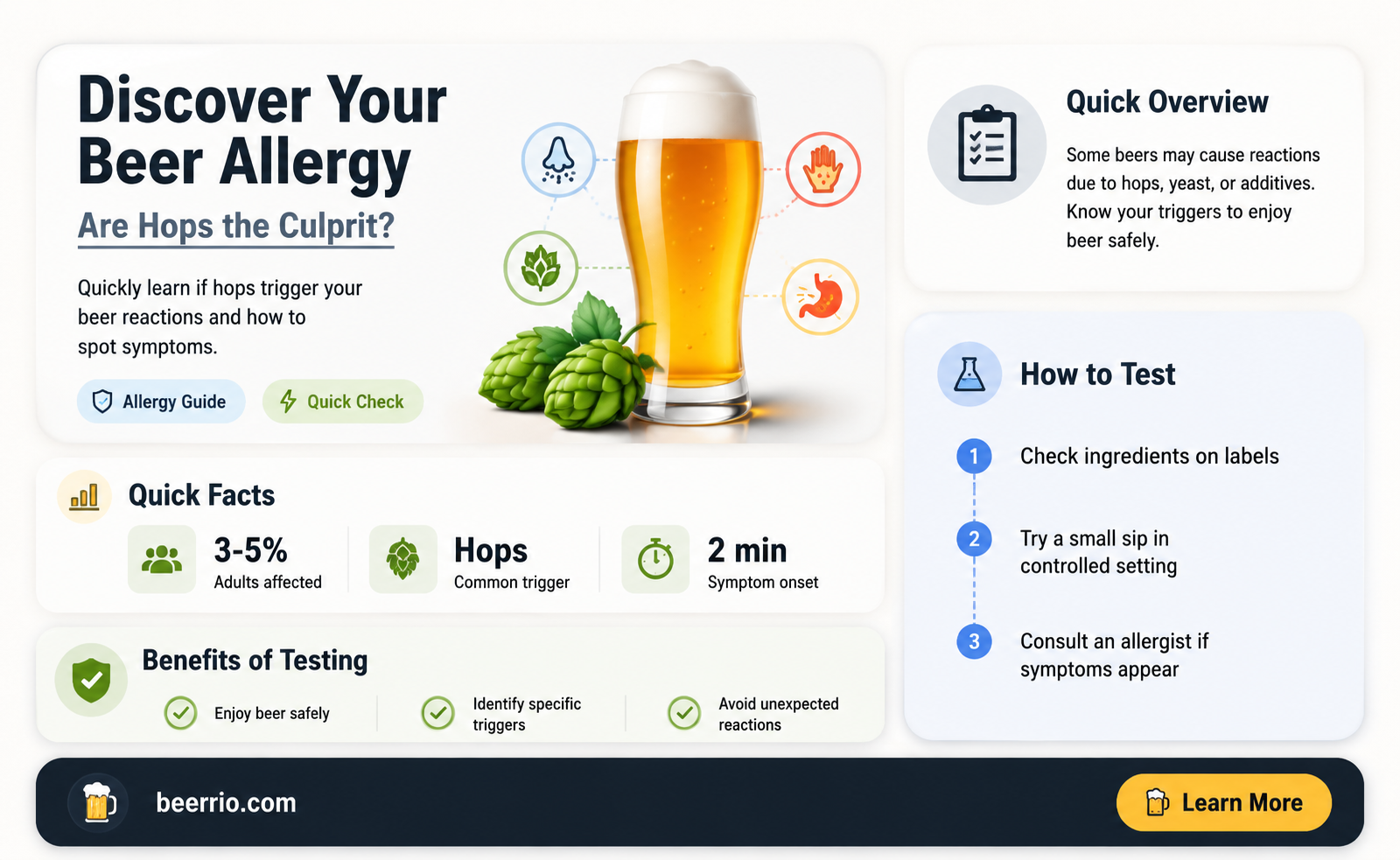
Hops are a key ingredient in beer, responsible for its characteristic bitterness and aroma. While hops allergies are relatively rare, they can cause a range of symptoms from mild to severe. If you suspect you might be allergic to hops, it's important to understand the signs and seek medical advice. Common symptoms of a hops allergy include skin rashes, itching, swelling, and in more severe cases, difficulty breathing or anaphylaxis. If you experience any of these symptoms after consuming beer or other products containing hops, consult an allergist for proper diagnosis and treatment.
Explore related products


What You'll Learn
- Common symptoms of hop allergies: Sneezing, itching, hives, difficulty breathing, swelling, and gastrointestinal issues
- Cross-reactivity with other allergens: People allergic to hops may also react to certain fruits, vegetables, or other plant-based foods
- Diagnosing hop allergies: Medical history review, skin prick tests, blood tests, and elimination diets to confirm allergy
- Alternative beverages for hop-allergic individuals: Non-alcoholic options, gluten-free beers, ciders, wines, and distilled spirits
- Managing hop allergies in social settings: Communicating with friends, family, and bartenders about your allergy and finding safe options

Common symptoms of hop allergies: Sneezing, itching, hives, difficulty breathing, swelling, and gastrointestinal issues
If you've ever experienced an adverse reaction after consuming beer, you might be allergic to hops. Hops are a key ingredient in beer, responsible for its bitter flavor and aroma. While hop allergies are relatively rare, they can cause a range of uncomfortable symptoms.
The most common symptoms of a hop allergy include sneezing, itching, and hives. These are typical signs of an allergic reaction, as your body releases histamines in response to the allergen. In more severe cases, you might experience difficulty breathing or swelling of the face, lips, or throat. This can be particularly alarming and may require immediate medical attention.
Gastrointestinal issues are another possible symptom of a hop allergy. You might experience nausea, vomiting, diarrhea, or abdominal pain after consuming beer. These symptoms can be mistaken for other conditions, such as food poisoning or a stomach bug, but if they occur consistently after drinking beer, it's worth considering a hop allergy.
It's important to note that the severity of symptoms can vary greatly from person to person. Some individuals might experience mild symptoms, while others could have a more severe reaction. If you suspect you have a hop allergy, it's crucial to consult with a healthcare professional for proper diagnosis and treatment.
In the meantime, there are some steps you can take to manage your symptoms. Avoiding beer and other products containing hops is the most obvious solution. However, hops can also be found in some medications, herbal remedies, and even certain foods. Reading labels and doing research can help you identify and avoid hidden sources of hops.
If you do have a hop allergy, don't worry – there are plenty of alternative beverages available. From gluten-free beers to craft sodas and kombuchas, you can still enjoy a refreshing drink without risking an allergic reaction.
The Magic of Hops: Nature's Preservative in Your Beer
You may want to see also
Explore related products
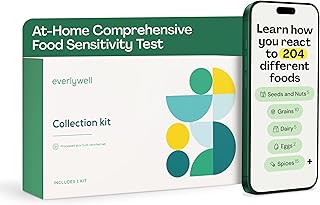


Cross-reactivity with other allergens: People allergic to hops may also react to certain fruits, vegetables, or other plant-based foods
People allergic to hops may experience cross-reactivity with other allergens, which means they could have an allergic reaction to certain fruits, vegetables, or other plant-based foods. This phenomenon occurs because the proteins in hops can be similar to those found in other plants, triggering an immune response in susceptible individuals. For instance, some people allergic to hops may also react to foods like apples, peaches, or even certain types of nuts.
Cross-reactivity can be particularly challenging for individuals trying to navigate their dietary restrictions. It's essential for those with a hops allergy to be aware of potential cross-reactive foods and to consult with a healthcare professional or allergist for personalized advice. Keeping a food diary and noting any adverse reactions can help identify specific foods that may cause issues.
In addition to fruits and vegetables, people with a hops allergy may also need to be cautious with certain medications or supplements that contain plant-based ingredients. For example, some herbal remedies or botanical supplements could potentially trigger an allergic reaction due to cross-reactivity. It's crucial to read labels carefully and consult with a healthcare provider before starting any new medication or supplement regimen.
Understanding cross-reactivity can also help individuals with a hops allergy make informed choices when dining out or trying new foods. Being proactive about communicating dietary restrictions to restaurant staff or hosts can help prevent accidental exposure to allergens. Additionally, learning to recognize the symptoms of an allergic reaction, such as hives, itching, or difficulty breathing, can empower individuals to take prompt action if they experience a reaction.
In conclusion, cross-reactivity with other allergens is an important consideration for people with a hops allergy. By being aware of potential triggers, consulting with healthcare professionals, and taking proactive steps to manage their condition, individuals can better navigate their dietary restrictions and reduce the risk of allergic reactions.
From Vine to Brew: A Comprehensive Guide to Growing Hops for Beer
You may want to see also
Explore related products



Diagnosing hop allergies: Medical history review, skin prick tests, blood tests, and elimination diets to confirm allergy
To diagnose a hop allergy, healthcare providers typically begin by reviewing the patient's medical history. This involves asking detailed questions about symptoms experienced after consuming beer or other hop-containing products, as well as any family history of allergies. The medical history review helps to identify patterns and potential triggers, guiding further diagnostic steps.
Skin prick tests are a common diagnostic tool for allergies, including hop allergies. During this test, a small amount of hop extract is applied to the skin, and the area is then gently pricked with a needle. If the patient is allergic to hops, a raised, itchy bump (wheal) will appear at the test site within 15-20 minutes. Skin prick tests are generally safe and provide quick results, making them a valuable initial diagnostic step.
Blood tests, specifically IgE (immunoglobulin E) tests, can also be used to diagnose hop allergies. These tests measure the level of IgE antibodies in the blood, which are produced by the immune system in response to allergens. A high level of IgE antibodies specific to hops indicates an allergic reaction. Blood tests are particularly useful for patients who cannot undergo skin prick tests due to skin conditions or other medical reasons.
Elimination diets are another effective method for diagnosing hop allergies. This involves removing all hop-containing products, including beer, from the diet for a period of time (usually 2-4 weeks). If symptoms improve during this period, it suggests that hops may be the cause of the allergic reaction. After the elimination period, hop-containing products are gradually reintroduced to the diet, and any recurrence of symptoms is closely monitored. This method can help to confirm or rule out a hop allergy, but it requires careful planning and adherence to the diet.
In conclusion, diagnosing a hop allergy involves a combination of medical history review, skin prick tests, blood tests, and elimination diets. Each of these methods provides valuable information, and healthcare providers will typically use a combination of approaches to confirm or rule out a hop allergy. If you suspect you may be allergic to hops, it is important to consult with a healthcare professional for proper diagnosis and guidance.
Exploring the Flavorful World of Hops in Beer
You may want to see also
Explore related products
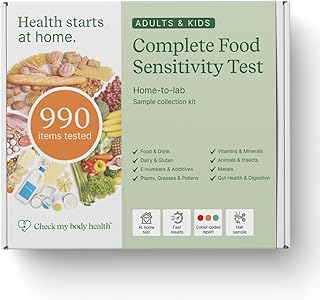


Alternative beverages for hop-allergic individuals: Non-alcoholic options, gluten-free beers, ciders, wines, and distilled spirits
For individuals who are allergic to hops, finding alternative beverages can be a challenge. However, there are several non-alcoholic options available that can provide a satisfying substitute for beer. These include gluten-free beers, ciders, wines, and distilled spirits. Each of these alternatives offers a unique flavor profile and can be enjoyed in different settings.
Gluten-free beers are a popular choice for those who are allergic to hops or have celiac disease. These beers are made from alternative grains such as rice, corn, or sorghum, and do not contain any wheat or barley. They can be found in a variety of styles, from lagers to ales, and are often lower in calories than traditional beers.
Ciders are another great option for those who are allergic to hops. Made from fermented apple juice, ciders can range from sweet to dry and can be enjoyed on their own or mixed with other beverages. They are often lower in alcohol content than beer and can be a refreshing choice for those who are looking for a lighter alternative.
Wines are a classic choice for those who are allergic to hops. They are made from fermented grapes and can be found in a variety of styles, from red to white to sparkling. Wines can be enjoyed on their own or paired with food, and they often have a higher alcohol content than beer.
Distilled spirits are a strong alternative for those who are allergic to hops. These include vodka, gin, whiskey, and rum, among others. Distilled spirits are made by fermenting and then distilling grains, fruits, or vegetables, and they can be enjoyed on their own or mixed with other beverages. They often have a higher alcohol content than beer and can be a more potent choice for those who are looking for a strong alternative.
In conclusion, there are several alternative beverages available for those who are allergic to hops. From gluten-free beers to ciders, wines, and distilled spirits, there is a wide range of options to choose from. Each of these alternatives offers a unique flavor profile and can be enjoyed in different settings, making them a great choice for those who are looking for a substitute for beer.
Exploring the Availability of Trop Hop Beer: A Comprehensive Guide
You may want to see also
Explore related products


Managing hop allergies in social settings: Communicating with friends, family, and bartenders about your allergy and finding safe options
Navigating social settings with a hop allergy can be challenging, but with the right approach, you can enjoy gatherings without compromising your health. The key is effective communication. When attending events where beer will be served, inform your host or bartender about your allergy beforehand. This allows them to prepare alternative beverages and ensures you have safe options available.
In casual settings with friends and family, be open about your allergy and educate them on the risks associated with hops. This not only helps prevent accidental exposure but also fosters a supportive environment where your loved ones can help you manage your allergy. Encourage them to read labels and ask questions when purchasing drinks for you.
When dining out, communicate with the restaurant staff about your allergy. Many establishments now offer allergen menus or can modify dishes to accommodate dietary restrictions. Don't hesitate to ask questions about the ingredients used in their dishes and beverages.
In more formal settings, such as weddings or corporate events, it's essential to plan ahead. Contact the event organizers or caterers in advance to discuss your allergy and ensure they have suitable options available. Consider bringing your own beverages or snacks to guarantee you have something safe to consume.
Remember, managing a hop allergy in social settings requires vigilance and proactive communication. By being open about your allergy and educating those around you, you can enjoy social gatherings while staying safe and healthy.
From Bitter to Bliss: The Magical Role of Hops in Beer
You may want to see also
Frequently asked questions
Symptoms of a hops allergy can range from mild to severe and may include skin rashes, itching, swelling, difficulty breathing, and in rare cases, anaphylaxis. If you experience any of these symptoms after consuming beer, it's important to seek medical advice.
A hops allergy is relatively rare compared to other food and drink allergies. However, it can occur in individuals who are sensitive to certain compounds found in hops, such as lupulin.
If you're allergic to hops, it's generally recommended to avoid drinking beer to prevent allergic reactions. However, there are some beers that are brewed without hops or with alternative ingredients that may be suitable for individuals with a hops allergy.
For individuals with a hops allergy, there are several alternative beverages available, including wines, ciders, and non-alcoholic options like sodas, juices, and teas. It's always important to check the ingredients and consult with the manufacturer or a healthcare professional if you're unsure.
If you suspect you may be allergic to hops, it's recommended to undergo allergy testing with a healthcare professional. They can perform skin prick tests or blood tests to determine if you have an allergic reaction to hops. It's important not to self-diagnose and to seek medical advice if you experience any symptoms of an allergy.


