Beatrix Montes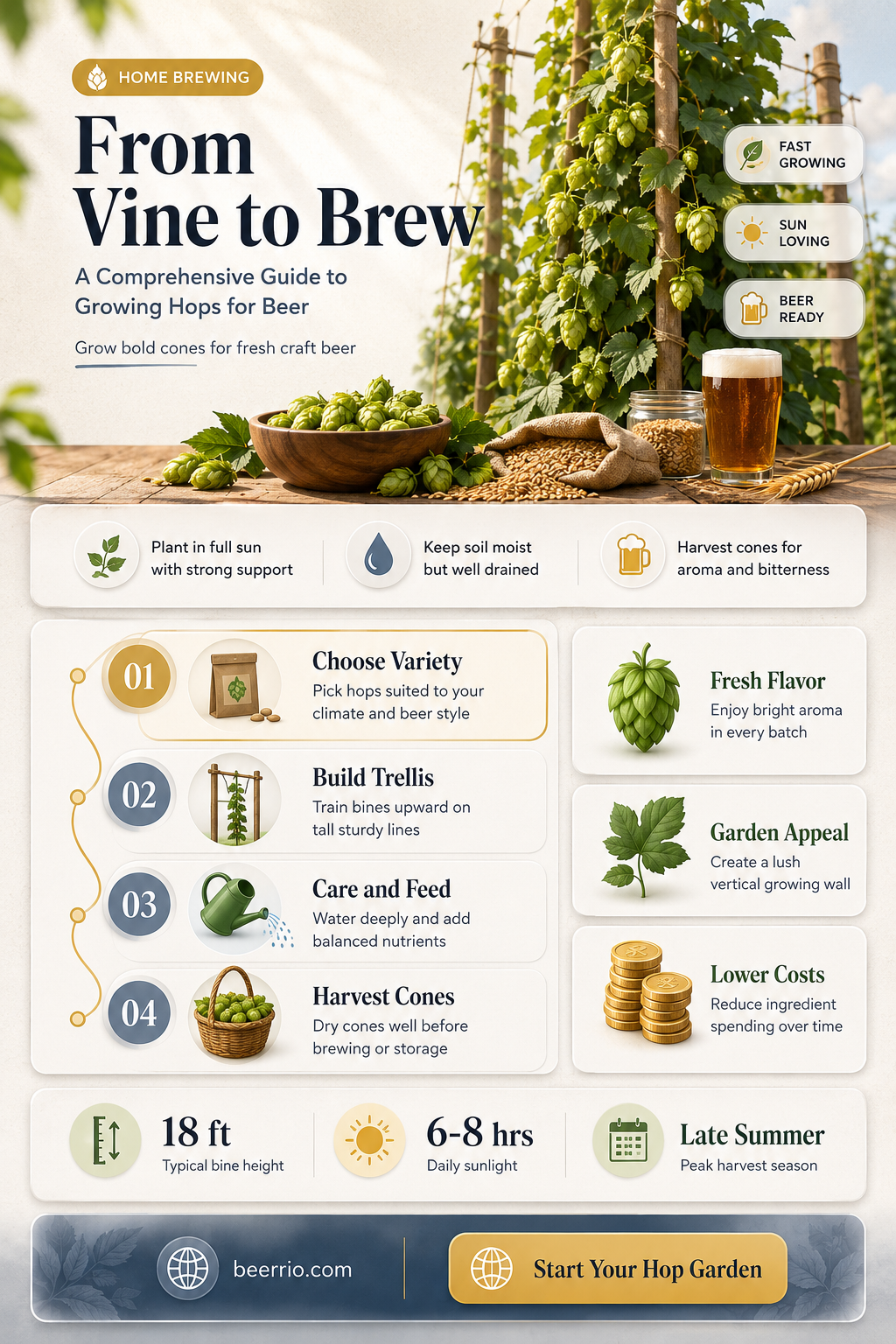
Growing hops for beer is an exciting and rewarding endeavor that allows homebrewers and beer enthusiasts to take their craft to the next level. Hops are the flowers of the hop plant, Humulus lupulus, and are responsible for the bitterness, aroma, and flavor in beer. By cultivating your own hops, you can experiment with different varieties and harvesting techniques to create unique and personalized brews. In this guide, we'll walk you through the process of growing hops, from selecting the right location and preparing the soil to training the vines and harvesting the cones. With a little patience and dedication, you'll be well on your way to brewing delicious, hop-forward beers in no time.
Explore related products


What You'll Learn
- Choosing Hop Varieties: Select suitable hop types for your climate and desired beer flavor profile
- Planting and Training: Plant rhizomes in well-draining soil, train vines to grow vertically or horizontally
- Watering and Fertilizing: Ensure consistent moisture, use balanced fertilizers to promote healthy growth
- Pest and Disease Management: Monitor for pests like aphids, diseases such as downy mildew, use organic controls when possible
- Harvesting and Processing: Pick mature cones, dry them properly, store in airtight containers to preserve freshness

Choosing Hop Varieties: Select suitable hop types for your climate and desired beer flavor profile
Selecting the right hop varieties is crucial for achieving the desired flavor profile in your beer. Different hop types offer unique characteristics that can significantly impact the taste, aroma, and bitterness of the final product. When choosing hop varieties, consider the climate in which you'll be growing them, as well as the specific flavor notes you want to achieve in your beer.
For example, if you're growing hops in a warmer climate, you may want to choose varieties that are more resistant to heat and drought, such as Cascade or Centennial hops. These varieties are known for their ability to thrive in warmer conditions and can produce a range of flavors from citrusy to piney. On the other hand, if you're growing hops in a cooler climate, you may want to choose varieties that are more tolerant of cold temperatures, such as Hallertau or Saaz hops. These varieties can produce more delicate flavors and aromas, with notes of spice, floral, and earthy undertones.
When selecting hop varieties for a specific beer style, it's important to consider the traditional hop profiles associated with that style. For instance, if you're brewing an IPA, you may want to choose hops that are known for their high alpha acid content and strong bitterness, such as Simcoe or Amarillo hops. These hops can produce bold, assertive flavors that are characteristic of the IPA style. Conversely, if you're brewing a pilsner, you may want to choose hops that are more subtle and nuanced, such as Saaz or Hallertau hops. These hops can produce a clean, crisp bitterness that complements the light, refreshing character of a pilsner.
In addition to considering the climate and beer style, it's also important to think about the specific flavor notes you want to achieve in your beer. Different hop varieties can produce a wide range of flavors and aromas, from fruity and floral to earthy and spicy. By experimenting with different hop combinations, you can create unique and complex flavor profiles that set your beer apart from others.
Ultimately, choosing the right hop varieties is a critical step in the beer-making process. By carefully selecting hops that are well-suited to your climate and desired flavor profile, you can ensure that your beer turns out exactly as you envisioned it.
Exploring the Flavorful World of Hops in Beer
You may want to see also
Explore related products


Planting and Training: Plant rhizomes in well-draining soil, train vines to grow vertically or horizontally
To successfully grow hops for beer, the planting and training process is crucial. This involves planting hop rhizomes in well-draining soil and training the vines to grow either vertically or horizontally. The choice of soil is important as it affects the health and yield of the hop plants. Well-draining soil prevents waterlogging, which can lead to root rot and other diseases. It's also beneficial to add organic matter to the soil to improve its fertility and structure.
When planting hop rhizomes, it's essential to position them correctly. Rhizomes should be planted horizontally, about 4-6 inches deep and 2-3 feet apart. This spacing allows the plants enough room to grow and spread. After planting, the rhizomes should be watered thoroughly to settle the soil and provide the necessary moisture for germination.
Training the hop vines to grow vertically or horizontally is another critical aspect of hop cultivation. Vertical training, also known as "high-wire" training, involves supporting the vines on tall structures, such as trellises or poles. This method maximizes space and allows for better air circulation around the plants, which can help prevent diseases. Horizontal training, on the other hand, involves guiding the vines along the ground or on low structures. This method is easier to manage and harvest but may result in lower yields compared to vertical training.
Regardless of the training method chosen, it's important to regularly prune and manage the hop vines. Pruning helps to promote healthy growth, increase yields, and make harvesting easier. It's also crucial to monitor the plants for pests and diseases and take appropriate measures to control them. By following these planting and training guidelines, hop growers can ensure a successful and bountiful harvest.
From Bitter to Bliss: The Magical Role of Hops in Beer
You may want to see also
Explore related products


Watering and Fertilizing: Ensure consistent moisture, use balanced fertilizers to promote healthy growth
Hops, the essential ingredient that gives beer its distinctive bitterness and aroma, require meticulous care to thrive. Watering and fertilizing are two critical aspects of hop cultivation that can significantly impact the quality and yield of your harvest. To ensure your hops grow healthy and strong, it's crucial to maintain consistent moisture levels and provide balanced nutrition through appropriate fertilizers.
Watering hops is a delicate balance. Too little water can lead to stunted growth and poor cone development, while too much can cause root rot and other diseases. Hops prefer well-draining soil, so it's essential to water deeply but infrequently, allowing the soil to dry out slightly between waterings. During the growing season, aim to provide about 1-1.5 inches of water per week, either through rainfall or irrigation. Mulching around the base of the plants can help retain moisture and suppress weeds.
Fertilizing hops is equally important. A balanced fertilizer with a ratio of approximately 10-10-10 (nitrogen-phosphorus-potassium) is ideal for promoting healthy growth. Apply fertilizer in early spring when the plants begin to grow, and again in mid-summer when the cones are starting to form. Be cautious not to over-fertilize, as this can lead to excessive vegetative growth and poor cone quality. Organic fertilizers, such as compost or manure, can also be used to provide essential nutrients and improve soil health.
In addition to regular watering and fertilizing, it's essential to monitor your hops for signs of stress or disease. Yellowing leaves, wilting, or discoloration can indicate nutrient deficiencies or overwatering. Regularly inspect your plants and adjust your watering and fertilizing schedule as needed to ensure optimal growth conditions.
By following these guidelines for watering and fertilizing, you can help ensure that your hops grow healthy and strong, leading to a bountiful harvest and high-quality beer. Remember, consistency is key, and paying close attention to your plants' needs will reward you with a successful hop-growing experience.
Exploring the Essential Ingredient: Do All Beers Contain Hops?
You may want to see also
Explore related products


Pest and Disease Management: Monitor for pests like aphids, diseases such as downy mildew, use organic controls when possible
Effective pest and disease management is crucial for growing healthy hops for beer. One of the most common pests that can affect hop plants is aphids. These small insects can cause significant damage by sucking the sap from the leaves and stems, leading to stunted growth and reduced yields. To monitor for aphids, regularly inspect your plants, especially the undersides of leaves where they tend to congregate. If you spot aphids, there are several organic control methods you can employ. For instance, you can use neem oil, which is a natural insecticide derived from the seeds of the neem tree. Another option is to introduce beneficial insects like ladybugs, which are natural predators of aphids.
In addition to pests, hop plants are also susceptible to various diseases. Downy mildew is a particularly problematic disease that can cause yellowing and browning of leaves, eventually leading to plant death if left untreated. To prevent downy mildew, ensure good air circulation around your plants by spacing them properly and removing any infected leaves promptly. You can also use organic fungicides like copper sulfate to control the spread of the disease. It's important to note that while these organic controls are effective, they should be used as part of an integrated pest management strategy to avoid resistance buildup.
Another key aspect of pest and disease management is maintaining the overall health of your hop plants. Healthy plants are better equipped to resist pests and diseases. This includes providing adequate nutrition through proper fertilization, ensuring sufficient water supply, and protecting plants from extreme weather conditions. Regularly inspecting your plants and addressing any issues promptly can help prevent small problems from escalating into major infestations or outbreaks.
When it comes to using organic controls, it's essential to understand their limitations and application methods. For example, neem oil can be harmful to beneficial insects if not used correctly. Always read and follow the instructions on the product label, and consider consulting with a local agricultural extension office for guidance on the most effective and environmentally friendly pest and disease management strategies for your specific region and climate.
In conclusion, pest and disease management is a critical component of successful hop cultivation. By monitoring your plants regularly, using organic controls when possible, and maintaining overall plant health, you can minimize the impact of pests and diseases on your hop harvest. Remember, prevention is key, and a proactive approach can save you time, effort, and resources in the long run.
Exploring the Availability of Trop Hop Beer: A Comprehensive Guide
You may want to see also
Explore related products


Harvesting and Processing: Pick mature cones, dry them properly, store in airtight containers to preserve freshness
To ensure the highest quality hops for your beer, it's crucial to harvest them at the right time. Mature cones will have a firm, dense feel and a vibrant green color. Typically, hops are ready to harvest in late August to early September, but this can vary depending on the specific variety and growing conditions. Once you've determined that your hops are mature, it's time to pick them. Use pruning shears or a sharp knife to cut the stems close to the cone, being careful not to damage the delicate lupulin glands that contain the essential oils and acids responsible for hop flavor and aroma.
After harvesting, the hops need to be dried properly to prevent mold and preserve their quality. Spread the cones out in a single layer on a clean, dry surface, such as a mesh screen or drying rack, and place them in a well-ventilated area out of direct sunlight. A dehumidifier can be helpful in maintaining the right humidity levels. The drying process should take about a week, depending on the ambient conditions. You'll know the hops are dry when they feel light and papery to the touch.
Once the hops are dry, it's important to store them in airtight containers to protect them from moisture, light, and air, which can all degrade their quality over time. Glass jars or vacuum-sealed bags are ideal for this purpose. Label the containers with the date and variety of hops, and store them in a cool, dark place. Properly stored, dried hops can maintain their flavor and aroma for up to a year, although they're best used within six months for optimal results.
When processing the hops for use in brewing, you'll need to separate the cones from the stems and leaves. This can be done by hand or with a mechanical separator. After separating, the hops can be further processed into pellets or plugs, which are more convenient for brewing. However, whole cones can also be used directly in the brewing process, depending on the recipe and desired outcome.
Throughout the harvesting and processing stages, it's important to handle the hops gently to avoid damaging the lupulin glands. This will help ensure that you get the best possible flavor and aroma from your hops when brewing your beer. By following these steps, you can be confident that your hops will be of the highest quality and will contribute to a delicious final product.
The Magic of Hops: Nature's Preservative in Your Beer
You may want to see also
Frequently asked questions
Hops thrive in well-drained soil with a pH between 6.0 and 7.0. They require full sun exposure and consistent moisture, especially during the growing season. It's also important to provide support structures like trellises for the hops to climb.
Hops are typically planted in the spring, after the last frost. This allows them to establish roots and begin growing before the hot summer months.
Hops need regular watering, especially during dry spells. Aim to provide about 1 inch of water per week, either through rainfall or irrigation. However, be cautious not to overwater, as this can lead to root rot.
Hops are usually ready for harvest in late summer or early fall, when the cones are fully developed and the leaves begin to yellow. The exact timing can vary depending on the specific variety of hops and the local climate.