Arabella Franco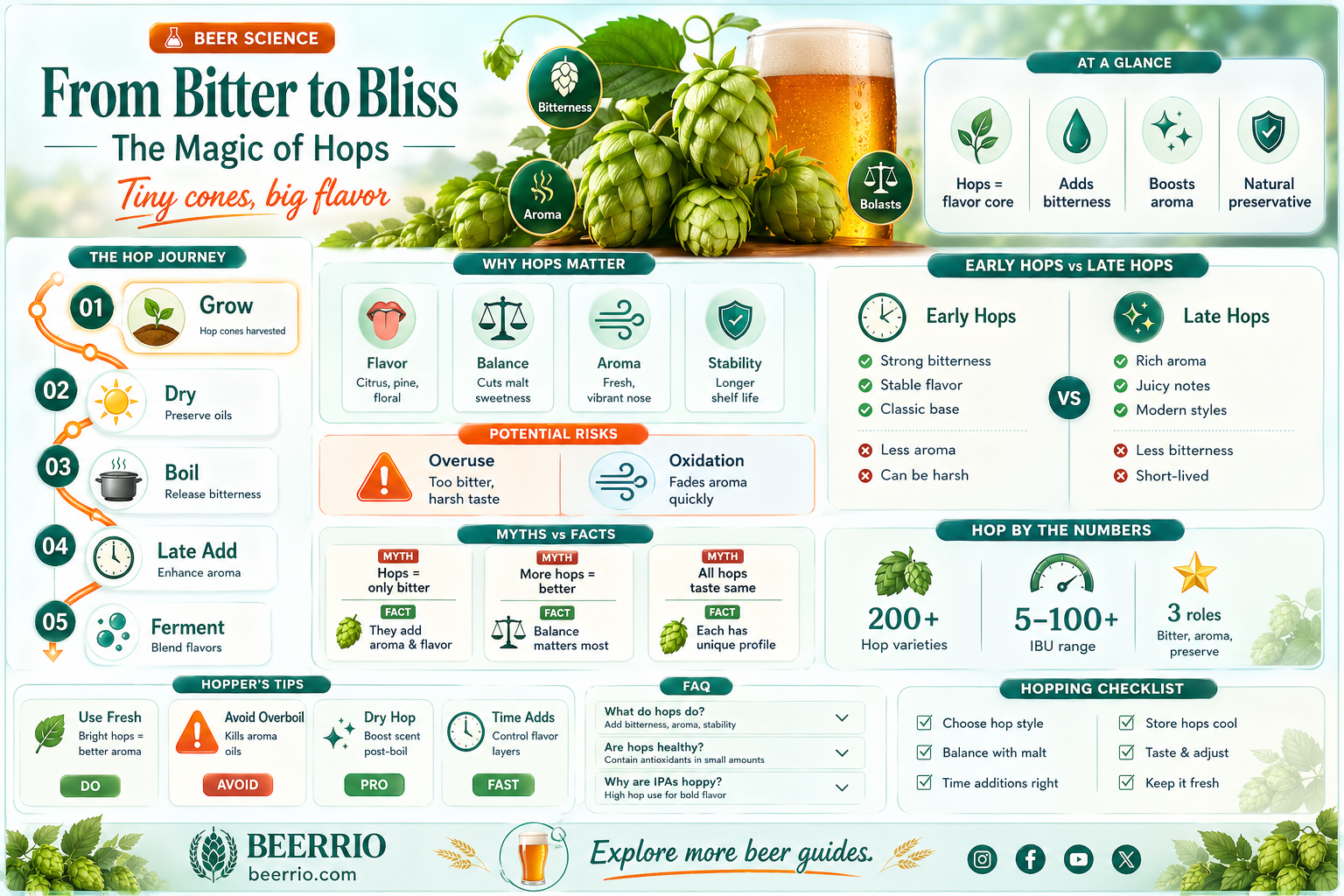
Hops are a fundamental ingredient in beer brewing, playing a crucial role in determining the flavor, aroma, and bitterness of the final product. Derived from the Humulus lupulus plant, hops contain compounds such as alpha acids, which contribute to the beer's bitterness, and essential oils, which impart distinctive aromas and flavors. By adding hops at different stages of the brewing process, brewers can manipulate these characteristics to create a wide range of beer styles, from the intensely bitter India Pale Ales (IPAs) to the more subtly flavored lagers and stouts. Additionally, hops act as a natural preservative, helping to extend the shelf life of beer by inhibiting bacterial growth.
Explore related products


What You'll Learn
- Bitterness: Hops add a bitter flavor to beer, balancing the sweetness of the malt
- Aroma: Different hop varieties contribute unique aromas, from floral to fruity to piney
- Preservation: Hops act as a natural preservative, helping to prevent spoilage and oxidation
- Foam Stability: Hops help maintain the beer's head, improving its visual appeal and mouthfeel
- Flavor Complexity: Hops provide a range of flavors, enhancing the overall complexity and character of the beer

Bitterness: Hops add a bitter flavor to beer, balancing the sweetness of the malt
Hops are the unsung heroes of the brewing world, contributing a complex array of flavors, aromas, and bitterness that elevate beer from a simple malt beverage to a sophisticated drink with depth and character. The bitterness derived from hops serves a crucial purpose in balancing the sweetness of the malt, creating a harmonious flavor profile that is essential to the overall taste experience of beer.
The bitterness in hops comes from compounds called alpha acids, which are isomerized during the boiling process and contribute to the beer's perceived bitterness. This bitterness is not just a one-dimensional flavor; it can range from a subtle, floral bitterness to a sharp, pungent one, depending on the variety of hops used and the brewing techniques employed. Brewers carefully select and combine different hop varieties to achieve the desired level of bitterness and flavor complexity in their beers.
One of the key roles of bitterness in beer is to provide a counterbalance to the sweetness of the malt. Without the bitterness from hops, beer would be overly sweet and cloying, lacking the refreshing quality that makes it such a popular beverage. The bitterness also helps to enhance the other flavors in the beer, making them more pronounced and enjoyable. For example, the citrus and pine notes that are characteristic of certain hop varieties can be more fully appreciated when they are set against a backdrop of balanced bitterness.
In addition to their role in flavor, hops also contribute to the stability and preservation of beer. The bitterness from hops acts as a natural preservative, helping to prevent the growth of bacteria and other microorganisms that can spoil the beer. This was particularly important in the days before modern brewing techniques and refrigeration, when beer needed to be transported long distances and stored for extended periods.
Brewers use various techniques to control the level of bitterness in their beers. The timing and duration of the hop addition during the brewing process can significantly impact the final bitterness level. Hops added early in the boil contribute more bitterness, while those added later provide more aroma and flavor. Brewers may also use different hop varieties with varying levels of alpha acids to achieve the desired bitterness profile.
In conclusion, the bitterness derived from hops is a critical component of beer, providing balance, complexity, and preservation. By carefully selecting and using hops, brewers can create a wide range of flavor profiles, from subtly bitter to sharply pungent, each contributing to the unique character of the beer.
Exploring the Availability of Trop Hop Beer: A Comprehensive Guide
You may want to see also
Explore related products


Aroma: Different hop varieties contribute unique aromas, from floral to fruity to piney
Hops are the unsung heroes of the brewing world, and their impact on beer is multifaceted. While they're often celebrated for their bitterness, which balances the sweetness of malt, their aromatic contributions are equally significant. Different hop varieties can infuse beer with a wide range of aromas, from delicate floral notes to robust fruity scents and sharp piney undertones.
For instance, Citra hops are renowned for their intense citrus aroma, reminiscent of grapefruit and lime, which can make a beer smell like a tropical fruit salad. On the other hand, Cascade hops are famous for their floral and pine-like aromas, evoking images of a forest after a spring rain. These aromatic qualities are not just for show; they play a crucial role in the overall sensory experience of drinking beer.
The process of extracting these aromas from hops involves careful selection and handling. Brewers must choose the right hop variety for the desired aroma profile and ensure that the hops are fresh and properly stored to maintain their volatile oils. During brewing, the timing and temperature of hop additions can significantly affect the final aroma. For example, adding hops early in the boil can contribute more bitterness, while late additions, especially during fermentation, can enhance the beer's aroma without adding much bitterness.
Moreover, the combination of different hop varieties can create complex and layered aroma profiles. Brewers often experiment with various hop combinations to achieve unique and appealing scents. For instance, a blend of Citra and Cascade hops can produce a beer with both citrusy and piney notes, offering a more nuanced and intriguing aroma.
In conclusion, the aroma contributed by different hop varieties is a key aspect of what makes beer so enjoyable. From floral to fruity to piney, these aromas can transform a simple drink into a rich sensory experience. Brewers who master the art of selecting and using hops can create beers that are not only delicious but also a delight to the senses.
Exploring the Essential Ingredient: Do All Beers Contain Hops?
You may want to see also
Explore related products




Preservation: Hops act as a natural preservative, helping to prevent spoilage and oxidation
Hops have been used for centuries in beer brewing, and one of their most significant contributions is their role as a natural preservative. The compounds found in hops, particularly the alpha acids, have antimicrobial properties that help to prevent the growth of bacteria and fungi, which can spoil beer. This preservation effect is crucial for maintaining the quality and shelf life of beer, especially before the advent of modern refrigeration and pasteurization techniques.
The process of hop addition during brewing is critical for achieving the desired preservation effects. Hops are typically added at different stages of the brewing process, including during the boil, in the fermenter, and even during packaging. Each stage of addition has a specific purpose and contributes to the overall preservation of the beer. For example, hops added during the boil are isomerized, which enhances their bitterness and antimicrobial properties, while hops added during fermentation can help to prevent the growth of unwanted microorganisms.
The type and amount of hops used can also impact the preservation qualities of beer. Different hop varieties contain varying levels of alpha acids and other compounds that contribute to their antimicrobial properties. Brewers often select specific hop varieties based on their desired flavor profile and preservation needs. Additionally, the dosage of hops used can affect the level of preservation achieved. Higher levels of hops will generally result in a more pronounced preservation effect, but this must be balanced with the desired flavor and aroma characteristics of the beer.
In addition to their antimicrobial properties, hops also play a role in preventing oxidation in beer. Oxidation can lead to the formation of off-flavors and aromas, as well as a decrease in the beer's overall quality. Hops contain antioxidants that help to scavenge free radicals and prevent oxidative reactions from occurring. This is particularly important for beers that are aged or stored for extended periods, as the risk of oxidation increases over time.
Overall, the use of hops as a natural preservative in beer is a complex and multifaceted process. By understanding the specific properties and functions of hops, brewers can effectively utilize them to produce high-quality, long-lasting beers that maintain their flavor and aroma characteristics over time.
Explore related products

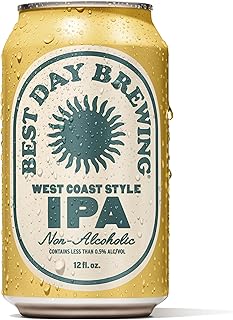


Foam Stability: Hops help maintain the beer's head, improving its visual appeal and mouthfeel
Hops play a crucial role in maintaining the stability of beer foam, which is essential for both the visual appeal and the mouthfeel of the beverage. The compounds present in hops, particularly the alpha acids, act as natural surfactants that help to create and sustain the frothy head on top of the beer. This is achieved by reducing the surface tension of the liquid, allowing the carbon dioxide bubbles to form a more stable and longer-lasting foam structure.
The visual appeal of a beer with a well-maintained head is significant, as it can enhance the overall drinking experience. A thick, creamy head not only looks inviting but also helps to release the beer's aroma, allowing the drinker to fully appreciate the complex scents that hops impart. Furthermore, the foam acts as a protective barrier, preserving the beer's freshness by preventing excessive oxidation and the loss of volatile compounds.
In terms of mouthfeel, the foam contributes to a smoother and more enjoyable drinking experience. The creamy texture of the foam contrasts with the liquid beer, providing a pleasant sensation as it coats the tongue and the inside of the mouth. This can also help to balance the bitterness of the hops, creating a more harmonious flavor profile.
Brewers often use specific hop varieties and techniques to optimize foam stability in their beers. For example, some hops are known for their superior foaming properties, such as Cascade and Centennial, which are popular choices for many craft beers. Additionally, the timing and method of hop addition during the brewing process can significantly impact the final foam quality. Late hop additions, particularly during the whirlpool or dry hopping stages, can enhance foam stability without contributing excessive bitterness.
In conclusion, hops are essential for maintaining the stability of beer foam, which in turn improves both the visual appeal and the mouthfeel of the beverage. By understanding the role of hops in foam formation and stability, brewers can create beers that not only taste great but also provide a visually appealing and enjoyable drinking experience.
Explore related products


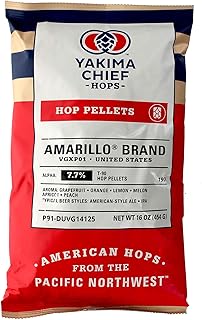

Flavor Complexity: Hops provide a range of flavors, enhancing the overall complexity and character of the beer
Hops are renowned for their ability to impart a diverse array of flavors to beer, significantly enhancing its complexity and character. The flavor profile of hops can range from floral and fruity to earthy and spicy, depending on the variety and how they are used in the brewing process. For instance, Citra hops are known for their citrusy notes, while Simcoe hops offer a piney, earthy flavor. The specific flavors derived from hops are influenced by factors such as the type of hop, the time of harvest, and the brewing techniques employed.
One of the key ways hops contribute to flavor complexity is through the addition of alpha acids, which are responsible for the bitterness in beer. During the boiling process, these alpha acids are isomerized, creating a variety of bitter compounds that can range from harsh and unpleasant to smooth and balanced. The timing and duration of hop additions during boiling can dramatically affect the final bitterness profile of the beer. For example, adding hops early in the boil will result in a more intense bitterness, while late additions will contribute more to the aroma and flavor.
In addition to bitterness, hops also provide beer with its distinctive aroma. The essential oils found in hops are volatile and can evaporate during the brewing process, releasing a range of aromatic compounds. These oils are responsible for the beer's bouquet, which can include notes of citrus, pine, floral, or herbal characteristics. Brewers often use dry hopping, a technique where hops are added to the beer after fermentation, to enhance the aroma without increasing bitterness.
Furthermore, hops can influence the mouthfeel and body of the beer. Certain hop varieties, such as Mosaic or Amarillo, are known for their ability to add a smooth, creamy texture to the beer. This is due to the presence of compounds like lupulin, which can contribute to a fuller body and a more luxurious drinking experience.
In conclusion, hops play a crucial role in determining the flavor complexity of beer. By carefully selecting hop varieties and employing various brewing techniques, brewers can create beers with a wide range of flavors, aromas, and textures. The interplay between bitterness, aroma, and mouthfeel ensures that each sip of beer offers a unique and enjoyable experience for the drinker.
Frequently asked questions
Hops are a key ingredient in beer that contribute to its bitterness, aroma, and flavor. They also act as a natural preservative, helping to extend the shelf life of the beer.
Hops impart a bitter taste to beer, which balances the sweetness of the malt. They also contribute to the beer's aroma and flavor, adding notes of citrus, pine, or floral characteristics depending on the variety used.
Yes, there are many different varieties of hops used in beer brewing, each with its own unique characteristics. Some common types include Cascade, Centennial, Chinook, and Simcoe, which are known for their distinct aromas and bitterness levels.
Hops can be added at various stages of the brewing process. They are typically added during the boil, but can also be added during fermentation or even after the beer has been brewed, a process known as dry hopping. The timing of hop addition affects the beer's bitterness and aroma.
Some beer styles that prominently feature hops include India Pale Ales (IPAs), Pale Ales, and American Red Ales. These styles are known for their hoppy bitterness and aromatic qualities.