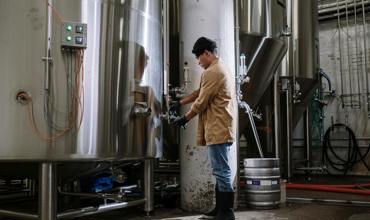
Mashing
The mashing process converts starches in the grain into fermentable sugars. Temperature and duration are critical for extracting the right flavors and sugars.
Production brewing is the large-scale manufacturing of beer, combining traditional craftsmanship with modern technology to meet market demand. It involves a variety of styles, from lagers and ales to stouts and IPAs, each with unique brewing processes and ingredients.
Key types include industrial lagers, craft ales, and specialty beers. Each style requires specific fermentation techniques, ingredient selection, and quality control measures to ensure consistency and flavor.
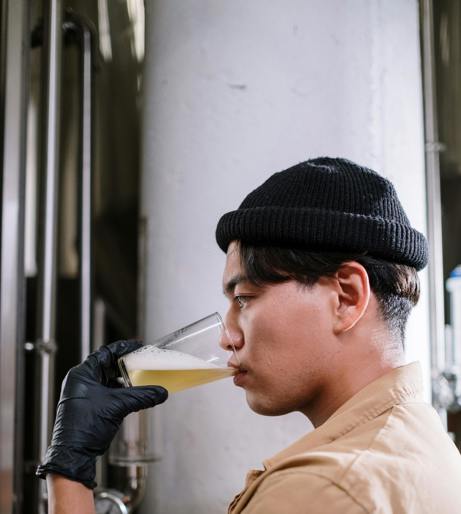
Successful production brewing relies on precise control of key processes. Mashing, boiling, fermentation, and packaging are critical stages that determine the final product's quality and consistency.
The mashing process converts starches in the grain into fermentable sugars. Temperature and duration are critical for extracting the right flavors and sugars.
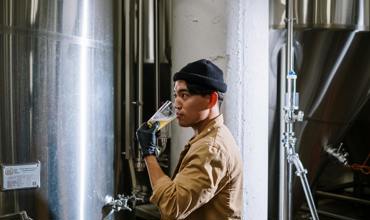
Fermentation is where yeast converts sugars into alcohol and CO2. Temperature control and yeast selection are key to achieving the desired flavor profile.

Efficient packaging ensures beer is bottled, canned, or kegged with minimal oxygen exposure to maintain freshness and quality.
Each stage of production brewing requires meticulous attention to detail to ensure the final product meets quality standards. From raw ingredients to the finished beer, every step is crucial.
High-quality grains, hops, yeast, and water are essential for producing consistent and flavorful beer.
Regular testing at each stage ensures the beer meets flavor, alcohol content, and safety standards.
Efficient scaling ensures consistent quality as production volumes increase to meet demand.
Effective distribution networks ensure beer reaches consumers fresh and in optimal condition.
Implementing sustainable practices reduces environmental impact, from water usage to waste management.
Continuous innovation in recipes, techniques, and technology keeps breweries competitive and relevant.
Invest in automated systems to improve consistency and reduce labor costs.
Use data analytics to monitor and optimize brewing processes in real-time.
Experiment with local and sustainable ingredients to create unique and eco-friendly beers.



Mastering the fundamentals of production brewing ensures consistent quality and efficiency. From ingredient selection to distribution, every element plays a critical role in the success of a brewery.
| Element | Description |
|---|---|
| Ingredient Quality | High-quality grains, hops, yeast, and water are essential for producing consistent and flavorful beer. |
| Process Control | Precise control of mashing, boiling, and fermentation ensures consistent beer quality. |
| Automation | Automated systems improve efficiency, reduce labor costs, and enhance consistency. |
| Quality Assurance | Regular testing and quality checks at each stage ensure the final product meets standards. |
| Sustainability | Sustainable practices reduce environmental impact and appeal to eco-conscious consumers. |
| Innovation | Continuous innovation in recipes and techniques keeps the brewery competitive and relevant. |
Production brewing is a complex but rewarding process. With the right practices and technologies, breweries can produce high-quality beer efficiently and sustainably.