Jason Wagner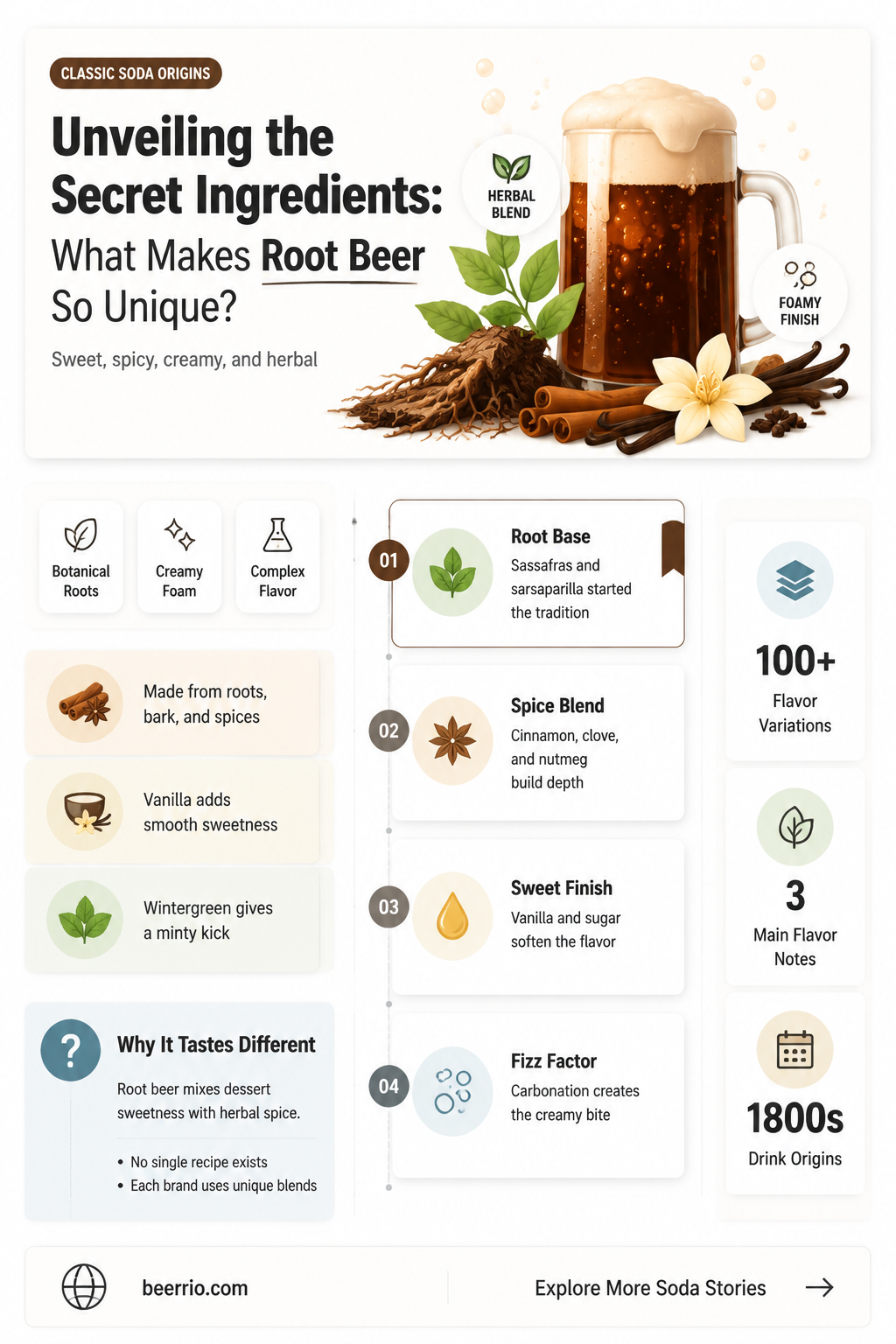
Root beer is a sweet, traditionally non-alcoholic beverage originally made using the root bark of the sassafras tree or the vine of Smilax ornata (sarsaparilla) for flavor. Today, modern root beer is usually flavored with artificial sassafras and various other flavorings. It typically has a rich, creamy head and a distinctive dark color, often achieved through the addition of caramel color. The drink is popular in North America and is often associated with classic American culture, frequently enjoyed at barbecues, picnics, and as a nostalgic treat.
Explore related products




What You'll Learn
- Main Ingredients: Water, sugar, and sassafras root bark are the primary components of traditional root beer
- Flavorings: Additional flavorings like vanilla, caramel, and wintergreen are often added to enhance the taste
- Carbonation: Root beer is carbonated using carbon dioxide, giving it its characteristic fizz and bubbles
- Artificial Ingredients: Some modern root beers contain artificial flavors, colors, and preservatives to extend shelf life
- Variations: Different brands and homemade recipes may include unique ingredients like ginger, cloves, or cinnamon for distinct flavors

Main Ingredients: Water, sugar, and sassafras root bark are the primary components of traditional root beer
Traditional root beer is a classic North American soft drink with a rich history and a unique flavor profile. At its core, root beer is made from a combination of water, sugar, and sassafras root bark. These three ingredients are the foundation of the beverage's distinctive taste and aroma.
Water is the primary ingredient in root beer, serving as the base for the other components. The quality of the water used can significantly impact the final taste of the root beer. Sugar is the second main ingredient, providing the sweetness that balances the strong, slightly bitter flavor of the sassafras root bark. The type of sugar used can vary, with some recipes calling for pure cane sugar, while others may use beet sugar or even artificial sweeteners.
Sassafras root bark is the key ingredient that gives root beer its unique flavor. The bark is harvested from the sassafras tree, which is native to North America. The root bark contains a compound called safrole, which is responsible for the characteristic taste and aroma of root beer. However, it's worth noting that the use of sassafras root bark in root beer has been a topic of controversy due to potential health risks associated with safrole. As a result, many modern root beer recipes have replaced sassafras root bark with artificial flavorings or other natural ingredients that mimic its taste.
In addition to these main ingredients, traditional root beer recipes often include other flavorings and spices, such as vanilla, cinnamon, nutmeg, and cloves. These additional ingredients contribute to the complexity of the root beer's flavor profile and can vary depending on the specific recipe or brand.
The process of making root beer typically involves brewing the sassafras root bark and other spices in water to create a concentrated flavor extract. This extract is then combined with sugar and additional water to create the final beverage. Some root beer recipes may also include yeast or other fermenting agents to create a slightly fizzy texture.
In conclusion, while the main ingredients of traditional root beer are water, sugar, and sassafras root bark, the beverage's unique flavor is often enhanced by the addition of other spices and flavorings. The brewing process and the quality of the ingredients used can significantly impact the final taste and texture of the root beer.
Exploring the Buzz: Which Root Beers Contain Alcohol?
You may want to see also
Explore related products




Flavorings: Additional flavorings like vanilla, caramel, and wintergreen are often added to enhance the taste
Root beer's distinctive flavor profile is significantly enhanced by the addition of various flavorings. Vanilla, caramel, and wintergreen are among the most common additives, each contributing a unique taste that complements the beverage's traditional sassafras and sarsaparilla base. Vanilla adds a smooth, creamy sweetness that balances the earthy notes of the root beer, while caramel introduces a rich, buttery undertone that deepens the overall flavor. Wintergreen, with its cool, minty essence, provides a refreshing contrast to the warmer spices typically found in root beer.
The art of flavoring root beer involves a delicate balance to ensure that each ingredient enhances rather than overpowers the others. For instance, too much vanilla can make the root beer taste overly sweet and cloying, while an excess of wintergreen can give it a harsh, medicinal flavor. To achieve the perfect blend, root beer manufacturers often use a combination of natural and artificial flavorings, carefully calibrated to create a harmonious taste experience.
In addition to vanilla, caramel, and wintergreen, other flavorings such as licorice, cinnamon, and nutmeg may also be used to add complexity to the root beer's flavor profile. These ingredients not only contribute to the taste but also to the aroma, creating a multi-sensory experience for the consumer. The specific combination and quantity of flavorings can vary greatly between different brands and recipes, resulting in a wide range of root beer flavors available in the market.
For those interested in making their own root beer at home, experimenting with different flavorings can be a fun and rewarding process. By starting with a basic root beer recipe and gradually adding various flavorings, one can create a customized beverage that suits their individual taste preferences. It's important to keep track of the quantities used and to taste the root beer at different stages of the brewing process to ensure that the flavorings are well-balanced and harmonious.
In conclusion, the addition of flavorings like vanilla, caramel, and wintergreen plays a crucial role in enhancing the taste of root beer. By carefully selecting and blending these ingredients, root beer manufacturers can create a wide array of flavors that appeal to different palates, making root beer a versatile and enjoyable beverage for many.
Unveiling Wendy's Secret: The Root Beer Recipe Revealed
You may want to see also
Explore related products


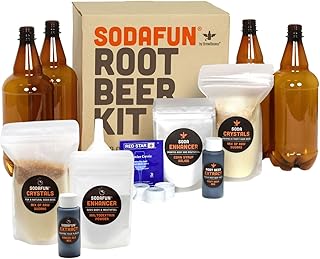
Carbonation: Root beer is carbonated using carbon dioxide, giving it its characteristic fizz and bubbles
Root beer's signature effervescence is a result of carbonation, a process where carbon dioxide gas is dissolved in the liquid under pressure. This method not only creates the delightful fizz that root beer is known for but also enhances the beverage's flavor profile by adding a slight acidity. The carbonation process typically occurs after the root beer has been brewed and sweetened, ensuring that the gas is evenly distributed throughout the liquid.
The level of carbonation in root beer can vary depending on the brand and brewing method. Some root beers are lightly carbonated, producing a gentle fizz, while others are more heavily carbonated, resulting in a vigorous, bubbly texture. The carbonation level is carefully controlled during the bottling or canning process to maintain consistency and quality.
Carbon dioxide is the primary gas used for carbonating root beer, but other gases like nitrogen can also be employed to achieve a smoother, creamier texture. The choice of gas can influence the overall mouthfeel and taste of the root beer. For instance, nitrogen-infused root beers often have a more velvety, rich texture compared to their carbon dioxide-carbonated counterparts.
The carbonation process also plays a crucial role in preserving the root beer's freshness. The dissolved carbon dioxide acts as a natural preservative, inhibiting the growth of bacteria and other microorganisms that could spoil the beverage. This is particularly important for root beers that are bottled or canned without artificial preservatives.
In summary, carbonation is a key component of root beer, contributing to its distinctive fizz, flavor, and texture. The process involves dissolving carbon dioxide in the liquid under pressure, which not only creates the characteristic bubbles but also helps to preserve the beverage's freshness. The level and type of carbonation can vary, offering a range of sensory experiences for root beer enthusiasts.
Exploring Coca-Cola's Root Beer: A Fizzy Journey Through Flavors
You may want to see also
Explore related products


Artificial Ingredients: Some modern root beers contain artificial flavors, colors, and preservatives to extend shelf life
Artificial ingredients have become a contentious topic in the food and beverage industry, and root beer is no exception. Some modern root beers contain artificial flavors, colors, and preservatives to extend shelf life and enhance taste. These additives can include synthetic vanillin, caramel color, and sodium benzoate, among others. While these ingredients may improve the product's appearance and longevity, they have also raised concerns about potential health risks.
One of the primary concerns with artificial ingredients in root beer is their impact on health. Synthetic flavors and colors have been linked to various health issues, including allergies, hyperactivity, and even cancer in some cases. Preservatives like sodium benzoate can also be problematic, as they may contribute to the development of certain diseases or conditions. As a result, many consumers are seeking out root beers made with natural ingredients, which are perceived as being healthier and safer.
Another issue with artificial ingredients in root beer is their environmental impact. The production and disposal of synthetic additives can contribute to pollution and waste, which can harm the environment and wildlife. In contrast, natural ingredients are often more sustainable and eco-friendly, as they are derived from renewable resources and are biodegradable.
Despite these concerns, artificial ingredients remain common in many root beers due to their cost-effectiveness and convenience. Manufacturers can produce synthetic flavors and colors more cheaply and easily than their natural counterparts, which can help to keep production costs down and make the final product more affordable for consumers. Additionally, artificial preservatives can help to extend the shelf life of root beer, reducing waste and ensuring that the product remains fresh for longer periods.
In conclusion, the use of artificial ingredients in root beer is a complex issue with both benefits and drawbacks. While these additives can improve the taste, appearance, and longevity of the product, they also raise concerns about health and environmental impacts. As a result, consumers may choose to seek out root beers made with natural ingredients, which are perceived as being healthier and more sustainable. However, the cost-effectiveness and convenience of artificial ingredients ensure that they will likely remain a common feature of many root beers for the foreseeable future.
Exploring Caffeine-Free Root Beer Options: A Comprehensive Guide
You may want to see also
Explore related products

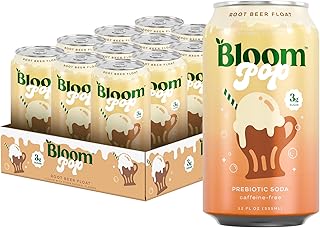


Variations: Different brands and homemade recipes may include unique ingredients like ginger, cloves, or cinnamon for distinct flavors
Root beer is a classic North American soft drink known for its rich, creamy flavor and deep brown color. While the traditional recipe includes ingredients like sassafras, sarsaparilla, and wintergreen, variations in both commercial and homemade versions often incorporate unique spices and flavorings to create distinct profiles. For instance, some brands and home brewers add ginger for a spicy kick, cloves for a warm, aromatic note, or cinnamon for a sweet, woody undertone.
The inclusion of these additional ingredients not only enhances the complexity of the flavor but also reflects regional preferences and cultural influences. In some parts of the United States, for example, root beer is often flavored with vanilla or nutmeg, while in Canada, maple syrup might be used to add a touch of sweetness. Homemade recipes, in particular, offer a wide range of possibilities for experimentation, allowing brewers to tailor the drink to their personal tastes.
When making root beer at home, it's important to consider the balance of flavors and the potential impact of each ingredient on the overall taste. For example, adding too much ginger can result in a drink that is overpoweringly spicy, while using too little cinnamon may not provide enough warmth to complement the other flavors. Experimenting with different ratios and combinations can help achieve the desired result.
In addition to traditional root beer ingredients, some variations may also include caffeine or artificial sweeteners to cater to different consumer preferences. However, these additions can significantly alter the taste and character of the drink, so it's essential to choose ingredients that align with the desired flavor profile.
Overall, the versatility of root beer as a beverage allows for endless creativity and innovation in its preparation. Whether you prefer a classic recipe or a unique twist, the key to making great root beer lies in understanding the interplay of flavors and ingredients.
Sipping on Nostalgia: The Ultimate Root Beer Showdown
You may want to see also
Frequently asked questions
The main ingredients in root beer typically include carbonated water, high fructose corn syrup or sugar, caramel color, phosphoric acid, natural and artificial flavors, and caffeine. Some root beers may also contain additional ingredients like vanilla, licorice, or other spices.
Despite its name, root beer is not made from actual roots. The "root" in root beer comes from the sassafras root, which was originally used to flavor the drink. However, sassafras was banned by the FDA in the 1960s due to potential health risks, and modern root beers use artificial flavors to replicate the taste.
Most commercial root beers are non-alcoholic and contain no alcohol by volume (ABV). However, there are some craft root beers that do contain a small amount of alcohol, typically around 0.5% to 2% ABV.
Root beer is distinct from other sodas due to its unique flavor profile, which is often described as sweet, creamy, and slightly spicy. It is also typically darker in color than other sodas, due to the caramel color added during the manufacturing process. Additionally, root beer is often associated with traditional American culture and is sometimes used in cooking and baking.