Lucy Palmer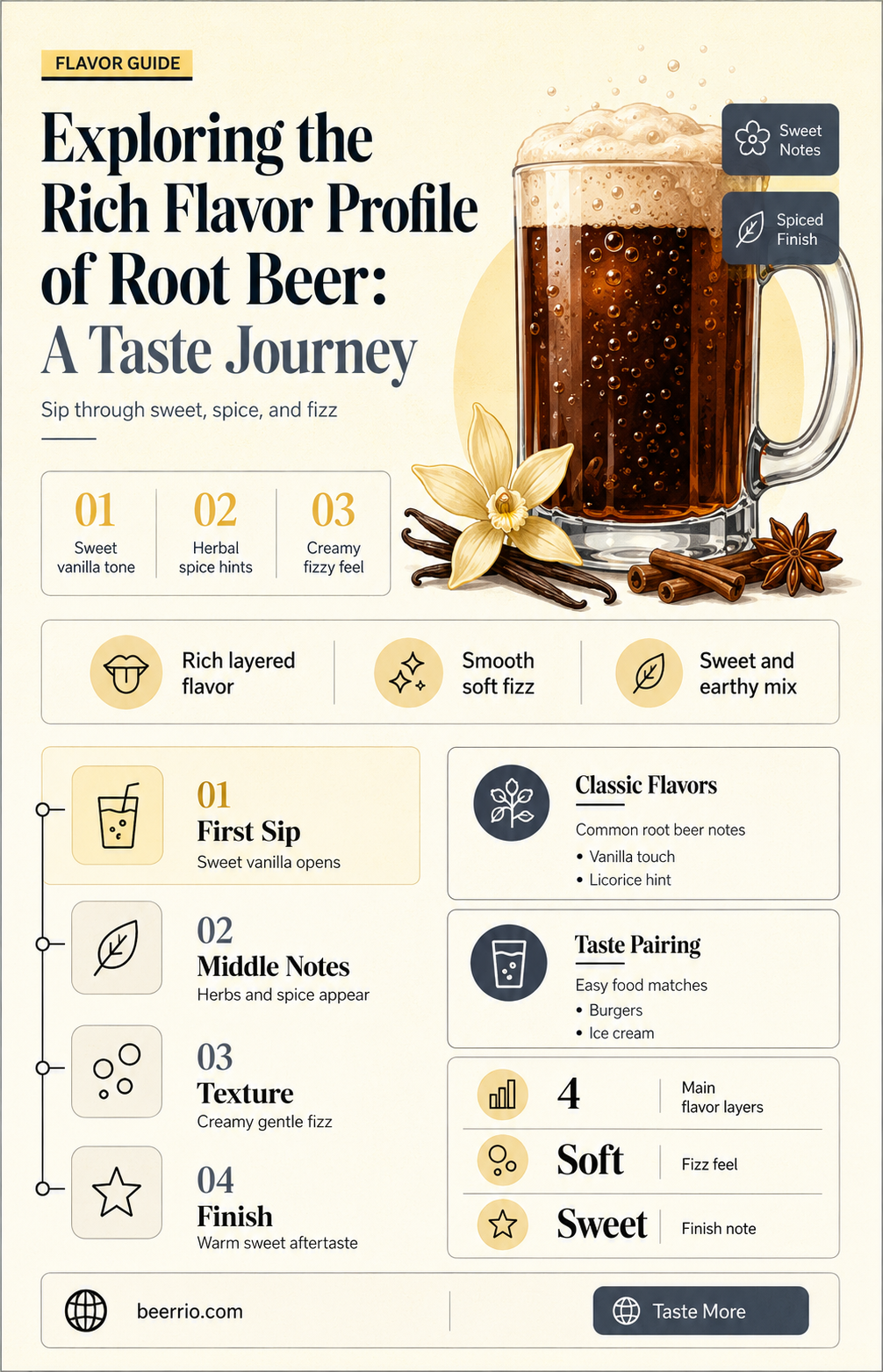
Root beer is a sweet, traditionally non-alcoholic beverage originally made using the root bark of the sassafras tree or the vine of Smilax ornata (sarsaparilla) for flavor. Its taste profile is complex and rich, often described as a harmonious blend of sweet and spicy notes. The sweetness comes from added sugars, while the spiciness is derived from a variety of flavorings that can include cinnamon, nutmeg, cloves, and vanilla. Some root beers also have hints of licorice, caramel, or molasses, contributing to their deep, robust flavor. The overall taste is creamy and smooth, with a slightly foamy texture when poured, making it a popular choice for those who enjoy a nostalgic, comforting drink.
Explore related products




What You'll Learn
- Sweetness: Root beer is known for its rich, sweet flavor, often balanced with a hint of bitterness
- Spices: Traditional root beers are flavored with a blend of spices, including cinnamon, nutmeg, and cloves
- Carbonation: The fizzy, bubbly sensation is a key characteristic, providing a refreshing and lively mouthfeel
- Herbal Notes: Some root beers incorporate herbal elements like sassafras or sarsaparilla, adding depth to the flavor
- Vanilla Undertones: A subtle vanilla note is often present, complementing the overall sweet and spicy profile

Sweetness: Root beer is known for its rich, sweet flavor, often balanced with a hint of bitterness
Root beer's sweetness is its defining characteristic, a rich and indulgent flavor that immediately captures the senses. This sweetness is derived from a combination of natural and artificial sweeteners, which vary depending on the brand and recipe. Historically, root beer was sweetened with ingredients like molasses, brown sugar, and honey, which imparted a deep, caramel-like sweetness. Today, many commercial root beers use high fructose corn syrup or cane sugar to achieve a similar effect.
The sweetness of root beer is often balanced by a subtle hint of bitterness, which comes from the bark of the sassafras tree, a key ingredient in traditional root beer recipes. This bitterness serves to cut through the richness of the sweetness, creating a more complex and satisfying flavor profile. Some root beers also incorporate other bittering agents, such as hops or gentian root, to further enhance this balance.
In addition to its sweetness and bitterness, root beer is known for its creamy texture and frothy head, which are achieved through the addition of carbon dioxide and other ingredients like guar gum or carrageenan. This effervescence adds a refreshing quality to the drink, making it a popular choice for hot summer days or as a complement to rich, savory foods.
When it comes to the sweetness of root beer, it's important to note that not all root beers are created equal. Some brands may be sweeter than others, depending on the recipe and ingredients used. For those who prefer a less sweet option, there are also diet or low-calorie root beers available, which use artificial sweeteners to reduce the sugar content without sacrificing flavor.
Overall, the sweetness of root beer is a key component of its unique taste, and one that has been carefully crafted and refined over time. Whether enjoyed on its own or as a mixer in cocktails, root beer's rich, sweet flavor continues to be a favorite among soda enthusiasts around the world.
Sarsaparilla Serenade: The Root Beer with a Bridge to Nostalgia
You may want to see also
Explore related products
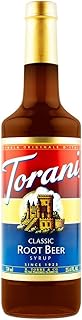


Spices: Traditional root beers are flavored with a blend of spices, including cinnamon, nutmeg, and cloves
Traditional root beers are renowned for their complex and robust flavor profiles, which are primarily derived from a carefully crafted blend of spices. Among these, cinnamon, nutmeg, and cloves stand out as the key contributors to the distinctive taste of root beer. Cinnamon, with its warm and sweet notes, adds a comforting depth to the beverage. Nutmeg, on the other hand, introduces a subtle, nutty undertone that complements the sweetness of the cinnamon. Cloves, with their pungent and slightly bitter flavor, provide a sharp contrast that balances the overall taste.
The combination of these spices creates a harmonious blend that is both invigorating and soothing. The warmth of the cinnamon and the richness of the nutmeg are perfectly offset by the spicy kick of the cloves. This intricate balance of flavors is what gives traditional root beers their unique and enduring appeal. The spices not only enhance the taste but also contribute to the aromatic experience, making root beer a sensory delight.
In addition to these primary spices, traditional root beer recipes often include other ingredients such as sassafras, sarsaparilla, and vanilla. These components add further layers of complexity to the flavor profile, creating a rich and satisfying beverage. The sassafras, for instance, imparts a slightly peppery and earthy note, while sarsaparilla contributes a sweet and slightly bitter taste. Vanilla, with its creamy and aromatic flavor, rounds out the edges and adds a touch of elegance to the overall composition.
The art of crafting traditional root beer lies in the precise blending of these spices and other ingredients. Each element must be carefully measured and balanced to achieve the perfect harmony of flavors. This meticulous process is what sets traditional root beers apart from their modern counterparts, which often rely on artificial flavorings and preservatives. The result is a beverage that is not only delicious but also steeped in history and tradition.
In conclusion, the unique taste of traditional root beer is a testament to the skillful blending of spices such as cinnamon, nutmeg, and cloves. These ingredients, along with others like sassafras, sarsaparilla, and vanilla, create a complex and satisfying flavor profile that has captivated taste buds for generations. The careful crafting of root beer is an art form that requires precision, patience, and a deep understanding of the interplay between different flavors. This dedication to quality and tradition is what makes root beer a beloved and enduring beverage.
Unveiling the Secret Ingredients: What Makes Root Beer So Unique?
You may want to see also
Explore related products


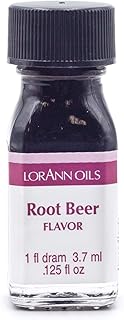


Carbonation: The fizzy, bubbly sensation is a key characteristic, providing a refreshing and lively mouthfeel
The effervescent quality of root beer is one of its most defining features. Carbonation creates a fizzy, bubbly sensation that dances on the tongue, providing a refreshing and lively mouthfeel. This is achieved through the release of carbon dioxide gas, which is dissolved in the liquid under pressure. When the bottle or can is opened, the pressure is released, allowing the gas to escape and form the characteristic bubbles.
The level of carbonation in root beer can vary depending on the brand and brewing process. Some root beers are more heavily carbonated, resulting in a sharper, more pronounced fizz. Others may have a lighter, more subtle effervescence. The carbonation level can also affect the overall flavor profile of the root beer, as the bubbles can carry the flavors of the various ingredients used in the brewing process.
In addition to providing a pleasant mouthfeel, carbonation can also help to cleanse the palate between sips. This makes root beer a popular choice for pairing with rich, savory foods, as the bubbles can help to cut through the heaviness and refresh the taste buds. The carbonation in root beer can also make it a satisfying drink for those who enjoy a bit of fizz in their beverages.
Overall, the carbonation in root beer plays a crucial role in defining its taste and texture. The fizzy, bubbly sensation is a key characteristic that sets root beer apart from other soft drinks and contributes to its unique and enjoyable drinking experience.
Unveiling Taco Bell's Root Beer Choice: A Flavorful Surprise!
You may want to see also
Explore related products


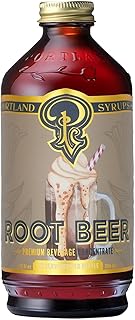
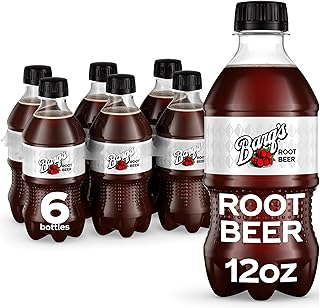
Herbal Notes: Some root beers incorporate herbal elements like sassafras or sarsaparilla, adding depth to the flavor
Sassafras and sarsaparilla are two herbal elements that have been traditionally used in root beer recipes to add complexity and depth to the flavor profile. Sassafras, derived from the bark of the sassafras tree, contributes a distinctive spicy and slightly sweet taste, reminiscent of licorice. Sarsaparilla, on the other hand, is a vine that imparts a rich, earthy flavor with hints of vanilla and caramel. These herbs not only enhance the overall taste but also provide a unique aromatic quality that sets certain root beers apart from their more conventional counterparts.
The use of these herbs dates back to the early days of root beer brewing, when they were commonly found in small-batch, homemade recipes. Today, while many commercial root beers have moved away from using real herbs in favor of artificial flavorings, some craft breweries and artisanal soda makers still incorporate sassafras and sarsaparilla into their recipes to create a more authentic and nuanced flavor experience.
When tasting a root beer that includes these herbal elements, one might notice a more pronounced and layered flavor profile. The initial sweetness of the sassafras can give way to the deeper, more complex notes of the sarsaparilla, creating a balanced and satisfying taste. Additionally, the aromatic qualities of these herbs can enhance the sensory experience, making the root beer more enjoyable to drink.
For those interested in exploring the world of herbal root beers, it's worth seeking out brands that use real sassafras and sarsaparilla in their recipes. These root beers often have a more artisanal and handcrafted quality, and they can provide a fascinating glimpse into the rich history and tradition of root beer brewing. Whether enjoyed on their own or used as a mixer in cocktails, herbal root beers offer a unique and flavorful twist on a classic beverage.
Exploring Coca-Cola's Root Beer Offerings: A Flavorful Journey
You may want to see also
Explore related products


Vanilla Undertones: A subtle vanilla note is often present, complementing the overall sweet and spicy profile
The subtle vanilla note in root beer is a nuanced flavor component that often goes unnoticed but plays a crucial role in balancing the beverage's overall taste profile. This undertone of vanilla complements the predominant sweet and spicy flavors, adding a layer of complexity to the drink. The vanilla essence is typically derived from natural sources, such as vanilla beans or synthetic flavorings designed to mimic the natural taste.
In the context of root beer, the vanilla undertones serve to mellow the robust flavors of sassafras and other spices, creating a smoother and more harmonious drinking experience. The sweetness of the vanilla also helps to counterbalance the slight bitterness that can sometimes be present in the spice blend, resulting in a well-rounded flavor profile.
When evaluating the taste of root beer, it's essential to pay attention to these subtle notes, as they contribute significantly to the beverage's character. The vanilla undertones can vary in intensity depending on the brand and recipe, with some root beers featuring a more pronounced vanilla flavor than others. This variation allows for a diverse range of taste experiences within the root beer category, catering to different preferences and palates.
To fully appreciate the vanilla undertones in root beer, it's recommended to taste the beverage slowly and mindfully, allowing the flavors to develop on the palate. This approach will enable you to discern the subtle nuances of vanilla and how they interact with the other flavor components, enhancing your overall enjoyment of the drink.
Exploring Culver's Root Beer: A Sweet Journey Through Flavors
You may want to see also
Frequently asked questions
Root beer has a sweet and creamy flavor profile with a distinctive blend of spices, including sassafras, vanilla, and cinnamon. It often has a slight bitterness from the bark of the sassafras tree, which is a key ingredient.
While both root beer and cola are carbonated soft drinks, they have distinct flavors. Root beer is typically sweeter and has a more complex spice profile, whereas cola is characterized by its caramel-like sweetness and caffeine content.
Traditionally, root beer is a non-alcoholic beverage. However, there are some variations, such as "hard root beer," which contain alcohol. It's essential to check the label to determine if a specific brand contains alcohol.
The main ingredients in root beer include carbonated water, sugar or high fructose corn syrup, caramel color, phosphoric acid, natural and artificial flavors, and caffeine. Some brands may also include spices like sassafras, vanilla, and cinnamon.
Yes, it's possible to make root beer at home using various recipes that involve brewing sassafras bark, spices, and sugar. However, it's important to note that homemade root beer may not have the same carbonation and consistency as commercially produced versions.