Jason Wagner
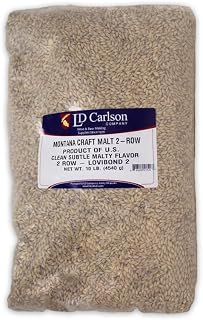
The main grain used for brewing beer is barley. Barley is a versatile cereal grain that has been cultivated for thousands of years and is well-suited for brewing due to its high starch content and ability to germinate easily. During the brewing process, barley is malted, which involves soaking the grains in water to initiate germination. This process converts the starches in the barley into fermentable sugars, which are then used by yeast to produce alcohol and carbon dioxide. Barley can be used in various forms, including whole grains, crushed grains, or ground into flour, and it contributes significantly to the flavor, body, and alcohol content of the final beer product.
Explore related products


What You'll Learn
- Barley: The most common grain used in beer brewing, providing maltose for fermentation
- Wheat: Used for its light, refreshing taste and cloudy appearance in beers like Hefeweizen
- Rye: Adds a spicy, earthy flavor to beers such as Roggenbier and some IPAs
- Corn: Often used as an adjunct grain to lighten the body and flavor of beers
- Rice: Another adjunct grain, used to create a crisp, clean taste in some lagers and ales

Barley: The most common grain used in beer brewing, providing maltose for fermentation
Barley stands as the cornerstone of beer brewing, a grain that has been cultivated for millennia specifically for its ability to provide the necessary sugars for fermentation. Its prevalence in the brewing industry is due to its unique composition and the process it undergoes before becoming the base of our beloved brews.
The barley used in brewing is typically malted, a process that involves soaking the grain in water to initiate germination. This germination process is crucial as it activates enzymes within the barley that convert its starches into fermentable sugars, primarily maltose. The maltose is what yeast feeds on during fermentation, producing alcohol and carbon dioxide as byproducts.
There are several varieties of barley used in brewing, each with its own characteristics that can influence the flavor, color, and body of the beer. Two-row barley, for instance, is known for its lower protein content and is often used for lighter beers, while six-row barley has a higher protein content and is favored for darker, more robust beers.
The choice of barley can significantly impact the brewing process. Factors such as the barley's moisture content, its protein composition, and the degree of roasting can all affect the efficiency of the mash, the clarity of the wort, and ultimately, the taste of the beer. Brewers must carefully select their barley to ensure they achieve the desired outcome in their final product.
In recent years, there has been a growing interest in using alternative grains in brewing, such as wheat, rye, and even quinoa. However, barley remains the most widely used grain due to its reliability, availability, and the traditional brewing methods that have been developed around it. Its role in providing the necessary sugars for fermentation is unparalleled, making it an essential component in the vast majority of beers produced worldwide.
Unlocking the Perfect Brew: The Ideal pH Level for Beer Making
You may want to see also
Explore related products


Wheat: Used for its light, refreshing taste and cloudy appearance in beers like Hefeweizen
Wheat is a versatile grain that has been used in brewing for centuries. It is particularly prized for its ability to impart a light, refreshing taste and a distinctive cloudy appearance to beers such as Hefeweizen. This German-style wheat beer is known for its crisp, citrusy flavors and its hazy, golden-yellow color, which is a result of the wheat proteins and yeast remaining in suspension.
One of the key characteristics of wheat is its high protein content, which contributes to the cloudy appearance of wheat beers. During the brewing process, these proteins are denatured and coagulate, forming complexes with the yeast and other compounds in the beer. This results in a beer that is not only visually appealing but also has a smooth, creamy mouthfeel.
Wheat is also a good source of fermentable sugars, which are essential for the yeast to produce alcohol and carbonation. The fermentation process for wheat beers is typically carried out at lower temperatures than for other types of beer, which helps to preserve the delicate flavors and aromas of the wheat. This results in a beer that is light and refreshing, with a subtle sweetness and a hint of tartness.
In addition to its use in Hefeweizen, wheat is also used in a variety of other beer styles, including Belgian witbiers, American wheat ales, and even some stouts and porters. The versatility of wheat makes it a popular choice for brewers looking to create unique and flavorful beers.
When brewing with wheat, it is important to consider the specific characteristics of the grain and how they will affect the final product. For example, the high protein content of wheat can lead to a more viscous wort, which may require adjustments to the brewing process. Additionally, the delicate flavors of wheat can be easily overwhelmed by strong hops or other ingredients, so it is important to strike a balance when formulating a wheat beer recipe.
Overall, wheat is a valuable ingredient in the world of brewing, offering a range of flavors and textures that can be used to create a diverse array of beers. Whether you're a homebrewer or a professional brewer, working with wheat can be a rewarding experience that allows you to explore new and exciting flavor profiles.
Exploring the Rich World of Nitro Brew Beer: A Comprehensive Guide
You may want to see also
Explore related products


Rye: Adds a spicy, earthy flavor to beers such as Roggenbier and some IPAs
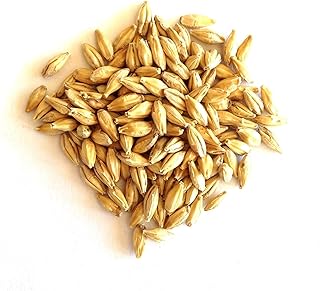
Rye is a versatile grain that imparts a distinctive spicy and earthy flavor profile to various beer styles, most notably Roggenbier and certain India Pale Ales (IPAs). In the realm of brewing, rye stands out for its ability to add complexity and depth to the beer's taste, often contributing notes of pepper, clove, and sometimes a hint of sweetness.
Roggenbier, a traditional German beer style, is brewed with a significant proportion of rye, typically ranging from 50% to 70% of the total grain bill. This high rye content results in a beer that is rich in flavor, with a pronounced spicy character and a slightly tart finish. The use of rye in Roggenbier is rooted in historical brewing practices, where rye was a readily available and cost-effective alternative to barley.
In the context of IPAs, rye can be used to add a unique twist to the classic hop-forward flavor profile. Rye IPAs, sometimes referred to as "Rye PAs," combine the spicy and earthy notes of rye with the bold, citrusy, and floral characteristics of hops. This combination creates a beer that is both refreshing and complex, appealing to those who enjoy a balance of malt and hop flavors.
When incorporating rye into a beer recipe, brewers must consider the grain's impact on the overall flavor and mouthfeel. Rye can contribute to a drier finish and a slightly higher alcohol content, as it is more fermentable than barley. Additionally, rye can affect the beer's color, imparting a reddish or amber hue depending on the variety and roasting level.
In conclusion, rye is a valuable ingredient in the brewer's toolkit, offering a range of flavors and characteristics that can enhance the complexity and appeal of various beer styles. Whether used as the primary grain in Roggenbier or as a complementary ingredient in IPAs, rye's spicy and earthy notes provide a unique and enjoyable drinking experience.
Exploring Singapore's Inaugural Brew: A Taste of Local Craftsmanship
You may want to see also
Explore related products


Corn: Often used as an adjunct grain to lighten the body and flavor of beers
Corn, often used as an adjunct grain in brewing, plays a significant role in lightening both the body and flavor of beers. This is particularly important in the context of beer brewing, where the main grain used is typically barley. Barley provides the necessary sugars for fermentation and contributes to the beer's body, flavor, and color. However, the use of corn as an adjunct grain can help to dilute the intensity of these characteristics, resulting in a lighter, more refreshing beer.
One of the primary reasons corn is used in brewing is its ability to reduce the overall calorie content of the beer. Corn is a more fermentable grain than barley, meaning that it can be converted into alcohol more efficiently. This results in a beer that is lower in calories and carbohydrates, making it a popular choice for those who are health-conscious or looking for a lighter drinking option.
In addition to its impact on the beer's body, corn also affects the flavor profile. Corn can contribute a subtle sweetness to the beer, which can help to balance out the bitterness from the hops. This sweetness is often more noticeable in lighter beers, such as lagers and pilsners, where the malt flavors are less pronounced.
When using corn as an adjunct grain, brewers must be careful to ensure that it does not negatively impact the beer's quality. Corn can sometimes impart a grainy or harsh flavor to the beer if it is not properly processed or if it is used in too high a proportion. To avoid this, brewers typically use corn in moderation and ensure that it is well-milled and properly steeped during the mashing process.
Overall, the use of corn as an adjunct grain in brewing can be a valuable tool for creating lighter, more refreshing beers. By understanding the role that corn plays in the brewing process and how it interacts with other ingredients, brewers can create beers that are both flavorful and appealing to a wide range of palates.
Exploring the Fermentation Vessels: Where Beer Comes to Life
You may want to see also
Explore related products


Rice: Another adjunct grain, used to create a crisp, clean taste in some lagers and ales
Rice, while not the primary grain used in brewing beer, plays a significant role as an adjunct grain in certain styles. Its use is particularly notable in the production of some lagers and ales, where it contributes to a crisp, clean taste profile. Unlike barley, which is the main grain for brewing and provides the necessary sugars for fermentation, rice is typically used in smaller quantities to supplement the base grain.
One of the key benefits of using rice in brewing is its ability to lighten the body and flavor of the beer. This is especially desirable in the production of lagers, where a clean, refreshing taste is often the goal. Rice can also help to balance the sweetness of the beer, as it ferments more completely than barley, leaving fewer residual sugars.
In terms of brewing process, rice is usually added to the mash along with barley and other adjuncts. It requires a shorter mashing time than barley, which can help to streamline the brewing process. However, care must be taken to ensure that the rice is properly cooked, as undercooked rice can lead to off-flavors in the finished beer.
While rice is not as widely used as other adjunct grains like corn or wheat, it has a dedicated following among brewers who appreciate its unique contributions to beer flavor and body. In some regions, particularly in Asia, rice is a more common brewing ingredient and is used to produce a variety of traditional beer styles.
Overall, the use of rice in brewing offers a range of benefits, from lightening the body of the beer to balancing its flavor profile. By understanding the role of rice in the brewing process, brewers can better utilize this versatile grain to create beers with distinct and appealing characteristics.
Exploring the Rich World of Nitro Cold Brew Beer
You may want to see also
Frequently asked questions
The main grain used for brewing beer is barley. Barley is favored for its high starch content, which is essential for fermentation, and its ability to provide a rich flavor and body to the beer.
Barley is preferred over other grains for beer brewing because it has a high starch content that converts well to sugars during the mashing process. These sugars are then fermented by yeast to produce alcohol. Additionally, barley contributes to the beer's flavor, aroma, and body, making it a versatile and popular choice among brewers.
Yes, other grains can be used in beer brewing. While barley is the most common, grains like wheat, rye, oats, and even rice or corn can be used. These alternative grains can add unique flavors, textures, and characteristics to the beer, allowing for a wide variety of styles and tastes.
The choice of grain significantly affects the final taste of the beer. Different grains contribute different flavors, aromas, and textures. For example, barley can provide a rich, malty flavor, while wheat might add a light, crisp taste. Rye can introduce spicy notes, and oats can give the beer a smooth, creamy mouthfeel. The combination and proportion of grains used in a recipe determine the beer's overall profile and complexity.