Jason Wagner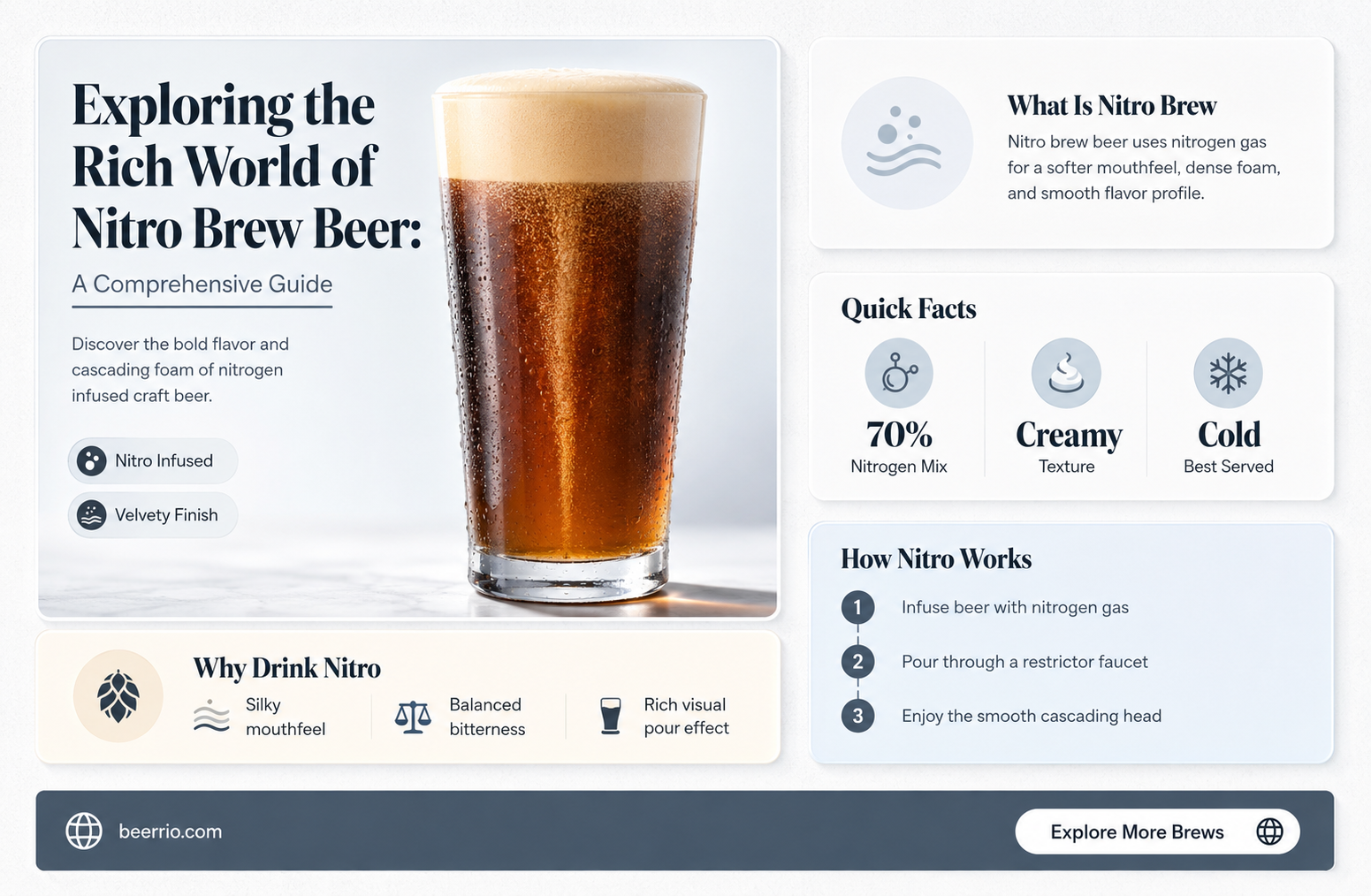
Nitro brew beer is a type of beer that is infused with nitrogen gas instead of the traditional carbon dioxide. This brewing method results in a smoother, creamier texture and a more velvety mouthfeel. The nitrogen infusion also helps to reduce the beer's bitterness and enhances its natural flavors, making it a popular choice among beer enthusiasts. Nitro brew beers are often served in specialized kegs or cans that are designed to maintain the nitrogen pressure, ensuring that the beer retains its unique characteristics until it is poured.
Explore related products



What You'll Learn
- Definition: Nitro brew beer is a type of beer that uses nitrogen gas instead of carbon dioxide for carbonation
- Characteristics: It has a creamy, smooth texture and a rich, full-bodied flavor profile with low bitterness
- Brewing Process: The brewing process involves adding nitrogen gas to the beer during the fermentation process
- Serving Method: Nitro brew beer is typically served in a glass with a wide mouth to enhance its aroma
- Popular Types: Some popular types of nitro brew beer include stouts, porters, and pale ales

Definition: Nitro brew beer is a type of beer that uses nitrogen gas instead of carbon dioxide for carbonation
Nitro brew beer, a variant of traditional beer, distinguishes itself through the use of nitrogen gas for carbonation, as opposed to the more commonly used carbon dioxide. This method imparts a unique texture and flavor profile to the beer, often described as smoother and creamier with a cascading effect when poured. The nitrogen infusion can also enhance the beer's stability, reducing the likelihood of oxidation and spoilage, which contributes to a longer shelf life.
The process of creating nitro brew beer involves several key steps. Initially, the beer is brewed using traditional methods, involving the fermentation of grains, typically barley, with yeast. Once the fermentation process is complete, nitrogen gas is introduced into the beer under pressure. This can be done through various methods, including direct injection or by using a nitrogen-infused keg system. The nitrogen dissolves in the beer, creating the characteristic effervescence and mouthfeel associated with nitro brews.
One of the notable advantages of nitro brew beer is its ability to deliver a consistent taste and quality over time. Unlike carbon dioxide, which can escape from the beer relatively quickly, nitrogen remains dissolved for a longer period, ensuring that the beer retains its intended flavor and texture. This stability makes nitro brew beers particularly appealing for distribution and sale, as they can maintain their quality without the need for immediate consumption.
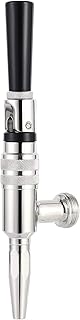
In terms of serving, nitro brew beers are often dispensed using specialized taps or keg systems designed to maintain the nitrogen infusion. The pouring process can be an experience in itself, with the beer exhibiting a mesmerizing cascade effect as the nitrogen bubbles rise to the surface, creating a visually appealing and appetizing presentation.
Overall, nitro brew beer represents an innovative approach to beer production, offering a unique combination of taste, texture, and stability. Its growing popularity among beer enthusiasts and brewers alike is a testament to the distinct qualities that nitrogen carbonation can impart to this beloved beverage.
Crafting Brews: Essential Ingredients and Equipment for Beer Making
You may want to see also
Explore related products


Characteristics: It has a creamy, smooth texture and a rich, full-bodied flavor profile with low bitterness
Nitro brew beer is characterized by its creamy, smooth texture and rich, full-bodied flavor profile with low bitterness. This unique combination of characteristics sets it apart from traditional brewing methods and contributes to its growing popularity among beer enthusiasts.
The creamy texture of nitro brew beer is a result of the nitrogen infusion process, which replaces the carbon dioxide typically used in brewing. Nitrogen bubbles are smaller and more stable than carbon dioxide bubbles, creating a smoother mouthfeel and a more velvety texture. This is often described as a "silky" or "luscious" sensation that enhances the overall drinking experience.
In terms of flavor, nitro brew beer offers a rich and full-bodied profile that is less bitter than its carbonated counterparts. The nitrogen infusion process helps to suppress the bitterness that can sometimes be associated with hops, allowing the other flavors in the beer to shine through. This results in a more balanced and complex taste, with notes of chocolate, coffee, and caramel often being more pronounced.
One of the key benefits of nitro brew beer is its ability to showcase the true flavors of the ingredients used in the brewing process. The smooth texture and low bitterness allow the subtle nuances of the malt, hops, and yeast to be more easily detected by the palate. This makes nitro brew beer an excellent choice for those who appreciate the art and science of brewing and want to fully experience the flavors that each ingredient brings to the table.
In conclusion, the characteristics of nitro brew beer – its creamy, smooth texture and rich, full-bodied flavor profile with low bitterness – make it a unique and appealing option for beer lovers. The nitrogen infusion process not only enhances the mouthfeel but also allows the true flavors of the ingredients to shine through, creating a more balanced and complex taste experience.
Explore related products



Brewing Process: The brewing process involves adding nitrogen gas to the beer during the fermentation process
The brewing process for nitro brew beer is a fascinating blend of traditional brewing techniques and modern innovation. At its core, nitro brewing involves the infusion of nitrogen gas into the beer during the fermentation process. This is a departure from the conventional brewing methods that primarily use carbon dioxide. The addition of nitrogen serves several purposes: it enhances the beer's mouthfeel, creating a creamy and smooth texture, and it also contributes to a more stable and longer-lasting head of foam.
The process begins with the standard brewing steps, where malted barley is mashed, and the resulting wort is boiled with hops. However, the key difference in nitro brewing comes during the fermentation stage. Here, nitrogen gas is introduced into the fermenter along with the yeast. The yeast consumes the sugars in the wort, producing alcohol and carbon dioxide as byproducts. The nitrogen gas, being less soluble in water than carbon dioxide, remains in the beer, providing the characteristic smoothness and velvety texture that nitro brew beers are known for.
One of the challenges in nitro brewing is controlling the amount of nitrogen infused into the beer. Too much nitrogen can result in a beer that feels flat or lacks the desired carbonation, while too little may not achieve the creamy texture that nitro brews are prized for. Brewers must carefully monitor the nitrogen levels and adjust them as needed to achieve the perfect balance.
Another important aspect of nitro brewing is the serving method. Nitro beers are typically served using a specialized tap system that ensures the beer is dispensed with the right amount of nitrogen. This often results in a beer that has a cascading, creamy pour, which is visually appealing and enhances the drinking experience.
In summary, the brewing process for nitro brew beer involves the careful addition of nitrogen gas during fermentation, precise control of nitrogen levels, and a unique serving method that highlights the beer's smooth and creamy characteristics. This innovative approach to brewing has gained popularity among craft beer enthusiasts and has opened up new possibilities for beer styles and flavors.
Explore related products


Serving Method: Nitro brew beer is typically served in a glass with a wide mouth to enhance its aroma
Nitro brew beer is typically served in a glass with a wide mouth to enhance its aroma. This serving method is crucial because the aroma of nitro brew beer is one of its most distinctive features. The wide mouth of the glass allows the beer's aroma to be fully appreciated, as it can spread out and be inhaled more easily. This is particularly important for nitro brew beers, which often have a more complex and nuanced aroma profile than traditional beers.
When serving nitro brew beer, it's also important to consider the temperature. Nitro brew beers are typically served colder than traditional beers, at around 40-45°F (4-7°C). This cold temperature helps to preserve the beer's aroma and flavor, and also creates a smoother, creamier texture. To achieve the perfect temperature, it's best to chill the beer in a refrigerator or cooler for at least an hour before serving.
Another key aspect of serving nitro brew beer is the pour. Nitro brew beers are often poured using a special tap that injects nitrogen into the beer as it's being poured. This nitrogen infusion helps to create a creamy, smooth texture and enhances the beer's aroma. When pouring nitro brew beer, it's important to hold the glass at an angle and pour the beer slowly, allowing the nitrogen to mix with the beer and create the desired texture.
Finally, it's important to consider the glassware when serving nitro brew beer. While a wide-mouthed glass is ideal for enhancing the aroma, it's also important to use a glass that is sturdy and can withstand the cold temperature of the beer. Some breweries recommend using a tulip-shaped glass, which helps to trap the aroma and also provides a comfortable grip for the drinker.
In summary, serving nitro brew beer requires careful consideration of the glassware, temperature, and pouring method. By following these guidelines, you can ensure that the beer's unique aroma and flavor profile are fully appreciated, and that the drinker has the best possible experience.
Explore related products


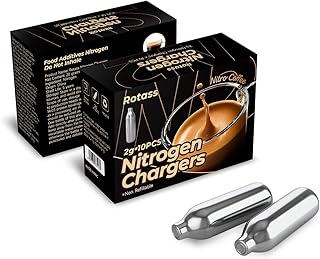
Popular Types: Some popular types of nitro brew beer include stouts, porters, and pale ales
Nitro brew beer has gained popularity in recent years, and with it, certain styles have emerged as favorites among enthusiasts. Stouts, porters, and pale ales are at the forefront of this trend, each offering a unique flavor profile that is enhanced by the nitro brewing process.
Stouts, known for their rich, dark color and robust flavor, are a natural fit for nitro brewing. The addition of nitrogen gas during the brewing process gives stouts a creamy, smooth texture that complements their bold flavors of coffee, chocolate, and caramel. This combination has made nitro stouts a sought-after treat for craft beer aficionados.
Porters, similar to stouts in their dark color and malty flavor, also benefit from the nitro brewing method. The nitrogen infusion adds a velvety mouthfeel to porters, accentuating their notes of roasted malt, toffee, and dark fruit. This enhanced texture and flavor complexity have elevated porters to a new level, making them a popular choice for those looking to explore the world of nitro brew beers.
Pale ales, on the other hand, offer a lighter, more refreshing option for nitro brew enthusiasts. The nitrogen gas used in the brewing process gives pale ales a silky, smooth finish that balances their hoppy bitterness and citrusy aroma. This unique combination of flavors and textures has made nitro pale ales a favorite among those who prefer a lighter beer without sacrificing complexity.
In conclusion, the popularity of nitro brew beers can be attributed to the unique flavor profiles and textures that result from the brewing process. Stouts, porters, and pale ales are just a few examples of the many styles that have been transformed by the addition of nitrogen gas, offering beer enthusiasts a new and exciting way to experience their favorite brews.
Frequently asked questions
Nitro brew beer is a type of beer that is infused with nitrogen gas instead of carbon dioxide, which gives it a smoother, creamier texture and a distinctive cascading effect when poured.
Nitro brew beer differs from regular beer in that it uses nitrogen gas instead of carbon dioxide for carbonation. This results in a smoother, less fizzy mouthfeel and a more stable head of foam.
Nitro brew beer is characterized by its smooth, creamy texture, low carbonation, and a rich, full-bodied flavor. It often has a slightly sweet taste and a velvety mouthfeel.
Stouts and porters are the most common types of beers brewed with nitrogen, but other styles like pale ales and lagers can also be nitro-infused.
Nitro brew beer is typically served in a glass with a wide mouth to allow the nitrogen to escape and create the cascading effect. It is often poured slowly to build up the head of foam and enhance the aroma.