Jason Wagner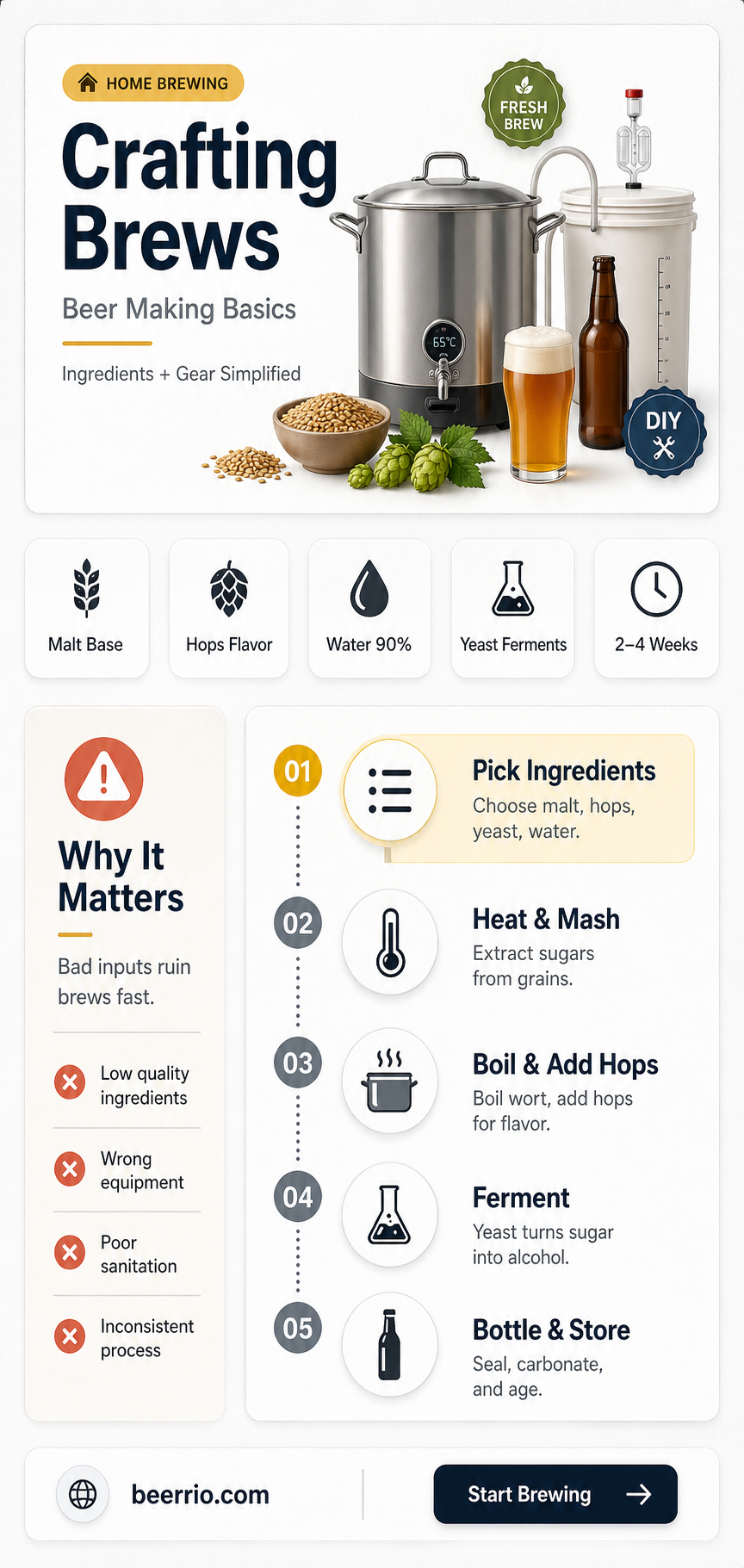
Brewing beer is a fascinating process that requires a combination of specific ingredients, equipment, and knowledge. At its core, beer is made from four primary ingredients: water, malted barley, hops, and yeast. Each of these components plays a crucial role in determining the flavor, aroma, and overall quality of the final product. In addition to these ingredients, brewers need specialized equipment such as a brewing kettle, fermenter, and bottling gear to bring their creations to life. Understanding the brewing process, including steps like mashing, boiling, fermenting, and conditioning, is also essential for producing a great-tasting beer. Whether you're a homebrewer or a professional, the art and science of brewing beer offer endless opportunities for creativity and experimentation.
Explore related products


What You'll Learn
- Ingredients: Water, malted barley, hops, yeast, and sometimes additional grains or adjuncts
- Equipment: Brewing kettle, fermenter, airlock, thermometer, hydrometer, and bottling equipment
- Process: Mashing, boiling, fermenting, conditioning, and packaging the final product
- Sanitation: Cleaning and sterilizing equipment to prevent contamination and ensure quality
- Knowledge: Understanding of brewing science, recipes, and techniques to produce desired beer styles

Ingredients: Water, malted barley, hops, yeast, and sometimes additional grains or adjuncts
The foundation of any beer recipe is its ingredients, and understanding the role each plays is crucial for successful brewing. Water, malted barley, hops, yeast, and sometimes additional grains or adjuncts are the core components that transform into the diverse array of beers we enjoy. The quality and type of water used can significantly impact the beer's flavor profile, as different regions' water supplies contain varying levels of minerals that contribute to the final taste. For instance, the soft water of Burton-upon-Trent in England is renowned for its suitability in brewing ales, while the harder water of Munich, Germany, is ideal for lagers.
Malted barley is the primary source of fermentable sugars in beer, and its preparation involves a process called malting, where the barley is soaked, germinated, and then dried. This process unlocks the starches within the barley, converting them into sugars that yeast can ferment. The degree of roasting the malted barley determines the color and flavor of the beer, ranging from light and crisp to dark and rich. Hops, on the other hand, are the flowers of the hop plant and are responsible for the bitterness, aroma, and flavor in beer. They are added at various stages of the brewing process to achieve different effects, such as alpha acids for bitterness during the boil, and essential oils for aroma and flavor during fermentation or conditioning.
Yeast is the microorganism that ferments the sugars in the wort, producing alcohol and carbon dioxide in the process. There are two main types of yeast used in brewing: ale yeast and lager yeast, each imparting distinct characteristics to the beer. Ale yeast ferments at warmer temperatures and typically produces fruity, estery flavors, while lager yeast ferments at cooler temperatures and yields a cleaner, crisper taste. Additional grains or adjuncts, such as wheat, oats, rice, or corn, can be used to supplement the barley and add complexity to the beer's flavor and texture. These adjuncts can also influence the beer's body, head retention, and mouthfeel.
In summary, the ingredients used in brewing beer are not only essential for the process but also play a pivotal role in determining the final product's taste, aroma, and appearance. Each ingredient contributes unique qualities that can be manipulated to create the desired beer style, making the art of brewing both a science and a creative endeavor.
Explore related products



Equipment: Brewing kettle, fermenter, airlock, thermometer, hydrometer, and bottling equipment
The equipment needed for brewing beer is varied and specific, each piece playing a crucial role in the process. A brewing kettle is essential for boiling the wort, which is the liquid extracted from the mashing process. This kettle must be large enough to handle the volume of wort and should be made of a material that can withstand high temperatures, such as stainless steel.
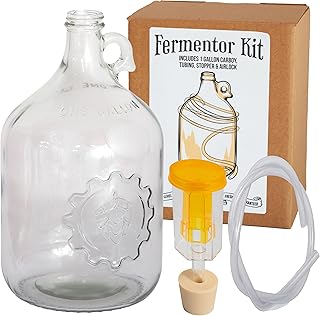
A fermenter is where the magic happens; it's the vessel in which yeast converts the sugars in the wort into alcohol and carbon dioxide. Fermenters come in various shapes and sizes, but they all need to be airtight to prevent contamination from outside bacteria and wild yeast. An airlock is a device that allows gases to escape from the fermenter while keeping outside air from entering. This is crucial for maintaining a sterile environment during fermentation.
Monitoring the temperature during fermentation is vital, as yeast has an optimal temperature range for activity. A thermometer designed for brewing can help ensure that the yeast is working at its best. Similarly, a hydrometer is used to measure the specific gravity of the wort and beer, providing information about the sugar content and alcohol by volume. This tool is essential for tracking the progress of the brew and making adjustments as needed.
Finally, bottling equipment is necessary for packaging the finished beer. This includes bottles, caps, and a bottling wand or filler. The bottles should be sanitized before use to prevent any off-flavors or spoilage. The bottling process must be done carefully to avoid introducing oxygen into the beer, which can lead to oxidation and a decrease in quality.
In summary, the equipment needed for brewing beer includes a brewing kettle, fermenter, airlock, thermometer, hydrometer, and bottling equipment. Each piece of equipment has a specific function and is essential for producing high-quality beer. By understanding the role of each item and using them correctly, brewers can ensure a successful and enjoyable brewing experience.
Explore related products




Process: Mashing, boiling, fermenting, conditioning, and packaging the final product
The process of brewing beer is a meticulous and multi-step endeavor that transforms simple ingredients into a complex and flavorful beverage. It begins with mashing, where grains such as barley are soaked in hot water to convert their starches into fermentable sugars. This step is crucial as it sets the foundation for the beer's flavor profile and alcohol content. Brewers must carefully monitor the temperature and duration of the mash to ensure optimal sugar extraction without overcooking the grains.
Following mashing, the wort—a sugary liquid extracted from the grains—is boiled. During this stage, hops are added at various intervals to impart bitterness, aroma, and flavor to the beer. The boiling process also sterilizes the wort, preparing it for fermentation. Timing and temperature control are again critical, as over-boiling can lead to an unbalanced flavor, while under-boiling may result in a weak beer.
Fermentation is the transformative phase where yeast converts the sugars in the wort into alcohol and carbon dioxide. This process can take anywhere from a few days to several weeks, depending on the type of beer and the specific yeast strain used. Brewers must maintain a consistent fermentation temperature to ensure the yeast performs optimally and to prevent off-flavors from developing.
After fermentation, the beer undergoes conditioning, a period of rest and maturation. This step allows the flavors to meld and develop complexity, and it also helps to clarify the beer by allowing sediment to settle. Conditioning can occur in tanks, barrels, or even bottles, and the duration varies based on the desired outcome.
Finally, the beer is packaged, either in bottles, cans, or kegs. This step involves carbonating the beer to the appropriate level, filtering out any remaining sediment, and sealing the containers to preserve freshness. Packaging is the culmination of the brewing process, and it's essential to handle the beer with care to maintain its quality.
Throughout these stages, brewers must be attentive to detail, as each step builds upon the previous one. Consistency and precision are key to producing a high-quality beer that meets the brewer's vision and the consumer's expectations.
Explore related products


Sanitation: Cleaning and sterilizing equipment to prevent contamination and ensure quality
Maintaining impeccable sanitation is crucial in the beer brewing process to prevent contamination and ensure the quality of the final product. This involves a rigorous cleaning and sterilizing regimen for all equipment used in brewing. The primary goal is to eliminate any microorganisms, such as bacteria and yeast, that could spoil the beer or affect its taste.
The first step in the sanitation process is to thoroughly clean all brewing equipment, including kettles, fermenters, and bottling gear, with a strong cleaning agent. This should be done after each use to prevent the buildup of residue and the proliferation of contaminants. After cleaning, the equipment should be rinsed thoroughly with clean water to remove any traces of the cleaning agent.
Sterilization is the next critical step. This can be achieved through various methods, such as using a sterilizing solution, steam, or heat. For example, a common sterilizing solution is a mixture of water and bleach, which can be used to soak equipment for a specified period. Alternatively, steam can be used to sterilize equipment by exposing it to high temperatures for a sufficient duration.
It is also essential to pay attention to the brewing environment. The area where the brewing takes place should be kept clean and free from dust, debris, and other potential contaminants. This includes regular cleaning of floors, walls, and countertops, as well as ensuring that any tools or utensils used in the brewing process are properly sanitized.
In addition to these measures, brewers should also follow proper personal hygiene practices. This includes washing hands thoroughly before and after handling brewing equipment, wearing clean clothing, and avoiding touching the face or hair while brewing. By adhering to these sanitation guidelines, brewers can significantly reduce the risk of contamination and produce high-quality beer that meets the desired standards of taste and safety.
Explore related products


Knowledge: Understanding of brewing science, recipes, and techniques to produce desired beer styles
To brew beer successfully, one must possess a deep understanding of brewing science, which encompasses the chemical and biological processes that occur during fermentation. This knowledge is crucial for controlling the final product's flavor, aroma, and appearance. Brewers must be familiar with the roles of enzymes, yeast, and bacteria, as well as the impact of pH levels, temperature, and oxygen exposure on the brewing process.
Recipes play a vital role in beer brewing, serving as a blueprint for the ingredients and procedures required to produce a specific style of beer. A well-crafted recipe takes into account the desired flavor profile, alcohol content, and body of the beer, and specifies the types and quantities of malt, hops, yeast, and water needed. Brewers must also understand how to adjust recipes to accommodate different brewing systems and scales, as well as how to troubleshoot issues that may arise during the brewing process.
Techniques are the practical skills that brewers use to execute recipes and manage the brewing process. These skills include mashing, boiling, fermenting, conditioning, and packaging. Each technique requires a specific set of equipment and procedures, and brewers must be proficient in using and maintaining this equipment to ensure consistent and high-quality results. Additionally, brewers must be able to monitor and control the brewing process, making adjustments as needed to address issues such as temperature fluctuations or yeast activity.
In summary, a comprehensive understanding of brewing science, recipes, and techniques is essential for producing desired beer styles. This knowledge enables brewers to control the brewing process, troubleshoot issues, and consistently produce high-quality beer.
Frequently asked questions
The main ingredients needed for brewing beer are water, malted barley, hops, and yeast. Water is the most crucial component, as it makes up the majority of the beer. Malted barley provides the fermentable sugars that yeast will convert into alcohol and carbon dioxide. Hops add bitterness, flavor, and aroma to the beer, while yeast is responsible for the fermentation process that produces alcohol and carbonation.
Essential equipment for homebrewing beer includes a brew kettle, a fermenter, an airlock, a thermometer, a hydrometer, and bottles or kegs for storage. The brew kettle is used for boiling the wort (the liquid extracted from the mashing process), while the fermenter is where the wort is transferred to allow yeast to ferment the sugars. An airlock is used to seal the fermenter and prevent outside air from entering, which could contaminate the beer. A thermometer is necessary for monitoring the temperature during brewing and fermentation, as temperature can significantly impact the final product. A hydrometer is used to measure the specific gravity of the wort and beer, which helps determine the alcohol content. Finally, bottles or kegs are needed for storing and carbonating the finished beer.
The key steps in the beer brewing process are mashing, boiling, fermenting, conditioning, and packaging. Mashing involves mixing malted barley with hot water to convert the starches into fermentable sugars. Boiling is when the wort is heated to a high temperature, and hops are added to impart bitterness, flavor, and aroma. Fermenting is the process where yeast is added to the wort, and it converts the sugars into alcohol and carbon dioxide. Conditioning is a period of rest and maturation for the beer, which allows the flavors to develop and the yeast to settle. Finally, packaging involves transferring the beer into bottles or kegs, where it is carbonated and stored for consumption.