Beatrix Montes
The container in which beer is brewed plays a crucial role in the brewing process and can significantly impact the final product's flavor and quality. Brewing vessels have evolved over centuries, from simple wooden barrels to sophisticated stainless steel tanks. Today, brewers use a variety of containers, each with its own advantages and characteristics. Understanding the different types of brewing vessels and their functions is essential for anyone interested in the art and science of beer making.
Explore related products



What You'll Learn
- Fermentation Vessels: Tanks or barrels where beer undergoes fermentation, converting sugars to alcohol
- Brewing Kettles: Large pots used for boiling the wort, the liquid extracted from mashing grains
- Mash Tuns: Containers where grains are soaked in hot water to convert starches to fermentable sugars
- Storage Tanks: Vessels for storing beer after fermentation, often for aging or before packaging
- Bottling Equipment: Machinery used to fill bottles with beer, including capping and labeling systems

Fermentation Vessels: Tanks or barrels where beer undergoes fermentation, converting sugars to alcohol
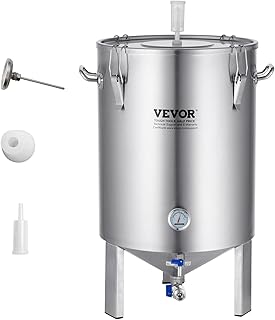
Fermentation vessels play a crucial role in the beer brewing process, serving as the tanks or barrels where the magical transformation of sugars into alcohol occurs. These vessels are designed to provide a controlled environment for yeast to thrive and carry out the fermentation process efficiently.
One of the key considerations when choosing a fermentation vessel is the material it's made from. Stainless steel tanks are a popular choice in modern breweries due to their durability, ease of cleaning, and ability to maintain a consistent temperature. On the other hand, traditional wooden barrels, often made from oak, can impart unique flavors and aromas to the beer, making them a preferred option for certain styles of craft beer.
The size and shape of the fermentation vessel can also impact the brewing process. Larger vessels allow for more beer to be fermented at once, which can be beneficial for commercial breweries looking to produce large quantities. However, smaller vessels can provide more control over the fermentation process and are often used by homebrewers or craft breweries experimenting with new recipes.
Temperature control is another critical factor in fermentation vessels. Yeast thrives in specific temperature ranges, and maintaining the optimal temperature can ensure a successful fermentation. Many modern fermentation vessels come equipped with temperature control systems, allowing brewers to precisely regulate the environment inside the tank.
Finally, the design of the fermentation vessel can influence the clarity and quality of the final product. Vessels with conical bottoms, for example, allow sediment to settle and be easily removed, resulting in a clearer beer. Additionally, some vessels are designed to minimize oxygen exposure, which can help prevent spoilage and oxidation.
In conclusion, fermentation vessels are essential components of the beer brewing process, offering a controlled environment for yeast to convert sugars into alcohol. The choice of material, size, shape, temperature control, and design features can all impact the quality and characteristics of the final product, making it crucial for brewers to select the right vessel for their specific needs.
Exploring Tree House Brewing's Finest: A Beer Enthusiast's Guide
You may want to see also
Explore related products


Brewing Kettles: Large pots used for boiling the wort, the liquid extracted from mashing grains
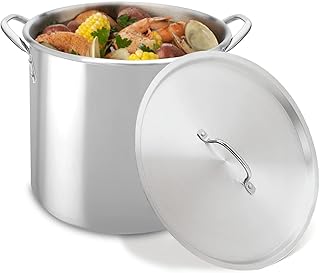
Brewing kettles are essential components in the beer-making process, serving as the primary vessels for boiling wort. Wort is the liquid extracted from the mashing process, where grains are steeped in hot water to convert their starches into fermentable sugars. The kettle's role is crucial as it not only heats the wort to the required boiling point but also allows for the addition of hops, which contribute bitterness, flavor, and aroma to the final beer product.
In terms of design, brewing kettles are typically large, robust pots made from materials that can withstand high temperatures and resist corrosion, such as stainless steel or aluminum. They are often equipped with a spigot or valve at the bottom for easy transfer of the wort to the next stage of brewing, which is fermentation. Some kettles also feature a thermometer port to monitor the temperature precisely, ensuring that the wort is boiled at the correct temperature for the desired beer style.
The boiling process in a kettle can vary depending on the type of beer being brewed. For instance, lagers and pilsners typically require a longer boil time to develop their characteristic clean and crisp flavors, while ales and stouts may have shorter boil times to preserve more of the malt flavors and aromas. During boiling, brewers may also add various ingredients such as spices, herbs, or additional sugars to enhance the complexity of the beer.
One of the key considerations when using a brewing kettle is temperature control. Maintaining a consistent boil temperature is vital for achieving the desired flavor profile and ensuring that the beer develops properly. Too high a temperature can lead to caramelization of sugars, resulting in off-flavors, while too low a temperature may not adequately sterilize the wort or extract the full potential of the hops.
After boiling, the wort is cooled and transferred to a fermentation vessel, where yeast is added to convert the sugars into alcohol and carbon dioxide. The kettle is then cleaned and sanitized, ready for the next batch of beer. Proper maintenance of brewing kettles is important to prevent contamination and ensure that each batch of beer is of high quality.
In summary, brewing kettles play a pivotal role in the beer-making process, providing a controlled environment for boiling wort and adding hops. Their design and functionality are tailored to meet the specific needs of brewing, with temperature control and ease of transfer being key features. By understanding the importance of brewing kettles and how to use them effectively, brewers can produce a wide variety of high-quality beers.
Exploring the Rich World of Nitro Brew Beer: A Comprehensive Guide
You may want to see also
Explore related products



Mash Tuns: Containers where grains are soaked in hot water to convert starches to fermentable sugars
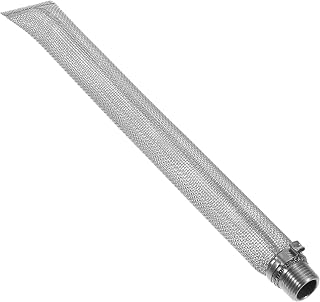
Mash tuns are specialized containers used in the brewing process to soak grains in hot water. This critical step converts the starches in the grains into fermentable sugars, which are then used by yeast to produce alcohol and carbonation in beer. The design of a mash tun is crucial for achieving the desired sugar extraction and temperature control during the mashing process.
There are several types of mash tuns, each with its own advantages and disadvantages. One common type is the insulated mash tun, which is designed to maintain a consistent temperature throughout the mashing process. This is important because temperature fluctuations can affect the efficiency of the starch conversion and the overall quality of the beer. Another type is the electric mash tun, which comes with built-in heating elements for precise temperature control. This type is popular among homebrewers for its convenience and ease of use.
When using a mash tun, it's important to follow specific steps to ensure the best results. First, the grains are measured and added to the tun. Then, hot water is added to the grains, and the mixture is stirred to ensure even temperature distribution. The temperature of the water is typically between 150°F and 160°F (65°C and 71°C) for most types of grains. The mixture is then left to rest for a period of time, usually between 30 minutes and 1 hour, to allow the starches to convert to sugars.
After the mashing process is complete, the liquid is drained from the mash tun, and the grains are discarded. The liquid, now called wort, is then boiled with hops and other ingredients to create the final beer. The design and use of the mash tun play a significant role in determining the quality and characteristics of the beer, making it an essential component of the brewing process.
Unlocking the Perfect Brew: The Ideal pH Level for Beer Making
You may want to see also
Explore related products


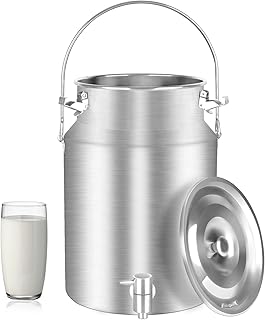
Storage Tanks: Vessels for storing beer after fermentation, often for aging or before packaging
Storage tanks play a crucial role in the beer brewing process, serving as the vessels where beer is stored after fermentation. These tanks are essential for allowing the beer to age properly and develop its desired flavors and characteristics before it is packaged and distributed. The aging process in storage tanks can vary depending on the type of beer being brewed, with some beers requiring only a few weeks of aging while others may need several months or even years.
One of the key functions of storage tanks is to provide a controlled environment for the beer. This includes maintaining a consistent temperature and pressure, as well as protecting the beer from exposure to light and oxygen, which can negatively impact its quality. Storage tanks are typically made of stainless steel, which is a durable and easy-to-clean material that can withstand the corrosive nature of beer. Some tanks may also be equipped with additional features such as temperature control systems, pressure gauges, and sampling ports to monitor the beer's progress during aging.
In addition to aging, storage tanks can also be used for blending different batches of beer to achieve a consistent flavor profile. This is particularly important for breweries that produce large quantities of beer, as it allows them to ensure that each batch meets their quality standards before it is packaged and sold. The blending process typically involves transferring beer from multiple tanks into a single tank, where it is then mixed and allowed to settle before being packaged.
Overall, storage tanks are a critical component of the beer brewing process, providing a controlled environment for aging and blending beer to ensure that it meets the desired quality standards. By understanding the role of storage tanks in beer production, breweries can optimize their brewing processes and produce high-quality beer that meets the expectations of their customers.
Exploring the Rich Flavors of Slow-Brewed Beer: A Journey Through Time and Taste
You may want to see also
Explore related products


Bottling Equipment: Machinery used to fill bottles with beer, including capping and labeling systems
The process of bottling beer involves several key pieces of machinery designed to ensure the product is properly filled, sealed, and labeled. At the heart of this process is the filling machine, which can range from simple manual systems to complex, automated lines capable of filling hundreds of bottles per minute. These machines typically use a combination of gravity and pressure to transfer the beer from a holding tank into the bottles, minimizing the risk of spills and ensuring a consistent fill level.
Once the bottles are filled, they move on to the capping system. This machinery is responsible for applying the caps to the bottles, which are usually made of metal or plastic and designed to create an airtight seal. The capping process can involve a simple snap-on mechanism or a more complex crimping system, depending on the type of cap and the desired level of security.
Following capping, the bottles are typically conveyed to a labeling system. This machinery applies labels to the bottles, providing essential information such as the brand name, product type, and alcohol content. Labeling systems can range from simple, manual label applicators to sophisticated, automated machines that can apply multiple labels to each bottle with precision.
In addition to these core components, bottling equipment may also include machinery for cleaning and sanitizing the bottles, inspecting the fill levels and cap seals, and packaging the finished product into boxes or crates for distribution. The design and complexity of these systems can vary widely depending on the size and scale of the brewery, as well as the specific requirements of the product being bottled.
Overall, the bottling equipment plays a critical role in the beer production process, ensuring that the final product is properly packaged and ready for consumption. By combining advanced machinery with careful quality control, breweries can produce high-quality, consistently packaged beer that meets the demands of consumers.
Unlocking the Perfect Brew: Optimal Temperature for Beer Brewing
You may want to see also
Frequently asked questions
Beer is typically brewed in a large, stainless steel container called a brewing kettle or brew kettle. This is where the wort (unfermented beer) is boiled and ingredients like hops are added.
There are several types of brewing kettles, including:
- Stainless steel kettles: These are the most common and are favored for their durability and ease of cleaning.
- Copper kettles: These are traditional and can add a unique flavor to the beer, but they require more maintenance.
- Electric kettles: These are smaller and more convenient for homebrewers, as they can be plugged in and easily controlled.
The brewing kettle can have a significant impact on the taste of the beer. For example, copper kettles can add a metallic flavor if not properly maintained, while stainless steel kettles are more neutral. The size and shape of the kettle can also affect the boiling process and the final flavor of the beer.