Arabella Franco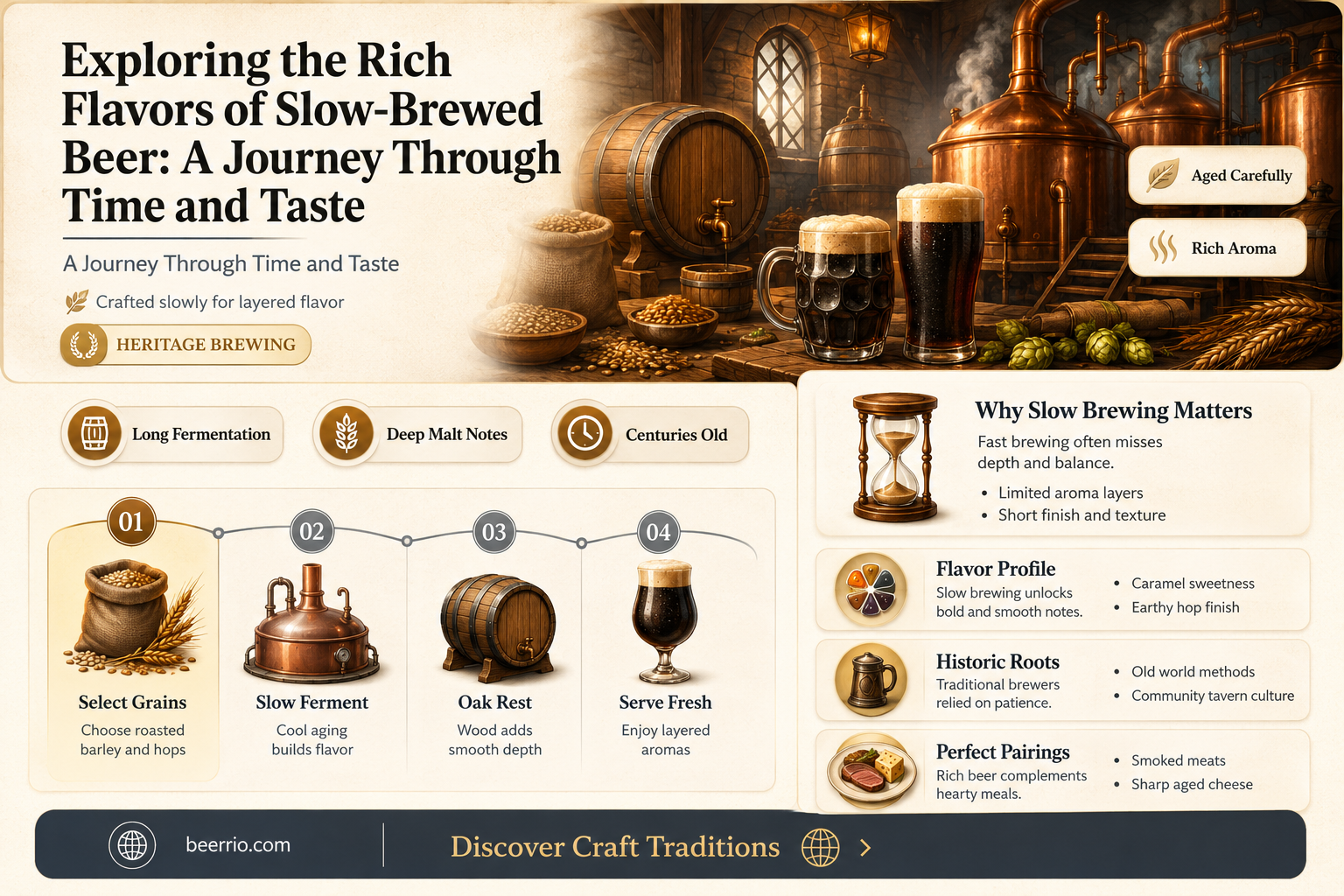
Slow-brewed beer is a type of beer that is made using a longer brewing process than traditional beers. This process involves fermenting the beer at a lower temperature for a longer period of time, which allows the flavors to develop more fully and results in a smoother, more complex taste. Slow-brewed beers are often characterized by their rich, malty flavor and can range from light to dark in color. They are popular among craft beer enthusiasts and are often associated with a more artisanal approach to brewing.
Explore related products


What You'll Learn
- Definition: Slow brewing is a traditional beer-making process that ferments beer at lower temperatures for an extended period
- Benefits: This method enhances flavor complexity, reduces bitterness, and results in a smoother, more refined taste profile
- Techniques: Brewers use various techniques like cold crashing and extended fermentation to achieve the desired slow-brewed characteristics
- Equipment: Specialized equipment such as temperature-controlled fermentation tanks and unique brewing vessels are often utilized
- Popular Styles: Many craft beers, including lagers, ales, and stouts, benefit from slow brewing, showcasing its versatility

Definition: Slow brewing is a traditional beer-making process that ferments beer at lower temperatures for an extended period
Slow brewing, a time-honored beer-making tradition, involves fermenting beer at lower temperatures over a prolonged period. This method, distinct from the more common rapid brewing techniques, yields a beverage with unique characteristics. The extended fermentation time allows for a more complex development of flavors, as the yeast has ample opportunity to interact with the wort, producing a richer, more nuanced taste profile.
One of the key benefits of slow brewing is the enhanced clarity and stability of the beer. The lower temperatures reduce the risk of unwanted side reactions and the formation of haze-causing compounds. This results in a clearer beer that remains stable over time, making it ideal for aging and further flavor development.
Slow brewing also impacts the beer's aroma. The gradual fermentation process allows for a more controlled release of volatile compounds, which can contribute to a more refined and subtle bouquet. This is particularly important for certain beer styles, such as lagers and pilsners, where a clean, crisp aroma is highly valued.
In terms of practical application, slow brewing requires careful temperature control and patience. Brewers must maintain a consistent, low temperature throughout the fermentation process, which can take several weeks or even months. This method is often used by craft brewers and homebrew enthusiasts who are willing to invest the time and effort into creating a high-quality, unique beer.
Overall, slow brewing is a traditional technique that offers a range of benefits, from enhanced flavor complexity to improved clarity and stability. While it requires more time and careful temperature management, the resulting beer is often well worth the effort, offering a distinct and refined drinking experience.
Exploring the Rich World of Nitro Brew Beer: A Comprehensive Guide
You may want to see also
Explore related products


Benefits: This method enhances flavor complexity, reduces bitterness, and results in a smoother, more refined taste profile
Slow brewing beer is a meticulous process that significantly enhances the flavor complexity of the final product. By allowing the beer to ferment over an extended period, typically several weeks to months, the yeast has ample time to develop a wide array of flavors and aromas. This prolonged fermentation reduces the bitterness often associated with quicker brewing methods, as the yeast consumes more of the bitter compounds found in the hops and malt. The result is a smoother, more refined taste profile that is highly sought after by beer connoisseurs.
One of the key benefits of slow brewing is the development of secondary flavors. As the yeast ferments the sugars in the wort, it produces various byproducts such as esters, phenols, and aldehydes. These compounds contribute to the beer's complexity, adding notes of fruit, spice, and other subtle flavors that would not be present in a beer brewed using faster methods. Additionally, the extended fermentation time allows for better clarification of the beer, as the yeast and other solids have more time to settle out of suspension, resulting in a clearer, more visually appealing product.
Slow brewing also has the advantage of allowing for more precise control over the final taste of the beer. Brewers can experiment with different yeast strains, hop varieties, and malt types to create a wide range of flavor profiles. By adjusting the temperature and duration of the fermentation process, they can further fine-tune the beer's characteristics, achieving a balance of flavors that is difficult to attain with quicker brewing methods.
Furthermore, slow brewing can lead to a higher quality beer overall. The extended fermentation time allows the yeast to fully attenuate the sugars in the wort, resulting in a drier, more balanced beer. This process also helps to reduce the presence of unwanted compounds such as diacetyl, which can impart a buttery or butterscotch flavor to the beer. By taking the time to carefully monitor and control the fermentation process, brewers can produce a beer that is not only more complex and flavorful but also of higher quality.
In conclusion, the slow brewing process offers numerous benefits that contribute to the creation of a more complex, flavorful, and refined beer. By allowing for extended fermentation, brewers can develop a wide array of flavors, reduce bitterness, and achieve a smoother taste profile. The ability to experiment with different ingredients and fermentation conditions further enhances the potential for creating unique and high-quality beers.
Unlocking the Secrets of Secondary Fermentation in Craft Beer Brewing
You may want to see also
Explore related products


$22.99 $22.99


Techniques: Brewers use various techniques like cold crashing and extended fermentation to achieve the desired slow-brewed characteristics
Cold crashing is a technique used by brewers to clarify beer and enhance its flavor profile. This process involves cooling the beer to near-freezing temperatures for an extended period, typically 24-48 hours. During this time, yeast and other solids settle out of suspension, resulting in a clearer beer. Additionally, cold crashing can help to reduce the beer's bitterness and improve its overall smoothness.
Extended fermentation is another technique used to achieve slow-brewed characteristics. This involves allowing the beer to ferment for a longer period than usual, often several weeks or even months. During this time, the yeast has more opportunity to consume sugars and produce complex flavors and aromas. Extended fermentation can also help to reduce the beer's residual sweetness and improve its overall balance.
Dry hopping is a technique used to add aroma and flavor to beer without increasing its bitterness. This process involves adding hops to the beer after fermentation has completed, allowing the hops' essential oils to infuse into the beer. Dry hopping can be used to add a wide range of flavors and aromas to beer, from fruity and floral to earthy and spicy.
Oak aging is a technique used to add complexity and depth to beer. This process involves storing the beer in oak barrels for an extended period, typically several months or even years. During this time, the beer absorbs flavors and aromas from the oak, such as vanilla, caramel, and toast. Oak aging can also help to soften the beer's tannins and improve its overall mouthfeel.
Bottle conditioning is a technique used to carbonate beer naturally. This process involves bottling the beer with a small amount of yeast and sugar, allowing the yeast to ferment the sugar and produce carbon dioxide. Bottle conditioning can help to improve the beer's flavor and aroma, as well as its overall effervescence.
Exploring Singapore's Inaugural Brew: A Taste of Local Craftsmanship
You may want to see also
Explore related products


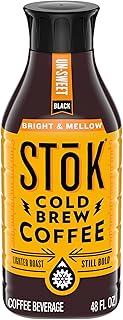


Equipment: Specialized equipment such as temperature-controlled fermentation tanks and unique brewing vessels are often utilized
Specialized equipment plays a crucial role in the slow brewing process, enabling brewers to achieve the precise conditions required for optimal fermentation and flavor development. Temperature-controlled fermentation tanks are a key piece of equipment, allowing brewers to maintain a consistent temperature throughout the fermentation process. This is essential for slow brewed beers, as fluctuations in temperature can lead to off-flavors and an unbalanced final product.
Unique brewing vessels, such as wooden barrels or stainless steel tanks with specialized shapes, are also often utilized in slow brewing. These vessels can impart additional flavors to the beer, such as the subtle oak notes that come from aging in wooden barrels. Additionally, the shape of the vessel can influence the fermentation process, affecting the beer's final character and complexity.
The use of specialized equipment in slow brewing is not just about achieving a specific flavor profile, but also about creating a consistent and repeatable process. By carefully controlling the fermentation temperature and using unique brewing vessels, brewers can ensure that each batch of slow brewed beer is of the highest quality and meets their exacting standards.
In addition to temperature-controlled fermentation tanks and unique brewing vessels, other specialized equipment may be used in slow brewing, such as water filtration systems, malt mills, and bottling lines. These tools help brewers to achieve the precise specifications required for slow brewed beers, from the quality of the water used in the brewing process to the final packaging of the product.
Overall, the use of specialized equipment is a critical aspect of slow brewing, enabling brewers to create complex, flavorful beers that are consistent and of the highest quality. By investing in the right equipment and using it effectively, brewers can elevate their slow brewed beers to new heights, offering consumers a truly exceptional drinking experience.
Crafting Brews: Essential Ingredients and Equipment for Beer Making
You may want to see also
Explore related products


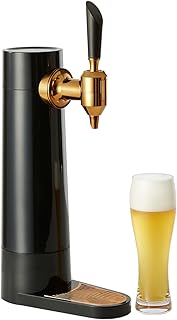


Popular Styles: Many craft beers, including lagers, ales, and stouts, benefit from slow brewing, showcasing its versatility
Slow brewing is a technique that has gained popularity among craft beer enthusiasts, and for good reason. This method allows for a more complex flavor profile and a smoother finish, making it a favorite among those who appreciate the art of beer making. One of the most significant advantages of slow brewing is its versatility, as it can be applied to a wide range of beer styles, including lagers, ales, and stouts.
Lagers, for instance, benefit greatly from slow brewing. This style of beer is typically characterized by its crisp, clean taste and light body. When brewed slowly, lagers develop a more nuanced flavor profile, with subtle notes of malt and hops that linger on the palate. The slow fermentation process also allows for a more thorough attenuation of the yeast, resulting in a drier, more refreshing beer.
Ales, on the other hand, are known for their fruity, aromatic qualities. Slow brewing enhances these characteristics, allowing the yeast to produce a more complex array of esters and phenols. This results in a beer that is not only more flavorful but also more balanced, with a harmonious blend of malt, hops, and yeast-derived flavors.
Stouts, with their rich, roasted malt flavors, also benefit from slow brewing. The extended fermentation period allows for a more thorough extraction of the malt's flavors, resulting in a beer that is both more intense and more refined. The slow brewing process also helps to mellow out the bitterness of the hops, creating a smoother, more velvety finish.
In conclusion, slow brewing is a versatile technique that can be applied to a wide range of beer styles, each with its own unique characteristics. By taking the time to brew slowly, craft beer makers can create beers that are not only more flavorful but also more balanced and refined. Whether you're a fan of lagers, ales, or stouts, slow brewing is a technique that is sure to enhance your beer-drinking experience.
Exploring the Rich World of Nitro Cold Brew Beer
You may want to see also
Frequently asked questions
Slow brewed beer is a type of beer that is made using a longer brewing process, typically taking several weeks to months. This process allows for a more complex flavor profile and a smoother finish.
The slow brewing process involves fermenting the beer at a lower temperature for a longer period of time. This allows the yeast to work more slowly, producing fewer esters and a cleaner taste. The beer is then aged for several weeks or months, which allows the flavors to meld together and develop complexity.
Slow brewed beer has a number of benefits, including a more complex flavor profile, a smoother finish, and a lower alcohol content. The longer brewing process also allows for more natural ingredients to be used, which can result in a healthier beer.
Slow brewed beers can be found in a variety of styles, including lagers, ales, and stouts. Some popular slow brewed beers include Belgian ales, German lagers, and American stouts.
Slow brewed beer can be found at many craft breweries and specialty beer stores. It is also becoming more popular in mainstream bars and restaurants. If you're looking for a specific type of slow brewed beer, you may want to check with your local brewery or beer store to see what they have available.