Harmony Chandler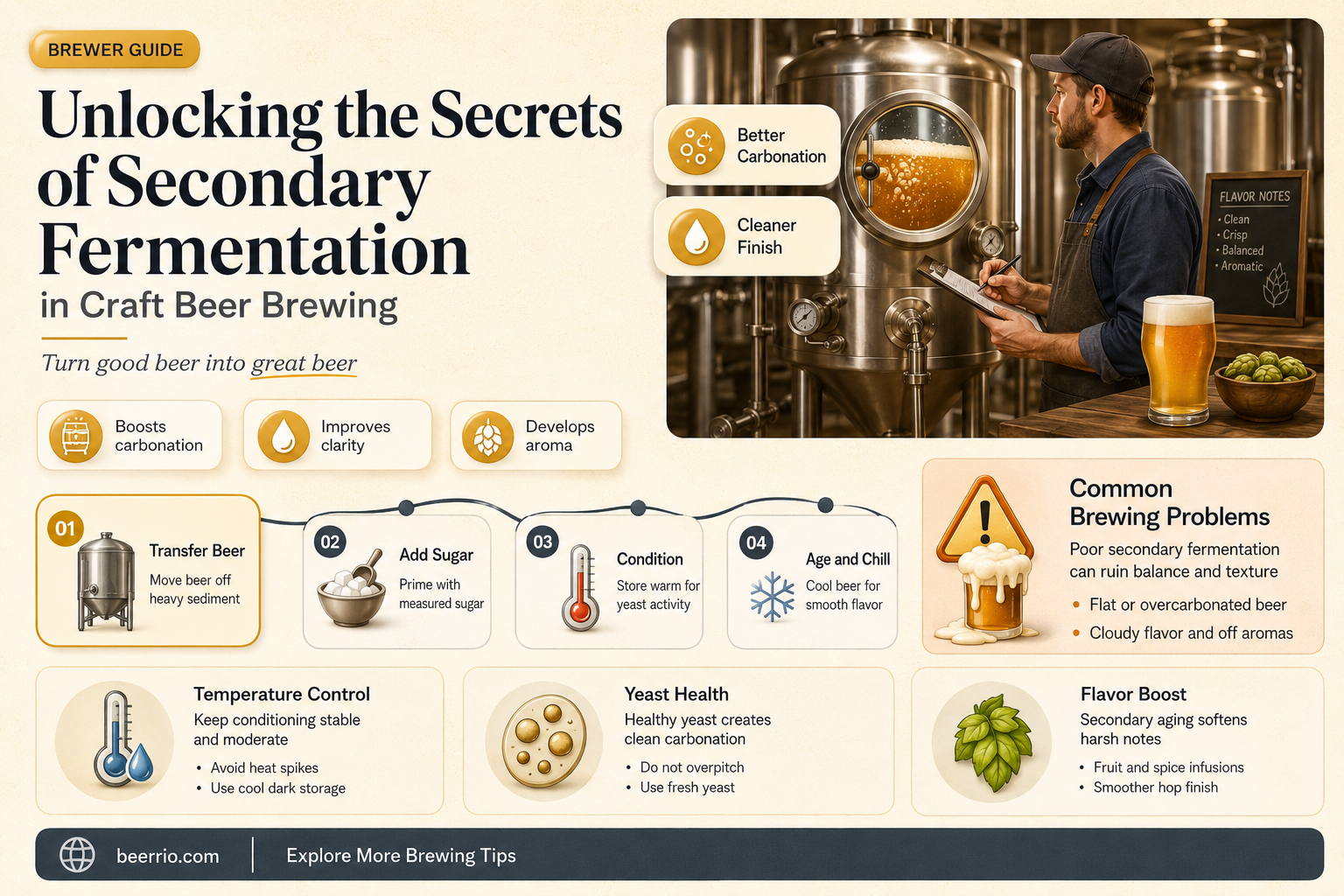
Secondary fermentation in brewing beer is a crucial step that occurs after the initial fermentation process. During this stage, the beer is transferred to a secondary fermenter, where it undergoes further fermentation and maturation. This process allows for the development of more complex flavors and aromas, as well as the clarification of the beer. Secondary fermentation can also help to reduce the bitterness of the beer and improve its overall balance. By understanding the intricacies of secondary fermentation, brewers can create a wide range of beer styles with unique characteristics and flavors.
Explore related products


What You'll Learn
- Definition: Secondary fermentation is a brewing process where beer undergoes a second round of fermentation
- Purpose: It helps to develop complex flavors, improve clarity, and enhance the beer's overall character
- Process: Yeast is added to the beer after initial fermentation, and it's allowed to ferment again
- Types: There are two main types: natural secondary fermentation and forced secondary fermentation
- Examples: Belgian ales and some lagers undergo secondary fermentation to achieve their distinct flavors

Definition: Secondary fermentation is a brewing process where beer undergoes a second round of fermentation
Secondary fermentation is a crucial step in the beer brewing process that involves a second round of fermentation after the initial primary fermentation. This stage is typically carried out in a secondary fermenter or sometimes in the bottle. The primary purpose of secondary fermentation is to allow the yeast to fully attenuate the sugars, resulting in a drier and more complex beer. It also helps to clarify the beer by allowing the yeast and other solids to settle out of suspension.
During secondary fermentation, the beer is transferred from the primary fermenter to a secondary vessel, leaving behind the majority of the yeast sediment. This transfer is usually done very carefully to avoid disturbing the yeast and to minimize the amount of oxygen introduced into the beer. Oxygen can be detrimental at this stage as it can lead to oxidation and off-flavors. The secondary fermenter is then sealed and allowed to ferment for a period of time, which can range from a few days to several weeks, depending on the style of beer and the desired outcome.
One of the key benefits of secondary fermentation is the ability to add additional ingredients, such as fruit, spices, or hops, which can infuse the beer with unique flavors and aromas. This is often done in the case of specialty beers like Belgian lambics or American sour ales. Secondary fermentation can also be used to carbonate the beer naturally, by adding a small amount of sugar to the bottle along with the yeast. This process, known as bottle conditioning, results in a gently carbonated beer with a more complex flavor profile.
However, secondary fermentation is not without its challenges. One of the main risks is the potential for contamination, as the beer is exposed to the environment during the transfer process. Brewers must take great care to sanitize all equipment and to minimize the risk of introducing unwanted bacteria or wild yeast. Additionally, secondary fermentation can be a lengthy process, requiring patience and careful monitoring to ensure that the desired results are achieved.
In conclusion, secondary fermentation is a valuable technique in the brewing process that can lead to the production of more complex and flavorful beers. By allowing the yeast to fully attenuate the sugars and by providing an opportunity to add additional ingredients, secondary fermentation can help brewers create unique and distinctive beers that stand out from the crowd. However, it is a process that requires careful attention to detail and a good understanding of the potential risks and benefits involved.
Exploring the Rich World of Nitro Brew Beer: A Comprehensive Guide
You may want to see also
Explore related products


Purpose: It helps to develop complex flavors, improve clarity, and enhance the beer's overall character
Secondary fermentation in brewing beer is a crucial process that significantly impacts the final product's flavor, clarity, and character. This stage involves the yeast consuming residual sugars and producing alcohol and carbon dioxide, which contributes to the beer's complexity and depth. The process typically occurs after the initial fermentation and involves transferring the beer to a secondary vessel, such as a carboy or keg, where it can age and mature.
One of the primary benefits of secondary fermentation is the development of complex flavors. During this stage, the yeast continues to break down sugars and produce various compounds that contribute to the beer's taste profile. These can include fruity esters, spicy phenolics, and other desirable flavor components that enhance the overall character of the beer. Additionally, secondary fermentation allows for the production of more alcohol, which can contribute to a smoother, more balanced finish.
Another key advantage of secondary fermentation is improved clarity. As the yeast consumes residual sugars, it also helps to remove any remaining sediment or haze from the beer. This results in a clearer, more visually appealing product that is less likely to have off-flavors or unwanted particulates. Furthermore, the carbon dioxide produced during secondary fermentation helps to naturally carbonate the beer, which can improve its mouthfeel and overall drinking experience.
Secondary fermentation also plays a critical role in enhancing the beer's overall character. By allowing the beer to age and mature, it develops a more refined and nuanced flavor profile that is often more desirable than a beer that has been rushed through the fermentation process. This can include the development of subtle notes, such as vanilla, oak, or caramel, that add depth and complexity to the beer's taste. Additionally, secondary fermentation can help to balance out any harsh or bitter flavors that may have been present in the initial ferment, resulting in a smoother, more enjoyable drinking experience.
In conclusion, secondary fermentation is a vital step in the brewing process that helps to develop complex flavors, improve clarity, and enhance the beer's overall character. By allowing the beer to age and mature, it undergoes a transformation that results in a more refined and nuanced product that is often more desirable than a beer that has been rushed through the fermentation process.
Exploring the Rich World of Nitro Cold Brew Beer
You may want to see also
Explore related products


Process: Yeast is added to the beer after initial fermentation, and it's allowed to ferment again
Secondary fermentation in brewing beer is a crucial process that involves adding yeast to the beer after the initial fermentation has taken place. This step is essential for several reasons, including enhancing the beer's flavor, aroma, and overall quality. During secondary fermentation, the yeast consumes any remaining sugars in the beer, producing alcohol and carbon dioxide as byproducts. This process also allows the yeast to settle at the bottom of the fermenter, making it easier to separate the beer from the yeast sediment.
One of the key benefits of secondary fermentation is the development of complex flavors and aromas in the beer. As the yeast ferments the remaining sugars, it produces a variety of compounds that contribute to the beer's overall taste profile. These compounds can include fruity esters, spicy phenols, and other desirable flavor components. Additionally, secondary fermentation can help to reduce the beer's bitterness, resulting in a smoother, more balanced flavor.
Another important aspect of secondary fermentation is the clarification of the beer. As the yeast settles at the bottom of the fermenter, it helps to remove any remaining sediment or impurities from the beer. This clarification process results in a cleaner, more visually appealing beer that is less likely to be hazy or cloudy.
Secondary fermentation can also be used to control the level of carbonation in the beer. By monitoring the amount of yeast added and the duration of the fermentation process, brewers can achieve the desired level of carbonation for their specific beer style. This control is particularly important for beers that require a high level of carbonation, such as Belgian ales or sparkling beers.
In conclusion, secondary fermentation is a vital step in the brewing process that offers numerous benefits, including enhanced flavor and aroma, improved clarity, and controlled carbonation. By carefully managing this process, brewers can produce high-quality beers that meet their specific taste and style requirements.
Crafting Brews: Essential Ingredients and Equipment for Beer Making
You may want to see also
Explore related products


Types: There are two main types: natural secondary fermentation and forced secondary fermentation
In the realm of beer brewing, secondary fermentation is a crucial process that can significantly impact the final product's flavor, aroma, and overall quality. This stage involves the conversion of sugars into alcohol and carbon dioxide by yeast, and it can be achieved through two primary methods: natural secondary fermentation and forced secondary fermentation.
Natural secondary fermentation occurs when yeast cells, which have settled at the bottom of the fermentation vessel after primary fermentation, are left to naturally re-ferment the beer. This process is typically slower and more gradual, allowing for a more complex development of flavors and aromas. Brewers often choose this method to create beers with a more nuanced and sophisticated character, such as Belgian ales or sour beers.
On the other hand, forced secondary fermentation involves actively introducing a new yeast strain or additional sugar source to the beer, which then triggers a rapid re-fermentation process. This method is often used to create beers with a cleaner, crisper taste and a higher level of carbonation, such as lagers or pilsners. Forced secondary fermentation can also be used to create specialty beers with unique flavor profiles, such as fruit-infused beers or beers with added spices.
When embarking on secondary fermentation, brewers must carefully consider the specific yeast strain and sugar source used, as these factors can greatly influence the final product's characteristics. For example, using a yeast strain with a high attenuation rate can result in a drier, more alcoholic beer, while using a yeast strain with a low attenuation rate can produce a sweeter, more full-bodied beer. Similarly, the choice of sugar source can impact the beer's flavor profile, with options ranging from simple sugars like glucose or sucrose to more complex sugars like maltodextrin or honey.
In conclusion, secondary fermentation is a vital step in the beer brewing process that offers brewers a range of creative possibilities. By choosing between natural and forced secondary fermentation methods and carefully selecting yeast strains and sugar sources, brewers can craft beers with a wide variety of flavors, aromas, and textures. Whether aiming for a complex, nuanced beer or a crisp, refreshing brew, understanding and mastering the art of secondary fermentation is essential for any serious beer enthusiast.
Explore related products


Examples: Belgian ales and some lagers undergo secondary fermentation to achieve their distinct flavors
Belgian ales, renowned for their complex and rich flavors, often undergo a secondary fermentation process. This step is crucial in developing the beer's distinctive taste profile. Secondary fermentation typically occurs after the initial fermentation, where yeast converts sugars into alcohol and carbon dioxide. In the case of Belgian ales, a second yeast strain is introduced, which further ferments the beer, producing additional flavors and aromas. This process can take place in the bottle, known as bottle conditioning, or in a secondary fermenter. The result is a beer with a deeper, more nuanced character, often featuring fruity, spicy, or earthy notes.
Some lagers also benefit from secondary fermentation, although the process is less common in lager brewing compared to ale brewing. Lagers that undergo secondary fermentation tend to have a cleaner, crisper taste with a smoother finish. This is because the secondary fermentation helps to reduce the amount of residual yeast and other particles in the beer, resulting in a clearer and more refined product. The secondary fermentation process for lagers usually occurs at a lower temperature than the primary fermentation, which helps to preserve the beer's delicate flavors and aromas.
The duration of secondary fermentation can vary significantly depending on the type of beer and the desired outcome. For Belgian ales, secondary fermentation can last anywhere from a few weeks to several months. This extended period allows the yeast to fully develop the beer's complex flavors. In contrast, secondary fermentation for lagers is typically shorter, often lasting only a few days to a week. The shorter duration helps to maintain the beer's light and refreshing qualities while still achieving a polished finish.
One of the key benefits of secondary fermentation is the ability to control the beer's carbonation level. By allowing the yeast to naturally carbonate the beer during secondary fermentation, brewers can achieve a more balanced and integrated carbonation profile. This is particularly important for Belgian ales, where the carbonation can significantly impact the beer's overall mouthfeel and drinkability. Additionally, secondary fermentation can help to stabilize the beer, reducing the risk of oxidation and spoilage.
In conclusion, secondary fermentation is a valuable technique in brewing, particularly for Belgian ales and some lagers. It allows brewers to develop complex flavors, control carbonation, and improve the overall quality and stability of the beer. By introducing a second yeast strain or allowing the beer to ferment in the bottle, brewers can create unique and distinctive products that stand out in the crowded world of craft beer.
Frequently asked questions
Secondary fermentation is a process in beer brewing where yeast ferments the beer a second time, typically after it has been transferred to a new container. This step can enhance the beer's flavor, clarity, and carbonation.
Secondary fermentation is important because it allows the yeast to continue fermenting the beer under controlled conditions, which can lead to a cleaner, more refined taste. It also helps to separate the beer from the yeast sediment, improving its clarity.
Secondary fermentation can contribute to the development of complex flavors in beer. It allows the yeast to produce additional fermentation byproducts, such as esters and phenols, which can enhance the beer's aroma and taste profile.
Typical containers used for secondary fermentation include carboys, jugs, or secondary fermenters specifically designed for this purpose. These containers are usually made of glass, plastic, or stainless steel and are equipped with airlocks to prevent contamination.
The duration of secondary fermentation can vary depending on the type of beer and the desired outcome. It typically ranges from a few days to several weeks. Brewers often monitor the process closely and make adjustments as needed to ensure the best possible results.


![8 Pack [1 L / 33 fl. oz.] Swing Top Glass Bottles w/ Airtight Stopper Lids – Flip Top Brewing Bottle for Fermentation, Kombucha, Mead, Vinegar, Beer, Kefir, Wine, Soda – With 8 Extra Seals & 2 Pourer](https://m.media-amazon.com/images/I/71Dxyt2F7pL._AC_UY218_.jpg)