Arabella Franco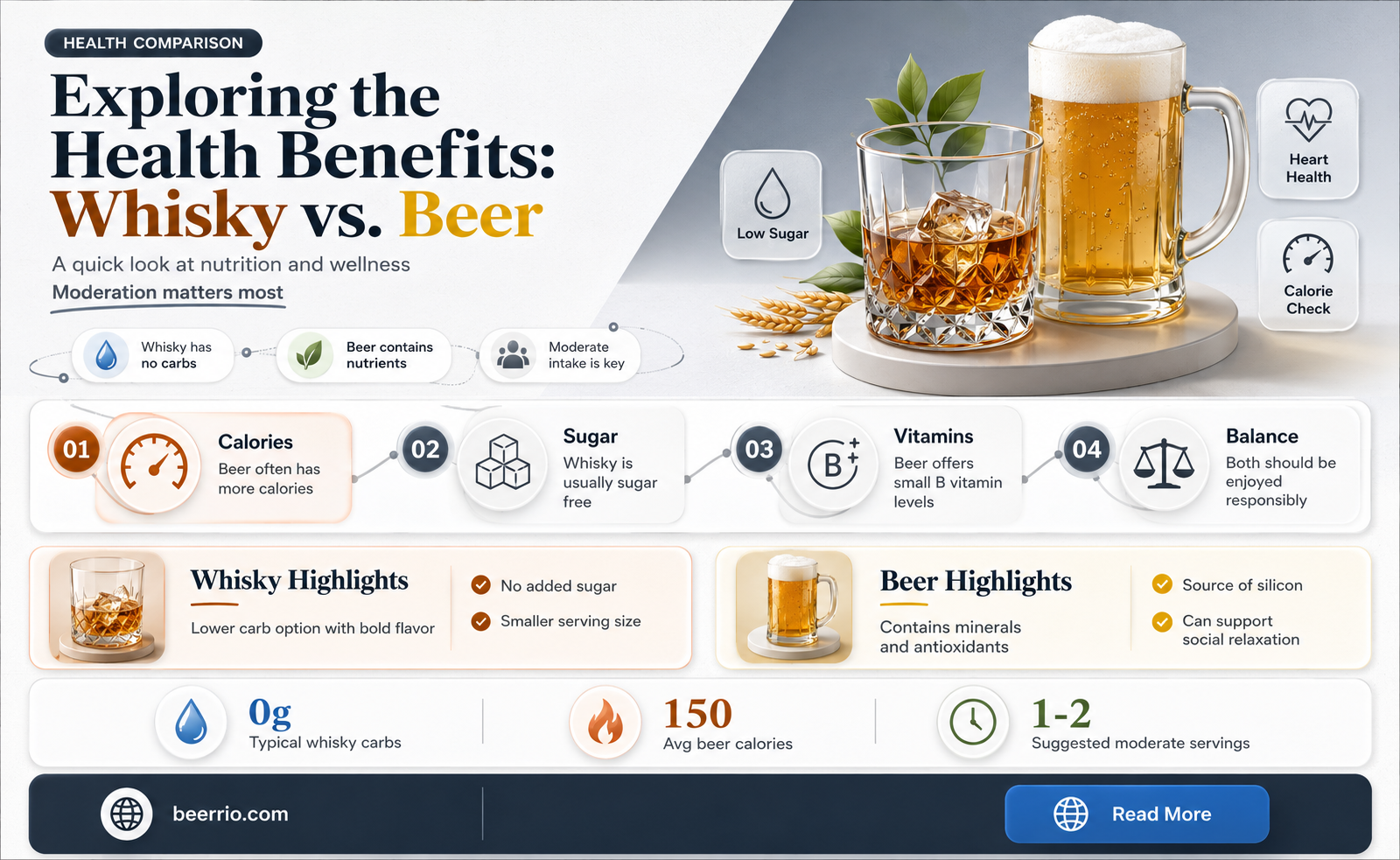
When comparing the health impacts of whisky and beer, it's essential to consider various factors such as alcohol content, calorie count, and potential health benefits. Whisky, a distilled spirit, typically contains a higher alcohol by volume (ABV) percentage than beer, which can range from 4% to 6% ABV. This means that a standard serving of whisky may provide more alcohol than a similar serving of beer. However, whisky is often consumed in smaller quantities due to its potency, which can result in lower overall calorie intake compared to beer. Additionally, some studies suggest that moderate consumption of whisky may offer certain health benefits, such as improved heart health and reduced risk of certain diseases, thanks to its antioxidant properties. On the other hand, beer, particularly darker varieties, also contains antioxidants and may have some health benefits when consumed in moderation. Ultimately, the healthiness of whisky versus beer depends on individual consumption habits, overall lifestyle, and personal health goals.
Explore related products


What You'll Learn
- Caloric Content Comparison: Whisky generally has fewer calories per serving compared to beer
- Alcohol by Volume (ABV) Differences: Whisky typically has a higher ABV than beer, affecting its health impact
- Nutrient Presence: Beer contains some nutrients like B vitamins and antioxidants, whereas whisky has fewer nutrients
- Health Risks: Excessive consumption of both can lead to health issues, but whisky's higher ABV may pose greater risks
- Moderation Key: Moderate consumption of either beverage is crucial for maintaining health and minimizing risks

Caloric Content Comparison: Whisky generally has fewer calories per serving compared to beer
Whisky enthusiasts often tout the spirit's relatively lower calorie count as one of its health benefits compared to beer. A standard serving of whisky, typically 1.5 ounces, contains approximately 65-80 calories, depending on the proof. In contrast, a 12-ounce serving of beer can range from 90 to 200 calories, with the higher end of the spectrum belonging to craft beers and stouts. This significant difference in caloric content can be a deciding factor for those who are mindful of their daily calorie intake.
However, it's essential to consider the broader context of alcohol consumption and its effects on health. While whisky may have fewer calories, it also has a higher alcohol by volume (ABV) content compared to most beers. This means that consuming whisky can lead to a higher blood alcohol concentration more quickly, potentially increasing the risk of alcohol-related health issues such as liver damage, addiction, and impaired cognitive function.
Moreover, the way in which whisky and beer are consumed can also impact their health effects. Whisky is often sipped slowly and savored, which may lead to more moderate consumption. On the other hand, beer is frequently consumed in larger quantities, especially in social settings, which can contribute to excessive calorie and alcohol intake.
In conclusion, while whisky does generally have fewer calories per serving compared to beer, this should not be the sole factor in determining which beverage is healthier. It's crucial to consider the ABV, serving size, and consumption habits associated with each drink to make an informed decision about their relative health impacts.
Seltzer vs. Beer: Unraveling the Healthier Choice Debate
You may want to see also
Explore related products


Alcohol by Volume (ABV) Differences: Whisky typically has a higher ABV than beer, affecting its health impact
Whisky's higher alcohol by volume (ABV) compared to beer is a critical factor in assessing its health impact. Typically, whisky contains between 40-50% ABV, whereas beer usually ranges from 4-6%. This significant difference means that a standard serving of whisky (about 1.5 ounces) contains roughly the same amount of alcohol as four to five standard servings of beer (each about 12 ounces). Therefore, consuming whisky in moderation requires a much smaller quantity than beer to achieve the same level of intoxication.
The higher ABV of whisky can lead to more rapid absorption of alcohol into the bloodstream, potentially resulting in quicker intoxication and a greater risk of alcohol-related harm if consumed excessively. However, moderate consumption of whisky has been associated with certain health benefits, such as improved heart health and reduced risk of stroke, which are not typically linked to beer consumption. It's essential to note that these benefits are observed with moderate intake, defined as up to one drink per day for women and up to two drinks per day for men.
In contrast, beer's lower ABV makes it less likely to cause rapid intoxication when consumed in moderation. However, the calorie content in beer can be higher due to its carbohydrate content, which may contribute to weight gain if consumed in excess. Additionally, some studies suggest that the hops used in beer may have anti-inflammatory properties, although more research is needed to confirm these potential health benefits.
When comparing the health impacts of whisky and beer, it's crucial to consider not only the ABV but also other factors such as calorie content, ingredients, and individual tolerance. While whisky's higher ABV can pose greater risks if consumed excessively, moderate intake may offer certain health advantages over beer. Ultimately, the key to minimizing health risks associated with alcohol consumption is moderation and awareness of one's limits.
Exploring Healthier Alternatives: Twisted Tea vs. Beer
You may want to see also
Explore related products


Nutrient Presence: Beer contains some nutrients like B vitamins and antioxidants, whereas whisky has fewer nutrients
Beer, in moderation, can offer some nutritional benefits. It contains B vitamins, which are essential for energy metabolism and maintaining healthy skin and hair. Additionally, beer is a source of antioxidants, compounds that help protect cells from damage caused by free radicals. These antioxidants include flavonoids and polyphenols, which are also found in fruits and vegetables. However, it's crucial to note that these nutrients are present in relatively small amounts, and beer should not be considered a significant source of vitamins or minerals.
In contrast, whisky contains fewer nutrients. It is primarily composed of ethanol, water, and flavoring compounds. While some studies suggest that moderate whisky consumption may have potential health benefits, such as reducing the risk of heart disease, these benefits are not attributed to nutrient content but rather to other factors like the presence of ellagic acid, a type of antioxidant. It's important to emphasize that any potential health benefits of whisky are highly dependent on moderate consumption, and excessive drinking can lead to numerous health problems.
When comparing the nutrient content of beer and whisky, it's clear that beer has a slight edge due to its B vitamins and antioxidants. However, this does not necessarily make beer a healthier choice overall. Both beverages should be consumed in moderation as part of a balanced diet. It's also worth considering other factors, such as calorie content and the presence of additives, when evaluating the healthiness of these drinks.
In summary, while beer contains some nutrients like B vitamins and antioxidants, whisky has fewer nutrients. This difference should be taken into account when considering the health implications of these beverages, but it is not the sole factor in determining which drink is healthier.
Exploring the Health Benefits of Dark Beer: A Nutritional Perspective
You may want to see also
Explore related products





Health Risks: Excessive consumption of both can lead to health issues, but whisky's higher ABV may pose greater risks
Excessive alcohol consumption, regardless of the type, poses significant health risks. However, when comparing whisky and beer, the former's higher alcohol by volume (ABV) content can lead to more severe health implications. Whisky typically has an ABV ranging from 40% to 50%, while beer generally falls between 4% and 6%. This means that a standard serving of whisky contains significantly more alcohol than a standard serving of beer.
One of the primary health risks associated with excessive whisky consumption is liver damage. The liver is responsible for metabolizing alcohol, and prolonged exposure to high levels of alcohol can lead to conditions such as fatty liver disease, alcoholic hepatitis, and cirrhosis. While beer consumption can also contribute to liver damage, the higher ABV of whisky means that it can happen more quickly and with less overall consumption.
Another health risk to consider is the impact on cardiovascular health. Moderate alcohol consumption has been linked to a reduced risk of heart disease, but excessive drinking can have the opposite effect. Whisky, due to its higher ABV, can lead to increased blood pressure, heart rate, and the risk of heart attack or stroke. Beer, on the other hand, may have some beneficial effects on heart health when consumed in moderation, such as increasing good cholesterol (HDL) levels.
Additionally, the higher ABV of whisky can contribute to a greater risk of alcohol dependence and addiction. The rapid onset of intoxication can lead to a cycle of binge drinking and withdrawal, which can be both physically and mentally harmful. Beer, while still addictive, may not pose the same level of risk due to its lower alcohol content.
In conclusion, while both whisky and beer can lead to health issues when consumed excessively, the higher ABV of whisky may pose greater risks. It is essential to drink responsibly and in moderation, regardless of the type of alcohol, to minimize potential health risks.
Exploring the Health Benefits of Athletic Beer: A Comprehensive Guide
You may want to see also
Explore related products




Moderation Key: Moderate consumption of either beverage is crucial for maintaining health and minimizing risks
While the debate over whether whisky is healthier than beer rages on, one crucial aspect often overlooked is the importance of moderation in consumption. Regardless of the beverage choice, moderate intake is key to maintaining health and minimizing potential risks. This section delves into the specifics of what constitutes moderate consumption and why it is essential for both whisky and beer enthusiasts.
For whisky, moderation typically translates to no more than one standard drink per day for women and up to two standard drinks per day for men. A standard drink is generally defined as containing 14 grams of pure alcohol. Exceeding these limits can lead to a myriad of health issues, including liver damage, increased risk of certain cancers, and cardiovascular problems. It's important to note that these guidelines can vary based on individual factors such as age, weight, and overall health.
Similarly, for beer, moderate consumption is crucial. The general recommendation is up to one drink per day for women and up to two drinks per day for men. A standard drink of beer usually contains about 12 grams of pure alcohol. Overconsumption of beer can result in similar health risks as excessive whisky intake, such as liver disease, weight gain, and an increased likelihood of developing chronic conditions like diabetes and heart disease.
One of the challenges in adhering to moderate consumption guidelines is the potential for social and cultural influences to encourage overindulgence. Whether it's a celebratory occasion or a casual gathering with friends, it's easy to lose track of how many drinks have been consumed. To combat this, individuals can set personal limits before attending social events, alternate alcoholic beverages with non-alcoholic options, and be mindful of portion sizes.
In conclusion, while the comparison between whisky and beer in terms of health benefits continues to be a topic of interest, the overarching principle of moderation remains paramount. By being mindful of intake levels and adhering to recommended guidelines, individuals can enjoy their preferred beverage while minimizing the associated health risks.
Exploring the Health Benefits: Champagne vs. Beer
You may want to see also
Frequently asked questions
The question of whether whisky is healthier than beer is complex and depends on various factors such as consumption patterns, individual health conditions, and the specific types of whisky and beer being compared. Generally, moderate consumption of alcohol is not considered harmful to health, but excessive drinking can lead to numerous health issues.
Moderate whisky consumption, particularly of single malt varieties, has been associated with certain health benefits. These include potential improvements in heart health due to the presence of antioxidants and ellagic acid, which may help reduce the risk of cardiovascular diseases. Additionally, some studies suggest that moderate whisky intake might have a positive effect on cognitive function and could potentially reduce the risk of certain types of cancer.
Whisky typically has fewer calories per serving compared to beer. A standard serving of whisky (about 1.5 ounces or 44 milliliters) generally contains around 65-80 calories, depending on the proof. In contrast, a standard serving of beer (about 12 ounces or 355 milliliters) can range from approximately 90 to 200 calories, depending on the type and alcohol content. However, it's important to note that the overall calorie intake from alcohol should be considered in the context of a balanced diet and individual caloric needs.