Jason Wagner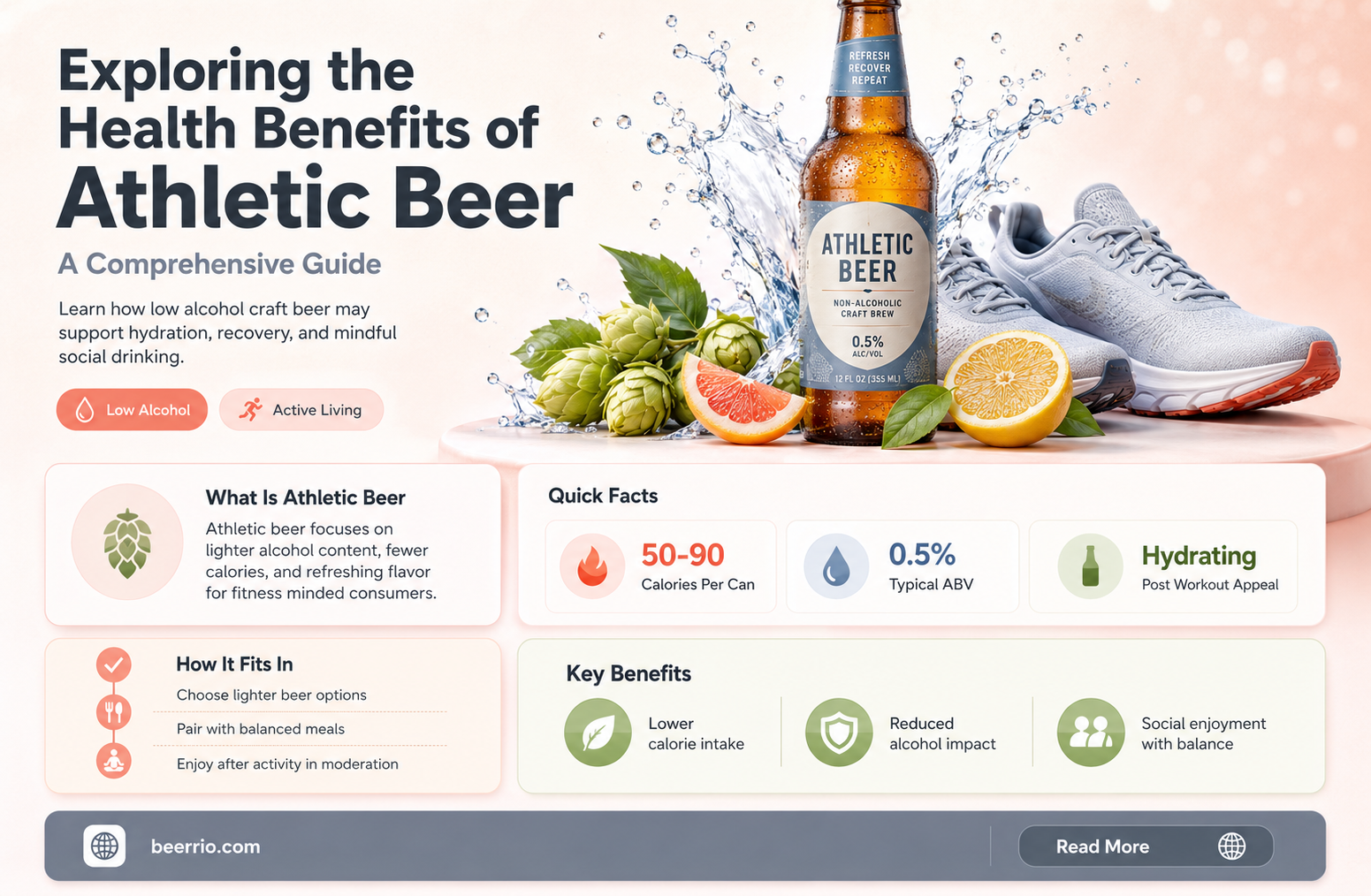
Athletic beer, often marketed as a healthier alternative to traditional beers, has gained popularity among health-conscious consumers and fitness enthusiasts. This type of beer typically contains fewer calories and carbohydrates compared to regular beers, making it seem like a more suitable choice for those looking to maintain a balanced diet while still enjoying an occasional drink. However, it's essential to examine the nutritional content and ingredients of athletic beers to determine if they truly offer significant health benefits or if they're merely a marketing gimmick. Additionally, considering the impact of alcohol consumption on athletic performance and overall health is crucial in assessing whether athletic beer can be considered a healthy option.
Explore related products


What You'll Learn
- Nutritional Content: Analyzing the vitamins, minerals, and calories in athletic beers compared to regular beers
- Hydration: Examining if the electrolyte content in some athletic beers can aid in hydration post-exercise
- Alcohol Percentage: Comparing the alcohol by volume (ABV) in athletic beers to standard beers and its impact on health
- Marketing Claims: Evaluating the health-related marketing claims made by athletic beer brands and their validity
- Consumer Impact: Discussing how the perception of athletic beer as a healthier option influences consumer behavior and choices

Nutritional Content: Analyzing the vitamins, minerals, and calories in athletic beers compared to regular beers
Athletic beers, marketed towards health-conscious consumers, often claim to offer a lighter, more nutritious alternative to traditional beers. But how do they stack up in terms of nutritional content? A closer examination reveals that while athletic beers may have fewer calories, their vitamin and mineral content is not significantly higher than that of regular beers. In fact, most athletic beers contain similar amounts of essential nutrients like vitamin B12, folate, and potassium as their regular counterparts. The primary difference lies in the calorie count, with athletic beers typically containing around 50-100 fewer calories per serving. However, it's important to note that the reduced calorie content does not necessarily translate to a healthier option, as the overall nutritional profile remains relatively unchanged.
One of the key selling points of athletic beers is their lower carbohydrate content. This is achieved by using alternative grains like quinoa or by employing different brewing processes that reduce the amount of residual sugars. While this may be beneficial for those following a low-carb diet, it's essential to consider the bigger picture. The reduced carbohydrate content does not significantly impact the overall nutritional value of the beer, and consumers should be cautious not to overconsume these beverages under the assumption that they are a healthier choice.
Another factor to consider is the presence of antioxidants in athletic beers. Some brands claim to contain higher levels of antioxidants, which can help protect the body against oxidative stress and inflammation. However, the antioxidant content in athletic beers is generally not substantially higher than that found in regular beers. Moreover, the bioavailability of these antioxidants – the extent to which they are absorbed and utilized by the body – is often lower in alcoholic beverages due to the presence of alcohol itself.
In conclusion, while athletic beers may offer a slightly lower calorie and carbohydrate option compared to regular beers, their overall nutritional content is not significantly superior. Consumers should approach these beverages with the same caution as they would regular beer, recognizing that moderation is key to maintaining a balanced and healthy diet. It's also worth noting that the nutritional content of beer can vary widely depending on the specific brand and brewing process, so it's essential to check the labels and do your research when making your beverage choices.
Exploring Healthier Alternatives: Twisted Tea vs. Beer
You may want to see also
Explore related products


Hydration: Examining if the electrolyte content in some athletic beers can aid in hydration post-exercise
Post-exercise hydration is crucial for recovery and overall health. While water is often the go-to choice for rehydration, some athletic beers claim to offer additional benefits due to their electrolyte content. Electrolytes, such as sodium, potassium, and magnesium, are essential minerals lost through sweat during physical activity. Replenishing these electrolytes is vital for maintaining proper fluid balance, nerve function, and muscle contractions.
Athletic beers typically contain a higher concentration of electrolytes compared to regular beers. For instance, a popular brand of athletic beer may contain around 100-150 mg of sodium per 12 oz serving, which is roughly 4-6% of the daily recommended intake. While this may seem like a small amount, it can contribute to overall electrolyte replenishment when consumed in moderation as part of a balanced post-exercise routine.
However, it's essential to consider the calorie and carbohydrate content of athletic beers, which can vary significantly between brands. Some athletic beers may contain upwards of 150 calories and 10 grams of carbohydrates per serving, which could impact weight management and blood sugar levels if consumed excessively. Additionally, the alcohol content in athletic beers, although typically lower than regular beers, can still contribute to dehydration if not balanced with adequate water intake.
Research on the effectiveness of athletic beers for hydration is limited, and more studies are needed to fully understand their impact on post-exercise recovery. However, some preliminary findings suggest that when consumed in moderation and as part of a balanced diet, athletic beers may offer a convenient and enjoyable way to replenish electrolytes after a workout.
In conclusion, while athletic beers may provide some hydration benefits due to their electrolyte content, they should not replace water as the primary source of post-exercise rehydration. It's crucial to consider the overall nutritional profile of athletic beers and consume them responsibly as part of a well-rounded recovery routine.
Exploring the Nutritional Benefits of Beer Bread: A Healthy Twist?
You may want to see also
Explore related products


Alcohol Percentage: Comparing the alcohol by volume (ABV) in athletic beers to standard beers and its impact on health
Athletic beers, marketed towards health-conscious consumers, often boast lower alcohol by volume (ABV) percentages compared to their standard counterparts. Typically, these beers contain around 2-4% ABV, whereas regular beers can range from 4-6% ABV or higher. This reduced alcohol content is intended to appeal to those who are mindful of their alcohol intake but still wish to enjoy a beer, perhaps after a workout or during a social event.
The lower ABV in athletic beers can have several health implications. Firstly, consuming less alcohol can lead to fewer calories ingested, which is beneficial for those watching their weight or following a specific diet. Additionally, lower alcohol consumption is generally associated with reduced risks of alcohol-related health issues such as liver damage, certain cancers, and cardiovascular diseases.
However, it's important to note that even with a lower ABV, athletic beers still contain alcohol, which can have negative effects on health if consumed excessively. The marketing of these beers as 'healthy' can sometimes be misleading, as they may still contribute to overall alcohol consumption and its associated risks. Furthermore, some athletic beers may contain added sugars or other ingredients that could negate some of the perceived health benefits.
In conclusion, while athletic beers with lower ABVs can be a better choice for those looking to reduce their alcohol intake, they should still be consumed in moderation as part of a balanced lifestyle. It's crucial to consider the overall nutritional content and individual health goals when deciding whether these beers are a healthy option.
Exploring the Health Benefits and Drawbacks of Beer-Battered Fish
You may want to see also
Explore related products


Marketing Claims: Evaluating the health-related marketing claims made by athletic beer brands and their validity
Athletic beer brands often make bold marketing claims about the health benefits of their products. These claims can range from improved hydration to enhanced athletic performance. However, it's crucial to evaluate the validity of these claims to determine whether athletic beer is truly a healthy choice for consumers.
One common claim made by athletic beer brands is that their products are more hydrating than regular beer due to the addition of electrolytes. While electrolytes are essential for maintaining proper hydration levels, especially during intense physical activity, the amount of electrolytes in athletic beer is often minimal. In fact, a study published in the Journal of the International Society of Sports Nutrition found that the electrolyte content in some athletic beers is not significantly higher than that of regular beers. Therefore, the claim that athletic beer is more hydrating may not hold up to scientific scrutiny.
Another marketing claim is that athletic beer can enhance athletic performance. Some brands suggest that their products contain ingredients that can improve endurance, reduce inflammation, or aid in muscle recovery. However, the evidence supporting these claims is often limited or inconclusive. For example, a review published in the British Journal of Sports Medicine found that there is insufficient evidence to support the use of beer, including athletic beer, as a recovery aid after exercise. Furthermore, the alcohol content in athletic beer, although typically lower than regular beer, can still have negative effects on athletic performance, such as impaired coordination and reduced reaction time.
It's also important to consider the calorie content of athletic beer. While some brands may have fewer calories than regular beer, others may have similar or even higher calorie counts. Consuming excessive calories, regardless of the source, can lead to weight gain and other health issues. Therefore, it's essential to be mindful of portion sizes and overall calorie intake when considering the healthiness of athletic beer.
In conclusion, while athletic beer brands may make enticing health-related marketing claims, it's important to approach these claims with skepticism and evaluate them based on scientific evidence. Consumers should consider factors such as electrolyte content, alcohol levels, and calorie counts when determining whether athletic beer is a healthy choice for their lifestyle.
Soda vs. Beer: Unraveling the Healthier Choice Debate
You may want to see also
Explore related products


Consumer Impact: Discussing how the perception of athletic beer as a healthier option influences consumer behavior and choices
The perception of athletic beer as a healthier option has a significant influence on consumer behavior and choices. This is evident in the increasing market share of athletic beers, which are often marketed as having fewer calories and carbohydrates than traditional beers. Consumers who are health-conscious or looking to maintain a certain level of fitness are more likely to choose athletic beer over regular beer, believing it to be a better fit for their lifestyle.
One of the key factors driving this trend is the growing awareness of the importance of a balanced diet and regular exercise. As more people become conscious of their calorie intake and the nutritional content of their food and beverages, they are more likely to opt for products that are perceived as healthier. Athletic beer, with its lower calorie and carbohydrate content, fits into this narrative of health and wellness.
Moreover, the marketing strategies employed by athletic beer brands play a crucial role in shaping consumer perceptions. These brands often use imagery and messaging that associate their products with an active, healthy lifestyle. This can include sponsoring fitness events, partnering with health and wellness influencers, and using advertising that features people engaging in physical activities. Such marketing tactics reinforce the idea that athletic beer is a suitable choice for those who are health-conscious.
However, it is important to note that the health benefits of athletic beer are often exaggerated. While it may contain fewer calories and carbohydrates than traditional beer, it is still an alcoholic beverage and should be consumed in moderation. Overconsumption of any type of alcohol can have negative health effects, regardless of its calorie content. Therefore, while athletic beer may be a slightly healthier option than regular beer, it is not a health food and should not be treated as such.
In conclusion, the perception of athletic beer as a healthier option has a tangible impact on consumer behavior and choices. This perception is driven by a combination of factors, including the growing awareness of health and wellness, the marketing strategies of athletic beer brands, and the desire for products that fit into a balanced lifestyle. However, it is essential to approach the health claims of athletic beer with a critical eye and remember that moderation is key when it comes to alcohol consumption.
Exploring the Health Benefits: Hard Cider vs. Beer Comparison
You may want to see also
Frequently asked questions
Athletic beer is typically lower in calories and carbohydrates compared to regular beer, making it a slightly healthier option for those watching their intake. However, it's important to note that any alcoholic beverage should be consumed in moderation as part of a balanced diet.
Athletic beers often use alternative grains like quinoa, millet, or buckwheat, and may include added nutrients such as electrolytes. They generally have fewer additives and preservatives, which can be appealing to health-conscious consumers.
While some athletic beers are marketed as post-workout recovery drinks, the benefits are limited. The carbohydrates can help replenish energy stores, but the alcohol content can interfere with muscle recovery and hydration. It's generally recommended to opt for non-alcoholic recovery beverages.
The alcohol content in athletic beer varies by brand, but it is often slightly lower than in regular beers. However, it's crucial to remember that alcohol is alcohol, and the effects on the body are similar regardless of the type of beer.
Some athletic beers are fortified with vitamins and minerals, which can contribute to overall health. However, these benefits are usually minimal and can be obtained from a variety of other sources. The primary appeal of athletic beer is its lower calorie and carbohydrate content.