 Arabella Franco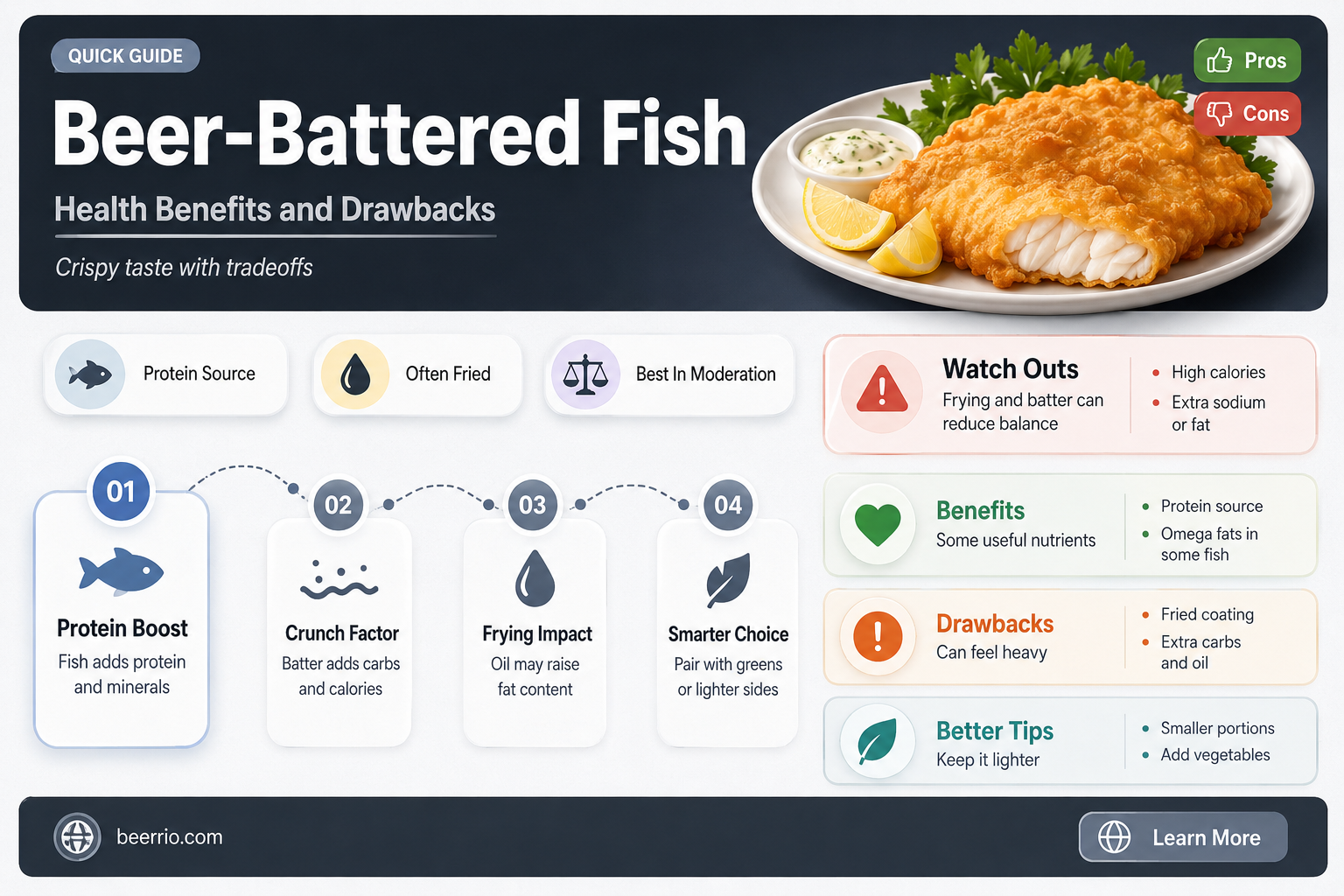
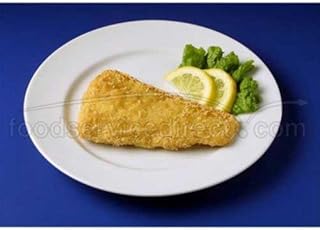
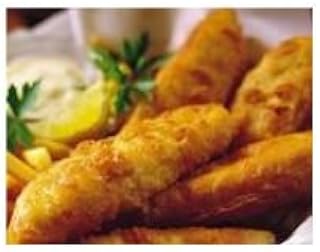
Beer battered fish is a popular dish enjoyed by many, but its healthiness is often debated. The dish typically consists of fish fillets coated in a batter made with beer, flour, and seasonings, then deep-fried until crispy. While fish is a good source of protein and omega-3 fatty acids, the beer batter and frying process add significant amounts of calories, fat, and sodium. Additionally, the beer in the batter can contribute to the dish's overall calorie count. However, some argue that the benefits of fish may outweigh the drawbacks of the batter and frying. To make beer battered fish healthier, one could consider using a lighter batter, baking instead of frying, or choosing a lower-calorie beer. Ultimately, the healthiness of beer battered fish depends on various factors, including the type of fish used, the ingredients in the batter, and the cooking method.
Explore related products


What You'll Learn
- Nutritional content: Beer battered fish provides protein, vitamins, and minerals, but also contains calories and fat
- Cooking method: Deep-frying beer battered fish increases its calorie and fat content, potentially impacting heart health
- Batter ingredients: Beer batter may contain refined flour and added sugars, which can affect blood sugar levels
- Fish type: The healthiness of beer battered fish depends on the type of fish used, with some fish being higher in omega-3 fatty acids
- Serving size: Portion control is important when consuming beer battered fish to manage calorie and fat intake

Nutritional content: Beer battered fish provides protein, vitamins, and minerals, but also contains calories and fat
Beer battered fish is a popular dish that offers a variety of nutrients, but its health benefits are often overshadowed by its high calorie and fat content. The fish itself is a good source of protein, which is essential for building and repairing tissues in the body. It also contains vitamins and minerals, such as vitamin D, which helps with calcium absorption and bone health, and selenium, which acts as an antioxidant and supports immune function.
However, the beer batter coating significantly increases the calorie and fat content of the dish. A typical serving of beer battered fish can contain anywhere from 300 to 600 calories, depending on the size of the fish and the thickness of the batter. The fat content can also be high, with some recipes calling for up to 1 cup of oil for frying. This can lead to weight gain and other health issues if consumed in excess.
To make beer battered fish a healthier option, consider using a lighter batter made with whole wheat flour and less oil. You can also bake the fish instead of frying it, which will reduce the fat content without sacrificing flavor. Additionally, pairing the fish with a side of vegetables or a salad can help balance out the meal and provide additional nutrients.
In conclusion, while beer battered fish can be a tasty and nutritious meal, it's important to be mindful of its high calorie and fat content. By making a few simple adjustments to the recipe and serving it with healthier sides, you can enjoy this dish without compromising your health goals.
Exploring the Health Benefits of Dark Beer: A Nutritional Perspective
You may want to see also
Explore related products


Cooking method: Deep-frying beer battered fish increases its calorie and fat content, potentially impacting heart health
Deep-frying beer battered fish significantly increases its calorie and fat content, which can have implications for heart health. The process of deep-frying involves submerging the fish in hot oil, which not only adds extra calories but also increases the amount of unhealthy fats. This cooking method can transform a relatively healthy protein source into a less nutritious option.
The beer batter itself contributes to the calorie count, as it typically contains flour, eggs, and beer, all of which add calories and carbohydrates. When combined with the oil used for frying, the overall fat content of the dish rises considerably. This increase in fat and calories can be particularly concerning for individuals who are watching their weight or managing heart health conditions.
Moreover, deep-frying often leads to the formation of trans fats, which are known to have negative effects on cholesterol levels and heart health. These trans fats are created when the oil is heated to high temperatures, causing a chemical change that makes the fats more solid at room temperature. Consuming foods high in trans fats has been linked to an increased risk of heart disease.
To mitigate these health concerns, alternative cooking methods such as baking or grilling can be used. These methods do not require the same amount of oil and can help retain more of the fish's natural nutrients. Additionally, using a lighter batter or a batter made with healthier ingredients can also reduce the calorie and fat content of the dish.
In conclusion, while beer battered fish can be a tasty treat, it is important to consider the cooking method and its impact on the nutritional value of the dish. Deep-frying increases the calorie and fat content, potentially affecting heart health. Opting for healthier cooking methods and ingredients can make this dish a more nutritious choice.
Exploring Healthier Alternatives: Twisted Tea vs. Beer
You may want to see also
Explore related products


Batter ingredients: Beer batter may contain refined flour and added sugars, which can affect blood sugar levels
Beer batter, commonly used for frying fish, often contains refined flour and added sugars. These ingredients can significantly impact blood sugar levels, making it a concern for individuals monitoring their glucose intake. Refined flour, stripped of its fiber and nutrients, causes a rapid spike in blood sugar due to its high glycemic index. Added sugars further exacerbate this effect, contributing to the overall calorie content without providing essential nutrients.
For those with diabetes or prediabetes, consuming beer-battered fish could lead to blood sugar imbalances if not managed properly. It's crucial to consider portion sizes and pair the dish with foods that have a lower glycemic index, such as non-starchy vegetables, to mitigate the impact on blood sugar levels. Additionally, monitoring blood glucose levels before and after consuming such meals can help in understanding how the body responds to these ingredients.
From a nutritional standpoint, beer batter adds extra calories and carbohydrates to the fish, which can be detrimental to a balanced diet if consumed in excess. Healthier alternatives, such as using whole wheat flour or almond flour and reducing the amount of added sugars, can make beer-battered fish a more suitable option for those looking to enjoy this dish while maintaining a healthier lifestyle.
In summary, while beer-battered fish can be a tasty treat, its ingredients may pose challenges for blood sugar management and overall health. Being mindful of portion sizes, choosing healthier batter alternatives, and balancing the meal with nutrient-dense foods are key strategies for enjoying this dish in a more health-conscious manner.
Ranch Water vs. Beer: Unveiling the Healthier Choice
You may want to see also
Explore related products


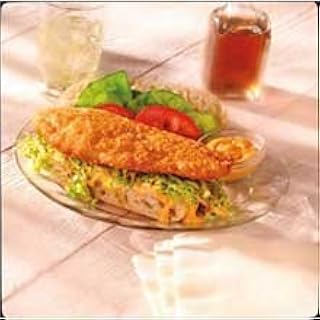
Fish type: The healthiness of beer battered fish depends on the type of fish used, with some fish being higher in omega-3 fatty acids
The healthiness of beer battered fish largely hinges on the type of fish used in the dish. Fish that are rich in omega-3 fatty acids, such as salmon, mackerel, and sardines, can provide significant nutritional benefits. These fatty acids are essential for heart health, reducing inflammation, and supporting brain function. However, not all fish are created equal in terms of their omega-3 content. For instance, white fish like cod and haddock contain less omega-3s compared to their oily counterparts.
When considering the health aspects of beer battered fish, it's also important to factor in the method of preparation. While the batter itself may add extra calories and fat, the cooking method can further impact the nutritional value. Deep-frying, a common method for preparing beer battered fish, can significantly increase the calorie and fat content, potentially negating some of the health benefits of the fish. On the other hand, baking or air-frying the fish can help retain more of its nutrients while reducing the overall fat content.
In addition to the type of fish and cooking method, the ingredients used in the batter can also influence the healthiness of the dish. Traditional beer batter often includes flour, beer, and seasonings, but variations can include healthier alternatives such as whole wheat flour or gluten-free options. The choice of beer can also make a difference, with lighter beers generally containing fewer calories than darker varieties.
To maximize the health benefits of beer battered fish, it's advisable to choose fish that are high in omega-3s and to opt for healthier cooking methods and batter ingredients. This way, you can enjoy the delicious taste of beer battered fish while still reaping its nutritional rewards.
Exploring the Nutritional Benefits of Beer Bread: A Healthy Twist?
You may want to see also
Explore related products




Serving size: Portion control is important when consuming beer battered fish to manage calorie and fat intake
The serving size of beer battered fish is a critical factor in determining its healthiness. Portion control is essential to manage calorie and fat intake, as beer battered fish can be high in both. A typical serving size of beer battered fish is around 3-4 ounces, which is roughly the size of a deck of cards. However, restaurant portions can often be much larger, leading to excessive calorie and fat consumption.
To maintain a healthy diet, it's important to be mindful of portion sizes when consuming beer battered fish. One way to do this is to use smaller plates or bowls, which can help visually control portion sizes. Additionally, it's helpful to measure out portions using a food scale or measuring cups to ensure accuracy. When dining out, consider sharing a portion of beer battered fish with a friend or family member, or ask for a to-go box to save half for later.
Another important aspect of portion control is being aware of the calorie and fat content of beer battered fish. A 3-ounce serving of beer battered fish typically contains around 200-250 calories and 10-15 grams of fat. However, this can vary depending on the type of fish, the batter recipe, and the cooking method. To make beer battered fish healthier, consider using a lighter batter recipe or baking the fish instead of frying it.
In addition to portion control, it's also important to balance beer battered fish with other healthy foods. Pairing it with a side of steamed vegetables or a salad can help increase the nutrient density of the meal while keeping calorie and fat intake in check. Furthermore, limiting the consumption of beer battered fish to occasional treats rather than regular meals can help maintain a healthy diet.
Overall, while beer battered fish can be a tasty and satisfying meal, it's important to be mindful of portion sizes and balance it with other healthy foods to maintain a well-rounded diet. By practicing portion control and making healthier preparation choices, beer battered fish can be enjoyed in moderation as part of a healthy lifestyle.
Frequently asked questions
Beer battered fish can be a tasty treat, but it's not typically considered a healthy meal option due to the high calorie and fat content from the batter and frying process.
Healthier alternatives include grilled, baked, or steamed fish, which are lower in calories and fat. You can also try using whole wheat breadcrumbs or almond flour for a healthier batter option.
To make beer battered fish slightly healthier, you can try using a lighter beer, reducing the amount of batter, or baking the fish instead of frying it. Additionally, using healthier oils for frying, like olive oil, can also help.
Fish is a great source of protein, omega-3 fatty acids, and various vitamins and minerals. Even with beer batter, fish can still provide these nutritional benefits, but it's important to balance the meal with healthier sides and moderation.


