Oisin Foster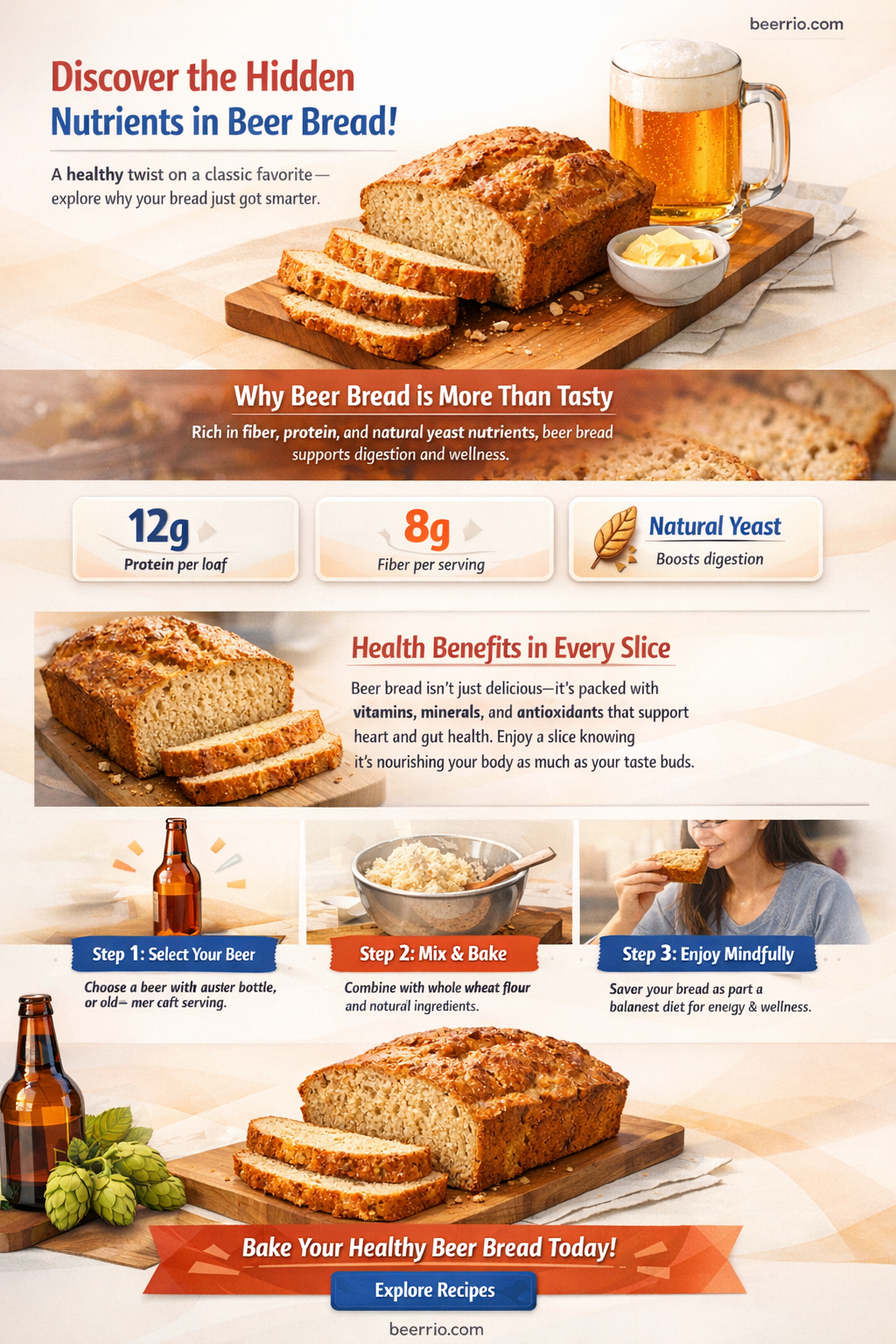
Beer bread, a popular homemade bread variety, often sparks curiosity regarding its health benefits. Made with beer as a leavening agent, this bread boasts a unique flavor profile and dense texture. While it may contain some beneficial nutrients from the beer, such as B vitamins and antioxidants, it's also typically high in calories and carbohydrates. Additionally, the alcohol content in beer bread can vary, which may be a concern for those monitoring their alcohol intake. In this article, we'll delve into the nutritional aspects of beer bread, exploring its potential health benefits and drawbacks to help you make an informed decision about incorporating it into your diet.
Explore related products




What You'll Learn
- Nutritional Content: Beer bread's calorie, protein, fiber, and vitamin content compared to traditional bread
- Ingredients Analysis: Examination of typical beer bread ingredients and their health implications
- Potential Benefits: Possible health advantages of consuming beer bread, such as improved digestion or heart health
- Drawbacks: Negative aspects of beer bread, including alcohol content and potential allergens
- Moderation Key: Recommendations on how to incorporate beer bread into a balanced diet

Nutritional Content: Beer bread's calorie, protein, fiber, and vitamin content compared to traditional bread
Beer bread, a popular variation of traditional bread, offers a unique flavor profile due to the incorporation of beer in its recipe. But how does it compare nutritionally to regular bread? A closer examination reveals some interesting differences.
In terms of calorie content, beer bread generally contains slightly more calories than traditional bread. This is primarily due to the added sugars and carbohydrates present in beer. For instance, a slice of beer bread may contain around 120-150 calories, whereas a slice of whole wheat bread typically has about 100-120 calories.
Protein content in beer bread is usually comparable to that of traditional bread, with both types providing approximately 3-4 grams of protein per slice. However, the type of protein may differ, as beer bread may contain more gluten due to the beer's barley content.
Fiber content is where beer bread falls short compared to traditional bread, particularly whole grain varieties. While beer bread may contain some fiber from the beer's barley and hops, it generally has less than half the fiber content of whole wheat bread. This is an important consideration for those looking to increase their fiber intake for digestive health.
Regarding vitamin content, beer bread may offer some unique benefits. The beer used in the recipe can contribute B vitamins, particularly B6 and B12, which are important for energy metabolism and nervous system function. However, traditional bread, especially if fortified, may still provide a more comprehensive range of vitamins and minerals.
In conclusion, while beer bread can be a tasty alternative to traditional bread, it's important to consider its nutritional profile. It may be higher in calories and lower in fiber compared to regular bread, but it can also offer some unique vitamin benefits. As with any food choice, moderation and balance are key to maintaining a healthy diet.
Explore related products


Ingredients Analysis: Examination of typical beer bread ingredients and their health implications
Typical beer bread recipes call for a few key ingredients: flour, sugar, baking powder, salt, and, of course, beer. Let's break down each of these components to understand their health implications.
Flour is the primary ingredient in beer bread, providing structure and texture. While flour can be a source of carbohydrates, which are essential for energy, it's important to note that refined white flour, which is commonly used in beer bread recipes, has had most of its fiber and nutrients stripped away. This can lead to a rapid spike in blood sugar levels, potentially contributing to insulin resistance and other health issues if consumed in excess.
Sugar is another ingredient that can have significant health implications. While it adds sweetness and helps with browning during baking, sugar is also a source of empty calories and can contribute to weight gain, tooth decay, and increased risk of chronic diseases like diabetes and heart disease. Many beer bread recipes call for a substantial amount of sugar, which can quickly add up in terms of calorie intake.
Baking powder is a leavening agent that helps beer bread rise. While it's generally considered safe in small amounts, baking powder contains sodium, which can be a concern for those with high blood pressure or other cardiovascular issues. Additionally, some baking powders contain aluminum, which has been linked to potential health risks, including Alzheimer's disease and breast cancer.
Salt is another ingredient that can have health implications, particularly for those with high blood pressure or heart disease. While salt is necessary for flavor and texture in beer bread, it's important to use it in moderation and consider using sea salt or other lower-sodium alternatives.
Finally, beer itself can have both positive and negative health implications. On the one hand, beer contains antioxidants and may have some heart-healthy benefits when consumed in moderation. On the other hand, beer is also high in calories and can contribute to weight gain, liver damage, and other health issues if consumed excessively. Additionally, the alcohol content in beer can have negative effects on the body, particularly when consumed in large amounts or over a long period of time.
In conclusion, while beer bread can be a tasty treat, it's important to consider the health implications of its ingredients. By using whole wheat flour, reducing the amount of sugar, and choosing lower-sodium baking powder and salt, you can make a healthier version of beer bread. Additionally, consuming beer bread in moderation and being mindful of your overall alcohol intake can help minimize potential health risks.
Explore related products


Potential Benefits: Possible health advantages of consuming beer bread, such as improved digestion or heart health
Beer bread, a culinary delight that combines the richness of beer with the wholesomeness of bread, has been gaining popularity not just for its unique flavor but also for its potential health benefits. One of the key advantages of consuming beer bread is its positive impact on digestion. The yeast present in beer acts as a probiotic, promoting the growth of beneficial bacteria in the gut. This can lead to improved digestion, reduced bloating, and a healthier gut microbiome. Additionally, the fiber content in whole grain beer bread can aid in maintaining regular bowel movements and preventing constipation.
Another potential health benefit of beer bread is its effect on heart health. Moderate consumption of beer has been linked to a reduced risk of heart disease, and when combined with the heart-healthy properties of whole grains, beer bread can be a beneficial addition to a balanced diet. The antioxidants found in beer, such as flavonoids, can help protect against oxidative stress and inflammation, which are key factors in the development of heart disease. Furthermore, the soluble fiber in beer bread can help lower cholesterol levels, contributing to a healthier cardiovascular system.
It's important to note that these health benefits are most pronounced when beer bread is consumed in moderation and as part of a balanced diet. Excessive consumption of beer, even in the form of beer bread, can lead to negative health effects such as weight gain, liver damage, and increased risk of certain cancers. Therefore, it's crucial to enjoy beer bread responsibly and in conjunction with other nutritious foods.
In conclusion, beer bread can offer several health advantages, particularly in terms of improved digestion and heart health. By incorporating moderate amounts of beer bread into a well-rounded diet, individuals can potentially reap these benefits while also enjoying the unique taste and texture of this delicious food.
Explore related products


Drawbacks: Negative aspects of beer bread, including alcohol content and potential allergens
While beer bread may seem like a tasty treat, it's important to consider the potential drawbacks. One of the main concerns is the alcohol content, which can vary depending on the type of beer used and the baking process. Even if the bread is baked long enough to evaporate most of the alcohol, there may still be trace amounts present. This could be a problem for individuals who are sensitive to alcohol, pregnant women, or those who avoid alcohol for religious or personal reasons.
Another potential issue with beer bread is the presence of allergens. Beer itself contains gluten, which is a common allergen that can cause adverse reactions in people with celiac disease or gluten intolerance. Additionally, some beers may contain other allergens such as nuts, soy, or wheat. When these allergens are incorporated into the bread, they can pose a risk to individuals with severe allergies.
It's also worth noting that beer bread may not be suitable for children. The alcohol content, even if minimal, could be problematic for young children, and the allergens present in the bread could cause allergic reactions. Furthermore, the dense texture and strong flavor of beer bread may not be appealing to children, making it a less-than-ideal choice for family meals.
In conclusion, while beer bread can be a delicious addition to many meals, it's important to be aware of the potential drawbacks. The alcohol content and presence of allergens make it a less-than-ideal choice for certain individuals, and it may not be suitable for children. As with any food, it's important to consider your own dietary needs and restrictions before consuming beer bread.
Explore related products



Moderation Key: Recommendations on how to incorporate beer bread into a balanced diet
Incorporating beer bread into a balanced diet requires a thoughtful approach, considering its unique nutritional profile. Beer bread, often made with whole grains and brewed beer, can offer some health benefits when consumed in moderation. To ensure it fits within a balanced diet, it's essential to understand portion sizes and pairing options.
One recommendation is to limit the serving size of beer bread to one slice per meal, as it can be calorie-dense. Pairing it with lean proteins, such as grilled chicken or fish, and plenty of vegetables can help create a well-rounded meal. Additionally, opting for homemade beer bread using whole grain flours and minimal added sugars can increase its nutritional value.
It's also important to consider the alcohol content in beer bread, especially for those who need to monitor their alcohol intake. Cooking the bread can help reduce the alcohol content, but it's still crucial to be mindful of consumption, especially for individuals with certain health conditions or those taking medications that interact with alcohol.
In summary, beer bread can be a part of a balanced diet when consumed in moderation, paired with nutritious foods, and prepared with healthful ingredients. Being aware of portion sizes, alcohol content, and overall dietary needs is key to enjoying beer bread as part of a well-rounded eating plan.
Frequently asked questions
Beer bread is not typically considered a healthy food option due to its high calorie, carbohydrate, and alcohol content. It is often made with refined flour and added sugars, which can contribute to weight gain and other health issues if consumed in excess.
Consuming beer bread can lead to several health risks, including weight gain, increased blood sugar levels, and liver damage due to its alcohol content. Additionally, the refined flour and added sugars in beer bread can contribute to nutrient deficiencies and increased risk of chronic diseases such as heart disease and diabetes.
Yes, beer bread can be made healthier by using alternative ingredients such as whole wheat flour, natural sweeteners like honey or maple syrup, and reducing the amount of alcohol used in the recipe. These modifications can help to increase the nutritional value of the bread and reduce its potential health risks.
The alcohol content in beer bread can significantly impact its nutritional value. Alcohol is high in calories and can contribute to weight gain if consumed in excess. Additionally, alcohol can interfere with the absorption of certain nutrients, such as vitamins and minerals, which can lead to nutrient deficiencies over time.
Beer bread is not a good option for individuals with certain dietary restrictions or health conditions. For example, individuals with celiac disease or gluten intolerance should avoid beer bread due to its wheat content. Additionally, individuals with diabetes or liver disease should limit their consumption of beer bread due to its high carbohydrate and alcohol content.


![Whole Grain Bread | Sandwich Bread | 3 Flavor Variety Bundle | (1) 12 Grain Bread (1) 6 Grain Bread (1) 100% Whole Wheat Bread | 16 oz per Loaf - Stern's Bakery [ 3 Loaves of Bread Included ]](https://m.media-amazon.com/images/I/819iWxdXoLL._AC_UL320_.jpg)