Oisin Foster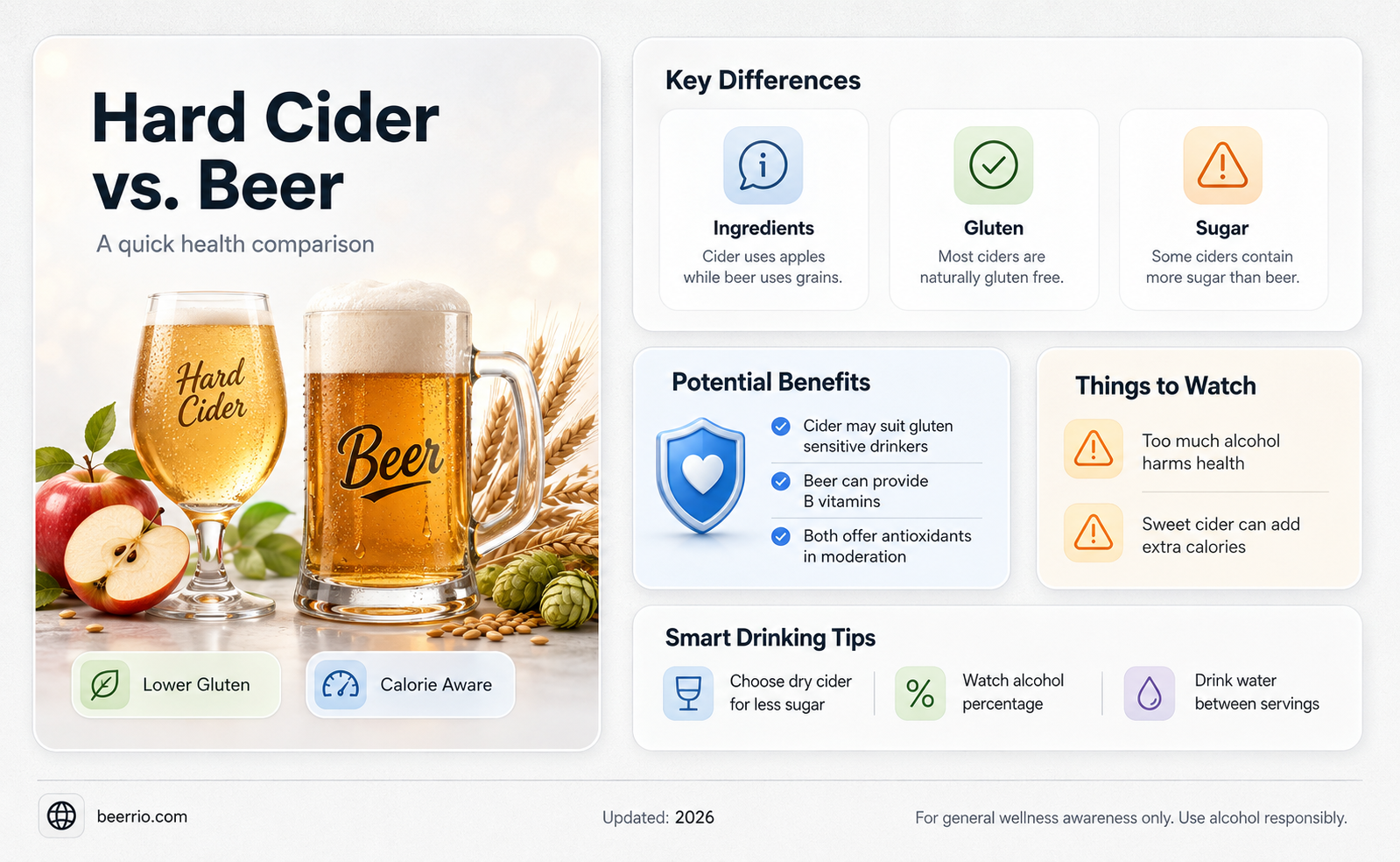
When comparing the health benefits of hard cider versus beer, several factors come into play. Hard cider, typically made from fermented apple juice, contains antioxidants and polyphenols that may offer some health advantages. Beer, on the other hand, is brewed from grains like barley and wheat and can contain a variety of nutrients depending on the type. Both beverages have their own set of potential health benefits and drawbacks, making it difficult to definitively say which is healthier without considering individual consumption habits and overall diet.
| Characteristics | Values |
|---|---|
| Calories | Hard cider generally has fewer calories than beer. A typical 12 oz serving of hard cider contains around 150-200 calories, while beer can range from 100-200+ calories depending on the type. |
| Sugar Content | Hard cider tends to have higher sugar content than beer due to the natural sugars from apples. However, some ciders are made with less sugar or are sugar-free. |
| Alcohol Content | The alcohol content in hard cider and beer can vary widely. Hard ciders typically range from 4-7% ABV, while beers can range from 3-10% ABV or more. |
| Carbohydrates | Hard cider usually contains fewer carbohydrates than beer. A standard serving of hard cider may have around 10-20 grams of carbs, compared to 15-30 grams or more in beer. |
| Gluten | Hard cider is naturally gluten-free, making it a suitable option for those with gluten sensitivities or celiac disease. Beer, unless specifically labeled as gluten-free, contains gluten from the grains used in brewing. |
| Antioxidants | Hard cider, especially those made from whole apples, can contain antioxidants like quercetin and catechin. Beer also contains some antioxidants, but the type and amount can vary greatly depending on the ingredients used. |
| Artificial Additives | Some hard ciders may contain artificial additives like preservatives or flavorings, but many are made without them. Beer often contains additives such as preservatives, stabilizers, and flavorings. |
| Serving Size | The standard serving size for hard cider is typically 12 oz, similar to beer. However, some ciders are served in smaller or larger portions depending on the brand and type. |
| Taste Profile | Hard cider has a distinct apple flavor profile, which can range from sweet to tart to dry. Beer has a wide variety of taste profiles depending on the style, from light and crisp to dark and robust. |
| Production Process | Hard cider is made by fermenting apple juice, while beer is made by fermenting grain (usually barley) that has been brewed with water and hops. The production processes differ significantly, affecting the final product's nutritional content and taste. |
| Cultural Perception | Hard cider is often perceived as a more casual, autumnal drink, while beer is a staple in many social settings year-round. This perception can influence consumption patterns and preferences. |
| Availability | Hard cider is widely available in many regions, but its selection may be more limited compared to beer, which is one of the most widely consumed alcoholic beverages globally. |
| Price Point | The price of hard cider can vary, but it is often comparable to or slightly more expensive than beer, depending on the brand and quality. |
| Food Pairing | Hard cider pairs well with a variety of foods, particularly those with apple or autumnal flavors. Beer also pairs well with many foods, but the specific pairings depend on the beer's style and flavor profile. |
| Health Benefits | Some studies suggest that moderate consumption of hard cider may offer health benefits due to its antioxidant content and potential to improve heart health. Beer has also been associated with some health benefits when consumed in moderation, such as improved heart health and reduced risk of certain diseases. |
| Risks | Excessive consumption of hard cider or beer can lead to health risks, including liver damage, increased risk of certain cancers, and addiction. It is important to consume both beverages responsibly and in moderation. |
Explore related products


What You'll Learn
- Calorie Comparison: Analyzing the caloric content of hard cider versus beer
- Sugar Content: Examining the sugar levels in hard cider compared to beer
- Alcohol by Volume (ABV): Comparing the alcohol content of hard cider and beer
- Nutrient Profile: Investigating the presence of vitamins and minerals in hard cider versus beer
- Health Benefits: Exploring potential health advantages of choosing hard cider over beer

Calorie Comparison: Analyzing the caloric content of hard cider versus beer
Analyzing the caloric content of hard cider versus beer reveals some interesting insights. On average, a 12-ounce serving of hard cider contains approximately 100-120 calories, while the same serving size of beer can range from 90 to 150 calories depending on the type. Light beers tend to be on the lower end of the calorie spectrum, while craft beers and stouts can be significantly higher.
One factor contributing to the calorie difference is the sugar content. Hard ciders often contain added sugars to enhance sweetness, which can increase the calorie count. However, some ciders are made with natural fruit sugars or are fermented in a way that reduces sugar content, making them a potentially healthier option.
Another consideration is the alcohol by volume (ABV) percentage. Generally, hard ciders have a lower ABV than beers, which can result in fewer calories from alcohol. However, this is not always the case, as some ciders can have higher ABVs than certain beers.
When comparing the two beverages, it's also important to consider portion sizes. While a standard serving of beer is typically 12 ounces, some ciders are served in larger formats, such as 16 or 22 ounces. This can significantly impact the calorie intake if not consumed in moderation.
In conclusion, while hard cider may be a healthier option in terms of calories for some individuals, it's essential to consider factors such as sugar content, ABV, and portion sizes when making a comparison. As with any alcoholic beverage, moderation is key to maintaining a balanced and healthy diet.
Exploring Healthier Alternatives: Twisted Tea vs. Beer
You may want to see also
Explore related products


Sugar Content: Examining the sugar levels in hard cider compared to beer
Hard cider and beer are both popular alcoholic beverages, but they differ significantly in their sugar content. Cider is made from fermented apple juice, which naturally contains sugars that are converted into alcohol during the fermentation process. Beer, on the other hand, is typically made from grains such as barley, wheat, or rice, which are converted into fermentable sugars through a process called mashing. This fundamental difference in ingredients leads to varying sugar levels in the final products.
Generally, hard cider tends to have higher sugar content than beer. This is because apple juice naturally contains more sugars than the starches found in grains. During fermentation, these sugars are partially converted into alcohol, but some residual sugar remains in the cider. This residual sugar contributes to the cider's sweetness and can affect its overall taste profile. In contrast, beer usually has lower sugar content because the starches in grains are more efficiently converted into alcohol during fermentation, leaving behind less residual sugar.
However, it's important to note that sugar content can vary widely among different brands and types of both cider and beer. Some ciders are made with added sugars to enhance sweetness, while others may be drier with less residual sugar. Similarly, some beers, particularly those with higher alcohol content or certain styles like Belgian ales, may have more residual sugar than others.
When considering the health implications of sugar content, it's essential to look at the bigger picture. While sugar can contribute to calorie content and potentially impact blood sugar levels, the overall nutritional profile of a beverage also matters. Both cider and beer contain calories, carbohydrates, and alcohol, which should be consumed in moderation as part of a balanced diet.
In conclusion, hard cider generally has higher sugar content than beer due to the natural sugars found in apple juice. However, the sugar content can vary among different brands and types of both beverages. When evaluating the healthiness of cider versus beer, it's important to consider not only sugar content but also other nutritional factors and to consume both in moderation.
Ranch Water vs. Beer: Unveiling the Healthier Choice
You may want to see also
Explore related products





Alcohol by Volume (ABV): Comparing the alcohol content of hard cider and beer
Hard cider and beer are both popular alcoholic beverages, but they differ significantly in their alcohol by volume (ABV) content. ABV is a measure of the percentage of alcohol present in a beverage. Generally, beers have a higher ABV than hard ciders. For instance, a typical lager or ale might have an ABV ranging from 4% to 6%, while hard ciders usually fall between 4% and 8%. However, there are exceptions, such as craft beers and specialty ciders, which can have much higher ABVs.
The fermentation process plays a crucial role in determining the ABV of these beverages. Beer is made from fermented grains, primarily barley, while hard cider is made from fermented apple juice. The natural sugars in the apple juice can lead to a higher alcohol content if not carefully controlled during fermentation. Brewers and cider makers can adjust the ABV by altering the fermentation time, temperature, and the amount of sugar added to the mixture.
When comparing the health impacts of hard cider and beer, ABV is an important factor to consider. Higher alcohol content can lead to increased calorie intake and potential health risks such as liver damage, weight gain, and impaired judgment. However, moderate consumption of both beverages can have some health benefits, such as improved heart health and reduced risk of certain diseases. It's essential to note that these benefits are associated with moderate drinking, defined as up to one drink per day for women and up to two drinks per day for men.
In terms of nutritional content, hard cider and beer also have some differences. Hard cider is typically lower in carbohydrates and calories compared to beer. A standard 12-ounce serving of hard cider may contain around 100-150 calories, while a similar serving of beer can range from 150-200 calories. Additionally, hard cider is often gluten-free, making it a suitable option for individuals with gluten sensitivities or celiac disease.
Ultimately, whether hard cider is healthier than beer depends on various factors, including ABV, serving size, and individual health considerations. It's important to consume both beverages responsibly and in moderation to minimize potential health risks. When making a choice between the two, consider not only the ABV but also other factors such as calorie content, nutritional value, and personal taste preferences.
Exploring the Health Benefits and Drawbacks of Beer-Battered Fish
You may want to see also
Explore related products




Nutrient Profile: Investigating the presence of vitamins and minerals in hard cider versus beer
Hard cider and beer are both popular alcoholic beverages, but they differ significantly in their nutrient profiles. While beer is typically made from grains such as barley, wheat, or rye, hard cider is made from apples. This difference in ingredients leads to distinct variations in the vitamins and minerals present in each drink.
One of the key nutrients found in hard cider is vitamin C, which is abundant in apples. In contrast, beer contains very little vitamin C. However, beer does contain some B vitamins, particularly niacin (B3) and riboflavin (B2), which are not present in significant amounts in hard cider. These B vitamins play important roles in energy metabolism and maintaining healthy skin and nerves.
In terms of minerals, hard cider is a good source of potassium, which is essential for maintaining proper fluid balance and supporting healthy blood pressure. Beer, on the other hand, contains more phosphorus, which is important for bone health and energy production. Both beverages contain small amounts of other minerals such as calcium, magnesium, and iron.
It's important to note that while hard cider may have some nutritional advantages over beer, it is also typically higher in sugar content. This can contribute to a higher calorie count, which may be a consideration for those watching their weight or managing their blood sugar levels. Additionally, the alcohol content in hard cider can vary widely, so it's essential to consume it in moderation.
In conclusion, when comparing the nutrient profiles of hard cider and beer, it's clear that each beverage has its own unique set of vitamins and minerals. While hard cider is a good source of vitamin C and potassium, beer contains more B vitamins and phosphorus. Ultimately, the choice between the two may come down to personal preference and individual nutritional needs.
Exploring the Health Benefits of Dark Beer: A Nutritional Perspective
You may want to see also
Explore related products

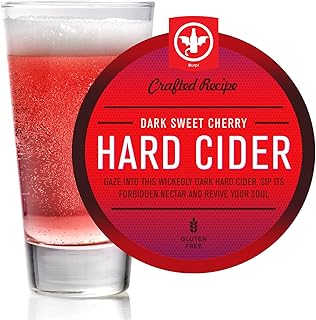


Health Benefits: Exploring potential health advantages of choosing hard cider over beer
Hard cider, when compared to beer, offers several potential health advantages that are worth exploring. One significant benefit is its lower calorie content. On average, a 12-ounce serving of hard cider contains around 100-150 calories, whereas beer can range from 150-250 calories per serving. This makes hard cider a more calorie-conscious choice for those looking to enjoy an alcoholic beverage without the added caloric intake.
Another health benefit of hard cider is its gluten-free nature. Unlike beer, which is typically made from grains containing gluten, hard cider is made from apples and does not contain any gluten. This makes it a suitable option for individuals with celiac disease or gluten sensitivities who still wish to consume alcohol.
Hard cider also contains antioxidants, which can help protect the body against oxidative stress and inflammation. These antioxidants are derived from the apples used in the cider-making process and can contribute to overall health and well-being.
Furthermore, hard cider has a lower glycemic index compared to beer. This means that it is less likely to cause a rapid spike in blood sugar levels, making it a better choice for individuals with diabetes or those who are watching their blood sugar intake.
It is important to note, however, that moderation is key when it comes to consuming any alcoholic beverage. While hard cider may offer some health benefits over beer, excessive consumption can still lead to negative health effects. It is recommended to enjoy hard cider in moderation as part of a balanced and healthy lifestyle.
Exploring the Nutritional Benefits of Beer Bread: A Healthy Twist?
You may want to see also
Frequently asked questions
The healthiness of hard cider compared to beer depends on several factors, including ingredients, production methods, and consumption in moderation. Generally, hard cider can be a healthier alternative to beer due to its lower calorie and carbohydrate content. However, it's essential to consider individual dietary needs and preferences.
Hard cider typically contains fewer calories and carbohydrates than beer. On average, a 12-ounce serving of hard cider has around 100-150 calories and 10-20 grams of carbohydrates, while beer can range from 100-200 calories and 10-30 grams of carbohydrates per serving. Additionally, hard cider may have a lower alcohol content than some beers, which can contribute to its perceived health benefits.
Some studies suggest that hard cider may have unique health benefits due to its polyphenol content, which comes from the apples used in its production. Polyphenols are antioxidants that can help protect against cell damage and reduce inflammation. However, more research is needed to fully understand the potential health benefits of hard cider.
Yes, there are situations where beer might be a healthier choice than hard cider. For example, if you're looking for a lower-alcohol option, some beers have lower alcohol by volume (ABV) than hard ciders. Additionally, if you're watching your sugar intake, some beers may have fewer added sugars than hard ciders. It's essential to consider your individual health goals and preferences when making a choice.
To make an informed decision about whether to choose hard cider or beer, consider the following factors:
- Calorie and carbohydrate content: If you're watching your calorie or carbohydrate intake, hard cider may be a better choice.
- Alcohol content: If you're looking for a lower-alcohol option, some beers may be a better choice.
- Ingredients: Consider the ingredients used in the production of both hard cider and beer, and choose the option that aligns with your dietary preferences.
- Personal taste: Ultimately, the choice between hard cider and beer comes down to personal taste. Choose the option that you enjoy the most and can consume in moderation.