Harmony Chandler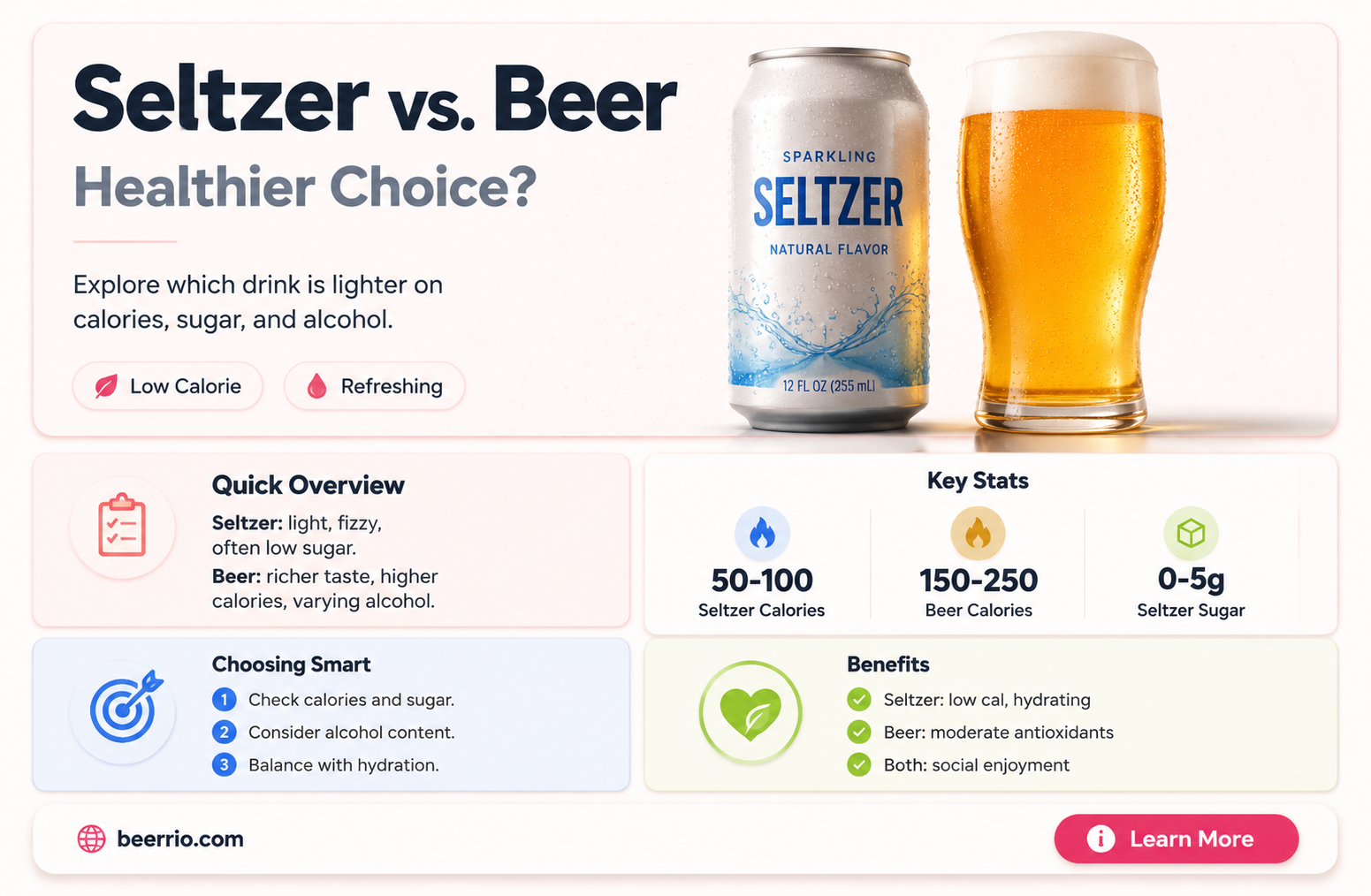
Seltzers have gained popularity as a refreshing and often lower-calorie alternative to traditional beers. With the rise of health-conscious consumers, many are turning to seltzers as a guilt-free way to enjoy a fizzy drink without the added sugars and carbohydrates found in some beers. But are seltzers truly healthier than beer? This question isn't straightforward, as the healthiness of a beverage depends on various factors, including ingredients, serving size, and individual dietary needs. Let's delve into the nutritional aspects of both seltzers and beers to better understand their health implications.
| Characteristics | Values |
|---|---|
| Calories | Seltzers generally have fewer calories than beer. A typical 12 oz seltzer may have around 100 calories, while a similar serving of beer can range from 150 to 300 calories depending on the type. |
| Alcohol Content | Both seltzers and beers contain alcohol, but seltzers usually have a lower alcohol by volume (ABV) percentage. Seltzers often range from 4% to 6% ABV, while beers can vary widely from 4% to over 10% ABV. |
| Carbohydrates | Seltzers typically have fewer carbohydrates than beer. A standard seltzer might contain around 2-4 grams of carbs, whereas beer can have anywhere from 10 to 30 grams or more per serving. |
| Sugar Content | Many seltzers are made with natural flavors and contain little to no added sugars. Beers, on the other hand, can contain significant amounts of sugar, especially flavored or craft beers. |
| Sodium Content | Seltzers often have higher sodium content due to the carbonation process. A 12 oz seltzer might contain around 100-200 mg of sodium, while beer generally has less, around 50-100 mg per serving. |
| Ingredients | Seltzers are typically made from purified water, yeast, sugar, and natural flavors. Beers are brewed from grains (usually barley), hops, yeast, and water, and may include additional ingredients like fruits, spices, or adjuncts. |
| Gluten Content | Most seltzers are gluten-free, as they are not made from grains. However, some beers are also gluten-free, made from alternative grains like rice or sorghum, or through processes that remove gluten. |
| Flavor Profile | Seltzers are known for their crisp, refreshing taste with a hint of fruit or other natural flavors. Beers offer a wide range of flavor profiles, from light and crisp to rich and complex, depending on the brewing style and ingredients. |
| Serving Size | Both seltzers and beers are commonly served in 12 oz cans or bottles. However, craft beers and specialty seltzers may come in larger or smaller serving sizes. |
| Price | The price of seltzers and beers can vary widely depending on the brand, quality, and location. Generally, craft beers and premium seltzers tend to be more expensive than mass-produced options. |
| Availability | Seltzers and beers are widely available in most regions, but the variety and selection may differ. Craft beers and specialty seltzers might be more readily available in urban areas or specialty stores. |
| Cultural Perception | Beer has a long-standing cultural presence in many societies and is often associated with social gatherings and events. Seltzers, while gaining popularity, are sometimes seen as a newer, trendy alternative. |
| Brewing Process | The brewing process for seltzers involves fermenting a mixture of water, sugar, and yeast, then adding natural flavors. Beer brewing is more complex, involving malting, mashing, boiling, fermenting, conditioning, and packaging. |
| Health Benefits | Some studies suggest that moderate consumption of certain types of beer, particularly those with higher antioxidant content, may have health benefits. However, seltzers are often marketed as a healthier alternative due to their lower calorie and carbohydrate content. |
| Environmental Impact | The production of both seltzers and beers has environmental impacts, including water usage, energy consumption, and waste generation. However, some breweries and seltzer producers are implementing sustainable practices to reduce their footprint. |
Explore related products


What You'll Learn
- Calorie Comparison: Analyzing the caloric content of seltzers versus beers to determine which is lower in calories
- Alcohol Content: Comparing the alcohol by volume (ABV) percentages to assess the alcoholic strength of each beverage
- Nutrient Profile: Evaluating the presence of vitamins, minerals, and other nutrients in seltzers and beers
- Additives and Ingredients: Investigating the use of artificial flavors, colors, and preservatives in both drink types
- Health Benefits: Exploring potential health advantages, such as hydration or antioxidant properties, associated with consuming seltzers or beers

Calorie Comparison: Analyzing the caloric content of seltzers versus beers to determine which is lower in calories
Analyzing the caloric content of seltzers versus beers reveals some interesting insights. On average, a 12-ounce serving of beer contains around 150 calories, with light beers typically ranging from 90 to 120 calories per serving. In contrast, seltzers are generally much lower in calories, with many brands offering options that are under 100 calories per 12-ounce serving. Some seltzers are even as low as 50 calories per serving, making them a significantly lower-calorie alternative to beer.
However, it's important to note that not all seltzers are created equal. Some flavored seltzers can be quite high in calories, especially those that contain added sugars or artificial sweeteners. When comparing the caloric content of seltzers and beers, it's crucial to look at the specific product and serving size to get an accurate picture. Additionally, while seltzers may be lower in calories, they often lack the nutritional benefits that some beers provide, such as B vitamins and antioxidants.
In conclusion, if you're looking to reduce your calorie intake, seltzers can be a healthier alternative to beer. However, it's essential to choose seltzers wisely and be mindful of added sugars and artificial ingredients. As with any dietary choice, moderation is key, and it's always a good idea to consult with a healthcare professional before making significant changes to your diet.
Exploring the Health Benefits and Drawbacks of Beer-Battered Fish
You may want to see also
Explore related products


$35.99


Alcohol Content: Comparing the alcohol by volume (ABV) percentages to assess the alcoholic strength of each beverage
The alcohol content of a beverage is a critical factor in determining its overall health impact. When comparing seltzers and beers, it's essential to look at the alcohol by volume (ABV) percentages to assess their relative strengths. Typically, beers have a higher ABV than seltzers, ranging from 4% to 6% or more, while seltzers usually fall between 4% and 5% ABV. This difference in alcohol content can influence the number of calories, the potential for intoxication, and the overall health effects of each drink.
For instance, a standard 12-ounce beer with a 5% ABV contains approximately 150 calories, while a seltzer of the same size with a 4.5% ABV might have around 120 calories. This calorie difference can add up over time, affecting weight management and overall dietary intake. Additionally, the lower alcohol content in seltzers may make them a more suitable option for those looking to moderate their alcohol consumption or avoid the stronger effects associated with higher ABV beverages.
However, it's important to note that the healthiness of a beverage isn't solely determined by its alcohol content. Other factors, such as the presence of additives, sugars, and artificial flavors, can also impact the nutritional value and potential health risks of a drink. Therefore, while seltzers may have a lower ABV than beers, it's crucial to consider the broader nutritional profile of each beverage when making health-conscious choices.
In conclusion, comparing the alcohol content of seltzers and beers can provide valuable insights into their relative strengths and potential health impacts. By understanding the ABV percentages and how they translate into calorie content and other health factors, individuals can make more informed decisions about their beverage choices and overall dietary habits.
Exploring the Health Benefits of Dark Beer: A Nutritional Perspective
You may want to see also
Explore related products


Nutrient Profile: Evaluating the presence of vitamins, minerals, and other nutrients in seltzers and beers
Seltzers and beers both undergo fermentation processes, but they differ significantly in their nutrient profiles. While beer is known for containing certain B vitamins and minerals like silicon, seltzers typically have a more limited nutrient content due to their simpler ingredients and lower alcohol content. However, some seltzers are fortified with vitamins and minerals to appeal to health-conscious consumers.
Analyzing the nutrient content of seltzers and beers involves looking at the specific ingredients used in their production. Traditional beers often contain barley, hops, yeast, and water, which contribute to their nutrient profile. Seltzers, on the other hand, are usually made from carbonated water, yeast, and sometimes added flavors or nutrients. This difference in ingredients results in varying levels of vitamins, minerals, and other nutrients between the two beverages.
One key nutrient found in beer is silicon, which is derived from the barley and hops used in brewing. Silicon is important for bone health and may have other health benefits. However, the amount of silicon in beer can vary depending on the type of beer and the brewing process. Seltzers, unless fortified, typically do not contain significant amounts of silicon.
In terms of vitamins, some beers contain B vitamins, particularly niacin (B3), riboflavin (B2), and folate (B9). These vitamins are important for energy metabolism, skin health, and cell growth. Seltzers may also contain B vitamins if they are added during the fermentation process or if they are fortified. However, the vitamin content in seltzers is generally lower than in beer.
When evaluating the nutrient profile of seltzers and beers, it is important to consider the overall dietary context. While both beverages can contribute to nutrient intake, they should be consumed in moderation as part of a balanced diet. Additionally, individuals with specific dietary needs or restrictions should consult with a healthcare professional to determine the best choices for their nutrient intake.
In conclusion, the nutrient profile of seltzers and beers differs due to their ingredients and production processes. Beer contains certain vitamins and minerals, such as silicon and B vitamins, while seltzers typically have a more limited nutrient content unless fortified. When considering the health implications of these beverages, it is important to look at the overall nutrient profile and consume them in moderation as part of a balanced diet.
Exploring Healthier Alternatives: Twisted Tea vs. Beer
You may want to see also
Explore related products




Additives and Ingredients: Investigating the use of artificial flavors, colors, and preservatives in both drink types
Artificial additives are a common concern for consumers when comparing the health impacts of seltzers and beers. While both beverages may contain artificial flavors, colors, and preservatives, the types and amounts can vary significantly. For instance, some seltzers are marketed as having no artificial flavors or colors, relying instead on natural fruit extracts and spices for taste and appearance. In contrast, many beers contain caramel color, which is an artificial coloring derived from sugar. This additive is often used to give beers their characteristic dark color, but it has been linked to potential health risks, including an increased risk of cancer.
Preservatives are another area of concern. Some seltzers may contain preservatives like potassium sorbate or sodium benzoate to extend their shelf life. While these preservatives are generally considered safe in small amounts, they can cause allergic reactions or other health issues in some individuals. Beers, on the other hand, often contain sulfites as preservatives, which can trigger asthma attacks in sensitive individuals. Additionally, some beers may contain formaldehyde, a known carcinogen, as a byproduct of the brewing process.
When investigating the use of artificial additives in seltzers and beers, it's important to consider the overall dietary impact of these beverages. While seltzers may be lower in calories and carbohydrates than beers, they can still contribute to weight gain and other health issues if consumed in excess. Similarly, while beers may contain some beneficial compounds like antioxidants, they can also be high in calories and alcohol content, which can have negative health effects when consumed in large quantities.
To make informed choices about seltzers and beers, consumers should carefully read labels and ingredient lists. Look for beverages that are free from artificial flavors, colors, and preservatives whenever possible. Additionally, consider the overall nutritional content of the beverage, including calorie and carbohydrate content, as well as any potential health risks associated with specific ingredients or additives. By being mindful of these factors, consumers can make healthier choices when it comes to their beverage selections.
Ranch Water vs. Beer: Unveiling the Healthier Choice
You may want to see also
Explore related products




Health Benefits: Exploring potential health advantages, such as hydration or antioxidant properties, associated with consuming seltzers or beers
Seltzers and beers both offer potential health benefits when consumed in moderation. One of the primary advantages of seltzers is their high water content, which can contribute to hydration. Staying properly hydrated is essential for overall health, aiding in digestion, circulation, and temperature regulation. Beers, on the other hand, contain antioxidants such as flavonoids and polyphenols, which can help protect cells from damage caused by free radicals. Moderate beer consumption has been linked to a reduced risk of heart disease, thanks to these antioxidant properties.
However, it's important to note that these benefits come with caveats. Seltzers, while hydrating, often contain added sugars and artificial flavors that can negate some of their health advantages. Beers, while containing antioxidants, are also high in calories and alcohol, which can lead to weight gain and other health issues if consumed excessively. When comparing the two, it's crucial to consider the overall nutritional profile and potential risks associated with each beverage.
In terms of specific health benefits, seltzers may be a better choice for those looking to increase their water intake without the calories or alcohol content found in beer. On the other hand, beers may offer more significant antioxidant benefits, particularly for heart health, when consumed in moderation. It's also worth noting that individual tolerance and health conditions can play a significant role in determining which beverage is healthier for a particular person.
Ultimately, the key to reaping the health benefits of either seltzers or beers lies in moderation and mindful consumption. Being aware of the nutritional content and potential risks associated with each beverage can help individuals make informed choices about their consumption habits.
Exploring the Nutritional Benefits of Beer Bread: A Healthy Twist?
You may want to see also
Frequently asked questions
Seltzers are typically lower in calories and carbohydrates compared to beer, making them a healthier alternative for those watching their intake. However, it's important to note that the healthiness of a beverage also depends on its ingredients and any added sugars or artificial flavors.
Some seltzers are alcoholic, while others are non-alcoholic. Alcoholic seltzers usually have an alcohol by volume (ABV) content ranging from 4% to 6%, similar to light beers. Non-alcoholic seltzers are a great option for those who prefer not to consume alcohol or are looking for a refreshing beverage without the effects of alcohol.
On average, a 12-ounce serving of beer contains around 150 calories and 13 grams of carbohydrates. In contrast, a similar serving of seltzer typically has about 100 calories and 2 grams of carbohydrates. Seltzers are also generally free of fat and protein, whereas beers may contain small amounts of these nutrients.
While seltzers can be a healthier alternative to beer, excessive consumption of any carbonated beverage can lead to bloating, gas, and discomfort due to the carbonation. Additionally, some seltzers may contain added sugars or artificial sweeteners, which can contribute to weight gain and other health issues if consumed in large quantities. It's always best to enjoy seltzers in moderation as part of a balanced diet.