Beatrix Montes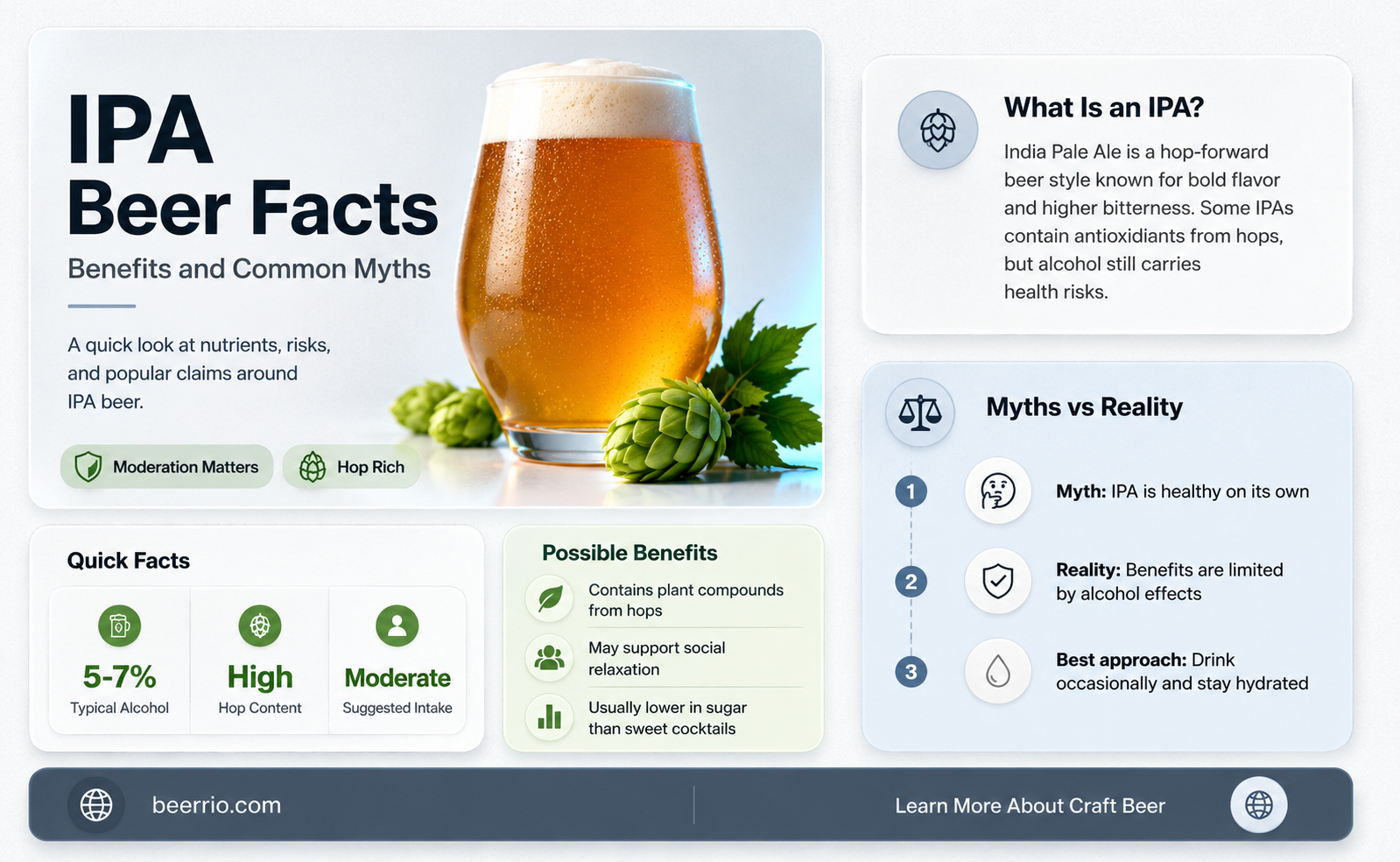
The question of whether IPA (India Pale Ale) beer is healthy has become a topic of interest among beer enthusiasts and health-conscious individuals alike. While beer, including IPAs, should be consumed in moderation as part of a balanced diet, there are some potential health benefits associated with this popular brew. IPAs are known for their high hop content, which contains antioxidants and may have anti-inflammatory properties. Additionally, moderate beer consumption has been linked to a reduced risk of heart disease and improved gut health due to the presence of beneficial bacteria. However, it's important to note that excessive alcohol intake can negate these benefits and lead to various health issues. Therefore, the key to enjoying IPA beer in a healthy manner lies in responsible consumption and maintaining an overall healthy lifestyle.
Explore related products



What You'll Learn
- Nutritional Content: IPAs typically contain calories, carbohydrates, and alcohol. Understanding the nutritional breakdown is key
- Health Benefits: Some studies suggest moderate beer consumption may have cardiovascular benefits. IPAs, specifically, contain antioxidants from hops
- Alcohol Content: IPAs often have higher alcohol by volume (ABV) than other beers. Monitoring alcohol intake is crucial for health
- Calorie Comparison: Comparing the calorie content of IPAs to other types of beers and alcoholic beverages can help in making healthier choices
- Moderation Key: Regardless of potential benefits, moderation is essential. Excessive alcohol consumption can lead to numerous health issues

Nutritional Content: IPAs typically contain calories, carbohydrates, and alcohol. Understanding the nutritional breakdown is key
Analyzing the nutritional content of IPAs reveals a complex interplay of macronutrients and micronutrients. A standard 12-ounce serving of IPA can range from 150 to 250 calories, with the majority of these calories coming from carbohydrates and alcohol. The carbohydrate content can vary significantly depending on the specific type of IPA, with some styles, like New England IPAs, containing more sugars and thus more carbs. Alcohol content typically ranges from 5% to 7% ABV, contributing to the overall caloric intake.
Understanding the nutritional breakdown of IPAs is crucial for those monitoring their dietary intake. For instance, individuals following a low-carb diet may need to be mindful of the carbohydrate content, while those tracking their alcohol consumption should be aware of the ABV. Additionally, IPAs can contain trace amounts of vitamins and minerals, such as B vitamins and magnesium, although these amounts are generally not significant enough to impact daily nutritional needs.
From a health perspective, moderation is key when consuming IPAs. While the occasional IPA may not pose significant health risks, regular consumption can contribute to weight gain and other health issues due to the calorie and alcohol content. It's also important to consider the potential interactions between alcohol and medications, as well as the impact of alcohol on overall liver health.
In terms of practical tips, those looking to enjoy IPAs while maintaining a balanced diet can consider pairing their beer with healthier food options, such as salads or grilled vegetables, to offset the caloric intake. Additionally, opting for lower-carb or lower-ABV IPAs can be a strategic choice for those looking to reduce their overall nutritional impact while still enjoying the flavor profile of this popular beer style.
Ultimately, the nutritional content of IPAs underscores the importance of mindful consumption and balance in one's diet. By understanding the specific nutritional components of IPAs, individuals can make informed decisions about their beer choices and overall dietary habits.
Soda vs. Beer: Unraveling the Healthier Choice Debate
You may want to see also
Explore related products


Health Benefits: Some studies suggest moderate beer consumption may have cardiovascular benefits. IPAs, specifically, contain antioxidants from hops
Recent studies have shed light on the potential health benefits of moderate beer consumption, particularly in relation to cardiovascular health. One of the key components in beer that has garnered attention is the antioxidant properties found in hops, the primary ingredient responsible for the bitterness and aroma in India Pale Ales (IPAs). These antioxidants, known as flavonoids, have been linked to a reduced risk of heart disease and stroke.
The cardiovascular benefits of moderate beer consumption are thought to stem from the ability of these antioxidants to improve blood vessel function and reduce inflammation. Flavonoids have been shown to increase the production of nitric oxide in the body, which helps to dilate blood vessels and improve blood flow. Additionally, they may help to lower levels of LDL (bad) cholesterol and reduce the formation of blood clots.
It is important to note that the term 'moderate' is key when it comes to beer consumption and health benefits. The American Heart Association defines moderate alcohol consumption as up to one drink per day for women and up to two drinks per day for men. Exceeding these limits can negate any potential health benefits and increase the risk of various health problems, including cardiovascular disease.
While the potential health benefits of moderate IPA consumption are promising, it is essential to consider the overall nutritional profile of these beers. IPAs tend to be higher in calories and alcohol content compared to other types of beer, which can contribute to weight gain and other health issues if consumed in excess. As with any dietary choice, it is crucial to maintain a balanced and varied diet and to consult with a healthcare professional before making significant changes to your lifestyle.
In conclusion, the antioxidants found in hops may offer some cardiovascular benefits when consumed in moderation as part of a balanced diet. However, it is important to approach beer consumption, especially IPAs, with caution and to prioritize overall health and well-being.
Exploring the Health Benefits: Champagne vs. Beer
You may want to see also
Explore related products



Alcohol Content: IPAs often have higher alcohol by volume (ABV) than other beers. Monitoring alcohol intake is crucial for health
India Pale Ales (IPAs) are renowned for their robust flavor profiles and, often, their higher alcohol content. The alcohol by volume (ABV) in IPAs can range significantly, typically from 6% to 10%, with some varieties reaching even higher levels. This elevated ABV is a result of the brewing process, where a greater amount of fermentable sugars is converted into alcohol. For beer enthusiasts, understanding and monitoring their alcohol intake is essential, as excessive consumption can lead to various health issues.
The higher ABV in IPAs means that individuals need to be more mindful of their serving sizes and frequency of consumption. A standard drink in the United States is defined as containing 14 grams of pure alcohol, which is roughly equivalent to 12 ounces of regular beer (about 5% ABV). However, a 12-ounce IPA with an ABV of 7% would contain closer to 21 grams of alcohol, making it more than one standard drink. This distinction is crucial for those tracking their alcohol intake to avoid overconsumption.
Monitoring alcohol intake is particularly important for maintaining liver health, as the liver is the primary organ responsible for metabolizing alcohol. Chronic excessive drinking can lead to liver diseases such as fatty liver, alcoholic hepatitis, and cirrhosis. Additionally, alcohol can interact with medications, impair judgment and coordination, and increase the risk of accidents and injuries. Therefore, it is advisable for individuals to set limits on their alcohol consumption and to drink responsibly.
For those who enjoy IPAs but are conscious about their alcohol intake, there are several strategies to consider. One approach is to opt for lower-ABV IPAs or to choose smaller serving sizes, such as a 6-ounce glass instead of a full pint. Another strategy is to pace oneself by sipping slowly and alternating between alcoholic and non-alcoholic beverages. It is also beneficial to eat before and while drinking, as food can help slow the absorption of alcohol into the bloodstream.
In conclusion, while IPAs can be a flavorful and enjoyable choice for beer lovers, their higher alcohol content necessitates a more cautious approach to consumption. By being aware of serving sizes, setting limits, and drinking responsibly, individuals can savor the taste of IPAs while minimizing potential health risks associated with excessive alcohol intake.
Exploring Healthier Alternatives: Twisted Tea vs. Beer
You may want to see also
Explore related products
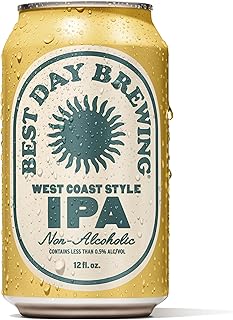




Calorie Comparison: Comparing the calorie content of IPAs to other types of beers and alcoholic beverages can help in making healthier choices
Analyzing the calorie content of IPAs in comparison to other alcoholic beverages can provide valuable insights for those looking to make healthier choices. IPAs, or India Pale Ales, are known for their hoppy flavor and higher alcohol content, which can contribute to a higher calorie count. On average, a 12-ounce serving of IPA can range from 180 to 250 calories, depending on the specific brand and brewing process.
In contrast, lighter beers such as lagers or pilsners typically contain fewer calories, with a 12-ounce serving averaging around 100 to 150 calories. However, it's essential to note that the calorie content can vary significantly between different brands and types of beer. For example, some craft beers may have higher calorie counts due to their unique ingredients and brewing methods.
When comparing IPAs to other alcoholic beverages, such as wine or cocktails, the calorie content can vary even more dramatically. A 5-ounce serving of red wine contains approximately 125 calories, while a margarita cocktail can range from 200 to 400 calories depending on the ingredients and size. This highlights the importance of considering not only the type of beverage but also the serving size and specific ingredients when making healthier choices.
To put these numbers into perspective, it's helpful to understand the recommended daily calorie intake for an average adult. According to the USDA, the recommended daily calorie intake for women is around 2,000 calories, while for men it's approximately 2,500 calories. Consuming alcoholic beverages in moderation, as defined by the CDC as up to one drink per day for women and up to two drinks per day for men, can be part of a balanced diet when combined with a healthy eating plan and regular physical activity.
In conclusion, while IPAs may have a higher calorie content compared to some other types of beers and alcoholic beverages, making healthier choices involves considering a variety of factors including serving size, specific ingredients, and overall dietary habits. By being mindful of these aspects, individuals can enjoy their favorite beverages in moderation while maintaining a balanced and healthy lifestyle.
Exploring the Nutritional Benefits of Beer Bread: A Healthy Twist?
You may want to see also
Explore related products


Moderation Key: Regardless of potential benefits, moderation is essential. Excessive alcohol consumption can lead to numerous health issues
While some studies suggest that moderate alcohol consumption may have certain health benefits, it is crucial to emphasize the importance of moderation. Excessive alcohol intake, including the consumption of IPA beer, can lead to a myriad of health problems. For instance, heavy drinking can cause liver damage, increase the risk of certain cancers, and contribute to cardiovascular diseases. It is essential to understand that the potential benefits of alcohol are only realized when consumed in moderation, which is typically defined as up to one drink per day for women and up to two drinks per day for men.
One of the challenges in promoting moderation is the varying definitions of what constitutes a "standard drink." In the United States, a standard drink is defined as containing 14 grams of pure alcohol, which is equivalent to about 12 ounces of regular beer, 5 ounces of wine, or 1.5 ounces of distilled spirits. However, IPA beers often have higher alcohol content than regular beers, which can make it easier to consume excessive amounts of alcohol without realizing it. Therefore, it is important for individuals to be aware of the alcohol content of the beverages they are consuming and to adjust their intake accordingly.
Another factor to consider is the individual's overall health and lifestyle. For some people, even moderate alcohol consumption may not be advisable due to pre-existing health conditions, medications, or other factors. It is always best to consult with a healthcare professional to determine what level of alcohol consumption, if any, is appropriate for an individual.
In addition to the health risks associated with excessive alcohol consumption, it is also important to consider the social and economic impacts. Alcohol abuse can lead to impaired judgment, which can result in accidents, injuries, and legal problems. Furthermore, excessive drinking can strain relationships with family and friends, and can also have negative effects on work performance and financial stability.
To promote moderation, it can be helpful to set specific limits on alcohol consumption and to track intake over time. There are various tools and resources available, such as mobile apps and online trackers, that can assist individuals in monitoring their alcohol consumption and staying within healthy limits. Additionally, it can be beneficial to engage in other activities and hobbies that do not involve alcohol, such as exercise, socializing with friends, or pursuing creative interests.
In conclusion, while IPA beer and other alcoholic beverages may have some potential health benefits when consumed in moderation, it is essential to be aware of the risks associated with excessive drinking. By understanding the definition of a standard drink, considering individual health factors, and setting limits on alcohol consumption, individuals can enjoy the potential benefits of alcohol while minimizing the risks.
Exploring the Health Benefits: Hard Cider vs. Beer Comparison
You may want to see also
Frequently asked questions
IPA beer, like all alcoholic beverages, should be consumed in moderation. While it contains antioxidants and may have some heart health benefits, excessive consumption can lead to various health issues.
Moderate consumption of IPA beer may offer benefits such as improved heart health due to its antioxidant content, particularly from the hops used in its brewing process.
The calorie content of IPA beer can vary, but on average, a 12-ounce serving may contain around 200-250 calories. It's important to check the specific nutritional information for the brand you're consuming.
IPA beer does contain some nutrients, including B vitamins, magnesium, and potassium. However, it's essential to balance these potential benefits with the overall caloric and alcohol content of the beer.