Oisin Foster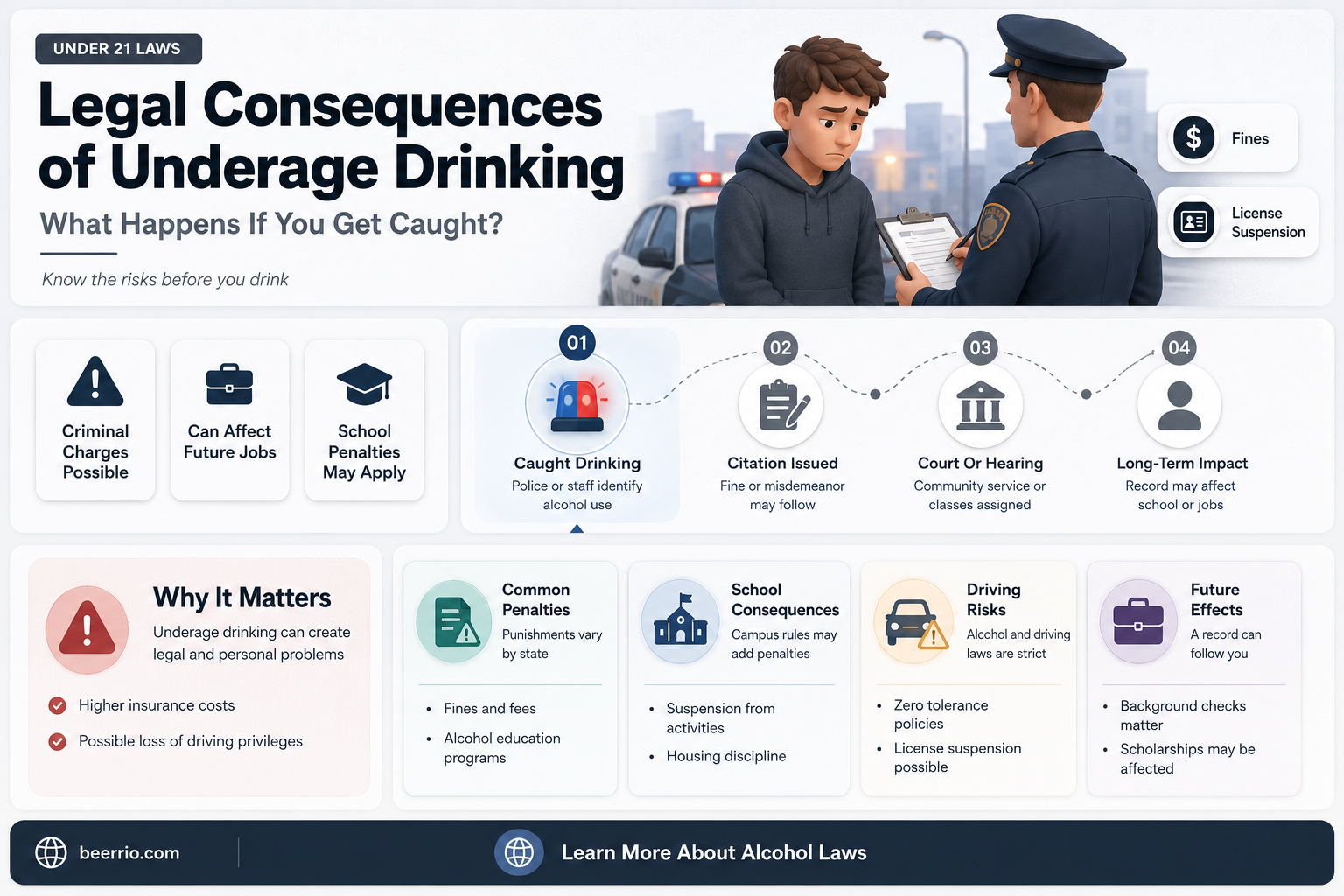
Getting caught with beer underage can have serious consequences depending on the jurisdiction and specific circumstances of the offense. Generally, underage drinking is illegal in many countries and can result in fines, community service, mandatory alcohol education programs, or even criminal charges. Additionally, it may impact future opportunities such as college admissions, employment prospects, and insurance rates. It's important to understand the laws and potential repercussions in your area to make informed decisions regarding alcohol consumption.
Explore related products



What You'll Learn
- Legal Consequences: Fines, community service, or even jail time depending on the jurisdiction and severity
- Parental Notification: Authorities may inform your parents, leading to potential disciplinary actions at home
- Educational Impact: Suspension or expulsion from school, affecting your academic and future opportunities
- Social Repercussions: Damaged reputation among peers, teachers, and community members, impacting social relationships
- Health Risks: Increased risk of alcohol-related health issues, including addiction and long-term organ damage

Legal Consequences: Fines, community service, or even jail time depending on the jurisdiction and severity
If you're caught with beer underage, the legal consequences can vary widely depending on the jurisdiction and the severity of the offense. In many places, underage possession of alcohol is a misdemeanor, which can result in fines, community service, or even jail time. The exact penalties depend on factors such as your age, the amount of alcohol you have, and whether you've been caught before.
For example, in some states, a first-time offense might result in a fine of up to $500 and/or community service. Repeat offenses could lead to higher fines and possibly jail time. In other jurisdictions, the penalties might be more lenient, with a focus on education and counseling rather than punitive measures.
It's also important to note that the legal consequences can extend beyond the immediate penalties. A conviction for underage possession of alcohol can stay on your record, potentially affecting your future job prospects, college applications, and even your ability to obtain certain licenses.
In addition to the legal consequences, there can also be social and personal repercussions. Your parents or guardians may be notified, and you may face disciplinary action at school or work. The incident could also damage your reputation among peers and in the community.
To avoid these consequences, it's crucial to understand the laws regarding underage drinking in your area and to make responsible choices. If you're unsure about the legal age for drinking or the penalties for underage possession, it's best to err on the side of caution and wait until you're of legal age to consume alcohol.
Exploring the Intoxicating Ingredients: What Gets You Drunk in Beer?
You may want to see also
Explore related products





Parental Notification: Authorities may inform your parents, leading to potential disciplinary actions at home
Authorities have the discretion to notify parents or guardians when a minor is caught with alcohol. This notification can lead to a range of disciplinary actions at home, depending on the family's rules and the severity of the incident. Parents may choose to ground the minor, restrict their privileges, or require them to attend counseling or educational programs about substance abuse. In some cases, parents may also be required to attend parenting classes or support groups to address the issue.
The notification process typically involves a formal letter or phone call from the authorities to the parents or guardians. The letter may outline the details of the incident, including the date, time, and location, as well as any consequences or penalties that the minor may face. Parents are often encouraged to discuss the incident with their child and to seek professional help if necessary.
It's important to note that parental notification is not always mandatory, and authorities may use their discretion to determine whether or not to inform parents. In some cases, authorities may choose to handle the situation internally, without involving the parents, especially if the minor is a first-time offender or if the incident is relatively minor.
The potential consequences of parental notification can have a significant impact on a minor's life. In addition to the immediate disciplinary actions, there may be long-term effects on the minor's relationship with their parents, their academic performance, and their future opportunities. For example, a minor who is caught with alcohol may be required to disclose the incident on college applications or job interviews, which could affect their chances of acceptance or employment.
To mitigate the potential consequences of parental notification, minors should be aware of their rights and the potential outcomes of their actions. They should also be encouraged to seek help and support from trusted adults, such as parents, teachers, or counselors, if they are struggling with substance abuse or other related issues. By addressing these issues proactively, minors can reduce the likelihood of being caught with alcohol and the potential consequences that may follow.
The Uninvited Guest: Air's Impact on Beer Brewing Explained
You may want to see also
Explore related products




Educational Impact: Suspension or expulsion from school, affecting your academic and future opportunities
Facing suspension or expulsion from school due to underage drinking can have profound and lasting effects on a student's academic trajectory and future opportunities. This disciplinary action not only disrupts the immediate educational process but also casts a shadow over college admissions, scholarship eligibility, and even future employment prospects. Schools often have strict policies regarding substance use, and violating these can lead to severe consequences, including mandatory counseling, community service, or even legal repercussions in some cases.
The impact on academic performance is multifaceted. Firstly, missing classes due to suspension can result in gaps in knowledge and skills, making it challenging to catch up upon return. This can lead to lower grades and a decline in overall academic standing. Furthermore, the stress and stigma associated with such disciplinary actions can affect a student's mental health and motivation, potentially leading to a disengagement from academic pursuits.
In terms of future opportunities, a record of suspension or expulsion can be a significant red flag for college admissions officers and employers. It may suggest a lack of responsibility or a propensity for risky behavior, which can be detrimental to a student's chances of securing a spot in a competitive program or landing a desirable job. Additionally, many scholarships and financial aid programs require applicants to maintain a certain level of academic achievement and conduct, which can be jeopardized by such disciplinary actions.
To mitigate these impacts, it is crucial for students to understand the gravity of their actions and the potential consequences. Seeking support from school counselors, parents, or other trusted adults can help in navigating the disciplinary process and developing strategies for rehabilitation and academic recovery. Engaging in positive extracurricular activities and demonstrating a commitment to personal growth and responsibility can also help in rebuilding a student's reputation and improving their chances for future success.
Ultimately, the educational impact of suspension or expulsion due to underage drinking underscores the importance of making informed and responsible choices. By understanding the risks and consequences, students can better position themselves to avoid such pitfalls and ensure a brighter academic and professional future.
Banish the Beer Gut: Effective Strategies for a Slimmer Waistline
You may want to see also
Explore related products


Social Repercussions: Damaged reputation among peers, teachers, and community members, impacting social relationships
Getting caught with beer underage can have far-reaching social repercussions that extend beyond the immediate legal consequences. One of the most significant impacts is the potential damage to your reputation among peers, teachers, and community members. This can lead to strained social relationships and a loss of trust among those who previously held you in high regard.
Among peers, being caught with alcohol underage can lead to social ostracization. Friends may distance themselves from you, fearing association with your actions or the potential legal fallout. This can result in a sense of isolation and exclusion from social circles you once considered close-knit. Additionally, peers may view you as irresponsible or reckless, which can further damage your social standing.
Teachers and school administrators may also view you differently following an underage drinking incident. They may question your judgment and decision-making abilities, potentially impacting your academic opportunities and recommendations for future endeavors. This can be particularly detrimental if you are applying to colleges or seeking scholarships, as a damaged reputation can influence admissions decisions.
The impact on your reputation can also extend to the broader community. Local authorities, employers, and other community members may view you as a troublemaker or a risk, which can limit your opportunities for employment, volunteering, or participating in community activities. This can have long-term consequences, as a damaged reputation can be difficult to repair and may follow you into adulthood.
To mitigate these social repercussions, it is essential to take responsibility for your actions and work to rebuild trust with those around you. This may involve apologizing to those you have wronged, seeking counseling or treatment for any underlying issues, and demonstrating a commitment to making better choices in the future. By taking these steps, you can begin to repair your reputation and rebuild the social relationships that have been damaged by your actions.
The Surprising Effects of Heating Beer: A Scientific Exploration
You may want to see also
Explore related products
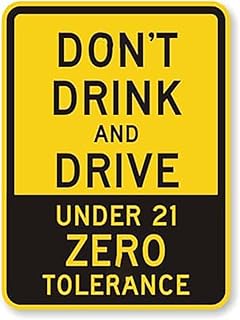



Health Risks: Increased risk of alcohol-related health issues, including addiction and long-term organ damage
Underage drinking poses significant health risks, particularly when it comes to alcohol-related issues. One of the most pressing concerns is the increased risk of addiction. Adolescents who start drinking before the age of 21 are more likely to develop alcohol use disorder (AUD) later in life. This is because their brains are still developing, and early exposure to alcohol can disrupt the normal maturation process, leading to long-lasting changes in brain function and behavior.
In addition to addiction, underage drinkers face a higher risk of long-term organ damage. Chronic alcohol consumption can lead to liver cirrhosis, heart disease, and neurological damage, among other health problems. These risks are compounded for young people, as their bodies are less equipped to handle the toxic effects of alcohol. For example, a study published in the Journal of Adolescent Health found that adolescents who drank heavily were more likely to experience liver damage and other health issues compared to their non-drinking peers.
Furthermore, underage drinking can also lead to a range of other health problems, including increased risk of certain cancers, sleep disturbances, and mental health issues such as depression and anxiety. These risks are often overlooked, but they can have a significant impact on a young person's overall well-being and quality of life.
It's important to note that the risks associated with underage drinking are not just limited to the individual. Secondhand effects, such as alcohol-related violence and accidents, can also have a significant impact on families and communities. For example, a study published in the American Journal of Preventive Medicine found that underage drinking was associated with increased rates of intimate partner violence and other forms of aggression.
In conclusion, the health risks associated with underage drinking are significant and far-reaching. From addiction to long-term organ damage, the consequences of early alcohol exposure can be severe and long-lasting. It's crucial for young people to be aware of these risks and to make informed decisions about their alcohol consumption. Parents, educators, and policymakers also have a role to play in promoting responsible drinking habits and preventing underage alcohol use.
Paws and Reflect: The Surprising Effects of Beer on Dogs
You may want to see also
Frequently asked questions
If you are caught with beer underage, the immediate consequences can include being fined, having your driver's license suspended, and potentially facing criminal charges. The specific penalties vary by jurisdiction and the circumstances of the offense.
Yes, in some cases, you can go to jail for being caught with beer underage. This typically depends on the laws of the state or country you are in, the amount of alcohol you have, and whether you have any prior offenses. Jail time is more likely for repeat offenders or if the underage drinking is combined with other illegal activities.
Being caught with beer underage can have long-term effects on your future. It can result in a criminal record, which may impact your ability to get certain jobs, obtain loans, or qualify for educational opportunities. Additionally, it can lead to increased insurance rates and may affect your reputation in your community. It's important to understand the laws and consequences related to underage drinking to make informed decisions.