Jason Wagner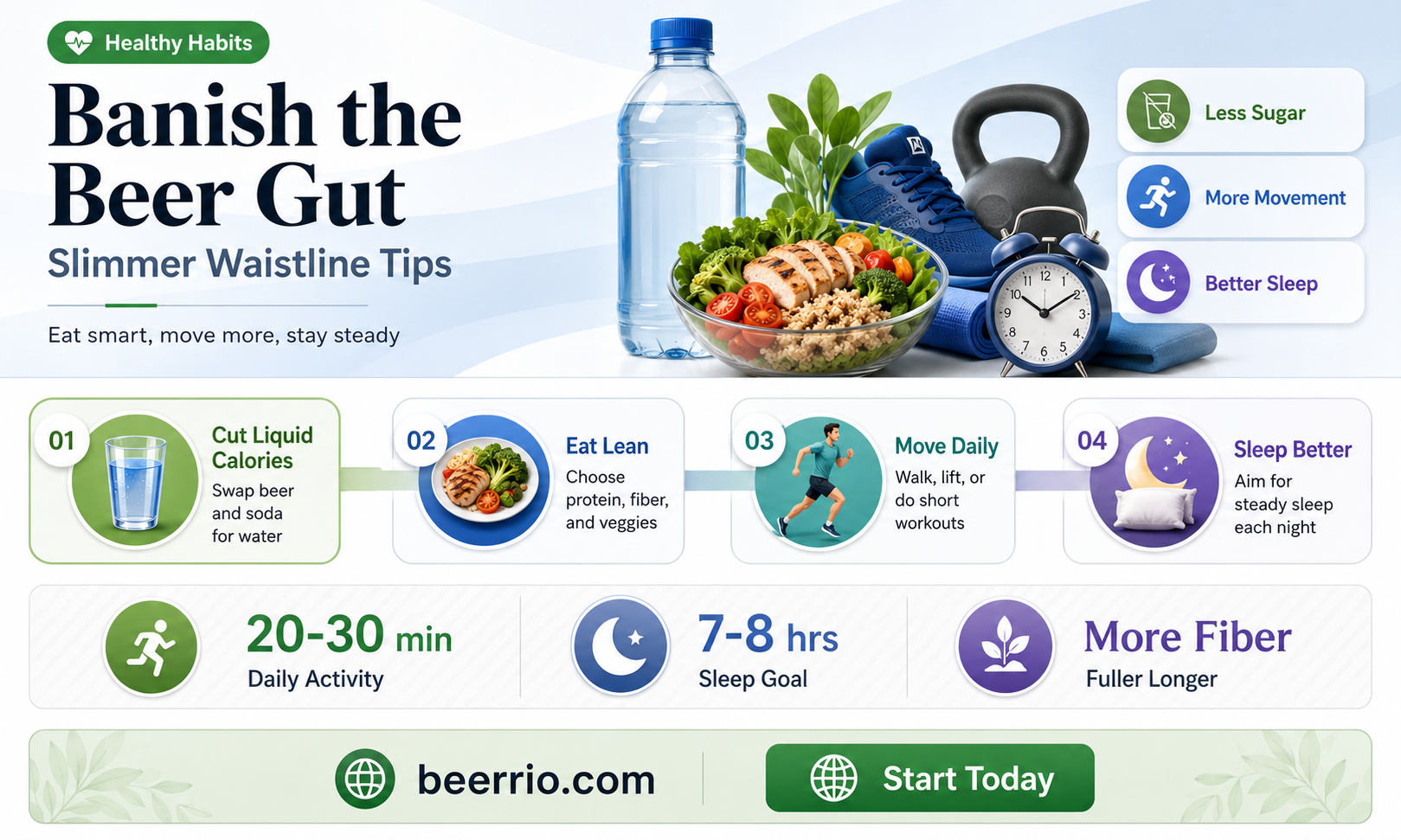
A beer gut, medically referred to as central obesity, is a common concern for many individuals, particularly those who enjoy regular beer consumption. This condition is characterized by the accumulation of excess fat around the abdominal area, leading to a protruding stomach. While beer itself may not be the sole culprit, its high calorie and carbohydrate content can contribute to weight gain when consumed in excess. To effectively get rid of a beer gut, a combination of dietary modifications, regular exercise, and lifestyle changes is essential. Reducing overall calorie intake, limiting processed foods and sugars, and incorporating more fruits, vegetables, lean proteins, and whole grains into one's diet can help. Additionally, engaging in regular cardiovascular exercise, such as running, cycling, or swimming, along with strength training exercises targeting the core muscles, can aid in burning fat and toning the abdominal area. It's also important to manage stress levels, get adequate sleep, and limit alcohol consumption to support overall health and weight management goals.
Explore related products




What You'll Learn
- Dietary Changes: Reducing calorie intake, avoiding processed foods, and increasing fiber consumption can help eliminate a beer gut
- Exercise Routine: Incorporating regular cardio exercises, strength training, and core workouts can effectively reduce abdominal fat
- Lifestyle Modifications: Quitting smoking, managing stress, and getting adequate sleep are essential for overall health and can aid in fat loss
- Hydration: Drinking plenty of water can boost metabolism, reduce bloating, and help flush out toxins, supporting a flatter stomach
- Consistency and Patience: Achieving a flat stomach takes time and dedication; maintaining a consistent routine is key to seeing results

Dietary Changes: Reducing calorie intake, avoiding processed foods, and increasing fiber consumption can help eliminate a beer gut
Reducing calorie intake is a fundamental step in eliminating a beer gut. This involves creating a calorie deficit, where the body burns more calories than it consumes, leading to fat loss. To achieve this, one can start by tracking daily caloric intake and gradually reducing it by 500 to 1000 calories per day. This can be done by cutting down on high-calorie beverages like beer, sugary drinks, and juices, as well as reducing portion sizes of meals.
Avoiding processed foods is another crucial dietary change. Processed foods are often high in calories, sugar, and unhealthy fats, which can contribute to weight gain and inflammation. Instead, opt for whole, unprocessed foods like fruits, vegetables, lean proteins, and whole grains. These foods are not only lower in calories but also provide essential nutrients and fiber that support overall health and weight loss.
Increasing fiber consumption is a key strategy in getting rid of a beer gut. Fiber helps to keep you feeling full and satisfied, reducing the likelihood of overeating. It also aids in digestion and can help to reduce inflammation in the gut. Aim to consume at least 25 to 30 grams of fiber per day from sources like fruits, vegetables, whole grains, and legumes.
In addition to these dietary changes, it's important to stay hydrated by drinking plenty of water. Water can help to flush out toxins, reduce bloating, and support metabolism. Aim to drink at least eight glasses of water per day, and consider replacing sugary drinks with water or unsweetened beverages.
Consistency is key when it comes to dietary changes. It's important to make sustainable changes that can be maintained over time, rather than trying fad diets or quick fixes. By gradually implementing these dietary changes and sticking to them, you can effectively eliminate a beer gut and improve your overall health.
Freshen Up: Effective Ways to Eliminate Beer Breath Quickly
You may want to see also
Explore related products


Exercise Routine: Incorporating regular cardio exercises, strength training, and core workouts can effectively reduce abdominal fat
Regular cardiovascular exercises, such as running, cycling, or swimming, are essential for burning calories and reducing overall body fat, including the abdominal area. Aim for at least 150 minutes of moderate-intensity cardio per week, or 75 minutes of vigorous-intensity cardio, spread across 3-5 days. Incorporating interval training, where you alternate between high and low-intensity periods, can further enhance fat loss.
Strength training, particularly exercises targeting the core muscles, plays a crucial role in toning the abdominal area and improving overall body composition. Include exercises like planks, crunches, leg raises, and Russian twists in your routine. Aim for 2-3 strength training sessions per week, allowing for at least 48 hours of rest between sessions to prevent overtraining and promote muscle recovery.
In addition to cardio and strength training, maintaining a balanced diet is vital for reducing abdominal fat. Focus on consuming whole, nutrient-dense foods, and limit your intake of processed foods, sugary drinks, and alcohol. Keeping a food diary can help you track your intake and identify areas for improvement.
Consistency is key when it comes to exercise and diet. Stick to your routine for at least 8-12 weeks to see noticeable changes in your abdominal fat. Remember, spot reduction is not possible, so a comprehensive approach targeting overall body fat is necessary for achieving a flatter stomach.
Lastly, consider incorporating stress-reducing activities like yoga, meditation, or deep breathing exercises into your routine. Chronic stress can contribute to the accumulation of abdominal fat, so managing stress levels is an important aspect of a healthy lifestyle. By combining regular exercise, a balanced diet, and stress management techniques, you can effectively reduce abdominal fat and improve your overall health.
Exploring Brews: A Beginner's Guide to Choosing Your First Beer
You may want to see also
Explore related products



Lifestyle Modifications: Quitting smoking, managing stress, and getting adequate sleep are essential for overall health and can aid in fat loss
Quitting smoking is a crucial lifestyle modification for overall health and can significantly aid in fat loss, particularly around the midsection. Smoking not only damages the lungs and cardiovascular system but also affects metabolism and appetite regulation. Nicotine can increase the body's metabolic rate, leading to a temporary suppression of appetite, which may result in lower calorie intake and weight loss. However, this effect is short-lived, and smoking ultimately leads to weight gain, especially around the abdomen. Quitting smoking can help restore a healthier metabolism and reduce the risk of weight gain. It's essential to seek support from healthcare professionals or smoking cessation programs to increase the chances of successfully quitting.
Managing stress is another vital aspect of maintaining overall health and promoting fat loss. Chronic stress can lead to the overproduction of cortisol, a hormone that regulates appetite and metabolism. High cortisol levels can cause increased hunger, cravings for unhealthy foods, and the accumulation of fat around the midsection. Stress management techniques such as meditation, yoga, deep breathing exercises, and regular physical activity can help reduce cortisol levels and promote a healthier balance between appetite and metabolism. Incorporating these practices into daily life can aid in weight loss and improve overall well-being.
Getting adequate sleep is essential for overall health and can also contribute to fat loss. Sleep deprivation can disrupt the body's internal clock, leading to hormonal imbalances that affect appetite and metabolism. Lack of sleep can increase the production of ghrelin, a hormone that stimulates hunger, and decrease the production of leptin, a hormone that signals fullness. This imbalance can result in overeating and weight gain, particularly around the abdomen. Aiming for 7-9 hours of quality sleep per night can help regulate these hormones, reduce hunger, and support weight loss efforts. Establishing a consistent sleep schedule, creating a relaxing bedtime routine, and optimizing the sleep environment can improve sleep quality and duration.
Comparing Alcohol Metabolism: Liquor vs. Beer Breakdown
You may want to see also
Explore related products


Hydration: Drinking plenty of water can boost metabolism, reduce bloating, and help flush out toxins, supporting a flatter stomach
Drinking plenty of water is a simple yet effective strategy for supporting a flatter stomach. Adequate hydration can boost metabolism, which in turn helps the body burn more calories and reduce fat storage. This is particularly important for individuals looking to get rid of a beer gut, as a higher metabolic rate can aid in the breakdown of abdominal fat.
In addition to its metabolic benefits, water also plays a crucial role in reducing bloating. Bloating can contribute to the appearance of a beer gut, making the stomach look larger than it actually is. By staying well-hydrated, the body is better able to regulate fluid balance, which can help alleviate bloating and promote a flatter appearance.
Furthermore, water helps flush out toxins from the body, which can support overall health and contribute to a flatter stomach. When the body is dehydrated, it may hold onto toxins, leading to inflammation and bloating. Drinking enough water ensures that the kidneys can function properly, removing waste products and excess fluids from the body.
To maximize the benefits of hydration for a flatter stomach, it's recommended to drink at least eight glasses of water per day. Some individuals may need even more water, depending on factors such as body weight, activity level, and climate. It's also important to drink water throughout the day, rather than consuming large amounts in a single sitting, to maintain consistent hydration levels.
In conclusion, staying well-hydrated is a key component of achieving a flatter stomach and getting rid of a beer gut. By boosting metabolism, reducing bloating, and flushing out toxins, water can play a significant role in supporting a healthier, leaner physique.
Banish the Beer Belly: Effective Strategies for a Slimmer Midsection
You may want to see also
Explore related products




Consistency and Patience: Achieving a flat stomach takes time and dedication; maintaining a consistent routine is key to seeing results
Achieving a flat stomach is a goal that requires both consistency and patience. It's a common misconception that a few weeks of dieting or exercise will lead to a toned midsection. In reality, it takes months of dedicated effort to see significant results. Consistency is key; maintaining a regular exercise routine and a balanced diet are essential for reducing belly fat. This means committing to a schedule and sticking to it, even on days when motivation is low.
One effective strategy is to set small, achievable goals. For example, aim to exercise for 30 minutes a day, three times a week, and gradually increase the duration and frequency as your fitness level improves. Similarly, focus on making sustainable dietary changes, such as reducing portion sizes, increasing fiber intake, and limiting processed foods. These small adjustments can add up over time, leading to noticeable changes in your physique.
It's also important to be patient and realistic about the timeline. A flat stomach is not something that can be achieved overnight, and expecting immediate results can lead to frustration and disappointment. Instead, focus on the long-term benefits of a healthy lifestyle, such as improved energy levels, better digestion, and reduced risk of chronic diseases. Celebrate small victories along the way, like fitting into a smaller size of jeans or completing a challenging workout, to stay motivated and committed to your goals.
Remember that consistency and patience go hand in hand. Without consistency, progress will be slow and sporadic, and without patience, it's easy to give up when results don't come quickly. By staying committed to your routine and maintaining a positive mindset, you can achieve the flat stomach you've always wanted.
Frequently asked questions
Effective exercises to reduce a beer gut include cardiovascular activities like running, cycling, or swimming, which help burn overall body fat. Additionally, core-strengthening exercises such as planks, crunches, and leg raises can help tone the abdominal muscles and improve the appearance of the gut.
Diet plays a crucial role in eliminating a beer gut. Reducing the intake of high-calorie, processed foods and beverages, especially beer, can help decrease overall body fat. Increasing the consumption of whole foods like fruits, vegetables, lean proteins, and whole grains can aid in weight loss and improve gut health.
Yes, certain lifestyle changes can help in getting rid of a beer gut. These include getting adequate sleep, managing stress levels, staying hydrated, and avoiding smoking. Additionally, moderating alcohol consumption, particularly beer, can significantly contribute to reducing the gut.