Harmony Chandler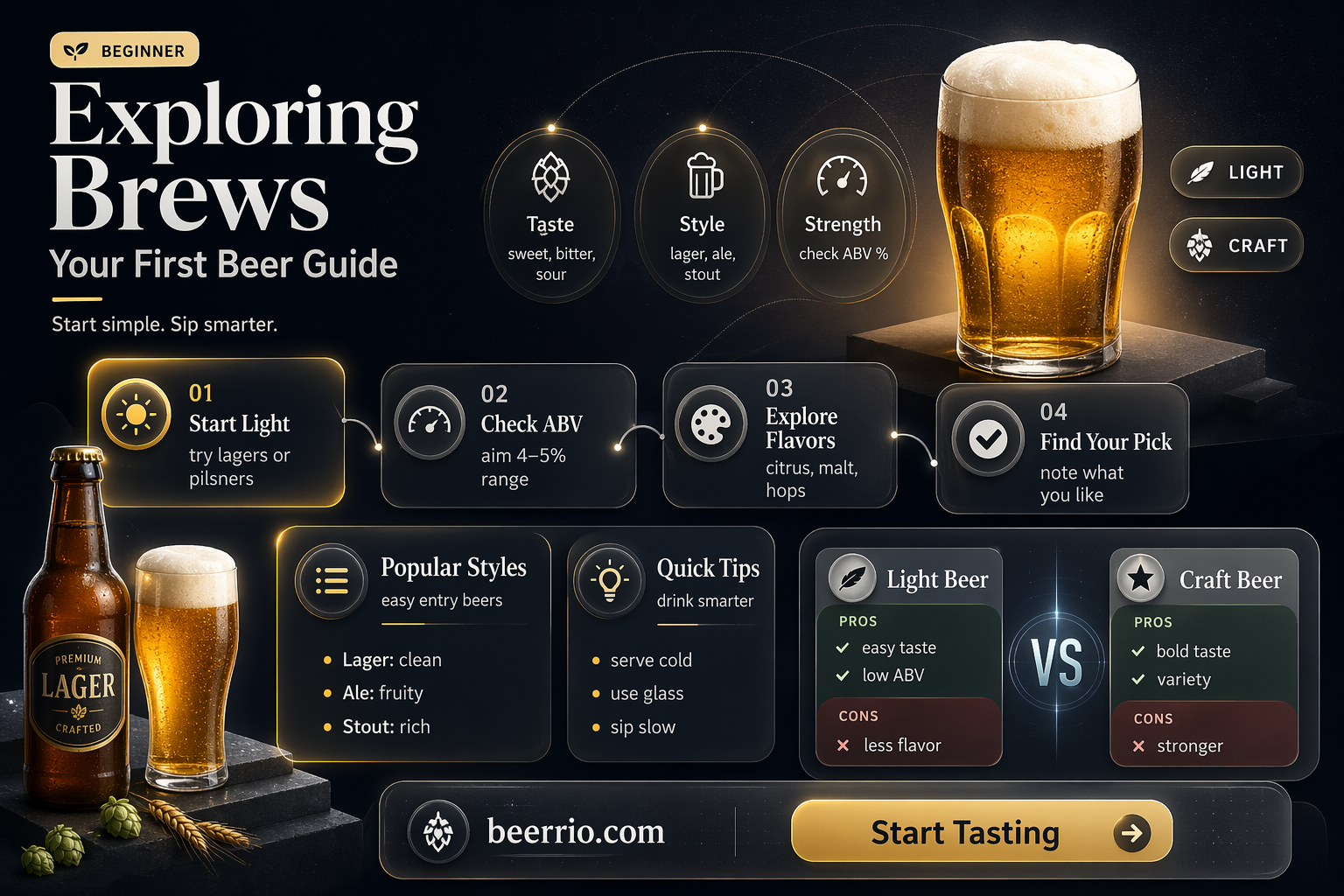
Embarking on your beer journey is an exciting adventure, filled with a plethora of choices that can be both thrilling and overwhelming. For your first time, it's essential to start with beers that are approachable and widely appreciated. Light lagers or pilsners are excellent choices as they are crisp, refreshing, and not too heavy on the palate. These styles are known for their clean taste and are often the go-to for those new to the beer world. Another great option is an amber ale, which offers a balanced blend of malt sweetness and hop bitterness, providing a well-rounded experience. When selecting your first beer, consider the occasion and your personal taste preferences, and don't be afraid to ask for recommendations from friends or experts at your local beer store. Remember, the most important aspect of enjoying beer is to drink responsibly and savor the experience.
Explore related products


What You'll Learn
- Light vs. Dark Beers: Explore the differences between light lagers and dark ales to find your preference
- Flavor Profiles: Discover various beer flavors, from hoppy IPAs to malty stouts, and choose what appeals to you
- Alcohol Content: Understand ABV percentages and select a beer with a comfortable alcohol level for your first time
- Popular Brands: Consider well-known brands like Budweiser, Heineken, or Guinness for a familiar and enjoyable experience
- Local Craft Options: Support local breweries and try unique craft beers that offer diverse and exciting flavors

Light vs. Dark Beers: Explore the differences between light lagers and dark ales to find your preference
Light lagers and dark ales represent two distinct categories of beer, each with its own unique characteristics that cater to different palates. When choosing between these options for your first beer, it's essential to understand the key differences that set them apart.
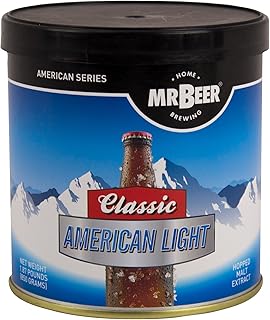
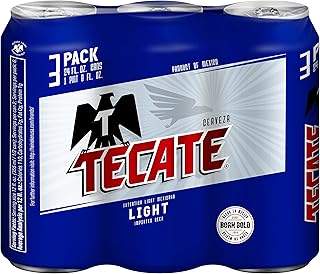
Light lagers are typically characterized by their pale color, crisp taste, and lower alcohol content. They are often brewed with lighter malts, which contribute to their refreshing and easy-drinking nature. These beers are usually well-carbonated, providing a clean finish that makes them a popular choice for those new to beer or looking for a more approachable option. Some well-known examples of light lagers include Pilsners, Kölsches, and American Light Lagers.
On the other hand, dark ales boast a rich, deep color and a more robust flavor profile. These beers are brewed with darker malts, such as chocolate, coffee, or caramel, which impart complex notes of sweetness, bitterness, and roasted flavors. Dark ales tend to have a higher alcohol content and a fuller body, making them a more intense and flavorful choice for those looking to explore the depths of the beer world. Examples of dark ales include Porters, Stouts, and Dark IPAs.
When deciding between light lagers and dark ales for your first beer, consider your personal taste preferences. If you enjoy lighter, more refreshing beverages, a light lager may be the perfect introduction to the world of beer. However, if you prefer richer, more complex flavors, a dark ale could provide a more satisfying experience.
It's also important to note that both light lagers and dark ales come in a wide variety of styles and flavors, offering endless options for exploration. As you become more familiar with the beer world, you may find that your preferences evolve, and you begin to appreciate the unique qualities of both light and dark beers.
In conclusion, the choice between light lagers and dark ales ultimately comes down to personal preference. By understanding the distinct characteristics of each category, you can make an informed decision that will help you discover the joys of beer and find your perfect match.
Explore related products


Flavor Profiles: Discover various beer flavors, from hoppy IPAs to malty stouts, and choose what appeals to you
The world of beer is vast and varied, with a flavor profile to suit every palate. From the bold, hoppy bitterness of IPAs to the rich, malty sweetness of stouts, each beer style offers a unique tasting experience. When choosing a beer for the first time, it's essential to consider your personal flavor preferences. Do you enjoy the crisp, refreshing taste of a pilsner, or the fruity, spicy notes of a Belgian wit? Perhaps you're drawn to the complex, roasted flavors of a porter or the light, effervescent quality of a sparkling ale.
One way to approach this decision is to think about the foods you enjoy. If you're a fan of spicy cuisine, for example, you might appreciate the bold flavors of an IPA or a stout. If you prefer milder dishes, a pilsner or a pale ale could be a good match. Another factor to consider is the occasion. Are you looking for a beer to enjoy on a hot summer day, or one to savor by the fire on a cold winter evening? Lighter beers like lagers and wheat beers are often more refreshing in warm weather, while darker beers like stouts and porters can be more satisfying in cooler temperatures.
When exploring different beer flavors, it's important to remember that taste is subjective. What one person loves, another might hate. Don't be afraid to try new things and experiment with different styles. You might be surprised by what you discover. And if you're unsure where to start, consider visiting a local brewery or beer bar. The staff there can offer expert advice and help you find a beer that suits your taste buds perfectly.
Ultimately, the best way to choose a beer is to trust your instincts and have fun with the process. There's no right or wrong answer when it comes to flavor preferences. The most important thing is to enjoy the journey of discovery and find a beer that brings you joy. So go ahead, explore the world of beer flavors, and find the perfect brew for you.
Explore related products



Alcohol Content: Understand ABV percentages and select a beer with a comfortable alcohol level for your first time
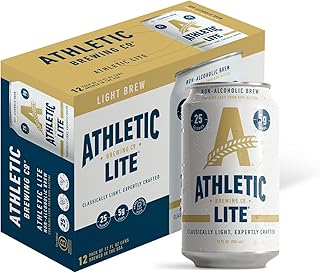
Understanding the alcohol content of beer is crucial for first-time drinkers to ensure a comfortable and safe experience. The alcohol by volume (ABV) percentage is a key indicator of how strong a beer is. Typically, beers can range from as low as 2% ABV to as high as 12% or more. For beginners, it's advisable to start with beers that have a lower ABV to acclimate to the taste and effects of alcohol.
When selecting a beer, look for options that fall within the 4-6% ABV range. This is often considered a moderate alcohol level that allows you to enjoy the flavor without overwhelming your senses. Beers in this category are usually light lagers, pilsners, or some types of ales. They provide a good balance between taste and alcohol content, making them ideal for those new to drinking beer.
It's also important to consider the serving size. A standard beer serving is typically 12 ounces, but some craft beers may come in larger or smaller sizes. Be mindful of this when choosing your first beer, as a larger serving size can result in higher alcohol consumption.
Another factor to consider is the type of beer. Different styles of beer not only vary in taste but also in alcohol content. For example, stouts and porters tend to have higher ABVs, while light lagers and wheat beers are generally lower. If you're unsure about the ABV of a particular beer, don't hesitate to ask the bartender or check the label.
Remember, the goal is to enjoy your first beer experience without overindulging. By choosing a beer with a comfortable alcohol level, you can savor the taste and socialize responsibly. Always drink in moderation and be aware of your limits to ensure a safe and enjoyable time.
Explore related products
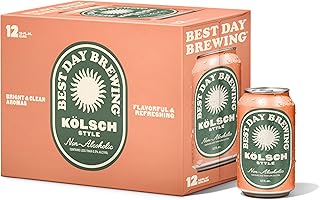


Popular Brands: Consider well-known brands like Budweiser, Heineken, or Guinness for a familiar and enjoyable experience
Opting for popular beer brands like Budweiser, Heineken, or Guinness can be a strategic choice for first-time beer drinkers. These brands have achieved global recognition not only through aggressive marketing but also by maintaining a consistent quality that appeals to a wide range of palates. Budweiser, for instance, is known for its crisp, refreshing taste that is neither too bitter nor too sweet, making it an ideal introduction to the world of beers. Heineken offers a slightly more complex flavor profile with a smooth finish, which can be appealing to those who are looking for a bit more depth in their beer without being overwhelmed. Guinness, with its rich, creamy texture and robust flavor, provides a unique experience that can convert even those who are initially skeptical about dark beers.
One of the advantages of choosing these well-known brands is the reliability of their products. Since they have been in the market for decades, they have perfected their brewing process, ensuring that each bottle or can delivers the same taste and quality. This consistency can be reassuring for first-time drinkers who are unsure of what to expect. Additionally, these brands are widely available in most countries, making them easily accessible. Whether you are at a local bar, a supermarket, or a convenience store, you are likely to find these beers, which adds to their appeal.
Moreover, popular brands often have a variety of options within their product lines. For example, Budweiser offers several variants such as Bud Light, Bud Select, and Bud Black Crown, each with its own unique characteristics. This allows first-time drinkers to explore different flavors and styles without straying too far from the familiar brand. Heineken also has a range of products, including Heineken Light and Heineken Extra, catering to different preferences. Guinness, while primarily known for its stout, also offers other varieties like Guinness Blonde and Guinness Nitro IPA, providing options for those who might not be fans of the classic stout.
Another factor to consider is the social aspect of drinking beer. Popular brands like Budweiser, Heineken, and Guinness are often associated with social gatherings, parties, and sporting events. Choosing one of these brands can make you feel more connected to the social scene and enhance your overall drinking experience. There is also a certain comfort in knowing that you are drinking a beer that is enjoyed by millions of people around the world.
In conclusion, while it may seem cliché to recommend popular beer brands for first-time drinkers, there are valid reasons why these brands are a good starting point. Their consistent quality, wide availability, variety of options, and social appeal make them a safe and enjoyable choice for those new to the world of beer. By starting with these familiar brands, first-time drinkers can ease into the experience and gradually explore other styles and flavors as they develop their taste preferences.
Explore related products


Local Craft Options: Support local breweries and try unique craft beers that offer diverse and exciting flavors
Exploring local craft options is an excellent way to dive into the world of beer, especially for first-timers. Local breweries often offer a wide range of unique flavors and styles that can't be found in mass-produced beers. These craft beers are typically made with high-quality, locally-sourced ingredients and are brewed in small batches, ensuring a level of care and attention to detail that is hard to match with larger breweries.
One of the best ways to find local craft beers is to visit a nearby brewery or taproom. Many breweries offer tours and tastings, which are great opportunities to learn about the brewing process and sample a variety of beers. You can also ask the staff for recommendations based on your taste preferences. If you're not sure where to start, try looking up local breweries online or asking friends and family for suggestions.
When trying craft beers for the first time, it's important to keep an open mind and be willing to experiment with different flavors and styles. Don't be afraid to ask questions or seek advice from the brewery staff or other beer enthusiasts. Remember, the goal is to find a beer that you enjoy, so take your time and savor the experience.
Another benefit of supporting local breweries is that you're contributing to the local economy and helping to promote sustainability. Many craft breweries are committed to environmentally-friendly practices, such as using renewable energy sources and reducing waste. By choosing local craft beers, you're not only getting a unique and delicious product, but you're also supporting a community-oriented and eco-conscious industry.
In conclusion, exploring local craft options is a fantastic way to begin your beer journey. Not only will you have the opportunity to try a variety of unique and exciting flavors, but you'll also be supporting local businesses and promoting sustainability. So, next time you're looking for a new beer to try, consider heading to a local brewery and discovering the world of craft beer for yourself.
Frequently asked questions
For your first time, it's best to start with a beer that has a balanced flavor and isn't too strong. A light lager or pilsner, such as Budweiser or Heineken, can be a good choice. These beers are typically easy to drink and have a mild taste that most people enjoy.
When you're new to drinking beer, look for options that are lower in alcohol content and have a balanced flavor profile. Beers with too much alcohol can be overwhelming, and beers with extreme flavors might not give you a good first impression. Consider trying a few different styles to see what you like best.
A good beer for a beginner is usually one that is light in color and has a mild flavor. Look for beers with an alcohol by volume (ABV) of around 4-5%. Avoid beers that are very dark, have high alcohol content, or are known for their strong, unique flavors. Reading reviews or asking for recommendations at a local liquor store can also help you find a suitable beer for your first time.