Harmony Chandler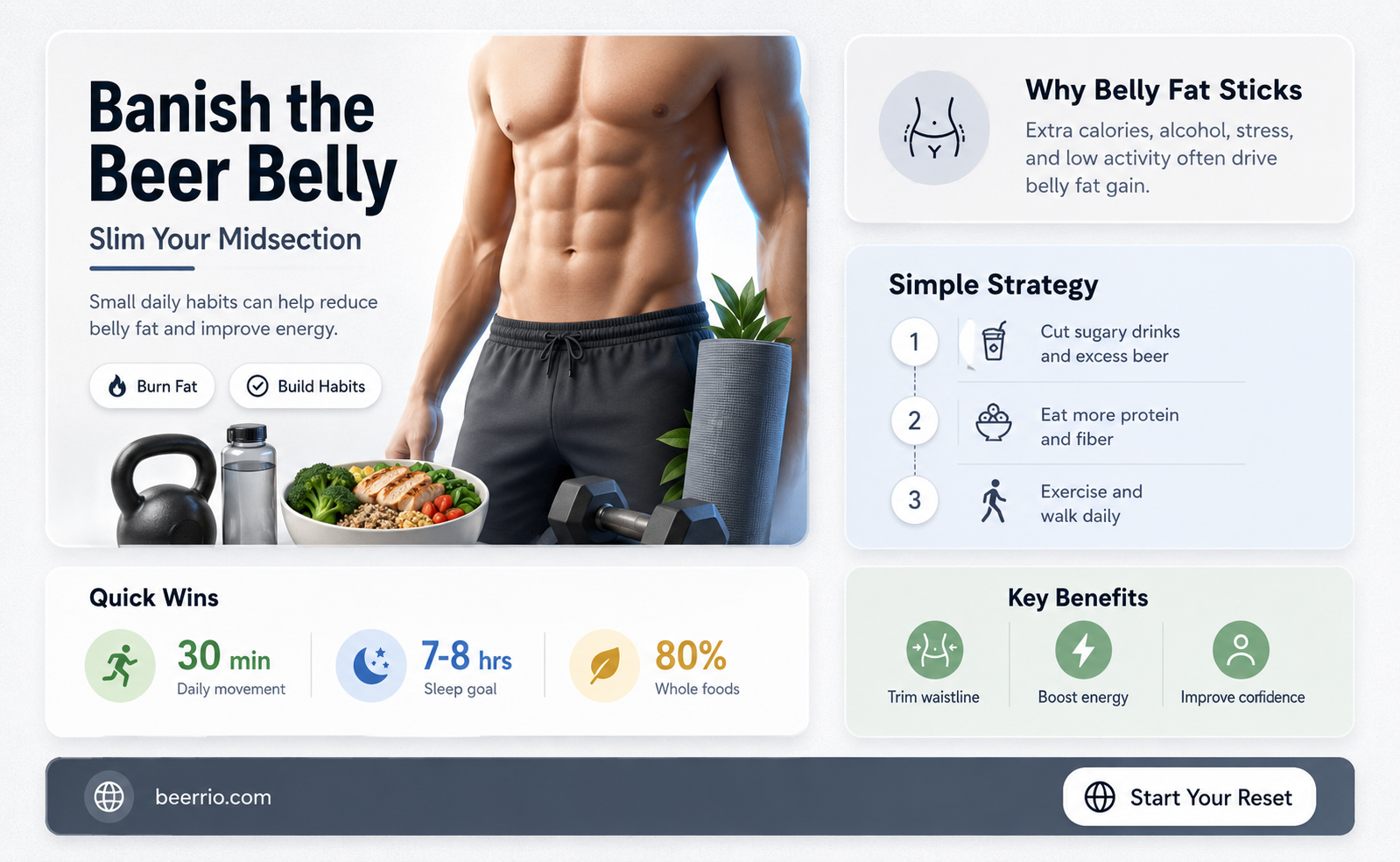
To effectively address the question of what gets rid of a beer belly, it's essential to understand the underlying causes. A beer belly, medically referred to as central obesity, is primarily linked to excessive alcohol consumption, particularly beer, which is high in calories and carbohydrates. This type of fat accumulation is not only a cosmetic concern but also poses significant health risks, including cardiovascular diseases and type 2 diabetes. Eliminating a beer belly requires a multifaceted approach that includes reducing alcohol intake, adopting a balanced diet rich in whole foods, and engaging in regular physical activity. Aerobic exercises, such as running, cycling, or swimming, are particularly effective in burning visceral fat, while strength training helps build muscle mass, further aiding in fat loss. Additionally, lifestyle modifications like getting adequate sleep, managing stress, and staying hydrated play crucial roles in supporting overall health and weight management goals.
Explore related products


What You'll Learn
- Dietary Changes: Reducing calorie intake, avoiding processed foods, and increasing fiber consumption can help eliminate beer belly
- Exercise Routine: Incorporating regular cardio exercises, strength training, and core workouts can effectively reduce abdominal fat
- Lifestyle Modifications: Quitting smoking, managing stress, and getting adequate sleep are essential for overall health and can aid in reducing beer belly
- Hydration: Drinking plenty of water throughout the day can help with digestion, metabolism, and overall weight loss
- Medical Consultation: If lifestyle changes are not effective, consulting a healthcare professional for personalized advice and potential medical interventions is recommended

Dietary Changes: Reducing calorie intake, avoiding processed foods, and increasing fiber consumption can help eliminate beer belly
Reducing calorie intake is a fundamental step in eliminating a beer belly. This involves creating a calorie deficit, where the body burns more calories than it consumes. To achieve this, one can start by tracking daily caloric intake and gradually reducing it by 500 to 1000 calories per day. This deficit can lead to a weight loss of 1 to 2 pounds per week, which can significantly reduce the size of a beer belly over time. It's important to ensure that the calorie reduction is done healthily, by focusing on nutrient-dense foods rather than drastically cutting out entire food groups.
Avoiding processed foods is another key dietary change that can help eliminate a beer belly. Processed foods are often high in added sugars, unhealthy fats, and sodium, which can contribute to weight gain and inflammation. By replacing processed foods with whole, unprocessed foods such as fruits, vegetables, lean proteins, and whole grains, one can reduce the intake of these harmful substances. This shift can lead to a decrease in overall body fat, including the visceral fat that makes up a beer belly. Additionally, whole foods are generally more filling, which can help reduce overall calorie intake.
Increasing fiber consumption is a third dietary strategy that can aid in eliminating a beer belly. Fiber helps to promote satiety, reduce hunger, and improve digestion. It can also help to regulate blood sugar levels and reduce inflammation. To increase fiber intake, one can incorporate more fruits, vegetables, legumes, and whole grains into their diet. Aiming for at least 25 to 30 grams of fiber per day can be beneficial. Additionally, fiber can help to bulk up stool and promote regular bowel movements, which can reduce bloating and improve the appearance of the abdominal area.
In summary, dietary changes such as reducing calorie intake, avoiding processed foods, and increasing fiber consumption can be effective strategies for eliminating a beer belly. These changes can lead to a reduction in overall body fat, improved digestion, and a decrease in inflammation. By focusing on these specific dietary modifications, one can target the visceral fat that contributes to a beer belly and improve overall health.
Comparing Alcohol Metabolism: Liquor vs. Beer Breakdown
You may want to see also
Explore related products




Exercise Routine: Incorporating regular cardio exercises, strength training, and core workouts can effectively reduce abdominal fat
Regular cardiovascular exercises are a cornerstone in any effective exercise routine aimed at reducing abdominal fat. Activities such as running, cycling, or swimming not only improve overall heart health but also significantly contribute to burning calories and shedding excess weight around the midsection. Engaging in cardio exercises for at least 30 minutes a day, five days a week, can yield noticeable results in abdominal fat reduction.
Strength training is another crucial component of an exercise routine targeting abdominal fat. Building muscle through exercises like resistance band workouts, weightlifting, or bodyweight exercises increases metabolism, which in turn helps in burning more calories throughout the day. Focusing on compound movements that engage multiple muscle groups, such as squats, deadlifts, and bench presses, can be particularly effective in boosting metabolic rate and promoting fat loss.
Core workouts are essential for toning the abdominal muscles and improving overall core strength. Exercises like planks, crunches, and leg raises specifically target the rectus abdominis, obliques, and transverse abdominis muscles, which are key in achieving a flat and toned stomach. Incorporating core exercises into a workout routine three to four times a week can help in sculpting the abdominal muscles and enhancing core stability.
To maximize the effectiveness of an exercise routine in reducing abdominal fat, it is important to maintain a balanced diet rich in whole foods, lean proteins, and healthy fats. Adequate hydration and sufficient sleep are also critical factors that support weight loss and overall health. Consistency and patience are key, as significant changes in body composition typically require several months of dedicated effort.
In summary, a well-rounded exercise routine that includes regular cardio exercises, strength training, and core workouts can be a powerful tool in reducing abdominal fat. By committing to a consistent exercise regimen and supporting it with a healthy diet and lifestyle habits, individuals can achieve their fitness goals and enjoy improved overall health.
Exploring Brews: A Beginner's Guide to Choosing Your First Beer
You may want to see also
Explore related products



Lifestyle Modifications: Quitting smoking, managing stress, and getting adequate sleep are essential for overall health and can aid in reducing beer belly
Quitting smoking is a crucial lifestyle modification that can significantly impact overall health and aid in reducing a beer belly. Smoking not only damages the lungs but also affects metabolism and can lead to weight gain, particularly in the abdominal area. By quitting smoking, individuals can improve their metabolic rate, reduce inflammation, and lower their risk of developing a beer belly. Resources such as nicotine replacement therapy, support groups, and counseling can be instrumental in helping individuals quit smoking successfully.
Managing stress is another essential factor in maintaining a healthy lifestyle and reducing a beer belly. Chronic stress can lead to the production of cortisol, a hormone that promotes fat storage, particularly in the abdominal region. Engaging in stress-reducing activities such as meditation, yoga, or deep breathing exercises can help lower cortisol levels and reduce abdominal fat. Additionally, finding healthy ways to cope with stress, such as exercise or spending time with loved ones, can prevent emotional eating and further contribute to a flatter stomach.
Getting adequate sleep is vital for overall health and can also play a role in reducing a beer belly. Lack of sleep can disrupt hormones that regulate hunger and fullness, leading to overeating and weight gain. Aiming for 7-9 hours of quality sleep per night can help regulate these hormones, reduce cravings, and support weight loss efforts. Establishing a consistent sleep schedule, creating a relaxing bedtime routine, and ensuring a comfortable sleep environment can all contribute to better sleep quality and a healthier lifestyle.
In summary, lifestyle modifications such as quitting smoking, managing stress, and getting adequate sleep are essential for overall health and can aid in reducing a beer belly. By addressing these factors, individuals can improve their metabolic rate, reduce inflammation, lower cortisol levels, regulate hunger hormones, and support weight loss efforts, ultimately leading to a flatter stomach and a healthier lifestyle.
Explore related products



Hydration: Drinking plenty of water throughout the day can help with digestion, metabolism, and overall weight loss
Drinking plenty of water throughout the day can significantly impact digestion, metabolism, and overall weight loss. Water is essential for the proper functioning of the digestive system, as it helps break down food and aids in the absorption of nutrients. When the body is dehydrated, digestion can become sluggish, leading to bloating and discomfort. By staying hydrated, you can ensure that your digestive system operates efficiently, reducing the likelihood of digestive issues that can contribute to a beer belly.
In addition to its role in digestion, water also plays a crucial part in metabolism. Studies have shown that drinking water can increase metabolic rate, helping the body burn more calories throughout the day. This can be particularly beneficial for those looking to lose weight, as a higher metabolic rate can lead to greater calorie expenditure and faster weight loss. Furthermore, water can help suppress appetite, reducing the likelihood of overeating and snacking on unhealthy foods.
To maximize the benefits of hydration for weight loss, it is recommended to drink at least eight glasses of water per day. However, this amount may vary depending on factors such as body weight, activity level, and climate. It is also important to note that while water can aid in weight loss, it should be combined with a balanced diet and regular exercise for optimal results.
In summary, staying hydrated by drinking plenty of water throughout the day can have a significant impact on digestion, metabolism, and overall weight loss. By ensuring that your body has enough water, you can support your digestive system, boost your metabolism, and reduce your appetite, all of which can contribute to a healthier lifestyle and a slimmer waistline.
Explore related products



Medical Consultation: If lifestyle changes are not effective, consulting a healthcare professional for personalized advice and potential medical interventions is recommended
If lifestyle modifications such as diet and exercise fail to yield results in reducing a beer belly, it may be time to consider medical consultation. A healthcare professional can provide personalized advice tailored to an individual's specific health profile and circumstances. This might include a thorough examination to rule out underlying health conditions that could be contributing to the problem, such as hypothyroidism or polycystic ovary syndrome (PCOS).
During the consultation, the healthcare provider may recommend additional diagnostic tests, such as blood work or imaging studies, to gather more information. Based on the findings, they might suggest specific medical interventions. These could range from prescription medications that aid in weight loss or manage blood sugar levels to more invasive procedures like liposuction or bariatric surgery in severe cases.
It's important to approach medical consultation with realistic expectations. While healthcare professionals can offer valuable guidance and support, they are not magicians. Sustainable weight loss and improved health require ongoing commitment to healthy lifestyle habits. Moreover, medical interventions carry risks and potential side effects that must be carefully weighed against the benefits.
In some instances, the healthcare provider may refer the individual to a specialist, such as a gastroenterologist or endocrinologist, for more targeted care. They might also recommend incorporating stress management techniques, such as meditation or yoga, into the treatment plan, as stress can exacerbate weight gain and other health issues.
Ultimately, medical consultation can be a crucial step in addressing a beer belly when lifestyle changes alone are insufficient. By working closely with a healthcare professional, individuals can develop a comprehensive and personalized approach to achieving their health and fitness goals.
Frequently asked questions
Effective exercises include cardiovascular activities like running, cycling, or swimming, and strength training focusing on core muscles such as planks, crunches, and leg raises.
Diet plays a crucial role in reducing a beer belly. Limiting alcohol intake, reducing processed foods and sugars, and increasing fiber intake through fruits, vegetables, and whole grains can help.
While no single food can target belly fat exclusively, foods rich in omega-3 fatty acids like salmon, avocados, and nuts, as well as those high in fiber and protein, can aid in overall fat reduction.
Adequate sleep, typically 7-9 hours per night, is important for maintaining a healthy belly. Poor sleep can disrupt hormones that regulate hunger and metabolism, leading to increased belly fat.