Harmony Chandler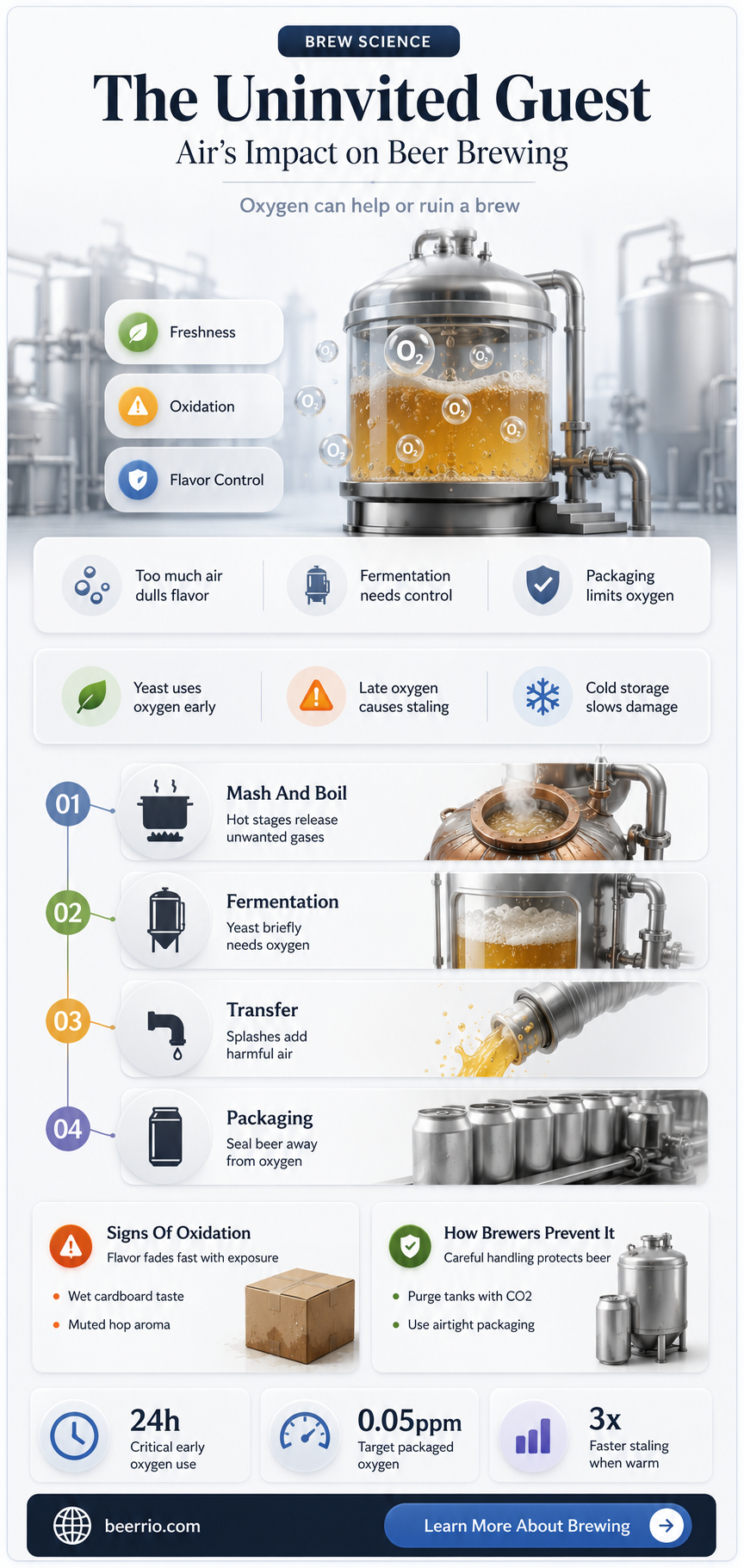
When air infiltrates the brewing process, it can have several detrimental effects on the final product. Oxygen, a component of air, can cause oxidation, leading to off-flavors and a shorter shelf life. Additionally, air can introduce unwanted bacteria and yeast, resulting in spoilage or inconsistent fermentation. Brewers must maintain a controlled environment to prevent air contamination, ensuring the beer's quality and taste remain uncompromised.
Explore related products


What You'll Learn
- Oxidation: Air exposure causes beer to oxidize, leading to stale flavors and aroma loss
- Microbial Contamination: Airborne microbes can spoil beer, introducing off-flavors and potential health risks
- Foam Formation: Air creates excessive foam, affecting beer's appearance and mouthfeel, and potentially causing overflow
- Chemical Reactions: Air interacts with beer compounds, altering the chemical balance and potentially producing undesirable substances
- Packaging Issues: Air in beer can lead to packaging problems, such as bloating or bursting of bottles and cans

Oxidation: Air exposure causes beer to oxidize, leading to stale flavors and aroma loss
Oxidation is a critical concern in the brewing process, as exposure to air can significantly impact the quality of the beer. When air comes into contact with beer, it triggers a chemical reaction that leads to the formation of stale flavors and the loss of desirable aromas. This process, known as oxidation, occurs when oxygen from the air reacts with the beer's ingredients, particularly the hops and malt.
The effects of oxidation can be detrimental to the beer's taste and aroma profile. Stale flavors, often described as cardboard-like or papery, can overpower the beer's intended flavor notes. Additionally, the loss of aroma can diminish the beer's overall sensory experience, making it less appealing to consumers.
To mitigate the risks of oxidation, brewers must take careful steps to minimize air exposure during the brewing process. This includes ensuring that all equipment is properly sealed and using techniques such as purging with inert gases like nitrogen or carbon dioxide to remove oxygen from the system. Brewers may also use antioxidants, such as ascorbic acid, to help stabilize the beer and prevent oxidation.
In the event that oxidation does occur, there are some steps that can be taken to salvage the beer. For example, brewers can try to blend the oxidized beer with a fresher batch to dilute the stale flavors. Alternatively, they can attempt to re-ferment the beer with a different yeast strain to help mask the oxidation effects.
Ultimately, preventing oxidation is key to maintaining the quality and consistency of beer. By understanding the causes and effects of oxidation, brewers can take proactive measures to ensure that their beer remains fresh and flavorful for consumers to enjoy.
Uncorking the Truth: Beer vs. Wine - Which Packs a Stronger Punch?
You may want to see also
Explore related products


Microbial Contamination: Airborne microbes can spoil beer, introducing off-flavors and potential health risks
Airborne microbes pose a significant threat to the beer brewing process, capable of introducing a range of off-flavors and potential health risks. These microorganisms, which include bacteria, yeast, and mold, can contaminate beer at various stages of production, from the initial mashing process to the final packaging. The presence of these microbes can lead to spoilage, characterized by unpleasant tastes and aromas such as sourness, bitterness, or a metallic sheen. In some cases, microbial contamination can also result in the production of harmful toxins, posing a risk to consumer health.
One of the primary ways airborne microbes enter the brewing process is through the air itself. During the fermentation stage, for example, yeast is intentionally added to the wort to convert sugars into alcohol and carbon dioxide. However, if the fermentation vessel is not properly sealed, wild yeast and bacteria from the surrounding environment can also enter, leading to contamination. Similarly, during the packaging process, if the beer is not adequately protected from the air, microbes can enter the bottles or cans, potentially causing spoilage over time.
To mitigate the risk of microbial contamination, brewers must take a number of precautions. These include ensuring that all equipment is properly sanitized before use, maintaining a clean and controlled brewing environment, and using high-quality ingredients. Additionally, brewers should monitor the fermentation process closely, looking for signs of contamination such as unusual odors or flavors. If contamination is suspected, the affected batch should be isolated and further testing conducted to determine the source and extent of the problem.
In conclusion, microbial contamination is a serious concern in the beer brewing process, with airborne microbes posing a particular risk. By understanding the potential sources of contamination and taking appropriate precautions, brewers can help ensure that their beer remains safe and enjoyable for consumers.
Unveiling the Truth: Beer vs. Liquor - Which Gets You Drunk Faster?
You may want to see also
Explore related products


Foam Formation: Air creates excessive foam, affecting beer's appearance and mouthfeel, and potentially causing overflow
Excessive foam formation is a common issue in beer brewing, particularly when air is introduced into the process. This can significantly impact the beer's appearance, mouthfeel, and overall quality. When air gets into the brewing process, it can lead to the creation of unwanted foam, which can cause the beer to overflow during fermentation or packaging. This not only results in a loss of product but can also affect the consistency and taste of the final brew.
One of the main reasons air creates excessive foam is due to its interaction with the proteins and sugars present in the wort. During fermentation, yeast consumes sugars and produces carbon dioxide, which can become trapped in the foam. If air is introduced, it can further exacerbate this issue by adding more oxygen to the mixture, which can lead to the formation of more foam. This can be particularly problematic during the packaging process, as the agitation of the beer can cause the foam to become more pronounced, leading to overflow and waste.
To prevent excessive foam formation, brewers can take several steps. First, it's essential to minimize the introduction of air during the brewing process. This can be achieved by using proper sealing techniques on fermentation vessels and ensuring that all equipment is clean and free of contaminants. Additionally, brewers can use fining agents, such as gelatin or isinglass, to help clarify the beer and reduce foam formation. These agents work by binding to the proteins and other particles in the beer, causing them to settle out of suspension and reducing the amount of foam that forms.
Another approach to reducing foam formation is to control the fermentation temperature. Yeast produces more carbon dioxide at higher temperatures, which can lead to increased foam production. By keeping the fermentation temperature at an optimal level, brewers can help minimize the amount of foam that forms. Furthermore, careful monitoring of the fermentation process and adjusting the yeast pitch rate can also help prevent excessive foam formation.
In conclusion, excessive foam formation can be a significant issue in beer brewing, particularly when air is introduced into the process. By taking steps to minimize air exposure, using fining agents, controlling fermentation temperature, and carefully monitoring the brewing process, brewers can help prevent this problem and ensure a high-quality final product.
Exploring Brews: A Beginner's Guide to Choosing Your First Beer
You may want to see also
Explore related products
![FERRODAY 5/16 Barbed Air Line Filter [4 PCS]- Sanitary Air Filter Air Line Fittings for Beer Brew Keg Air Filter for Homebrew White Air Filter for Fish Tank Translucent Plastic Gas Line Fitting](https://m.media-amazon.com/images/I/41zuguXL2jL._AC_UL320_.jpg)


![Airlocks for Fermenting[6Pack],Fermentation Airlock Kit,High TransparencyTwin Bubble S Shape with 12pcs Grommets Drilled 3/8’’ Hole for Preservation,Brewing,Beer, Wine, Sauerkraut, Kimchi](https://m.media-amazon.com/images/I/616swWvlUDL._AC_UL320_.jpg)


Chemical Reactions: Air interacts with beer compounds, altering the chemical balance and potentially producing undesirable substances
Air exposure during the brewing process can lead to a series of chemical reactions that alter the beer's composition. One of the primary concerns is the oxidation of certain compounds, which can result in the formation of undesirable substances. For instance, when air interacts with the beer's phenolic compounds, it can lead to the production of off-flavors and aromas, such as a cardboard-like taste or a stale, oxidized smell.
Another significant reaction is the interaction between air and the beer's hop compounds. Hops contain alpha acids, which are responsible for the beer's bitterness. When these alpha acids are exposed to air, they can undergo a process called isomerization, which changes their structure and reduces their bitterness. This can result in a less balanced and less flavorful beer.
Furthermore, air exposure can also lead to the growth of unwanted microorganisms, such as bacteria and yeast. These microorganisms can consume the beer's sugars and produce byproducts that alter the beer's taste, aroma, and appearance. For example, certain bacteria can produce lactic acid, which can give the beer a sour taste, while yeast can produce ethanol, which can increase the beer's alcohol content.
To mitigate these issues, brewers often take steps to minimize air exposure during the brewing process. This can include using closed fermentation vessels, purging air from the system before fermentation, and using antioxidants to help stabilize the beer's compounds. By taking these precautions, brewers can help ensure that their beer maintains its desired flavor, aroma, and quality.
Exploring the Intoxicating Ingredients: What Gets You Drunk in Beer?
You may want to see also
Explore related products
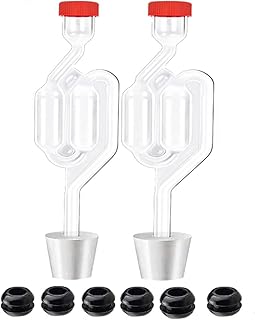


![Twin Bubble Airlock Set [6 Pack], Brew Kits Airlocks for Fermenting,Fermentation Airlock with 6 Stoppers + 12 Grommets](https://m.media-amazon.com/images/I/61t7lKv2FHL._AC_UL320_.jpg)
Packaging Issues: Air in beer can lead to packaging problems, such as bloating or bursting of bottles and cans
Air in beer can lead to significant packaging issues, primarily because it can cause the containers to become pressurized. This pressure buildup can result in bloating or even bursting of bottles and cans, leading to product loss and potential safety hazards. The primary reason for this is that air, particularly oxygen, can react with the yeast in the beer to produce carbon dioxide gas. This gas, when trapped inside the packaging, increases the internal pressure.
One of the most common issues associated with air in beer packaging is bottle or can bloating. This occurs when the carbon dioxide gas produced by the yeast reaction accumulates faster than it can escape through the packaging. The pressure buildup causes the bottle or can to expand, leading to a bloated appearance. In severe cases, this can result in the container bursting, which not only wastes the product but also poses a risk of injury to anyone nearby.
To mitigate these packaging issues, brewers must take steps to minimize the amount of air that gets into the beer during the brewing and packaging process. This can be achieved through various methods, such as using airtight containers, ensuring proper sealing of bottles and cans, and employing techniques like vacuum packaging or nitrogen flushing to remove air from the headspace. Additionally, brewers should monitor the fermentation process closely to prevent over-fermentation, which can also lead to excessive gas production and pressure buildup.
In conclusion, air in beer can lead to serious packaging problems, including bloating and bursting of containers. To prevent these issues, brewers must implement effective strategies to minimize air exposure during brewing and packaging. By doing so, they can ensure the quality and safety of their products while also reducing waste and potential hazards.
Exploring Sobriety: Beer vs. Shots - Which Packs a Stronger Punch?
You may want to see also
Frequently asked questions
If air gets into the brewing process, it can lead to oxidation, which affects the flavor and stability of the beer. Oxidation can cause the beer to taste stale or cardboard-like and can also lead to a shorter shelf life. Brewers take measures to minimize oxygen exposure during the brewing process to maintain the quality of the beer.
During the fermentation stage, air can introduce oxygen, which can inhibit the yeast's ability to ferment properly. This can result in a slower fermentation process, off-flavors, and a less stable final product. Brewers often use techniques such as purging the fermentation vessel with carbon dioxide or using oxygen-absorbing materials to prevent air from affecting the fermentation.
Some common practices to prevent air from entering the beer brewing process include:
- Purging the brewing and fermentation vessels with carbon dioxide to remove any residual oxygen.
- Using airtight seals and gaskets on all equipment to prevent air leaks.
- Minimizing the time that the wort (unfermented beer) is exposed to air during the brewing process.
- Using oxygen-absorbing materials, such as ascorbic acid, to scavenge any dissolved oxygen in the water used for brewing.
- Employing a technique called "cold crashing," where the beer is cooled to low temperatures before bottling to reduce the amount of dissolved oxygen.