Lucy Palmer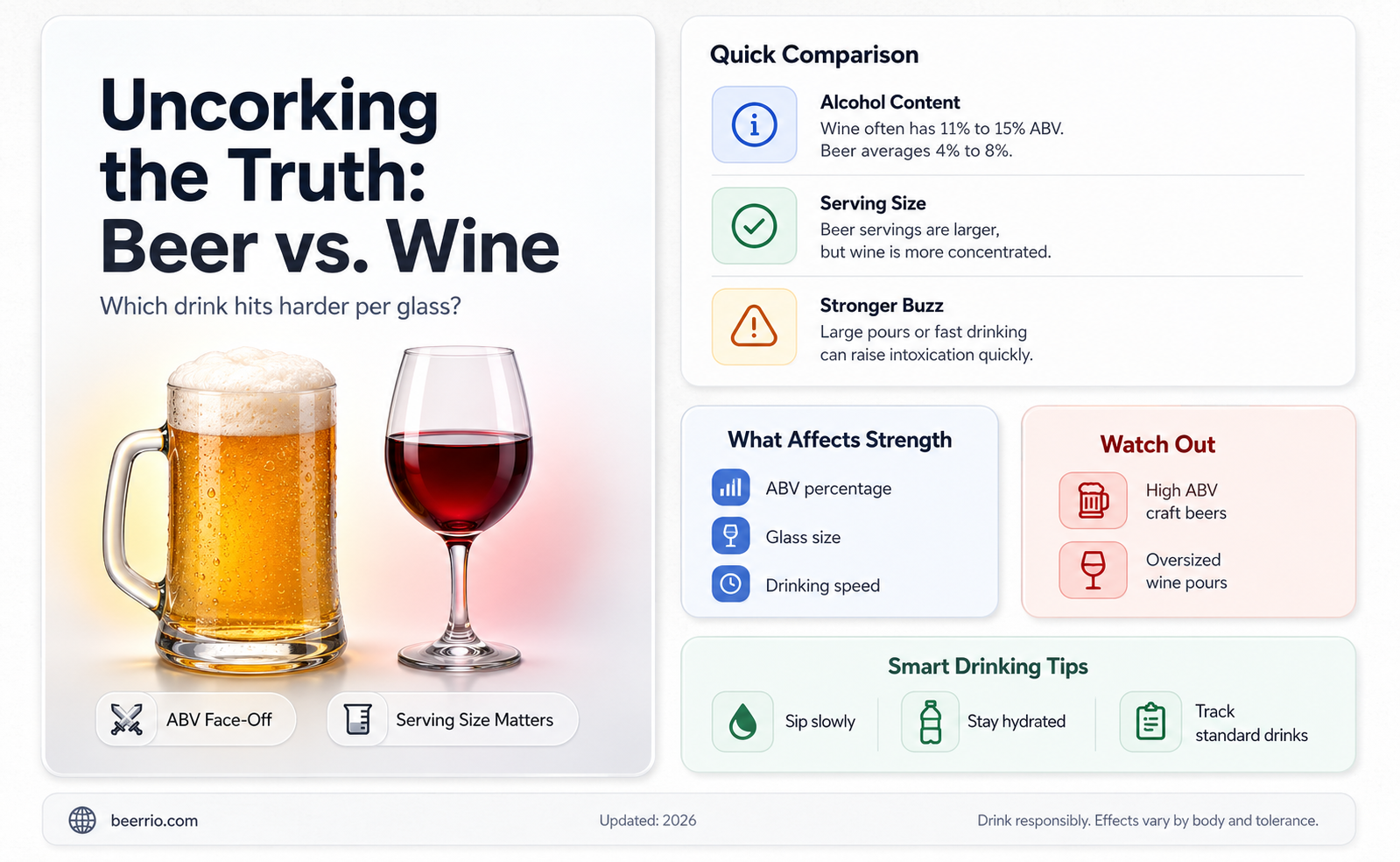
When comparing the intoxicating effects of beer and wine, several factors come into play. Both beverages contain alcohol, but their alcohol by volume (ABV) percentages can vary significantly. Generally, wine has a higher ABV than beer, which means that, ounce for ounce, wine can potentially lead to greater intoxication. However, the rate at which alcohol is absorbed into the bloodstream also depends on the drink's carbonation and sugar content. Beer is typically carbonated, which can speed up alcohol absorption, while wine often contains sugars that may slow it down. Additionally, individual tolerance, body weight, and metabolism play crucial roles in determining how drunk a person gets from consuming either beverage. It's important to note that responsible drinking practices should always be followed, regardless of the type of alcohol consumed.
| Characteristics | Values |
|---|---|
| Alcohol Content | Beer typically has a lower alcohol content (4-6% ABV) compared to wine (12-15% ABV). |
| Serving Size | A standard serving of beer is 12 oz (355 ml), while a standard serving of wine is 5 oz (148 ml). |
| Calories | Beer generally has more calories per serving than wine. A 12 oz beer can have around 150 calories, while a 5 oz glass of wine has about 125 calories. |
| Carbohydrates | Beer contains more carbohydrates than wine. A 12 oz beer can have around 13 grams of carbs, while a 5 oz glass of wine has about 4 grams. |
| Effects on Body | Due to its higher alcohol content, wine may cause more rapid intoxication compared to beer when consumed in equal volumes. |
| Social Context | Beer is often consumed in larger quantities in social settings, potentially leading to higher overall alcohol intake. |
| Metabolism | The body metabolizes alcohol at a relatively constant rate, so the type of drink may not significantly affect how quickly you get drunk. |
| Individual Tolerance | Personal alcohol tolerance varies widely and can be influenced by factors such as weight, gender, and drinking experience. |
| Mixing Drinks | Combining beer and wine can lead to a quicker onset of intoxication due to the variety of alcohol types being consumed. |
| Food Pairing | Wine is often paired with meals that may slow down alcohol absorption, while beer is commonly consumed without food or with lighter snacks. |
| Hydration | Both beer and wine can contribute to dehydration, but beer's higher water content may slightly mitigate this effect. |
| Hangover Severity | Wine, especially red wine, contains compounds like tannins and congeners that may contribute to more severe hangovers compared to beer. |
| Blood Alcohol Concentration (BAC) | For the same amount of alcohol consumed, wine may result in a higher BAC due to its higher alcohol content by volume. |
| Drinking Pace | Beer is often consumed more quickly than wine, which can lead to faster intoxication if not paced properly. |
| Cultural Factors | Drinking habits and preferences can vary significantly across different cultures and regions, influencing how and when these beverages are consumed. |
Explore related products



What You'll Learn
- Alcohol Content Comparison: Analyzing the typical alcohol by volume (ABV) percentages in beer versus wine
- Serving Sizes and Calories: Comparing standard serving sizes and caloric content of beer and wine
- Individual Tolerance Factors: Discussing how personal factors like weight, metabolism, and drinking experience affect intoxication levels
- Drinking Pace and Social Context: Examining how the speed of consumption and social setting influence drunkenness
- Myths and Scientific Studies: Debunking common misconceptions and summarizing scientific research on beer and wine consumption

Alcohol Content Comparison: Analyzing the typical alcohol by volume (ABV) percentages in beer versus wine
The debate over whether beer or wine induces greater intoxication is often centered around their respective alcohol by volume (ABV) percentages. Typically, beers have an ABV ranging from 4% to 6%, although some craft beers can reach up to 12% or more. In contrast, wines generally have an ABV between 11% and 14%, with some fortified wines reaching up to 20%. This significant difference in alcohol content suggests that, on average, wine would result in a higher level of intoxication compared to beer if consumed in equal volumes.
However, the actual intoxicating effect depends on various factors beyond just ABV. The rate of alcohol absorption into the bloodstream, influenced by factors such as food consumption, body weight, and metabolism, plays a crucial role in determining how quickly and intensely one becomes intoxicated. Additionally, the type of alcohol—whether it's the ethanol in beer and wine or the methanol in some spirits—can affect the body differently.
When comparing the intoxicating effects of beer and wine, it's also important to consider the typical serving sizes. A standard serving of beer is usually 12 ounces, while a standard serving of wine is 5 ounces. This means that to consume the same amount of alcohol, one would need to drink more beer than wine. For example, to match the alcohol content of a 5-ounce glass of 12% ABV wine, one would need to drink approximately 10 ounces of 5% ABV beer.
In conclusion, while wine generally has a higher ABV than beer, the intoxicating effect is influenced by a multitude of factors including serving size, rate of consumption, and individual physiological differences. Therefore, it's not accurate to definitively state that one beverage is more intoxicating than the other without considering these additional variables.
Banish the Beer Gut: Effective Strategies for a Slimmer Waistline
You may want to see also
Explore related products


Serving Sizes and Calories: Comparing standard serving sizes and caloric content of beer and wine
A standard serving of beer typically contains around 150-200 calories, depending on the type and alcohol content. In contrast, a standard serving of wine, which is usually 5 ounces, can range from 120 to 200 calories. However, it's important to note that these are general estimates and actual caloric content can vary significantly based on the specific brand and type of beverage.
When comparing serving sizes, beer is often consumed in larger quantities than wine. A typical bottle of beer is 12 ounces, which is equivalent to about 1.5 standard servings, while a standard bottle of wine is 750 milliliters, containing approximately 5 standard servings. This means that if you were to consume an entire bottle of each, you would be ingesting more calories from the beer than from the wine.
Another factor to consider is the alcohol by volume (ABV) content of each beverage. Beer generally has a lower ABV than wine, with most beers ranging from 4-6% ABV, while wines can range from 12-15% ABV or higher. This means that, ounce for ounce, wine typically contains more alcohol than beer, which can contribute to a higher caloric intake.
It's also worth noting that the body metabolizes alcohol differently than it does other nutrients, and the calories from alcohol are often referred to as "empty calories" because they provide energy but little to no nutritional value. Additionally, alcohol can impair judgment and decision-making, which may lead to overeating or making unhealthy food choices, further increasing caloric intake.
In conclusion, while both beer and wine can contribute to caloric intake, wine generally has a higher caloric content per serving due to its higher alcohol content. However, the actual number of calories consumed will depend on the specific type and amount of each beverage consumed. It's important to be mindful of portion sizes and to consume alcohol in moderation as part of a balanced diet.
Unveiling the Truth: Beer vs. Liquor - Which Gets You Drunk Faster?
You may want to see also
Explore related products


Individual Tolerance Factors: Discussing how personal factors like weight, metabolism, and drinking experience affect intoxication levels
The impact of alcohol on an individual can vary significantly based on several personal factors. Weight plays a crucial role; generally, the more a person weighs, the more water is present in their body to dilute the alcohol, potentially leading to a lower level of intoxication. Conversely, individuals with a lower body weight may experience higher levels of intoxication with the same amount of alcohol due to less water content in their bodies.
Metabolism is another key factor influencing intoxication levels. People with a faster metabolism tend to process alcohol more quickly, which can result in a shorter duration of intoxication. On the other hand, those with a slower metabolism may remain intoxicated for a longer period as their body takes more time to break down the alcohol.
Drinking experience also affects how alcohol impacts an individual. Regular drinkers often develop a tolerance to alcohol, meaning they require higher amounts to achieve the same level of intoxication as someone who drinks less frequently. This tolerance can be both a blessing and a curse; while it may allow experienced drinkers to consume more alcohol without becoming overly intoxicated, it also raises the risk of alcohol dependence and other health issues associated with chronic drinking.
Age is another critical factor to consider. As people age, their metabolism tends to slow down, and their body composition changes, often resulting in a decrease in water content. These changes can lead to increased susceptibility to intoxication, even if the individual has a history of regular drinking.
In conclusion, understanding how personal factors such as weight, metabolism, drinking experience, and age affect intoxication levels is essential for making informed decisions about alcohol consumption. By recognizing these individual tolerance factors, people can better gauge their limits and drink responsibly, minimizing the risks associated with alcohol use.
The Great Debate: Beer vs. Liquor - Which One Really Packs on the Pounds?
You may want to see also
Explore related products


Drinking Pace and Social Context: Examining how the speed of consumption and social setting influence drunkenness
The pace at which individuals consume alcohol can significantly impact their level of intoxication. Drinking quickly, often referred to as "binge drinking," can lead to higher blood alcohol concentrations (BAC) in a shorter period compared to sipping drinks slowly. This rapid increase in BAC can result in more pronounced effects of drunkenness, including impaired judgment, coordination, and reaction times. Social settings play a crucial role in influencing drinking pace. For instance, in a lively bar or party atmosphere, individuals may feel pressured to keep up with others or may be more inclined to drink quickly due to the energetic environment. Conversely, in a more relaxed setting, such as a quiet dinner, people tend to drink at a slower pace, allowing their bodies more time to metabolize the alcohol.
Research has shown that the social context of drinking can also affect how intoxicated someone feels. Drinking in a group can lead to a phenomenon known as "social facilitation," where individuals may drink more and feel more intoxicated due to the influence of their peers. Additionally, the presence of food can slow down the absorption of alcohol into the bloodstream, potentially reducing the peak BAC and the severity of drunkenness. Therefore, eating before or while drinking can be a practical strategy to mitigate the effects of alcohol consumption.
Another factor to consider is the type of alcoholic beverage being consumed. While the alcohol content of beer and wine can vary, the way these drinks are typically consumed can also influence intoxication. Beer is often drunk in larger quantities and at a faster pace, especially in social settings like bars or sporting events. Wine, on the other hand, is generally consumed more slowly and in smaller amounts, often accompanied by food. This difference in consumption patterns can contribute to varying levels of drunkenness between the two types of beverages.
In conclusion, the speed of alcohol consumption and the social context in which it occurs are critical factors in determining the level of intoxication. Drinking quickly or in a social setting that encourages rapid consumption can lead to higher BAC and more pronounced effects of drunkenness. Conversely, drinking slowly and in a more relaxed environment can help moderate the impact of alcohol on the body. Understanding these factors can help individuals make more informed choices about their alcohol consumption and reduce the risks associated with excessive drinking.
Freshen Up: Effective Ways to Eliminate Beer Breath Quickly
You may want to see also
Explore related products


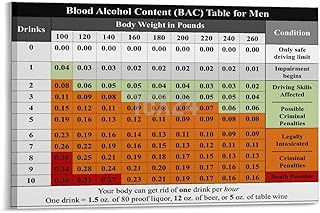
Myths and Scientific Studies: Debunking common misconceptions and summarizing scientific research on beer and wine consumption
Analyzing Alcohol Content and Its Effects
One prevalent myth is that wine, due to its perceived sophistication, is less intoxicating than beer. However, scientific studies reveal that the alcohol content in wine can be just as high, if not higher, than in beer. A standard serving of wine (5 ounces) typically contains between 12-15% alcohol by volume (ABV), while a standard serving of beer (12 ounces) usually has an ABV of 4-6%. Despite this, the rate of alcohol absorption into the bloodstream can vary based on factors such as food consumption, body weight, and metabolism. Research indicates that the body absorbs alcohol more quickly on an empty stomach, and the effects can be more pronounced in individuals with lower body mass.
Comparative Intoxication Levels
Another misconception is that beer leads to a faster intoxication compared to wine. This belief may stem from the higher volume of beer typically consumed in a sitting. However, studies show that the rate of intoxication is more closely related to the total amount of alcohol consumed rather than the type of beverage. For instance, consuming two standard servings of wine (10 ounces) would result in a similar blood alcohol concentration (BAC) as drinking two standard servings of beer (24 ounces). It's crucial to note that individual tolerance and the speed of alcohol metabolism play significant roles in determining intoxication levels.
Health Implications and Responsible Consumption
While moderate alcohol consumption has been linked to certain health benefits, such as reduced risk of heart disease, excessive drinking can lead to severe health issues including liver damage, addiction, and increased risk of certain cancers. Research emphasizes the importance of responsible drinking habits, defined as up to one drink per day for women and up to two drinks per day for men. It's also essential to consider the nutritional content of alcoholic beverages; for example, wine contains antioxidants like resveratrol, while beer is a source of carbohydrates and some B vitamins.
Practical Tips for Safe Consumption
To ensure safe and responsible alcohol consumption, it's advisable to:
- Eat before and while drinking to slow alcohol absorption.
- Stay hydrated by drinking water alongside alcoholic beverages.
- Avoid binge drinking and maintain a steady pace of consumption.
- Know your limits and avoid drinking to the point of intoxication.
- Consider using alcohol tracking apps to monitor consumption levels.
In conclusion, understanding the scientific research behind beer and wine consumption can help dispel common myths and promote responsible drinking habits. By focusing on the alcohol content, rate of absorption, and individual factors affecting intoxication, one can make informed choices about alcohol consumption while minimizing potential health risks.
Banish the Beer Belly: Effective Strategies for a Slimmer Midsection
You may want to see also
Frequently asked questions
Generally, wine has a higher alcohol content than beer, which means that drinking the same volume of wine as beer could result in a higher level of intoxication. However, this can vary greatly depending on the specific type and brand of each beverage.
On average, beer contains about 4-6% alcohol by volume (ABV), while wine typically ranges from 11-14% ABV. This higher alcohol content in wine is why it can lead to intoxication more quickly than beer if consumed in the same quantities.
Yes, several factors can influence the level of intoxication, including the speed at which you consume the beverage, your body weight, your metabolism, and whether you've eaten recently. Additionally, the type of beer or wine (e.g., light beer vs. heavy stout, white wine vs. red wine) can also affect the alcohol content and thus the level of intoxication.