Jason Wagner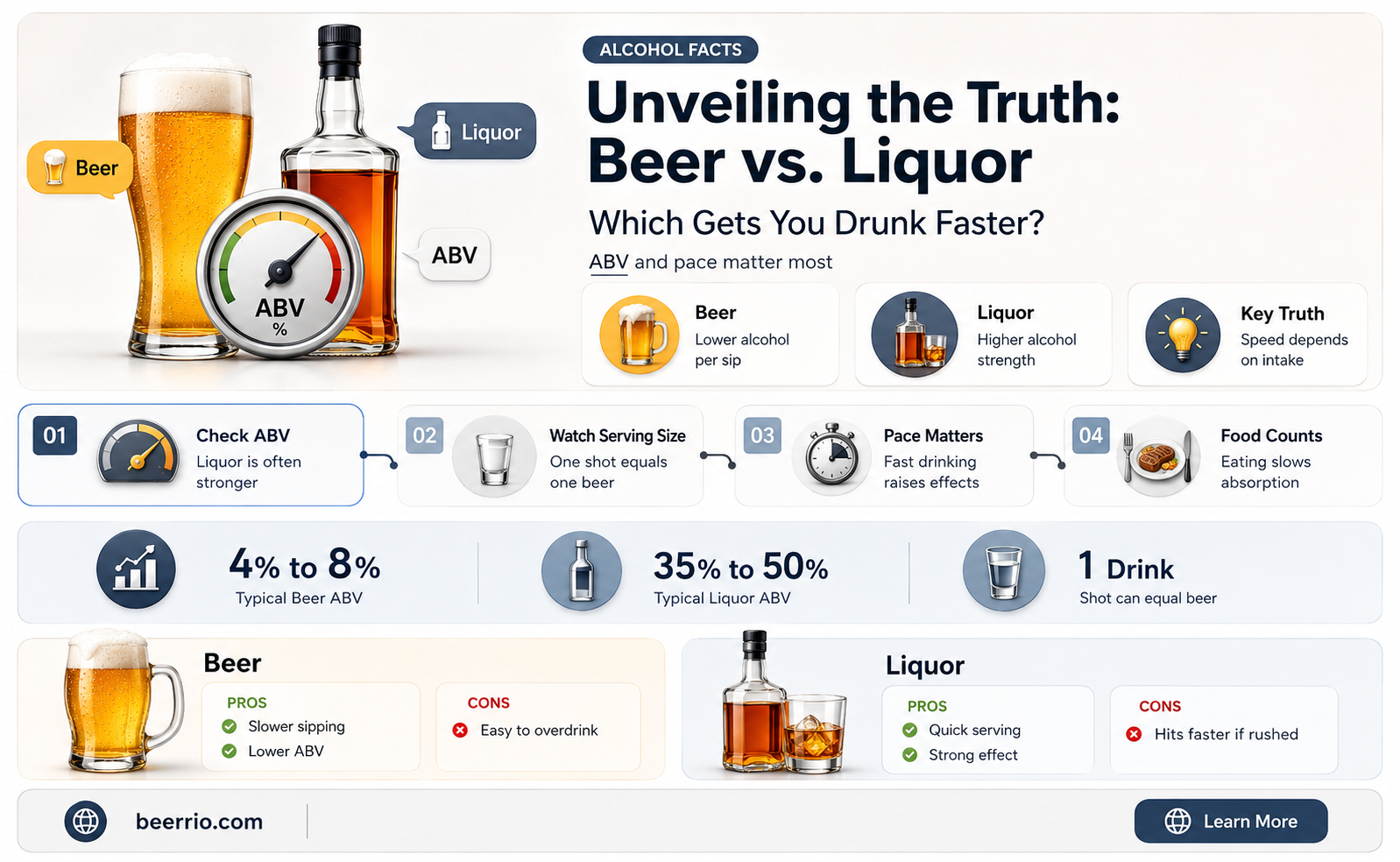
When comparing the effects of beer versus liquor on intoxication, several factors come into play. Generally, liquor contains a higher alcohol by volume (ABV) percentage than beer, which means that consuming an equal volume of liquor will result in a higher intake of pure alcohol. This can lead to faster intoxication. However, the rate at which alcohol is absorbed into the bloodstream also depends on the type of drink, individual body factors, and whether food is consumed alongside the alcohol. For instance, drinks with higher sugar content or those that are carbonated may be absorbed more quickly. Additionally, personal tolerance, metabolism, and body weight can significantly influence how quickly someone becomes drunk. It's important to note that responsible drinking practices should always be followed, regardless of the type of alcohol consumed.
Explore related products



What You'll Learn
- Blood Alcohol Content (BAC): Understanding how different types of alcohol affect your BAC levels
- Alcohol Metabolism: Exploring how your body processes beer versus liquor
- Caloric Content: Comparing the caloric intake from beer and liquor
- Hydration Levels: Examining how beer and liquor impact your body's hydration
- Tolerance and Sensitivity: Discussing individual differences in alcohol tolerance and sensitivity

Blood Alcohol Content (BAC): Understanding how different types of alcohol affect your BAC levels
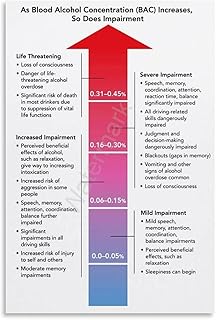
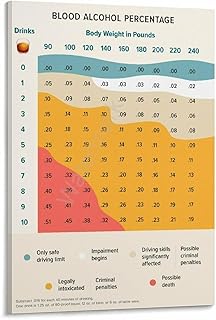
Understanding how different types of alcohol affect your Blood Alcohol Content (BAC) levels is crucial for responsible drinking. BAC is the measure of alcohol in your bloodstream, and it's influenced by various factors including the type of alcohol consumed. Beer and liquor, for instance, have different alcohol concentrations and are metabolized at varying rates, which can significantly impact your BAC.
Beer typically has a lower alcohol content compared to liquor. On average, a standard beer (12 ounces) contains about 5% alcohol by volume (ABV), while a shot of liquor (1.5 ounces) can range from 40% to 50% ABV. This means that, ounce for ounce, liquor has a much higher alcohol concentration than beer. However, the rate at which your body absorbs alcohol from beer versus liquor can differ due to factors like carbonation and the presence of food in your stomach.
Carbonated beverages, like beer, can cause alcohol to be absorbed more quickly into your bloodstream because the carbon dioxide in the drink can increase the permeability of the stomach lining. This allows alcohol to pass into the blood more rapidly. On the other hand, consuming liquor with food can slow down the absorption rate because the food can act as a barrier, delaying the alcohol's entry into the bloodstream.
Another factor to consider is the method of consumption. Drinking beer slowly over a longer period may result in a lower peak BAC compared to consuming several shots of liquor in quick succession. This is because your liver has more time to metabolize the alcohol in beer, whereas the rapid intake of liquor can overwhelm your liver's ability to process the alcohol, leading to a higher BAC.
In conclusion, while liquor generally has a higher alcohol content than beer, the rate of absorption and the resulting BAC can be influenced by factors such as carbonation, the presence of food, and the speed of consumption. Responsible drinking practices, such as pacing yourself and eating before or while drinking, can help manage your BAC levels and reduce the risks associated with alcohol consumption.
Fresh Breath Solutions: How to Eliminate Beer Odor Quickly
You may want to see also
Explore related products


Alcohol Metabolism: Exploring how your body processes beer versus liquor
The body metabolizes alcohol through a series of enzymatic reactions, primarily in the liver. When comparing beer and liquor, the rate of metabolism can vary due to differences in alcohol concentration and the presence of other compounds. Liquor, which typically has a higher alcohol content than beer, may be metabolized more slowly because the liver can only process a certain amount of alcohol at a time. This means that while you might feel the effects of liquor more quickly due to its higher alcohol content, it may actually take longer for your body to fully metabolize it.
Beer, on the other hand, contains carbohydrates and other compounds that can affect how quickly alcohol is absorbed into the bloodstream. The presence of food in the stomach can also slow down the absorption of alcohol, which is why eating before or while drinking can help reduce the immediate effects of intoxication. However, this does not necessarily mean that beer will get you drunk faster than liquor; it simply means that the timing and intensity of the effects may differ.
It's also important to consider individual factors that can influence alcohol metabolism, such as body weight, liver function, and genetic predispositions. Some people may metabolize alcohol more quickly or slowly than others, which can affect how they respond to different types of alcoholic beverages. Additionally, the rate of metabolism can be influenced by factors such as hydration levels and overall health.
In terms of practical tips, it's essential to be aware of your own limits and to drink responsibly. Knowing how your body metabolizes alcohol can help you make informed decisions about when and how much to drink. It's also important to remember that the effects of alcohol can be unpredictable and that it's always best to err on the side of caution.
Ultimately, the question of whether beer or liquor gets you drunk faster is complex and depends on a variety of factors. By understanding how your body metabolizes alcohol, you can better navigate the social and health implications of drinking and make choices that are right for you.
Exploring Brews: A Beginner's Guide to Choosing Your First Beer
You may want to see also
Explore related products


Caloric Content: Comparing the caloric intake from beer and liquor
The caloric content of alcoholic beverages is a critical factor to consider when comparing the effects of beer and liquor. Generally, liquor contains more calories per serving than beer. For instance, a standard shot of vodka (1.5 ounces) can contain around 65-70 calories, while a 12-ounce serving of beer typically ranges from 100 to 200 calories, depending on the type and brand. This difference in caloric content can influence how quickly an individual becomes intoxicated, as the body processes calories from alcohol differently than it does from food.
When examining the caloric intake from beer and liquor, it's essential to consider the alcohol by volume (ABV) percentage. Liquors generally have a higher ABV than beers, which means that a smaller serving size of liquor can contain the same amount of alcohol as a larger serving of beer. This higher concentration of alcohol in liquor can lead to faster intoxication, even when the caloric intake is lower. For example, a 1.5-ounce shot of 40% ABV vodka contains about 0.6 ounces of pure alcohol, while a 12-ounce beer with 5% ABV contains only 0.6 ounces of alcohol. Despite the beer having more calories, the vodka shot may result in quicker intoxication due to its higher alcohol concentration.
Another factor to consider is the type of beer and liquor being consumed. Light beers, for instance, tend to have fewer calories than darker beers, while certain types of liquor, such as whiskey or rum, may have slightly different caloric contents compared to vodka or gin. Additionally, mixers and chasers used with liquor can significantly increase the overall caloric intake. For example, adding soda or juice to a shot of liquor can add 100-200 calories or more, depending on the mixer.
In conclusion, while the caloric content of beer and liquor plays a role in determining which may lead to faster intoxication, it is not the sole factor. The ABV percentage, serving size, and the presence of mixers all contribute to the overall effects. It's crucial to consume alcohol responsibly and be aware of the various factors that can influence intoxication levels.
Banish the Beer Belly: Effective Strategies for a Slimmer Midsection
You may want to see also
Explore related products


Hydration Levels: Examining how beer and liquor impact your body's hydration
Alcohol's impact on hydration levels is a critical factor to consider when examining the differences between beer and liquor consumption. Ethanol, the active ingredient in both beer and liquor, is a diuretic, which means it increases urine production and can lead to dehydration. However, the extent of this effect can vary depending on the type and amount of alcohol consumed.
Beer, which typically has a lower alcohol content than liquor, may have a less pronounced diuretic effect. A study published in the American Journal of Physiology found that moderate beer consumption did not significantly impact hydration levels in healthy adults. This is likely due to the fact that beer contains water and electrolytes, which can help offset the dehydrating effects of alcohol.
Liquor, on the other hand, has a higher alcohol content and is more likely to cause dehydration. A study published in the Journal of Clinical and Experimental Research found that consuming liquor led to a significant increase in urine production and a decrease in hydration levels. This is because liquor contains less water and electrolytes than beer, and its higher alcohol content can lead to more pronounced diuretic effects.
It's important to note that individual factors, such as body weight, metabolism, and overall health, can also impact how alcohol affects hydration levels. Additionally, consuming alcohol with food or water can help mitigate its dehydrating effects. As a general rule, it's recommended to drink water alongside alcohol to help maintain proper hydration levels.
In conclusion, while both beer and liquor can impact hydration levels, liquor is more likely to cause dehydration due to its higher alcohol content and lower water and electrolyte content. To minimize the dehydrating effects of alcohol, it's important to consume it in moderation, drink water alongside it, and be mindful of individual factors that may affect hydration levels.
Freshen Up: Effective Ways to Eliminate Beer Breath Quickly
You may want to see also
Explore related products


Tolerance and Sensitivity: Discussing individual differences in alcohol tolerance and sensitivity
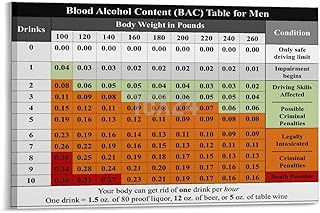
Individual differences in alcohol tolerance and sensitivity play a significant role in how quickly someone becomes intoxicated. Tolerance refers to the body's ability to metabolize alcohol, which can vary greatly from person to person. Some individuals may have a higher tolerance due to genetic factors, regular alcohol consumption, or differences in body composition. On the other hand, sensitivity refers to how strongly the body reacts to alcohol, which can also vary based on factors such as age, gender, and overall health.
For example, a person with a higher tolerance may be able to consume more alcohol before feeling the same effects as someone with a lower tolerance. This can lead to differences in how quickly someone becomes drunk when consuming beer versus liquor. Beer typically has a lower alcohol content than liquor, but the rate at which it is consumed can also impact intoxication levels. Someone with a higher tolerance may be able to drink more beer before feeling drunk, while someone with a lower tolerance may become intoxicated more quickly.
It's important to note that individual differences in tolerance and sensitivity can also be influenced by external factors such as food consumption, stress levels, and medication use. For instance, consuming a large meal before drinking can slow down the absorption of alcohol into the bloodstream, potentially reducing the rate of intoxication. Similarly, certain medications can interact with alcohol, either increasing or decreasing its effects on the body.
Understanding these individual differences is crucial for responsible alcohol consumption. It's essential to be aware of one's own tolerance and sensitivity levels, as well as how external factors can impact them. This knowledge can help individuals make informed decisions about how much alcohol to consume and when to stop, ultimately reducing the risk of alcohol-related harm.
In conclusion, tolerance and sensitivity are key factors in determining how quickly someone becomes drunk when consuming alcohol. By recognizing and understanding these individual differences, people can drink more responsibly and safely, minimizing the potential risks associated with alcohol consumption.
Banish the Beer Gut: Effective Strategies for a Slimmer Waistline
You may want to see also
Frequently asked questions
Generally, liquor gets you drunk faster than beer due to its higher alcohol content.
Beer typically has an alcohol by volume (ABV) of 4-6%, while liquor can range from 40-50% ABV or even higher.
Factors include the person's weight, metabolism, tolerance, the amount and type of alcohol consumed, and whether food is eaten before or while drinking.
Neither is inherently safer; the key is moderation. However, due to its lower alcohol content, beer may be less risky when consumed in the same quantity as liquor.
Responsible drinking includes knowing your limits, pacing yourself, eating before and while drinking, staying hydrated, and never drinking and driving.