Beatrix Montes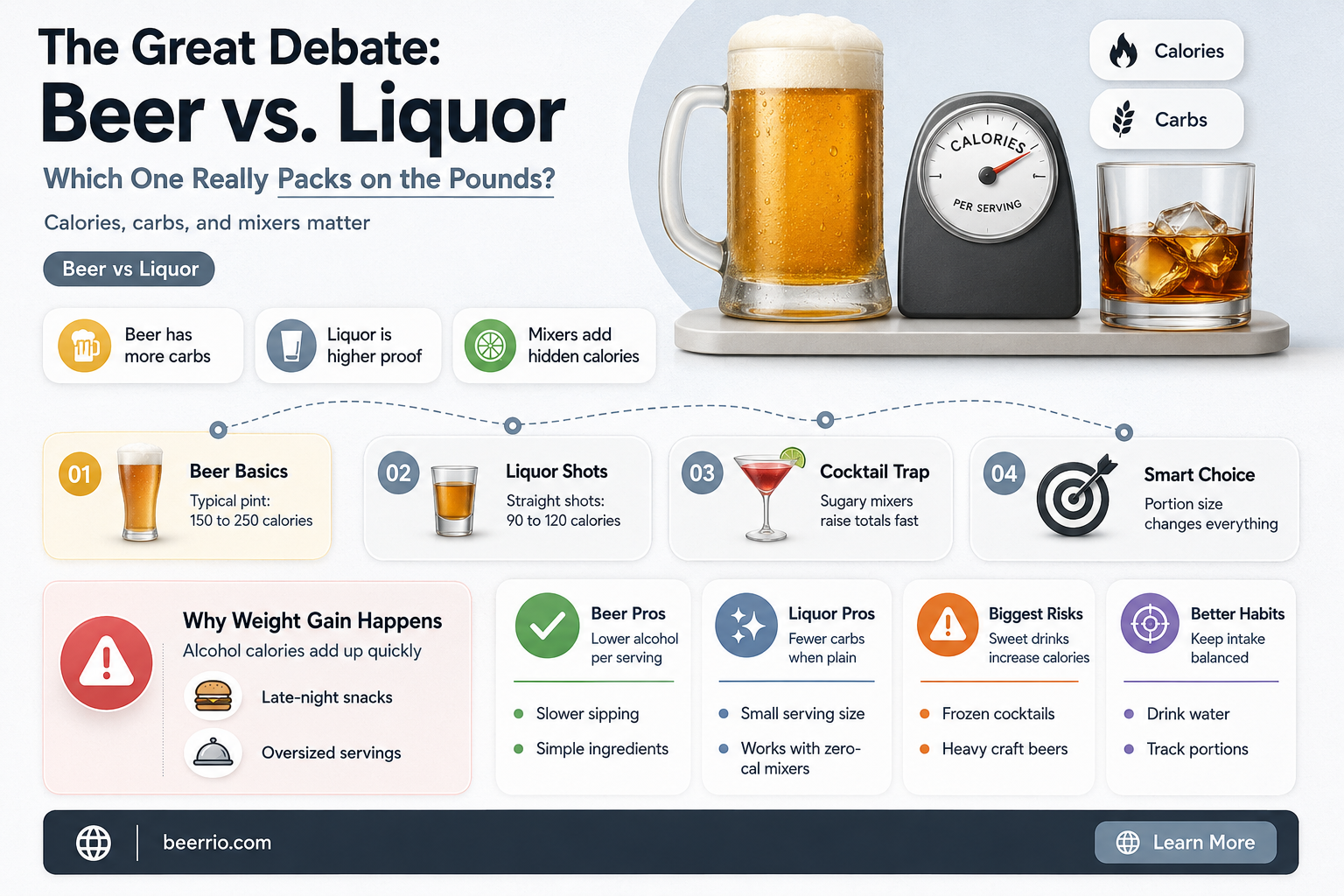
When it comes to the debate over what gets you fatter, beer or liquor, it's essential to understand the caloric content and metabolic effects of each. Beer, while often lower in calories per serving compared to some liquors, can lead to weight gain due to its carbohydrate content and the tendency for individuals to consume it in larger quantities. On the other hand, liquors like vodka or gin are higher in calories but are typically consumed in smaller amounts. However, mixers and cocktails can significantly increase the calorie count. Ultimately, weight gain is influenced by overall caloric intake and expenditure, rather than the choice between beer and liquor alone.
Explore related products


What You'll Learn
- Caloric Content Comparison: Beer vs. liquor calorie count per serving, highlighting differences in energy intake
- Alcohol Metabolism: How the body processes alcohol from beer versus spirits, impacting weight gain
- Nutrient Intake: Vitamins and minerals in beer compared to those in spirits, and their effects on health
- Consumption Patterns: Typical drinking habits associated with beer and liquor, influencing overall calorie consumption
- Weight Gain Myths: Debunking common misconceptions about alcohol's role in weight gain, focusing on scientific facts

Caloric Content Comparison: Beer vs. liquor calorie count per serving, highlighting differences in energy intake
Analyzing the caloric content of alcoholic beverages reveals significant differences between beer and liquor. A standard serving of beer, typically 12 ounces, contains approximately 150 calories. In contrast, a serving of liquor, such as vodka or whiskey, which is usually 1.5 ounces, contains around 65-80 calories. This disparity in calorie count per serving can have substantial implications for overall energy intake and weight management.
One key factor contributing to the higher calorie content in beer is the presence of carbohydrates. Beer contains a notable amount of carbs, which contribute to its calorie count. On the other hand, most distilled spirits like vodka, gin, and whiskey are virtually carb-free, making them a lower-calorie option per serving. However, it's essential to consider that the calorie content can vary significantly among different types of beer and liquor, with some craft beers and flavored spirits having much higher calorie counts.
Another important aspect to consider is the serving size. While a standard beer serving is 12 ounces, a typical liquor serving is much smaller at 1.5 ounces. This means that consuming multiple servings of liquor can quickly add up in terms of calories. Additionally, mixers and chasers often used with liquor can significantly increase the calorie content of a drink. For example, adding soda or juice to a spirit can add 100-200 calories or more per serving.
In terms of energy intake, the differences between beer and liquor become even more pronounced when considering the frequency and quantity of consumption. For individuals who consume alcohol regularly, the cumulative effect of these calorie differences can contribute to weight gain over time. It's also worth noting that alcohol can impair judgment and increase appetite, leading to overeating and further contributing to weight gain.
In conclusion, when comparing the caloric content of beer and liquor, it's clear that beer generally contains more calories per serving due to its carbohydrate content and larger serving size. However, the overall impact on energy intake and weight management depends on various factors, including the type of beverage, serving size, frequency of consumption, and the use of mixers. Understanding these differences can help individuals make more informed choices about their alcohol consumption and its potential impact on their health and weight.
Freshen Up: Effective Ways to Eliminate Beer Breath Quickly
You may want to see also
Explore related products


Alcohol Metabolism: How the body processes alcohol from beer versus spirits, impacting weight gain
The body metabolizes alcohol from beer and spirits differently, which can impact weight gain. When you consume beer, your body prioritizes metabolizing the carbohydrates and sugars present in the beverage. This process engages the liver and pancreas, diverting resources away from fat metabolism. As a result, the calories from beer are more likely to be stored as fat, contributing to weight gain.
In contrast, spirits like vodka and whiskey contain fewer carbohydrates and sugars. When you drink spirits, your body focuses more on metabolizing the alcohol itself. This process still requires energy, but it doesn't divert as many resources away from fat metabolism as beer does. Therefore, the calories from spirits are less likely to be stored as fat, potentially making them a slightly better choice for those concerned about weight gain.
However, it's important to note that the overall calorie content of the drink is also a significant factor. Spirits are often higher in calories per serving than beer, so consuming large amounts of spirits can still lead to weight gain. Additionally, mixers and chasers used with spirits can add extra calories and sugars, negating any potential benefits.
To minimize weight gain from alcohol consumption, it's best to drink in moderation and choose lower-calorie options. Light beers and spirits served neat or with low-calorie mixers are better choices than high-calorie cocktails or beers with added sugars. Remember, the key to maintaining a healthy weight is a balanced diet and regular exercise, so it's essential to consider alcohol consumption as part of your overall lifestyle.
Unveiling the Truth: Beer vs. Liquor - Which Gets You Drunk Faster?
You may want to see also
Explore related products




Nutrient Intake: Vitamins and minerals in beer compared to those in spirits, and their effects on health
Beer and spirits both contain various vitamins and minerals, albeit in different quantities. Beer, for instance, is a notable source of B vitamins, particularly niacin (B3), riboflavin (B2), and folate (B9). These nutrients play crucial roles in energy metabolism, nervous system function, and DNA synthesis. Additionally, beer contains small amounts of minerals like potassium, magnesium, and selenium, which are essential for maintaining healthy blood pressure, muscle function, and immune response.
In contrast, spirits generally have a lower nutrient content compared to beer. However, some spirits, especially those made from grains or potatoes, may contain trace amounts of B vitamins and minerals. For example, vodka made from potatoes can have small quantities of potassium and vitamin C. Nonetheless, the nutrient profile of spirits is typically less diverse and less significant than that of beer.
The health effects of these nutrients depend on the overall consumption pattern. Moderate beer consumption, defined as up to one drink per day for women and up to two drinks per day for men, may provide some health benefits due to its nutrient content. For instance, the B vitamins in beer can help maintain energy levels and support cardiovascular health. However, excessive alcohol intake can negate these benefits and lead to various health problems, including liver damage, weight gain, and increased risk of chronic diseases.
Spirits, due to their higher alcohol content and lower nutrient profile, are generally considered less healthy than beer when consumed in excess. However, moderate consumption of spirits may not have significantly different health effects compared to beer, assuming the overall calorie intake remains the same. It's important to note that the type of spirit and the method of consumption (e.g., neat, mixed with sugary drinks) can also influence its health impact.
In conclusion, while both beer and spirits contain some vitamins and minerals, beer generally has a more diverse and significant nutrient profile. However, the health effects of these nutrients are highly dependent on the pattern and quantity of alcohol consumption. Moderate intake may provide some benefits, but excessive drinking can lead to numerous health issues.
Comparing Alcohol Metabolism: Liquor vs. Beer Breakdown
You may want to see also
Explore related products




Consumption Patterns: Typical drinking habits associated with beer and liquor, influencing overall calorie consumption
Beer and liquor consumption patterns significantly influence overall calorie intake, with each type of alcohol presenting unique challenges and considerations. Beer, often consumed in larger quantities due to its lower alcohol content, can lead to a higher calorie intake per drinking session compared to liquor. A typical 12-ounce beer contains around 150 calories, and it's not uncommon for individuals to consume multiple beers in one sitting, especially in social settings or during sporting events. This can quickly add up, contributing to a higher daily calorie consumption.
On the other hand, liquor, while generally higher in alcohol content and calories per ounce, is often consumed in smaller quantities. A standard drink of liquor, which is about 1.5 ounces, can range from 65 to 100 calories depending on the type. However, the social context in which liquor is consumed can also impact calorie intake. For instance, cocktails often include mixers that are high in sugar and calories, such as soda, juice, or syrup, which can significantly increase the overall calorie content of the drink.
Moreover, the frequency and intensity of alcohol consumption play a crucial role in determining its impact on weight gain. Regular heavy drinking, defined as more than four drinks on any single day for women and more than five for men, can lead to a substantial increase in calorie intake over time. Additionally, alcohol can impair judgment and inhibitions, leading to poor food choices and overeating, further exacerbating the potential for weight gain.
It's also important to consider the metabolic effects of alcohol. Alcohol is metabolized differently from other nutrients, with the body prioritizing its breakdown over other processes. This can lead to a temporary increase in metabolism, but chronic alcohol consumption can disrupt normal metabolic functions, potentially contributing to weight gain and other health issues.
In conclusion, while both beer and liquor can contribute to weight gain through increased calorie intake, the specific consumption patterns and social contexts associated with each type of alcohol play a significant role in determining their overall impact on weight. Understanding these patterns and making mindful choices about alcohol consumption can help individuals manage their calorie intake and maintain a healthy weight.
Fresh Breath Solutions: How to Eliminate Beer Odor Quickly
You may want to see also
Explore related products


$16.5


Weight Gain Myths: Debunking common misconceptions about alcohol's role in weight gain, focusing on scientific facts
One common myth is that beer is inherently more fattening than liquor due to its carbohydrate content. However, the reality is more nuanced. While beer does contain carbohydrates, the amount is relatively minimal compared to other sources in a typical diet. A standard 12-ounce serving of beer contains approximately 10-15 grams of carbohydrates, which is less than a slice of bread or a small serving of pasta. Furthermore, the body processes carbohydrates from beer similarly to those from other sources, making beer no more likely to cause weight gain than other carbohydrate-containing foods when consumed in moderation.
Another misconception is that the calories in beer are more likely to be stored as fat compared to the calories in liquor. This myth stems from the idea that beer contains "empty calories" with little nutritional value. However, research has shown that the body does not differentiate between calories from beer and calories from other sources when it comes to weight gain. All calories, regardless of their source, can contribute to weight gain if consumed in excess of the body's energy needs. Therefore, it is the overall calorie intake and expenditure that matters, not the specific source of the calories.
It is also important to consider the role of alcohol metabolism in weight gain. When the body metabolizes alcohol, it prioritizes this process over the metabolism of other nutrients, including carbohydrates and fats. This means that while alcohol itself does not directly cause weight gain, it can indirectly contribute to weight gain by increasing overall calorie intake and decreasing the body's ability to metabolize other nutrients efficiently. Additionally, alcohol can lower inhibitions, leading to increased food consumption and poor dietary choices, which can further contribute to weight gain.
In conclusion, the myth that beer is more fattening than liquor is not supported by scientific evidence. Weight gain is primarily determined by overall calorie intake and expenditure, as well as lifestyle factors such as diet and exercise. While alcohol consumption can contribute to weight gain through increased calorie intake and decreased metabolic efficiency, the specific type of alcohol (beer or liquor) does not significantly impact this process. Therefore, it is important to focus on moderation and balance in alcohol consumption, as well as maintaining a healthy diet and exercise routine, to minimize the risk of weight gain.
Sipping Songs: The Surprising Science Behind Beer and Lyrics
You may want to see also