Arabella Franco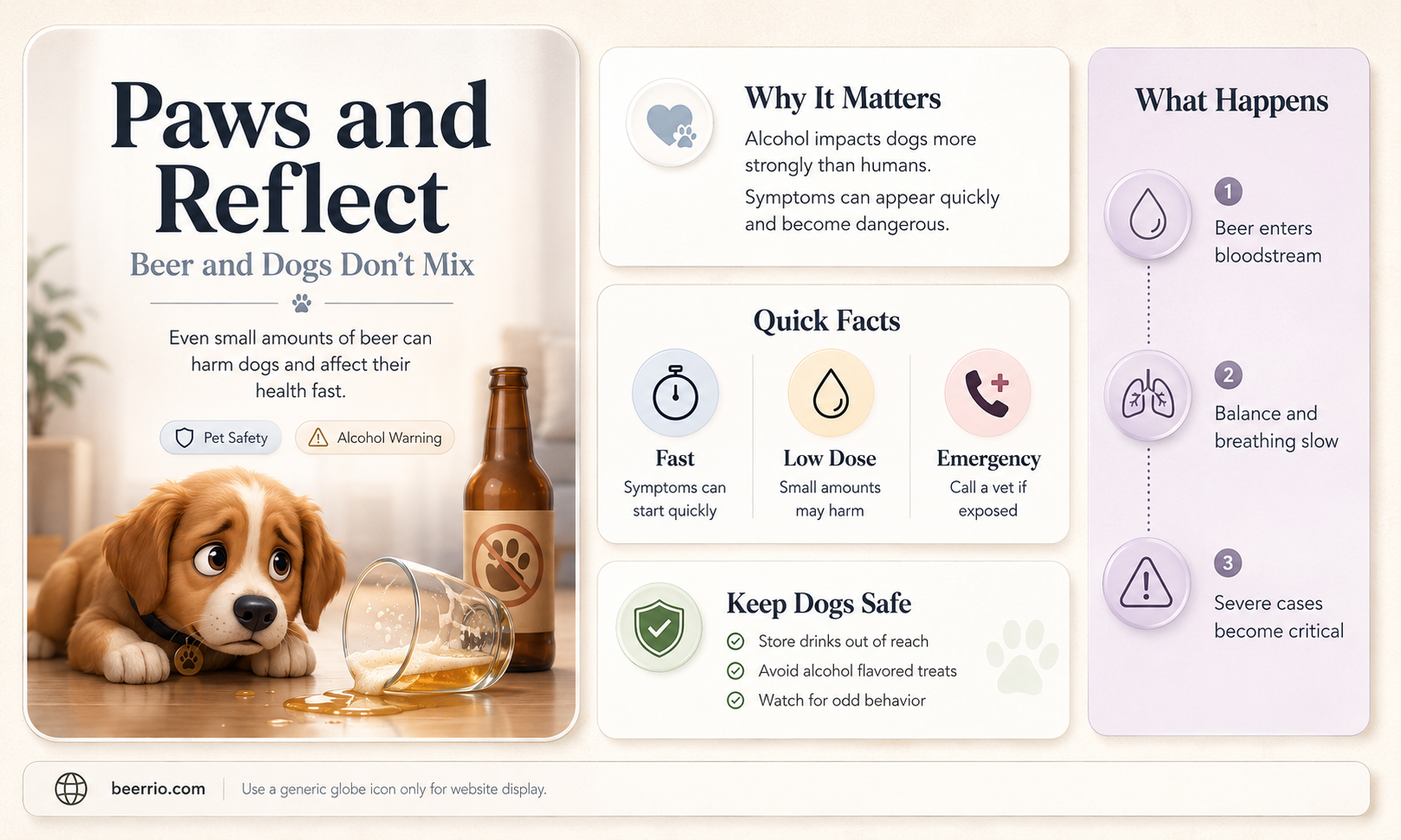
If a dog gets a sip of beer, it can lead to serious health issues. Beer contains alcohol, which is toxic to dogs and can cause alcohol poisoning. Even small amounts can be dangerous, leading to symptoms such as vomiting, diarrhea, difficulty breathing, tremors, and in severe cases, coma or death. It's crucial for pet owners to keep alcoholic beverages out of reach of their pets and to seek immediate veterinary care if they suspect their dog has ingested alcohol.
Explore related products




What You'll Learn
- Immediate Effects: Dogs may experience vomiting, diarrhea, difficulty breathing, and disorientation after ingesting beer
- Alcohol Toxicity: Even small amounts of alcohol can be toxic to dogs, leading to severe health complications
- Long-term Consequences: Repeated exposure to alcohol can cause chronic health issues in dogs, including liver damage
- Emergency Response: If a dog ingests beer, it's crucial to contact a veterinarian immediately for guidance and treatment
- Prevention Tips: Keep alcoholic beverages out of reach of pets and educate guests about the dangers of sharing drinks with dogs

Immediate Effects: Dogs may experience vomiting, diarrhea, difficulty breathing, and disorientation after ingesting beer
Upon ingestion of beer, dogs can rapidly exhibit a range of distressing symptoms. Vomiting is often the first sign, as the canine body attempts to expel the toxic substance. This can lead to dehydration and electrolyte imbalances if not managed properly. Diarrhea may follow, further complicating the dog's condition and potentially resulting in severe gastrointestinal upset.
Difficulty breathing is another immediate effect that can be particularly alarming for pet owners. This respiratory distress may manifest as rapid panting, wheezing, or even collapse. It's crucial to monitor the dog's breathing closely and seek veterinary assistance if signs of respiratory failure appear.
Disorientation is also common, with dogs appearing confused, unsteady, or even staggering. This neurological symptom can be frightening for both the dog and its owner, and it underscores the severity of alcohol poisoning in canines. In extreme cases, disorientation can progress to seizures or coma, necessitating immediate medical intervention.
The severity of these symptoms can vary depending on factors such as the dog's size, the amount of beer ingested, and the alcohol content of the beverage. Small dogs or those with pre-existing health conditions are particularly vulnerable to the toxic effects of alcohol. It's essential for pet owners to be vigilant and keep alcoholic beverages out of reach of their canine companions to prevent accidental ingestion and the subsequent health risks.
Fresh Breath Solutions: How to Eliminate Beer Odor Quickly
You may want to see also
Explore related products


Alcohol Toxicity: Even small amounts of alcohol can be toxic to dogs, leading to severe health complications
Alcohol toxicity in dogs is a serious concern that can lead to severe health complications, even from small amounts. The ingestion of alcohol, whether from beer, wine, or other sources, can result in a range of symptoms and potential long-term damage. It's crucial for pet owners to understand the risks and take immediate action if they suspect their dog has consumed alcohol.
One of the primary dangers of alcohol toxicity is the rapid onset of symptoms, which can include vomiting, diarrhea, difficulty breathing, tremors, and even coma. These symptoms can progress quickly, making it essential to seek veterinary care immediately. The severity of symptoms can vary depending on the dog's size, age, and overall health, as well as the amount and type of alcohol consumed.
In addition to the immediate symptoms, alcohol toxicity can lead to long-term health issues in dogs. For example, repeated exposure to alcohol can cause liver damage, pancreatitis, and neurological problems. It can also weaken the dog's immune system, making them more susceptible to infections and other illnesses.
To prevent alcohol toxicity, pet owners should take steps to ensure that their dogs do not have access to alcohol. This includes keeping alcoholic beverages out of reach, avoiding feeding dogs human food that may contain alcohol, and being cautious when using alcohol-based cleaning products around pets. It's also important to educate all members of the household about the dangers of alcohol toxicity and to keep emergency contact information for a veterinarian readily available.
In the event that a dog does ingest alcohol, it's crucial to act quickly. Pet owners should immediately contact their veterinarian or an emergency animal hospital for guidance. In some cases, inducing vomiting may be recommended, but this should only be done under the advice of a veterinary professional. Supportive care, such as intravenous fluids and monitoring, may be necessary to help the dog recover from alcohol toxicity.
By understanding the risks and taking proactive measures, pet owners can help protect their dogs from the dangers of alcohol toxicity. It's a preventable condition that, with prompt action and proper care, can be effectively managed to ensure the health and well-being of our canine companions.
Vodka vs. Beer: Unraveling the Mystery of Intoxication Levels
You may want to see also
Explore related products


Long-term Consequences: Repeated exposure to alcohol can cause chronic health issues in dogs, including liver damage
Repeated exposure to alcohol can have severe and long-lasting effects on a dog's health, with liver damage being one of the most significant concerns. The liver is a vital organ responsible for detoxifying the body, and chronic alcohol consumption can lead to a range of liver diseases, including fatty liver, cirrhosis, and even liver failure. In dogs, the liver is particularly susceptible to damage due to their smaller size and lower body weight, meaning that even small amounts of alcohol can have a significant impact.
One of the primary ways in which alcohol damages the liver is by causing oxidative stress, which occurs when the body's antioxidant defenses are overwhelmed by the production of harmful free radicals. This can lead to inflammation, cell death, and the formation of scar tissue, all of which can impair liver function and lead to chronic health issues. In addition, alcohol can also interfere with the liver's ability to metabolize fats, leading to the accumulation of fatty deposits and further exacerbating liver damage.
The long-term consequences of repeated alcohol exposure in dogs can be devastating, and may include symptoms such as vomiting, diarrhea, abdominal pain, jaundice, and even seizures. In severe cases, liver failure can occur, which can be life-threatening if not treated promptly. Treatment for alcohol-related liver damage in dogs typically involves supportive care, such as intravenous fluids and medications to manage symptoms, as well as dietary changes to support liver function.
Prevention is key when it comes to protecting dogs from the harmful effects of alcohol. Pet owners should be vigilant about keeping alcoholic beverages out of reach of their pets, and should never intentionally give their dogs alcohol. In cases where a dog has accidentally ingested alcohol, it is essential to seek veterinary care immediately to minimize the risk of long-term damage.
In conclusion, the long-term consequences of repeated alcohol exposure in dogs can be severe and life-threatening, with liver damage being a primary concern. Pet owners must be aware of the risks and take steps to prevent their dogs from accessing alcohol, while also being prepared to seek veterinary care in case of accidental ingestion. By taking these precautions, pet owners can help to ensure the health and well-being of their furry companions.
Banish the Beer Gut: Effective Strategies for a Slimmer Waistline
You may want to see also
Explore related products





Emergency Response: If a dog ingests beer, it's crucial to contact a veterinarian immediately for guidance and treatment
In the event that a dog ingests beer, it is crucial to contact a veterinarian immediately for guidance and treatment. This is because beer contains alcohol, which is toxic to dogs and can lead to serious health problems, including vomiting, diarrhea, difficulty breathing, tremors, and even coma or death. The severity of the symptoms will depend on the amount of beer ingested, the size of the dog, and the dog's overall health.
When you contact your veterinarian, be sure to provide as much information as possible about the incident, including the amount of beer ingested, the type of beer, and the time of ingestion. This information will help your veterinarian determine the best course of treatment for your dog. In some cases, your veterinarian may recommend that you bring your dog in for an examination and treatment. In other cases, they may provide you with instructions for monitoring your dog's condition and providing supportive care at home.
It is important to note that even small amounts of beer can be dangerous for dogs, so it is always best to err on the side of caution and seek veterinary advice if you suspect that your dog has ingested any alcohol. Additionally, it is important to keep beer and other alcoholic beverages out of reach of your dog to prevent accidental ingestion.
In terms of treatment, your veterinarian may administer activated charcoal to help absorb the alcohol in your dog's system, or they may provide fluids and electrolytes to help prevent dehydration. In severe cases, your dog may require hospitalization and intensive care. The key to a successful outcome is early intervention and appropriate treatment, so it is essential to act quickly if you suspect that your dog has ingested beer.
Remember, prevention is always the best medicine, so be sure to keep a close eye on your dog and ensure that they do not have access to any alcoholic beverages. If you have any concerns or questions about your dog's health, always consult with your veterinarian for professional advice and guidance.
Hoppy Holidays: The Ultimate Gift Guide for Beer Enthusiasts
You may want to see also
Explore related products


Prevention Tips: Keep alcoholic beverages out of reach of pets and educate guests about the dangers of sharing drinks with dogs
One of the most effective ways to prevent accidental alcohol ingestion in dogs is to ensure that all alcoholic beverages are stored securely and out of reach. This means keeping beer, wine, and spirits in locked cabinets or on high shelves where pets cannot access them. Additionally, it's crucial to educate all household members and guests about the dangers of sharing alcohol with dogs. Even small amounts can be toxic, leading to severe health issues or even death.
When hosting gatherings, it's essential to be vigilant about where drinks are placed. Avoid leaving glasses or bottles unattended on tables or counters where dogs might knock them over or drink from them. If you suspect that your dog has ingested alcohol, it's important to act quickly. Contact your veterinarian or an emergency animal clinic immediately, providing as much information as possible about the type and amount of alcohol consumed, as well as your dog's size, age, and overall health.
In addition to these preventive measures, it's helpful to provide your dog with plenty of fresh water to drink. This can help to dilute any alcohol that might have been ingested and reduce the risk of dehydration. Monitoring your dog's behavior and health closely after any potential exposure to alcohol is also crucial. Look for signs of intoxication such as vomiting, diarrhea, difficulty breathing, tremors, or disorientation, and seek medical attention if any of these symptoms occur.
Educating yourself about the specific risks associated with different types of alcohol can also be beneficial. For example, certain types of alcohol, like whiskey or brandy, contain higher levels of congeners, which can increase the risk of toxicity in dogs. Knowing these details can help you make more informed decisions about how to keep your pet safe.
Finally, it's important to remember that prevention is always the best approach. By being proactive about keeping alcohol out of reach and educating those around you, you can significantly reduce the risk of your dog accidentally ingesting alcohol and suffering from its harmful effects.
Freshen Up: Effective Ways to Eliminate Beer Breath Quickly
You may want to see also
Frequently asked questions
If a dog ingests beer, it can lead to alcohol poisoning. Dogs are much smaller than humans and their bodies cannot metabolize alcohol as efficiently. Even small amounts can cause symptoms such as vomiting, diarrhea, difficulty breathing, tremors, and in severe cases, coma or death.
Any amount of beer can be dangerous for a dog. Even a small sip can cause alcohol poisoning due to their smaller size and inability to metabolize alcohol effectively. It's best to keep all alcoholic beverages out of reach of pets.
Symptoms of alcohol poisoning in dogs include vomiting, diarrhea, difficulty breathing, tremors, decreased coordination, weakness, and in severe cases, coma or death. If you suspect your dog has ingested alcohol, it's crucial to seek emergency veterinary care immediately.
If your dog drinks beer, you should immediately contact your veterinarian or an emergency animal clinic. Do not induce vomiting unless instructed to do so by a professional, as this can sometimes make the situation worse. It's important to monitor your dog's symptoms and provide any information about the amount and type of alcohol ingested to the veterinarian.