Arabella Franco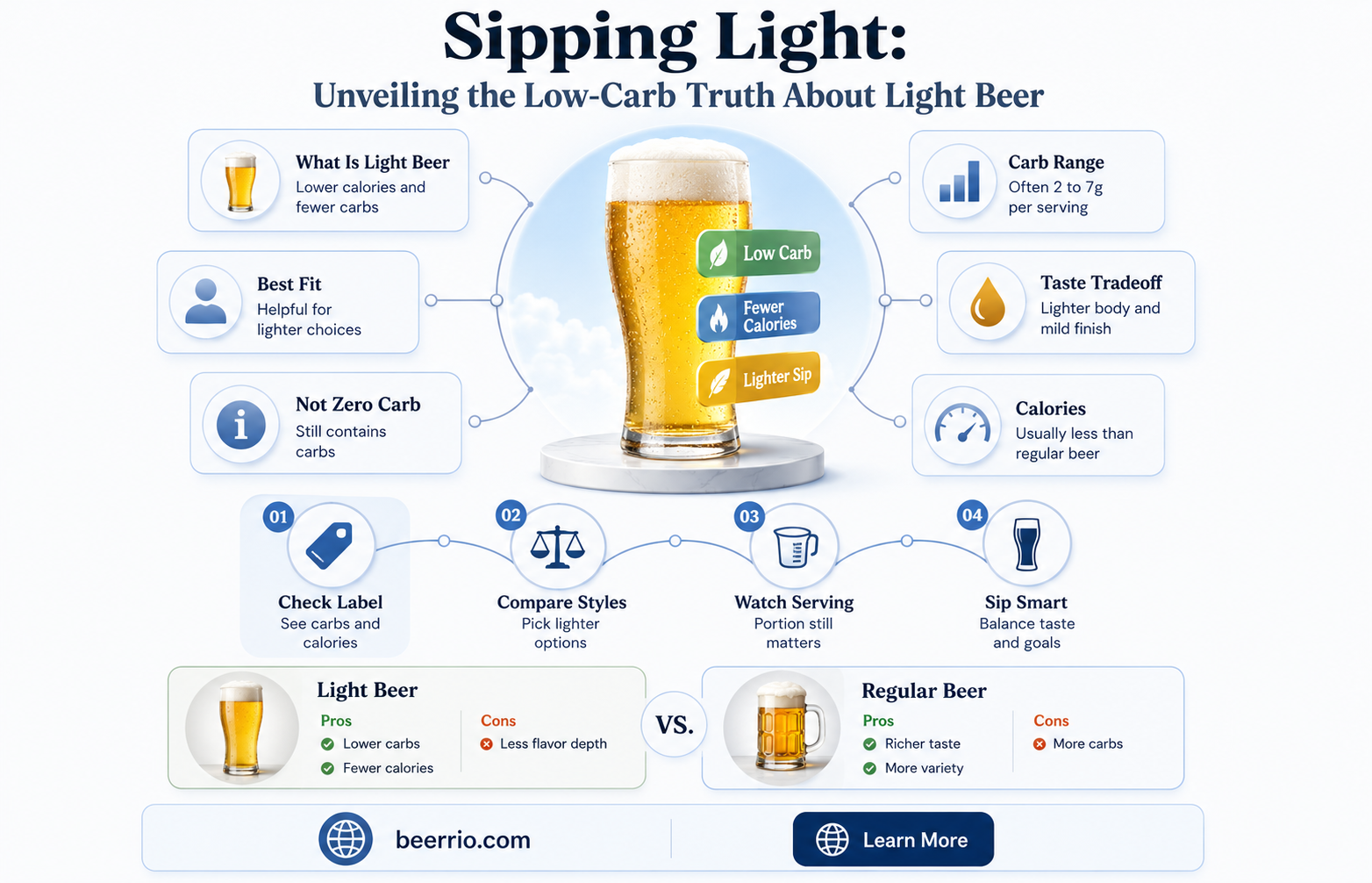
Light beer is often considered a lower-calorie alternative to regular beer, but its carbohydrate content can vary. Typically, light beers contain fewer carbs than their regular counterparts, making them a popular choice for those watching their carbohydrate intake. However, it's important to note that low carb is a relative term, and the exact carb content can differ significantly between brands and types of light beer. Some light beers may still contain more carbs than other low-carb beverages like spirits or certain types of wine. Therefore, for individuals strictly limiting their carb consumption, it's essential to check the specific nutritional information of the light beer they choose to consume.
Explore related products


What You'll Learn
- Nutritional Content: Light beers typically have fewer carbs than regular beers, but exact amounts vary by brand
- Comparison to Other Drinks: Light beer may be a lower-carb option compared to other alcoholic beverages like cocktails or wine
- Health Considerations: While lower in carbs, light beer still contains calories and alcohol, which should be consumed in moderation
- Brand Variations: Different brands of light beer can have significantly different carb counts, so it's important to check labels
- Dietary Implications: For those following a low-carb diet, light beer might be a permissible choice, but portion control is key

Nutritional Content: Light beers typically have fewer carbs than regular beers, but exact amounts vary by brand
Light beers are often marketed as a lower-carbohydrate alternative to regular beers, making them a popular choice for those monitoring their carb intake. However, the exact nutritional content can vary significantly between brands and types of light beer. While it's true that light beers generally contain fewer carbs than their regular counterparts, the difference may not be as substantial as some consumers assume.
For instance, a typical light beer might contain anywhere from 4 to 12 grams of carbohydrates per 12-ounce serving, compared to 10 to 15 grams in regular beer. This variation is due to differences in ingredients, brewing processes, and alcohol content. Some light beers achieve their lower carb count by using alternative sweeteners or adjuncts like corn or rice, which can ferment more easily and produce fewer residual sugars.
It's also important to consider that the serving size can impact the carb content. While a 12-ounce serving of light beer might be lower in carbs than a 12-ounce serving of regular beer, consuming larger quantities can quickly add up. Additionally, some light beers may have higher alcohol content to compensate for the lower carb count, which can affect overall calorie intake and blood sugar levels.
Consumers looking to manage their carb intake should be aware of these nuances and consider factors beyond just the carb content when choosing a light beer. Reading nutrition labels and researching specific brands can help individuals make informed decisions that align with their dietary goals.
Exploring Healthier Choices: Light Beer vs. Soda Showdown
You may want to see also
Explore related products



Comparison to Other Drinks: Light beer may be a lower-carb option compared to other alcoholic beverages like cocktails or wine
Light beer is often considered a lower-carb alternative to other alcoholic beverages, making it a popular choice for those monitoring their carbohydrate intake. Compared to cocktails, which can be high in sugar and carbs due to mixers and sweeteners, light beer typically contains fewer carbohydrates. For instance, a standard 12-ounce serving of light beer may contain around 5-7 grams of carbs, whereas a cocktail like a margarita can contain upwards of 20 grams of carbs per serving.
When comparing light beer to wine, the carb content can vary. Generally, dry wines tend to have fewer carbs than sweet wines. A 5-ounce serving of dry wine might contain about 3-4 grams of carbs, while a sweet wine could contain 10 grams or more. Therefore, light beer may be a slightly higher-carb option than dry wine but a lower-carb choice compared to sweet wines.
It's also important to consider the alcohol content when comparing these beverages. Light beer usually has a lower alcohol by volume (ABV) percentage compared to wine and cocktails. This means that while light beer may be lower in carbs, it might require consuming more fluid to achieve the same level of alcohol intake, potentially leading to higher overall calorie consumption.
In summary, light beer can be a lower-carb option compared to other alcoholic beverages like cocktails or sweet wines. However, when making dietary choices, it's essential to consider not only the carb content but also the alcohol percentage and overall calorie intake.
Unveiling the Truth: Light Beer's Cholesterol Content Explained
You may want to see also
Explore related products




Health Considerations: While lower in carbs, light beer still contains calories and alcohol, which should be consumed in moderation
Light beer, often chosen by those mindful of their carbohydrate intake, does indeed contain fewer carbs compared to regular beer. However, it's crucial to consider the broader health implications. Despite the reduced carbohydrate content, light beer still contains calories and alcohol, both of which should be consumed in moderation to maintain overall health.
From a caloric perspective, light beers typically range from 90 to 120 calories per 12-ounce serving, which is lower than the 150 to 200 calories found in regular beers. While this may seem like a healthier option, the cumulative effect of these calories can still contribute to weight gain if not balanced with physical activity and a nutritious diet. It's essential to factor in these calories when planning meals and snacks, especially for those watching their weight or managing conditions like diabetes.
Alcohol content is another significant consideration. Light beers generally have an alcohol by volume (ABV) of around 4% to 5%, which is slightly lower than regular beers that can range from 5% to 6% ABV. However, the effects of alcohol on the body are not solely dependent on the type of beer but also on the amount consumed. Moderate alcohol consumption is defined as up to one drink per day for women and up to two drinks per day for men. Exceeding these limits can lead to various health issues, including liver disease, increased risk of certain cancers, and impaired cognitive function.
Moreover, the production process of light beer often involves the use of adjuncts like corn or rice to reduce the carbohydrate content, which can affect the nutritional profile and taste. Some light beers may also contain artificial sweeteners or flavorings, which are generally recognized as safe by regulatory bodies but can be a concern for those preferring natural ingredients.
In conclusion, while light beer can be a lower-carb alternative to regular beer, it's important to consume it responsibly and within the context of a balanced diet and lifestyle. Being mindful of portion sizes, tracking caloric intake, and adhering to moderate alcohol consumption guidelines are key to enjoying light beer without compromising health.
Unveiling the Truth: Is Light Beer Really High in Sugar?
You may want to see also
Explore related products



Brand Variations: Different brands of light beer can have significantly different carb counts, so it's important to check labels
When comparing various light beers, it's crucial to note that not all brands are created equal, especially when it comes to carbohydrate content. A quick glance at the nutritional labels of different light beers reveals a surprising range of carb counts. For instance, some brands may boast as few as 2-3 grams of carbs per serving, while others might contain upwards of 10 grams. This disparity underscores the importance of being an informed consumer, particularly for those who are mindful of their carbohydrate intake due to dietary restrictions or personal health goals.
One of the key factors contributing to these variations is the brewing process. Different breweries may use varying types and amounts of grains, adjuncts, and sweeteners, all of which can impact the final carb content. Additionally, some light beers undergo a fermentation process that consumes more of the available sugars, resulting in a drier, lower-carb product. Others might be filtered or treated to remove excess carbohydrates, further reducing the count.
To navigate these differences effectively, consumers should develop a habit of checking labels and doing some research before making a purchase. Many breweries provide detailed nutritional information on their websites or through mobile apps, making it easier than ever to compare products. It's also worth noting that some brands may offer multiple variations of their light beers, each with its own unique carb profile. For example, a brewery might produce a standard light beer, a super-light option, and a flavored light beer, each catering to different preferences and dietary needs.
In conclusion, while light beer can indeed be a lower-carb alternative to regular beer, it's essential to be aware of the brand-specific variations that can significantly impact your overall carbohydrate consumption. By taking the time to check labels and understand the brewing processes behind different brands, you can make more informed choices that align with your personal health and dietary objectives.
Quenching Your Thirst: The Hydration Debate Over Light Beer
You may want to see also
Explore related products


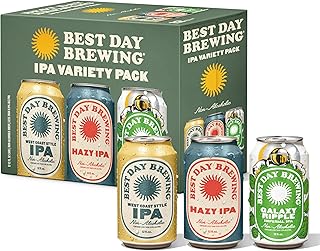


Dietary Implications: For those following a low-carb diet, light beer might be a permissible choice, but portion control is key
For individuals adhering to a low-carb diet, light beer can be a viable option, but it's crucial to emphasize portion control. This is because even light beers contain a certain amount of carbohydrates, which can quickly add up if consumed in excess. A typical light beer may contain anywhere from 4 to 12 grams of carbohydrates per 12-ounce serving. Therefore, it's essential for those on a low-carb diet to monitor their intake and possibly limit themselves to one or two servings per occasion.
Moreover, it's important to consider the overall nutritional profile of light beer. While it may be lower in carbohydrates compared to regular beer, it often contains similar amounts of alcohol. This means that the caloric content can still be significant, potentially impacting weight management goals. Additionally, some light beers may contain artificial sweeteners or other additives to enhance flavor, which could be a concern for those trying to minimize processed ingredients in their diet.
When evaluating the suitability of light beer in a low-carb diet, it's also necessary to factor in individual tolerance and health goals. Some people may find that even small amounts of alcohol interfere with their dietary progress or overall well-being. Therefore, it's recommended to consult with a healthcare professional or a registered dietitian to determine if light beer can be incorporated into a specific low-carb diet plan.
In summary, while light beer can be a permissible choice for those on a low-carb diet, it should be consumed in moderation and as part of a balanced approach to nutrition. Portion control is key, and individuals should be mindful of their overall carbohydrate intake, caloric needs, and personal health objectives.
Exploring the Calorie Myth: Is Light Beer Really Less Fattening?
You may want to see also
Frequently asked questions
Yes, light beer typically has fewer carbohydrates than regular beer. While the exact amount can vary by brand, light beers generally contain around 5-10 grams of carbs per 12-ounce serving, compared to 10-15 grams or more in regular beers.
Light beer tends to have fewer carbohydrates than many other alcoholic beverages. For example, a 5-ounce glass of red wine can contain around 5 grams of carbs, while a mixed drink with soda or juice can have significantly more. However, spirits like vodka, gin, and whiskey are generally carb-free.
Choosing light beer over regular beer can have some health benefits, particularly for those watching their calorie and carbohydrate intake. Light beers are usually lower in calories and carbs, which can be beneficial for weight management and blood sugar control. However, it's important to note that all alcoholic beverages should be consumed in moderation.
Several factors can influence the carbohydrate content in beer, including the type and amount of grains used in brewing, the brewing process itself, and any additional ingredients or flavorings. Light beers are typically made with a higher proportion of adjuncts like corn or rice, which are lower in carbs than barley.
While it's challenging to find a light beer with absolutely zero carbs, there are some ultra-low carb options available. These beers typically use alternative sweeteners or brewing methods to minimize carbohydrate content. However, it's always a good idea to check the nutrition label or consult with the manufacturer to confirm the carb content.