Beatrix Montes
Light beer, often chosen for its lower calorie content, has sparked debates about its hydrating properties. While some argue that the water content in beer can contribute to hydration, others point out that alcohol, even in lower concentrations, can have diuretic effects, potentially leading to dehydration. This discussion is particularly relevant for individuals who engage in physical activities and are conscious about their fluid intake. To shed light on this topic, it's essential to delve into the scientific aspects of how light beer affects hydration levels and compare its impact to other beverages commonly consumed for hydration.
Explore related products



What You'll Learn
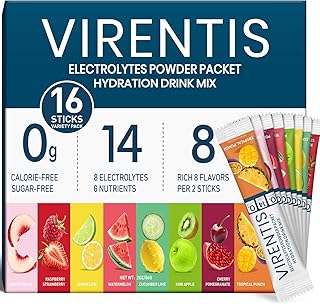
- Water Content: Light beers typically have higher water content, contributing to hydration
- Alcohol Percentage: Lower alcohol by volume (ABV) in light beers means less dehydration
- Electrolyte Balance: Beer contains some electrolytes like sodium and potassium, aiding hydration
- Calorie Content: Fewer calories in light beers may lead to less metabolic water loss
- Moderation Key: Even light beers should be consumed in moderation to avoid dehydration
Water Content: Light beers typically have higher water content, contributing to hydration
Light beers, often chosen for their lower calorie and alcohol content, have a higher water content compared to their regular counterparts. This increased water content can contribute to hydration, making light beers a potentially beneficial choice for those looking to maintain their fluid balance while enjoying an alcoholic beverage. However, it's essential to note that the hydrating effects of light beer can be influenced by various factors, including the individual's overall fluid intake, the environmental conditions, and the specific type of light beer consumed.
The water content in light beers can vary, but on average, they contain around 92-95% water. This is slightly higher than regular beers, which typically have a water content of about 90-92%. The increased water content in light beers is primarily due to the brewing process, where more water is used to achieve the desired flavor and alcohol content. Additionally, light beers often have a lower malt content, which allows for a higher proportion of water in the final product.
While light beer can contribute to hydration, it's crucial to consume it in moderation. Excessive alcohol consumption can lead to dehydration, as alcohol is a diuretic that increases urine production. Therefore, it's recommended to alternate between alcoholic and non-alcoholic beverages, and to drink plenty of water throughout the day to maintain proper hydration levels.
In conclusion, light beers can be a hydrating option due to their higher water content, but it's essential to consume them responsibly and in moderation. By doing so, individuals can enjoy the potential hydrating benefits of light beer while minimizing the risks associated with excessive alcohol consumption.
Exploring the Potassium Content in Light Beer: A Nutritional Insight
You may want to see also
Explore related products




Alcohol Percentage: Lower alcohol by volume (ABV) in light beers means less dehydration
The alcohol by volume (ABV) content in light beers is a critical factor to consider when discussing their hydrating properties. Lower ABV percentages typically indicate a higher water content, which can contribute to better hydration. For instance, a light beer with an ABV of 4% will have a higher water content compared to a regular beer with an ABV of 6%. This difference in water content can help replenish fluids in the body, making light beers a potentially better choice for those looking to maintain hydration levels while enjoying an alcoholic beverage.
However, it's essential to understand that while lower ABV can mean less dehydration, it does not necessarily make light beers a hydrating drink in the same vein as water or sports drinks. Alcohol, regardless of its concentration, has diuretic properties that can lead to increased urine production and potential dehydration if consumed in excess. Therefore, moderation is key when considering light beers as a hydration option.
Moreover, the hydrating benefits of light beers can be influenced by other factors such as the presence of electrolytes and the overall nutritional content. Some light beers may contain added electrolytes like sodium and potassium, which can aid in hydration. On the other hand, the calorie content and the presence of carbohydrates can vary between different light beers, affecting their overall hydrating efficiency.
In practical terms, if one chooses to consume light beer for hydration purposes, it's advisable to do so in moderation and to balance it with other hydrating fluids. For example, alternating between sips of light beer and water can help mitigate the dehydrating effects of alcohol. Additionally, paying attention to the body's thirst signals and avoiding excessive consumption can help maintain proper hydration levels.
In conclusion, while lower ABV in light beers can contribute to less dehydration compared to higher ABV beverages, it's crucial to approach their consumption with caution and awareness of their overall nutritional content. Light beers can be part of a balanced hydration strategy when consumed responsibly and in conjunction with other hydrating fluids.
Unveiling the Truth: Light Beer's Cholesterol Content Explained
You may want to see also
Explore related products


Electrolyte Balance: Beer contains some electrolytes like sodium and potassium, aiding hydration
Beer, particularly light beer, is often consumed in social settings and can be a source of hydration due to its water content. However, its electrolyte composition is a critical factor in determining its hydrating properties. Electrolytes are minerals in your blood and other body fluids that carry an electric charge. They are essential for life and crucial to many body functions, including the operation of nerves and muscles and maintaining acid-base balance and water levels.
Light beer contains small amounts of sodium and potassium, which are two of the primary electrolytes involved in hydration. Sodium helps regulate the amount of water in and around your cells, while potassium helps maintain the balance of fluids in your body. When you sweat, you lose both water and electrolytes, and replenishing them is vital for rehydration.
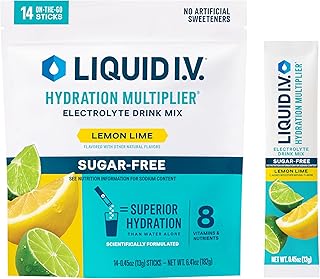
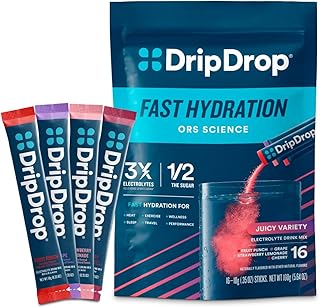
While light beer can contribute to hydration due to its water and electrolyte content, it is not an ideal choice for rehydration. Alcohol is a diuretic, which means it increases urine production and can lead to dehydration if consumed in excess. Additionally, the electrolyte content in beer is relatively low compared to other sources such as sports drinks or coconut water.
For optimal hydration, it is recommended to consume water or other electrolyte-rich beverages, especially after physical activity or in hot weather. If you choose to consume light beer, it is essential to do so in moderation and to balance it with other hydrating fluids.
In summary, while light beer contains some electrolytes that can aid in hydration, its diuretic properties and low electrolyte content make it a less effective choice for rehydration compared to other beverages. It is crucial to consume it responsibly and to prioritize water and other electrolyte-rich drinks for maintaining proper hydration levels.
Exploring Healthier Choices: Light Beer vs. Soda Showdown
You may want to see also
Explore related products



Calorie Content: Fewer calories in light beers may lead to less metabolic water loss
Light beers are often chosen by those who are conscious about their calorie intake. The reduced calorie content in these beverages can have several implications, one of which is the potential for less metabolic water loss. Metabolic water loss refers to the water excreted from the body as a byproduct of metabolizing nutrients, including calories from food and drinks.
When the body processes calories, it requires water to facilitate various biochemical reactions. This means that consuming fewer calories can lead to a decrease in the amount of water needed for these metabolic processes. As a result, less water may be lost through urine, sweat, and other bodily functions.
In the context of light beer, the lower calorie content compared to regular beers means that the body will require less water to metabolize the nutrients in the drink. This could potentially lead to a more hydrating effect, as less water is being lost through metabolic processes. However, it is important to note that the overall hydrating effect of any beverage also depends on other factors, such as the alcohol content and the individual's overall fluid intake.
While light beers may have fewer calories and potentially lead to less metabolic water loss, they still contain alcohol, which can have diuretic effects. Alcohol can increase urine production and lead to dehydration if consumed in excess. Therefore, it is crucial to consider the balance between calorie intake and alcohol consumption when evaluating the hydrating properties of light beers.
In conclusion, the reduced calorie content in light beers may contribute to less metabolic water loss, potentially making them a more hydrating option compared to regular beers. However, the overall hydrating effect is influenced by various factors, including alcohol content and individual fluid intake. It is essential to consume alcoholic beverages, including light beers, in moderation and to prioritize water intake for optimal hydration.
Unveiling the Truth: Light Beer's Surprising Carb Content
You may want to see also
Explore related products



Moderation Key: Even light beers should be consumed in moderation to avoid dehydration
While light beers may have a lower alcohol content compared to their regular counterparts, they still contain alcohol, which is a diuretic. This means that even light beers can contribute to dehydration if consumed in excess. It's essential to understand that moderation is key when it comes to alcohol consumption, including light beers.
The American Heart Association recommends that men limit their alcohol intake to no more than two drinks per day, while women should limit themselves to one drink per day. These guidelines are in place to help prevent the negative health effects associated with excessive alcohol consumption, including dehydration.
Dehydration can lead to a range of unpleasant symptoms, such as headaches, fatigue, dizziness, and dry mouth. In severe cases, it can even result in hospitalization. To avoid these risks, it's crucial to drink water alongside alcoholic beverages, including light beers, to help replenish the fluids lost through urination.
Additionally, it's important to be aware of the other ingredients in light beers, such as artificial sweeteners and flavorings, which can also contribute to dehydration. Some light beers may contain higher levels of these additives than others, so it's a good idea to check the labels and choose options with fewer artificial ingredients.
In conclusion, while light beers may be a lower-calorie alternative to regular beers, they should still be consumed in moderation to avoid dehydration. Drinking water alongside alcoholic beverages, being mindful of portion sizes, and choosing light beers with fewer artificial additives can help minimize the risk of dehydration and promote overall health.
Exploring the Health Benefits and Myths of Light Beer Consumption
You may want to see also
Frequently asked questions
Light beer can be hydrating due to its water content, but it's not as hydrating as water or sports drinks. The alcohol in beer can lead to dehydration, so it's important to drink in moderation and balance it with water intake.
The alcohol content in light beer can have a diuretic effect, which means it can increase urine production and lead to dehydration. This is why it's crucial to consume water alongside alcoholic beverages to maintain proper hydration levels.
Healthier alternatives to light beer for hydration include water, coconut water, sports drinks, and herbal teas. These options provide essential electrolytes and fluids without the dehydrating effects of alcohol.