Oisin Foster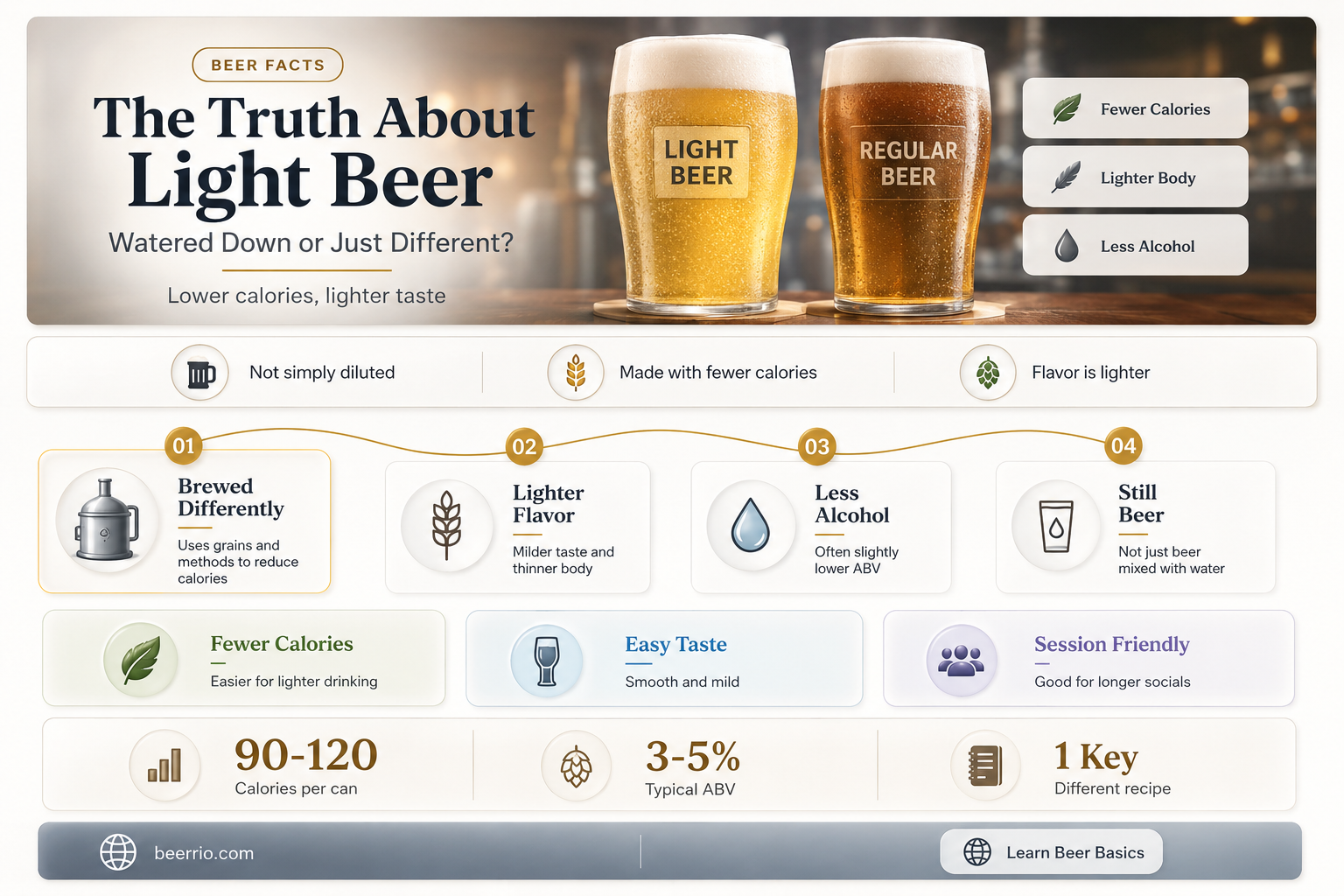
Light beer is often perceived as being watered down, but this is a common misconception. While it's true that light beers generally have a lower alcohol content than their regular counterparts, the brewing process for light beer is actually quite different. Brewers use a variety of techniques to reduce the calorie and alcohol content without simply adding water. These methods can include using lighter malts, reducing the amount of malt used, and employing different fermentation processes. Additionally, some light beers may have added flavors or sweeteners to enhance their taste. So, while light beer may have a lighter flavor and lower alcohol content, it's not accurate to say it's just watered down.
Explore related products




What You'll Learn
- Ingredients Comparison: Analyzing the ingredients of light beer versus regular beer to determine if it's just watered down
- Brewing Process: Explaining the brewing process differences that might contribute to light beer's lower calorie count
- Calorie Content: Comparing the calorie content of light beer to regular beer and other beverages
- Flavor Profile: Describing the taste differences between light beer and regular beer, focusing on flavor intensity
- Marketing and Perception: Discussing how light beer is marketed and perceived by consumers compared to regular beer

Ingredients Comparison: Analyzing the ingredients of light beer versus regular beer to determine if it's just watered down
Light beer and regular beer share a common foundation in their ingredients, primarily consisting of water, malted barley, hops, and yeast. However, the proportions and types of these ingredients can vary significantly between the two. Regular beer typically has a higher malt content, which contributes to its richer flavor and darker color. In contrast, light beer often uses a lower proportion of malt and may incorporate adjuncts such as corn or rice to reduce the calorie and carbohydrate content.
One of the key differences lies in the brewing process. Light beers are usually brewed with a lower gravity, meaning they have less fermentable material in the wort. This results in a lower alcohol content and a lighter body. Additionally, light beers may undergo a longer fermentation period or use different yeast strains to enhance their crispness and clean finish.
Hops play a crucial role in both types of beer, providing bitterness, aroma, and flavor. However, light beers tend to use fewer hops or opt for varieties that impart a more subtle bitterness, aligning with their overall lighter profile. Some light beers also employ techniques such as dry hopping to add a fresh, fruity note without increasing the bitterness.
To determine if light beer is simply watered down, it's essential to consider the brewing techniques and ingredient ratios. While water is indeed a primary component of both beers, the brewing process for light beer involves careful adjustments to create a distinct flavor profile and lower calorie content. Therefore, it would be inaccurate to say that light beer is merely watered down; instead, it's a product of specific brewing techniques and ingredient choices aimed at creating a lighter, more refreshing beverage.
Unveiling the Truth: Light Beer's Surprising Carb Content
You may want to see also
Explore related products



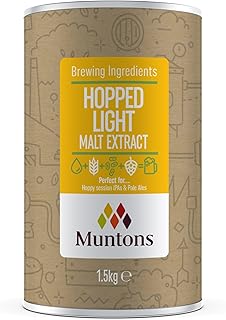
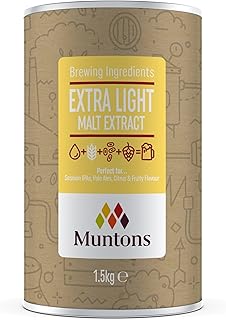
Brewing Process: Explaining the brewing process differences that might contribute to light beer's lower calorie count
The brewing process for light beer involves several key differences that contribute to its lower calorie count compared to regular beers. One of the primary methods is the use of a lighter malt bill, which means that less malted barley is used in the brewing process. Malted barley is a significant source of fermentable sugars, which are converted into alcohol and carbon dioxide by yeast during fermentation. By using less malt, brewers can reduce the amount of sugar available for fermentation, resulting in a beer with fewer calories.
Another technique used in light beer brewing is the addition of adjuncts, such as corn or rice, which are cheaper and contain fewer calories than malted barley. These adjuncts are often used to dilute the wort, the liquid extracted from the mashing process, which further reduces the calorie content. Additionally, some light beers are brewed with a lower gravity, meaning that the wort has a lower concentration of sugars before fermentation. This results in a beer with a lower alcohol content and, consequently, fewer calories.
The fermentation process itself can also be optimized to produce a lower-calorie beer. Brewers may use specific yeast strains that are more efficient at converting sugars into alcohol, or they may adjust the fermentation temperature to control the rate of sugar consumption. Furthermore, the conditioning process, where the beer is aged and clarified, can be shortened for light beers, as this can also contribute to a slight reduction in calorie content.
It's important to note that while these brewing process differences can contribute to a lower calorie count in light beers, they do not necessarily affect the flavor or quality of the beer. Many light beers are crafted to maintain a balance between taste and calorie content, making them a popular choice for those who are health-conscious but still enjoy the taste of beer.
Exploring the Health Benefits and Myths of Light Beer Consumption
You may want to see also
Explore related products
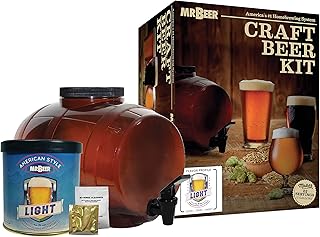
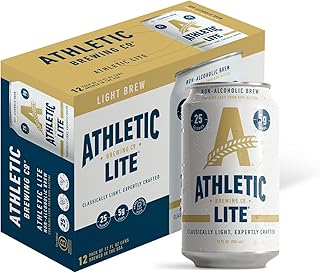


Calorie Content: Comparing the calorie content of light beer to regular beer and other beverages
Light beer is often perceived as a lower-calorie alternative to regular beer, but is it really just watered down? To answer this question, we need to delve into the specifics of calorie content in both light and regular beers, as well as compare them to other beverages.
On average, a 12-ounce serving of regular beer contains around 150 calories, while light beer typically has about 100 calories per serving. This difference in calorie content is primarily due to the lower alcohol content in light beers, as alcohol is a significant source of calories. However, it's important to note that not all light beers are created equal, and some may have slightly higher calorie counts depending on the brewing process and ingredients used.
When compared to other beverages, light beer falls somewhere in the middle in terms of calorie content. For example, a 12-ounce serving of soda can range from 100 to 150 calories, depending on the type and brand. Meanwhile, a glass of red wine (5 ounces) contains approximately 125 calories, and a shot of vodka (1.5 ounces) has around 65 calories. This comparison highlights that while light beer may be a lower-calorie option than regular beer, it's not necessarily the lowest-calorie choice among all alcoholic beverages.
It's also worth considering that the perception of light beer as being watered down may stem from its lower alcohol content and lighter flavor profile. However, this doesn't necessarily mean that it's devoid of taste or enjoyment. Many light beers are crafted to maintain a balance between flavor and calorie content, making them a popular choice for those who are health-conscious but still want to enjoy a beer.
In conclusion, while light beer does have a lower calorie content than regular beer, it's not simply watered down. It's a distinct type of beer with its own unique characteristics and flavor profile. When making a choice between light and regular beer, it's essential to consider factors such as personal taste preferences, calorie intake goals, and overall dietary habits.
Exploring the Potassium Content in Light Beer: A Nutritional Insight
You may want to see also
Explore related products

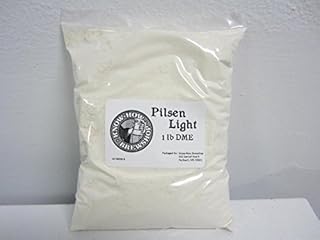


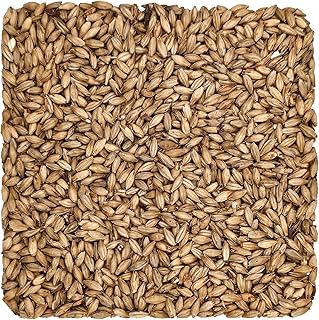
Flavor Profile: Describing the taste differences between light beer and regular beer, focusing on flavor intensity
Light beer and regular beer present distinct flavor profiles that cater to different palates. The primary difference lies in the intensity of flavors, which is shaped by the brewing process and ingredients used. Regular beers typically have a richer, more robust taste due to a higher malt content, which contributes to a deeper color and fuller body. This results in a more pronounced sweetness and a complex array of flavors that can include notes of caramel, chocolate, and fruit, depending on the specific type of malt used.
In contrast, light beers are characterized by their lighter color and more subdued flavor profile. They are brewed with a lower proportion of malt, which reduces the overall sweetness and body. Light beers often feature a more noticeable hop bitterness, which can give them a crisper, more refreshing taste. The flavors in light beers tend to be simpler and less intense, with possible hints of citrus, floral, or herbal notes from the hops.
The brewing process also plays a crucial role in shaping the flavor intensity of these beers. Regular beers undergo a longer boil time, which allows for more caramelization of the sugars in the malt, leading to a richer flavor. Light beers, on the other hand, have a shorter boil time, which helps to preserve the lighter colors and more delicate flavors of the ingredients.
Ultimately, the choice between light beer and regular beer comes down to personal preference. Those who enjoy a bolder, more complex taste may prefer regular beers, while others who favor a lighter, more refreshing option may opt for light beers. Understanding the flavor profiles of each can help beer enthusiasts make informed choices and appreciate the nuances of different brewing styles.
Exploring the Sodium Content in Light Beers: A Health-Conscious Guide
You may want to see also
Explore related products


Marketing and Perception: Discussing how light beer is marketed and perceived by consumers compared to regular beer
Light beer is often marketed as a healthier, lower-calorie alternative to regular beer, appealing to health-conscious consumers who still want to enjoy the social aspects of drinking. This perception is largely shaped by advertising campaigns that emphasize the reduced calorie and carbohydrate content of light beers. However, this marketing strategy can be misleading, as it fails to address the primary concern of many consumers: whether light beer is simply watered down.
In reality, light beer is not just watered down; it is brewed using different ingredients and processes to achieve its lower calorie content. For instance, light beers often use adjuncts like corn or rice in addition to barley, which can reduce the overall calorie count. Additionally, the brewing process for light beers may involve techniques such as cold crashing, which helps to remove residual sugars and yeast, further lowering the calorie content.
Despite these differences, the perception that light beer is watered down persists, largely due to its lighter color and sometimes thinner mouthfeel compared to regular beer. This perception can be detrimental to the image of light beer, as it suggests a lack of flavor and quality. To combat this, some light beer brands have begun to focus on enhancing the flavor profile of their products, using techniques such as dry hopping to add more aroma and taste.
Ultimately, the marketing and perception of light beer are closely intertwined. While light beer is marketed as a healthier alternative, the perception that it is watered down can undermine its appeal. By addressing this perception and highlighting the unique brewing processes and ingredients used in light beer, marketers can work to change consumer attitudes and promote light beer as a legitimate and enjoyable option for beer drinkers.
Unveiling the Truth: Light Beer's Cholesterol Content Explained
You may want to see also
Frequently asked questions
Light beer is not simply watered down regular beer. It is brewed using different ingredients and processes to create a lower calorie and lower alcohol content beer. Brewers may use lighter malts, reduce the amount of malt, or add adjuncts like corn or rice to achieve the desired flavor and calorie profile.
The taste of light beer is generally lighter and crisper than regular beer. It often has a more pronounced hop flavor and a cleaner finish due to the lower malt content. However, the specific taste can vary depending on the brand and brewing process.
The main benefits of drinking light beer over regular beer are the lower calorie and alcohol content. Light beers typically have around 100-150 calories per 12 oz serving, compared to 150-200 calories for regular beers. They also have a lower ABV, usually around 4-5%, compared to 5-6% for regular beers. This makes light beer a popular choice for those watching their calorie intake or looking for a more sessionable beer.
Some people may find that light beer lacks the depth of flavor and complexity of regular beer due to the lower malt content. Additionally, light beers may contain more adjuncts like corn or rice, which some beer enthusiasts may not prefer. However, these downsides are subjective and depend on individual taste preferences.
Light beer is a general term that refers to beers with lower calorie and alcohol content. Pilsners and IPAs are specific styles of beer that can be brewed as light beers. A light pilsner would have the crisp, clean taste of a pilsner with lower calories and alcohol, while a light IPA would have the hoppy flavor profile of an IPA with lower calories and alcohol. The main difference is in the ingredients and brewing process used to achieve the lighter characteristics.