Jason Wagner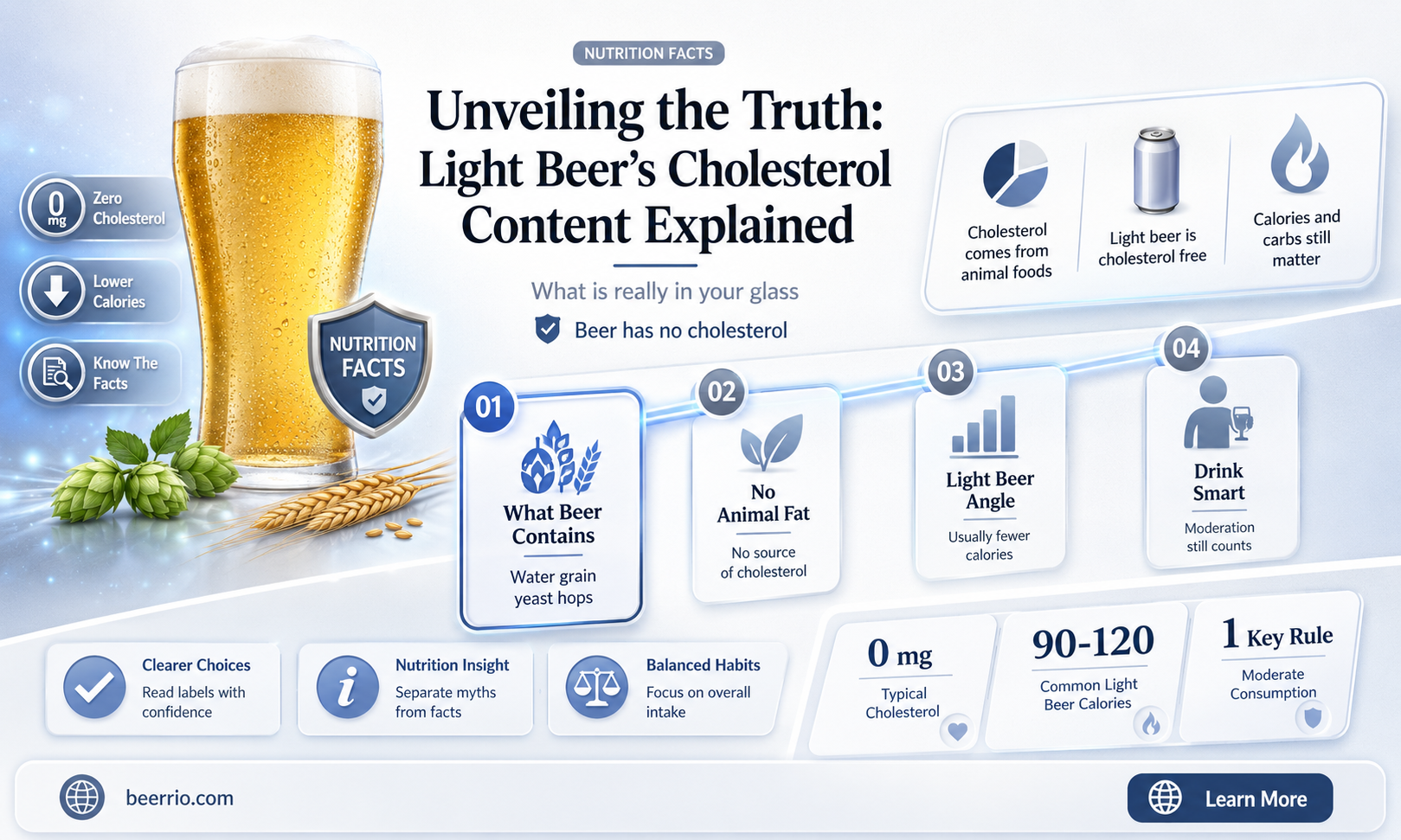
Light beer is often considered a healthier alternative to regular beer due to its lower calorie and carbohydrate content. However, when it comes to cholesterol, the impact of light beer is a topic of some debate. Cholesterol is a waxy substance found in the blood, and while the body needs it to build cells, high levels can increase the risk of heart disease. Some studies suggest that moderate beer consumption, including light beer, may have a beneficial effect on HDL (good) cholesterol levels. On the other hand, excessive alcohol intake can lead to increased LDL (bad) cholesterol and other health issues. It's important to note that individual health factors and overall lifestyle choices play a significant role in determining the impact of light beer on cholesterol levels.
Explore related products



What You'll Learn
- Nutritional Content: Light beer's calorie and carbohydrate content compared to regular beer
- Cholesterol Levels: The amount of cholesterol present in light beer
- Health Benefits: Potential health advantages of choosing light beer over regular beer
- Ingredients: Key ingredients in light beer and their impact on cholesterol levels
- Moderation: Recommended consumption limits for light beer to maintain a healthy diet

Nutritional Content: Light beer's calorie and carbohydrate content compared to regular beer
Light beers are often marketed as a healthier alternative to regular beers, but what does the nutritional content reveal? A typical light beer contains around 100-150 calories per 12-ounce serving, which is significantly lower than the 150-200 calories found in regular beers. This reduction in calories is primarily achieved by lowering the carbohydrate content. Light beers usually have about 5-10 grams of carbohydrates, whereas regular beers can contain 10-15 grams or more.
However, it's important to note that the reduction in calories and carbohydrates doesn't necessarily translate to a healthier choice overall. Light beers often have similar or even higher levels of certain additives and preservatives compared to regular beers. Additionally, the brewing process for light beers may involve the use of adjuncts like corn or rice, which can affect the nutritional profile.
When considering cholesterol levels, light beers generally have a negligible impact. Cholesterol is a waxy substance found in the blood, and while some foods can influence cholesterol levels, beer is not a significant contributor. Both light and regular beers contain trace amounts of cholesterol, but the difference is minimal.
In conclusion, while light beers may be lower in calories and carbohydrates compared to regular beers, they are not necessarily a healthier choice. It's essential to consider the overall nutritional content and brewing process when making a decision about which type of beer to consume.
Unveiling the Truth: Light Beer's Surprising Carb Content
You may want to see also
Explore related products


Cholesterol Levels: The amount of cholesterol present in light beer
Light beer, often chosen by those looking to reduce their calorie intake, may also be scrutinized for its cholesterol content. Cholesterol is a waxy substance found in the blood, and while the body needs it to build cells, high levels can increase the risk of heart disease. When it comes to light beer, the cholesterol content is generally low. Most light beers contain less than 5 milligrams of cholesterol per serving, which is a small fraction of the daily recommended limit.
However, it's important to note that cholesterol intake is just one factor in overall heart health. Light beer may still contain other substances that could impact health, such as carbohydrates and alcohol, which can influence blood sugar levels and contribute to weight gain if consumed in excess. Additionally, some studies suggest that moderate alcohol consumption might have a beneficial effect on HDL (good) cholesterol levels, potentially offsetting some of the negative impacts of LDL (bad) cholesterol.
For individuals specifically concerned about their cholesterol levels, it's advisable to consult with a healthcare professional to discuss the impact of light beer consumption in the context of their overall diet and health status. It may be beneficial to focus on other dietary changes, such as reducing saturated and trans fats, increasing fiber intake, and incorporating more fruits and vegetables into the diet, to manage cholesterol levels effectively.
In summary, while light beer is not typically high in cholesterol, its consumption should be considered as part of a broader approach to heart health. Moderation and a balanced diet are key factors in maintaining healthy cholesterol levels and overall well-being.
Exploring the Health Benefits and Myths of Light Beer Consumption
You may want to see also
Explore related products


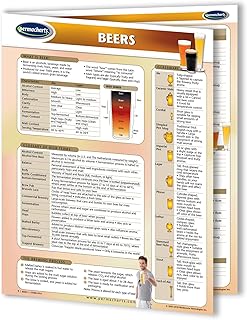


Health Benefits: Potential health advantages of choosing light beer over regular beer
Light beer, often chosen for its lower calorie content, may also offer some health benefits when compared to regular beer. One potential advantage is its impact on heart health. Studies have suggested that moderate consumption of light beer may help to reduce the risk of heart disease, possibly due to the presence of antioxidants and other beneficial compounds. Additionally, light beer typically contains less alcohol than regular beer, which can contribute to a lower risk of alcohol-related health issues such as liver disease and certain types of cancer.
Another health benefit of light beer is its potential to aid in weight management. With fewer calories per serving, light beer can be a more suitable option for those looking to maintain or lose weight without completely abstaining from alcohol. This can be particularly beneficial for individuals who enjoy social drinking but are conscious about their calorie intake.
Furthermore, light beer may have a lower glycemic index compared to regular beer, making it a better choice for individuals with diabetes or those monitoring their blood sugar levels. The reduced carbohydrate content in light beer can help to prevent spikes in blood glucose, contributing to better overall blood sugar control.
It is important to note, however, that while light beer may offer some health benefits, it is still an alcoholic beverage and should be consumed in moderation. Excessive alcohol consumption, regardless of the type of beer, can lead to numerous health problems. Therefore, it is crucial to balance the potential benefits of light beer with responsible drinking habits.
In conclusion, choosing light beer over regular beer can provide some health advantages, particularly in terms of heart health, weight management, and blood sugar control. However, it is essential to consume all alcoholic beverages in moderation to maximize these benefits while minimizing potential risks.
Exploring Healthier Choices: Light Beer vs. Soda Showdown
You may want to see also
Explore related products

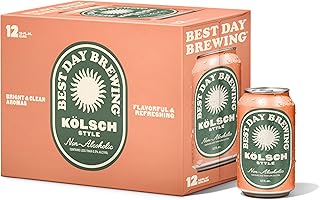
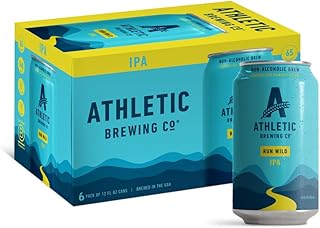
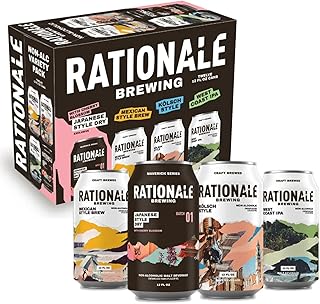


Ingredients: Key ingredients in light beer and their impact on cholesterol levels
Light beer is often considered a healthier alternative to regular beer due to its lower calorie and alcohol content. However, when it comes to cholesterol levels, the impact of light beer's ingredients is a topic of interest. The key ingredients in light beer that may affect cholesterol levels include barley, hops, yeast, and water.
Barley, the primary ingredient in beer, contains soluble fiber, which has been shown to help lower cholesterol levels. During the brewing process, some of this fiber is broken down into beta-glucans, which can bind to cholesterol in the digestive tract and prevent its absorption into the bloodstream. However, the amount of beta-glucans in light beer is typically lower than in regular beer due to the reduced malt content.
Hops, another essential ingredient in beer, contain compounds called flavonoids, which have antioxidant properties. Some studies suggest that flavonoids may help lower LDL (bad) cholesterol levels and improve overall heart health. However, the impact of hops on cholesterol levels in light beer is likely to be minimal due to the lower hop content compared to regular beer.
Yeast, used in the fermentation process, does not directly affect cholesterol levels. However, some types of yeast, such as Saccharomyces cerevisiae, produce compounds called sterols, which can help lower cholesterol levels. The amount of sterols in light beer is typically low, but they may contribute slightly to the overall cholesterol-lowering effect of the beverage.
Water, the main component of beer, does not have a direct impact on cholesterol levels. However, staying hydrated is essential for overall health, including maintaining healthy cholesterol levels. Drinking light beer in moderation may contribute to hydration, but it is important to balance this with other sources of water and fluids.
In conclusion, while light beer may have some ingredients that can help lower cholesterol levels, such as barley and hops, the overall impact is likely to be minimal due to the reduced content of these ingredients compared to regular beer. It is essential to consume light beer in moderation and as part of a balanced diet to maintain healthy cholesterol levels.
Explore related products


Moderation: Recommended consumption limits for light beer to maintain a healthy diet
While light beer may be lower in calories and alcohol content compared to regular beer, it's still important to consume it in moderation to maintain a healthy diet. The American Heart Association recommends that men limit their alcohol intake to no more than two drinks per day, while women should limit themselves to one drink per day. One drink is defined as 12 ounces of beer, which is equivalent to about 150 calories.
Excessive alcohol consumption can lead to a range of health problems, including high blood pressure, heart disease, and liver damage. Additionally, alcohol can interfere with the effectiveness of certain medications and can increase the risk of accidents and injuries.
When it comes to light beer specifically, it's important to be mindful of the fact that it may contain added sugars and artificial sweeteners, which can contribute to weight gain and other health issues if consumed in excess. Furthermore, some light beers may be lower in nutrients than their regular counterparts, so it's important to balance your diet with other sources of essential vitamins and minerals.
To maintain a healthy diet while enjoying light beer, it's recommended to limit your consumption to no more than one or two drinks per occasion, and to avoid binge drinking. It's also a good idea to alternate between alcoholic and non-alcoholic beverages, and to choose light beers that are lower in added sugars and artificial sweeteners. By following these guidelines, you can enjoy light beer in moderation while still maintaining a healthy and balanced diet.
Frequently asked questions
Light beer is generally not high in cholesterol. Most light beers contain little to no cholesterol, making them a suitable choice for those monitoring their cholesterol intake.
Compared to regular beer, light beer typically has lower cholesterol content. Regular beers may contain small amounts of cholesterol, but light beers are often brewed to be cholesterol-free or very low in cholesterol.
The cholesterol content in beer can be influenced by several factors, including the type of grains used in brewing, the brewing process, and any additional ingredients. Light beers often use grains and brewing methods that result in lower cholesterol levels.
Moderate consumption of light beer may offer some health benefits, such as improved heart health due to its low cholesterol content and potential antioxidant properties. However, it's essential to consume alcohol responsibly and in moderation.
Individuals with high cholesterol can generally consume light beer in moderation, as it is low in cholesterol. However, it's crucial to consult with a healthcare professional for personalized advice on alcohol consumption based on individual health conditions.