Beatrix Montes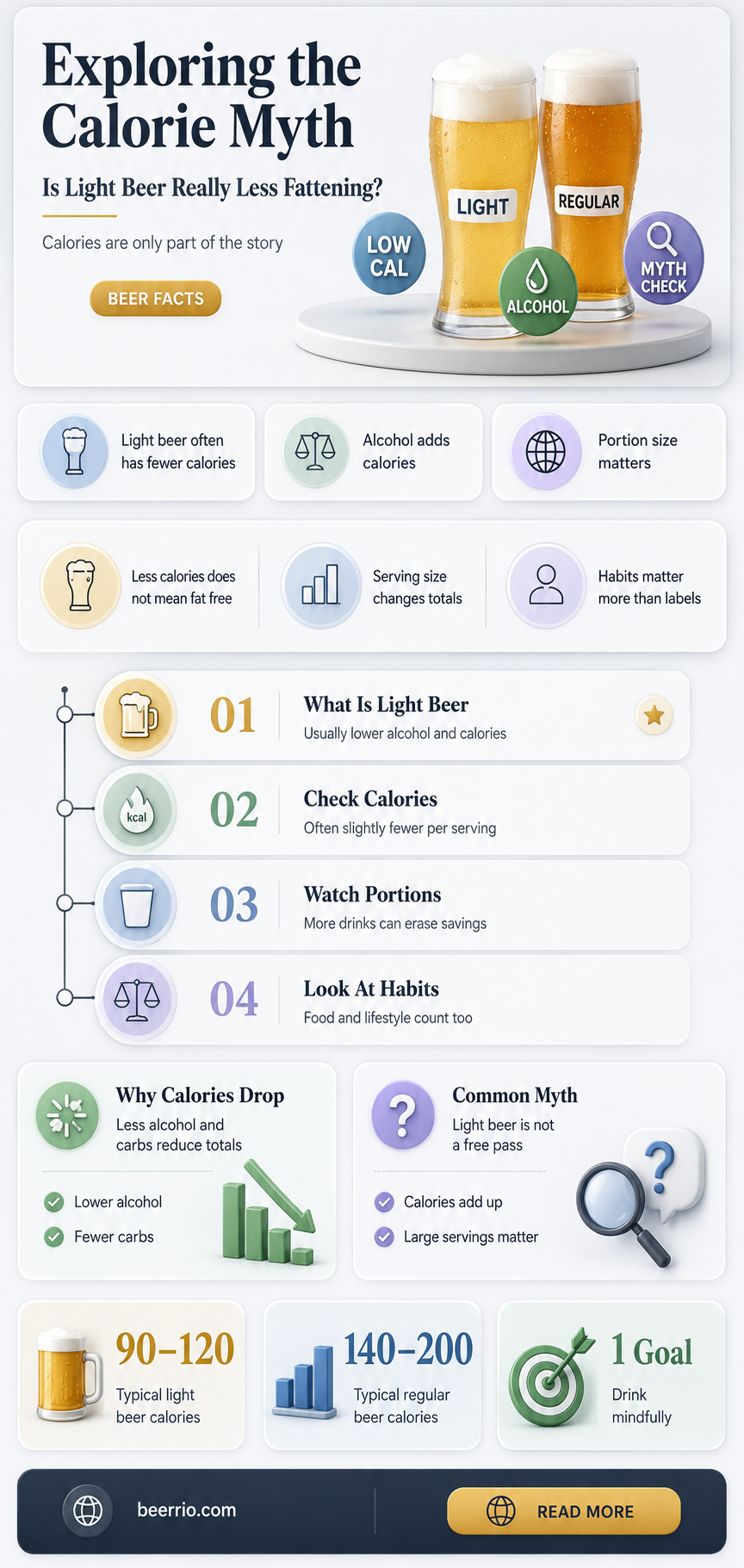
Light beer is often marketed as a lower-calorie alternative to regular beer, making it a popular choice for those who are health-conscious or watching their weight. But is light beer really less fattening than its full-calorie counterpart? To answer this question, we need to look at the nutritional content of both types of beer and how they fit into a balanced diet. While light beers do typically contain fewer calories and carbohydrates than regular beers, they may also have lower alcohol content, which can affect their overall taste and appeal. Additionally, it's important to consider that the term light can be subjective and may vary between different brands and types of beer. So, is light beer the better choice for those looking to cut down on calories without sacrificing taste? Let's explore the facts and find out.
Explore related products


What You'll Learn
- Calorie Comparison: Light beer vs. regular beer calorie content
- Nutritional Differences: Macronutrient breakdown of light and regular beers
- Health Implications: Potential health benefits and risks of light beer consumption
- Weight Management: Role of light beer in weight loss or maintenance diets
- Myths and Facts: Common misconceptions about light beer's health impact

Calorie Comparison: Light beer vs. regular beer calorie content
Light beer and regular beer differ primarily in their calorie content, which is a crucial factor for those monitoring their weight. A standard 12-ounce serving of regular beer typically contains around 150 calories, while light beer usually has about 100 calories per serving. This difference can be significant for individuals who consume multiple beers in a single sitting or regularly throughout the week.
The calorie reduction in light beer is generally achieved through a combination of lower alcohol content and the use of adjuncts like corn or rice in the brewing process, which contribute fewer calories compared to the malted barley used in regular beer. Additionally, light beers often undergo a longer fermentation period, which helps to break down more of the sugars, resulting in a lower calorie count.
However, it's important to note that the term "light" can be misleading. While light beers do contain fewer calories than their regular counterparts, they may still contribute to weight gain if consumed in excess. Moreover, some light beers may have higher carbohydrate content, which can also impact weight management.
For those looking to minimize their calorie intake while still enjoying beer, light options can be a better choice. However, moderation is key. It's also worth considering other factors such as nutritional content and personal dietary needs when making a decision about which type of beer to consume.
In summary, while light beer does contain fewer calories than regular beer, it should be consumed in moderation as part of a balanced diet. Understanding the calorie content and other nutritional factors can help individuals make informed choices about their beer consumption and its impact on their overall health and weight management goals.
Exploring the Sodium Content in Light Beers: A Health-Conscious Guide
You may want to see also
Explore related products


Nutritional Differences: Macronutrient breakdown of light and regular beers
Analyzing the macronutrient breakdown of light and regular beers reveals some interesting insights. Light beers typically contain fewer calories than their regular counterparts, which is primarily due to a lower carbohydrate content. On average, a 12-ounce serving of light beer contains around 100-120 calories, compared to 150-200 calories in regular beer. This reduction in calories can be beneficial for those watching their weight or trying to maintain a calorie-controlled diet.
In terms of protein content, both light and regular beers contain minimal amounts, usually less than 1 gram per serving. This is because beer is primarily made from carbohydrates (barley, rice, or corn) and water, with protein contributing only a small fraction of the total macronutrient profile.
Fat content is another area where light and regular beers differ. Light beers generally have a lower fat content, often around 0-0.5 grams per serving, while regular beers can contain up to 1-2 grams of fat per serving. However, it's worth noting that the type of fat in beer is mostly saturated fat, which should be consumed in moderation as part of a balanced diet.
When considering the nutritional differences between light and regular beers, it's important to remember that moderation is key. While light beer may be a slightly healthier option in terms of calories and fat, it's still an alcoholic beverage and should be consumed responsibly. Additionally, individual nutritional needs and goals should be taken into account when making choices about alcohol consumption.
Unveiling the Truth: Light Beer's Surprising Carb Content
You may want to see also
Explore related products


$22.26 $24.99
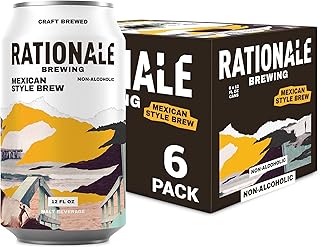


Health Implications: Potential health benefits and risks of light beer consumption
Light beer consumption has been a topic of interest for those looking to enjoy alcoholic beverages while minimizing calorie intake. While it's commonly believed that light beers are less fattening than their regular counterparts, the health implications of light beer consumption are more nuanced.
One potential health benefit of light beer is its lower calorie content compared to regular beer. For individuals who are watching their weight or trying to maintain a calorie deficit, choosing a light beer can be a way to enjoy a beverage without significantly increasing their daily calorie intake. However, it's important to note that the calorie difference between light and regular beers can be minimal, and the overall impact on weight management will depend on various factors, including overall diet, exercise, and individual metabolism.
Another aspect to consider is the nutritional content of light beers. While they may be lower in calories, light beers often contain similar amounts of carbohydrates and alcohol as regular beers. This means that individuals with specific dietary restrictions or health conditions, such as diabetes or liver disease, may need to be cautious when consuming light beers.
Moreover, the perception that light beers are healthier can lead to overconsumption, negating any potential calorie-saving benefits. It's crucial for individuals to be mindful of their overall alcohol intake and to consume light beers in moderation as part of a balanced lifestyle.
In conclusion, while light beers may offer some health benefits in terms of lower calorie content, it's essential to consider the broader health implications and to consume them responsibly. Factors such as individual health conditions, dietary needs, and overall lifestyle should be taken into account when making choices about light beer consumption.
Exploring the Health Benefits and Myths of Light Beer Consumption
You may want to see also
Explore related products
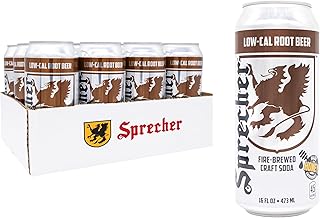

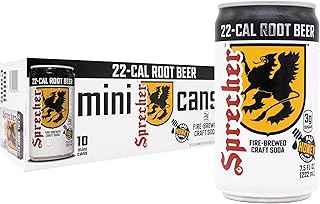
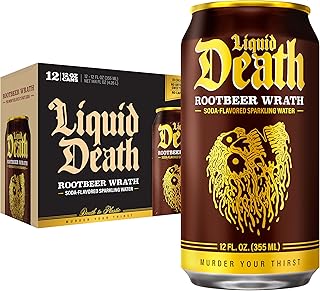


Weight Management: Role of light beer in weight loss or maintenance diets
Light beer has often been marketed as a lower-calorie alternative to regular beer, making it a popular choice for those looking to manage their weight. However, its role in weight loss or maintenance diets is more complex than simply being "less fattening." To understand the impact of light beer on weight management, it's essential to consider both its caloric content and its potential effects on metabolism and appetite.
Firstly, light beers typically contain fewer calories than their regular counterparts. For instance, a standard 12-ounce serving of regular beer might contain around 150 calories, while a light beer could have approximately 100 calories. This difference can be significant for individuals who are trying to create a calorie deficit to lose weight. By choosing light beer over regular beer, one could potentially save 50 calories per serving, which adds up over time.
However, the notion that light beer is inherently "less fattening" is an oversimplification. While it may contain fewer calories, light beer can still contribute to weight gain if consumed in excess. The key factor in weight management is the total caloric intake relative to one's basal metabolic rate (BMR). If an individual's overall diet and activity level do not support weight loss or maintenance, even light beer can hinder their efforts.
Moreover, some studies suggest that the consumption of alcoholic beverages, including light beer, may stimulate appetite and increase food intake. This could potentially offset the calorie savings from choosing a lighter beer. Additionally, alcohol can interfere with the body's ability to burn fat, as the liver prioritizes metabolizing alcohol over other nutrients. This means that while light beer may have fewer calories, its impact on metabolism and appetite could make it less effective for weight management than non-alcoholic alternatives.
In conclusion, while light beer can be a part of a weight management diet due to its lower caloric content, it should not be relied upon as a primary strategy for weight loss or maintenance. Individuals should consider the broader context of their diet and lifestyle, and consult with a healthcare professional or registered dietitian for personalized advice on managing their weight effectively.
Unveiling the Truth: Is Light Beer Really High in Sugar?
You may want to see also
Explore related products

![[Pack of 6] [Japan No. 1 Best NA Beer] ASAHI 0.00% Non-Alcohol, Premium Japanese Beer Beverage, , Zero Calories And Gluten Free (DRY ZERO)](https://m.media-amazon.com/images/I/91m326F7sRL._AC_UL320_.jpg)



Myths and Facts: Common misconceptions about light beer's health impact
Light beer is often perceived as a healthier alternative to regular beer due to its lower calorie content. However, this perception is based on a common misconception that light beer has a lesser impact on health compared to its full-calorie counterparts. In reality, the health impact of light beer is more complex and depends on various factors such as consumption patterns, individual health conditions, and overall lifestyle choices.
One myth surrounding light beer is that it is less fattening. While it is true that light beer generally contains fewer calories per serving, the idea that it is less likely to contribute to weight gain is a simplification. The body's response to alcohol, regardless of calorie content, can interfere with weight management. Alcohol can increase appetite, leading to higher calorie intake from food, and it can also disrupt metabolism, making it more difficult for the body to burn fat efficiently.
Another misconception is that light beer is a better choice for people with diabetes. Although light beer may have a lower glycemic index than regular beer, it still contains carbohydrates that can affect blood sugar levels. Additionally, the alcohol in light beer can have unpredictable effects on blood sugar, potentially leading to dangerous fluctuations. People with diabetes should consult their healthcare provider before consuming any type of alcohol, including light beer.
Some individuals believe that light beer is safer to drink in large quantities because it is less potent. However, this can lead to overconsumption, which can have serious health consequences. Binge drinking, defined as consuming more than four drinks on a single occasion for women and more than five for men, can lead to alcohol poisoning, liver damage, and increased risk of accidents and injuries. It is important to drink responsibly and in moderation, regardless of the type of beer being consumed.
In conclusion, while light beer may have some advantages over regular beer, such as lower calorie content, it is not necessarily a healthier choice. The health impact of light beer depends on various factors, and it is important to consider these when making decisions about alcohol consumption. By understanding the myths and facts surrounding light beer, individuals can make more informed choices about their health and well-being.
Unveiling the Truth: Light Beer's Cholesterol Content Explained
You may want to see also
Frequently asked questions
Light beer typically contains fewer calories than regular beer, which can make it a less fattening option for those watching their calorie intake. However, it's important to note that the term "light" can refer to either calorie content or alcohol by volume (ABV), and not all light beers are necessarily lower in calories.
On average, a light beer contains around 100-150 calories per 12-ounce serving, while a regular beer can range from 150-250 calories or more per serving. The exact calorie content can vary depending on the brand and type of beer.
The alcohol content in light beer does not directly affect its fattening properties. However, alcohol can contribute to weight gain due to its high calorie content and the fact that it can increase appetite and decrease inhibitions, leading to overeating. Light beers with lower alcohol content may be a better choice for those looking to reduce their overall calorie intake.