Jason Wagner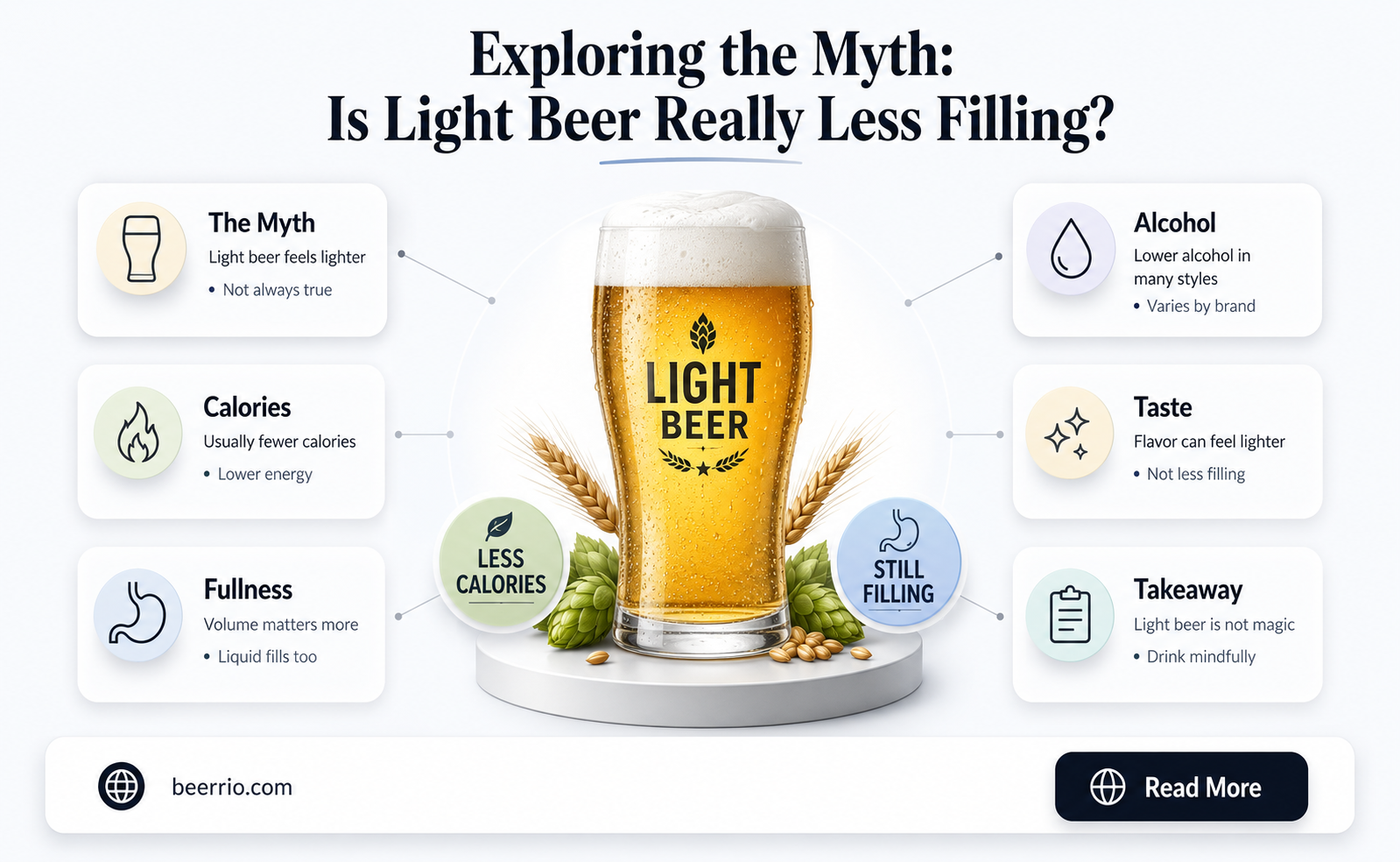
Light beer is often perceived as a less filling alternative to regular beer, but is this really the case? While it's true that light beers typically have fewer calories and carbohydrates than their full-bodied counterparts, the concept of filling is more complex and subjective. Factors such as alcohol content, carbonation, and individual tolerance can all influence how filling a beer feels. Additionally, the lower calorie count of light beers might lead some drinkers to consume more, potentially negating any perceived benefits. So, is light beer truly less filling, or is this just a myth? Let's delve into the science behind it and explore what makes a beer feel filling.
Explore related products



What You'll Learn
- Calorie Content Comparison: Light beers typically have fewer calories than regular beers, making them less filling
- Alcohol by Volume (ABV): Light beers often have lower ABV, which can contribute to a less filling sensation
- Ingredient Differences: Ingredients like malt, hops, and yeast can vary between light and regular beers, affecting their filling nature
- Psychological Factors: The perception of light beer as less filling can influence how satiating it feels to drink
- Serving Sizes and Consumption: The typical serving sizes and consumption patterns of light beer compared to regular beer can impact how filling they are perceived to be

Calorie Content Comparison: Light beers typically have fewer calories than regular beers, making them less filling
Light beers are often marketed as a lower-calorie alternative to regular beers, which can be appealing to those who are health-conscious or watching their weight. But how significant is the calorie difference, and does it really make light beer less filling? A typical light beer contains around 100-150 calories per 12-ounce serving, while regular beers can range from 150-300 calories per serving, depending on the type and brand. This means that light beers can have up to 60% fewer calories than their regular counterparts.
However, it's important to note that the calorie content of beer is not the only factor that contributes to its filling nature. The alcohol content, carbohydrate content, and the presence of other ingredients like fiber and protein can also play a role. Light beers often have lower alcohol content as well, which can contribute to the perception that they are less filling. Additionally, some light beers may have added ingredients like fiber or protein to enhance their nutritional profile, which can also affect how filling they feel.
Despite these factors, the lower calorie content of light beers can still make them a better choice for those who are looking to reduce their overall calorie intake. For example, if someone typically drinks two regular beers per day, switching to light beers could save them up to 300 calories per day, which could lead to weight loss over time. However, it's important to remember that moderation is key, and even light beers should be consumed in moderation as part of a balanced diet.
In conclusion, while light beers do typically have fewer calories than regular beers, making them less filling, it's important to consider other factors like alcohol content and added ingredients when making a decision about which type of beer to choose. Ultimately, the best choice will depend on an individual's specific health goals and dietary needs.
Exploring the Sodium Content in Light Beers: A Health-Conscious Guide
You may want to see also
Explore related products


Alcohol by Volume (ABV): Light beers often have lower ABV, which can contribute to a less filling sensation
Alcohol by Volume (ABV) is a critical factor in determining the filling nature of beer. Light beers typically have a lower ABV compared to their regular counterparts. This reduced alcohol content can lead to a less filling sensation for several reasons. Firstly, alcohol is known to suppress the appetite, so lower ABV means less of this suppressant is present. Secondly, the body metabolizes alcohol quickly, which can lead to a faster feeling of emptiness after consumption.
The perception of fullness is also influenced by the caloric content of the beer. Light beers are often marketed as having fewer calories, which can contribute to the sensation of being less full. However, it's important to note that the relationship between calories and fullness is complex and can vary from person to person. Some individuals may find that even with fewer calories, light beer still provides a satisfying experience.
Another aspect to consider is the carbonation level in light beers. Carbonation can create a bloating effect, making one feel fuller. Light beers often have similar or even higher carbonation levels than regular beers, which might offset some of the less filling effects of lower ABV and calories.
In terms of practical tips, if one is looking to enjoy a less filling beer, opting for a light beer with lower ABV and calories could be beneficial. However, it's crucial to remember that individual tolerance and preferences play a significant role in how one perceives fullness. Experimenting with different types of light beers can help find the one that best suits one's taste and desired level of fullness.
Ultimately, the sensation of fullness is subjective and can be influenced by a variety of factors including ABV, calories, carbonation, and individual metabolism. Understanding these factors can help in making informed choices about beer consumption and its effects on fullness.
Exploring the Calorie Myth: Is Light Beer Really Less Fattening?
You may want to see also
Explore related products


![[Pack of 6] [Japan No. 1 Best NA Beer] ASAHI 0.00% Non-Alcohol, Premium Japanese Beer Beverage, , Zero Calories And Gluten Free (DRY ZERO)](https://m.media-amazon.com/images/I/91m326F7sRL._AC_UL320_.jpg)


Ingredient Differences: Ingredients like malt, hops, and yeast can vary between light and regular beers, affecting their filling nature
The fundamental ingredients in beer—malt, hops, and yeast—play a crucial role in determining its filling nature. Light beers typically use a lower proportion of malt, which is the primary source of fermentable sugars and, consequently, alcohol. This reduced malt content results in a lower calorie count and a less intense flavor profile, contributing to the perception that light beers are less filling.
Hops, another key ingredient, also vary between light and regular beers. Light beers often feature a more restrained hop presence, which not only affects the bitterness but also the overall mouthfeel. Hops can contribute to a beer's perceived fullness due to their ability to enhance the beer's aroma and flavor complexity. Therefore, the reduced hop content in light beers can make them seem less filling compared to their regular counterparts.
Yeast, the microorganism responsible for fermentation, is another ingredient that can influence a beer's filling nature. Different yeast strains can produce varying levels of alcohol, carbonation, and flavor compounds. Light beers may use yeast strains that produce lower alcohol content and fewer esters, which can result in a cleaner, crisper taste that is often perceived as less filling.
In addition to these primary ingredients, other factors such as the brewing process and the addition of adjuncts like corn or rice can also impact the filling nature of light beers. These adjuncts are often used to dilute the malt content further, resulting in a lighter, more refreshing beer that is less filling.
Overall, the ingredient differences between light and regular beers contribute significantly to their perceived filling nature. By understanding these differences, consumers can make informed choices about which type of beer best suits their preferences and dietary needs.
Exploring Healthier Choices: Light Beer vs. Soda Showdown
You may want to see also
Explore related products



Psychological Factors: The perception of light beer as less filling can influence how satiating it feels to drink
The perception of light beer as less filling can significantly influence how satiating it feels to drink. This psychological factor plays a crucial role in the overall experience of consuming light beer. When individuals perceive light beer as less filling, they may be more likely to consume larger quantities, potentially leading to increased calorie intake and other health implications.
One key aspect of this perception is the visual and sensory cues associated with light beer. The lighter color and often lower alcohol content can create an impression of a less substantial beverage. This can lead to a psychological response where the brain does not register the same level of fullness as it might with a darker, more robust beer.
Moreover, the marketing and branding of light beers often emphasize their lower calorie and carbohydrate content, which can further reinforce the perception of them being less filling. This messaging can influence consumer behavior, encouraging them to choose light beers over regular options, especially when they are health-conscious or watching their weight.
Another psychological factor at play is the concept of "calorie compensation." When individuals consume a lower-calorie beverage like light beer, they may unconsciously compensate by eating more calories later in the day. This can negate any potential weight loss benefits of choosing a light beer in the first place.
To mitigate these psychological effects, it is essential for consumers to be aware of their perceptions and how they might influence their behavior. Mindful drinking practices, such as savoring each sip and paying attention to hunger and fullness cues, can help individuals better gauge their consumption and make more informed choices about their beverage intake.
In conclusion, the perception of light beer as less filling is a complex psychological phenomenon that can have significant implications for consumer behavior and health outcomes. By understanding these factors, individuals can make more informed decisions about their beverage choices and develop healthier drinking habits.
Quenching Your Thirst: The Hydration Debate Over Light Beer
You may want to see also
Explore related products

![ASAHI DRY ZERO, Premium Japanese Beer Beverage, 0.00% Non-Alcohol, Zero Calories And Gluten Free - 11.83 Fl Oz [Case of 24] [Product of Japan]](https://m.media-amazon.com/images/I/51Hmb7LqaNL._AC_UL320_.jpg)


Serving Sizes and Consumption: The typical serving sizes and consumption patterns of light beer compared to regular beer can impact how filling they are perceived to be
The perception of how filling light beer is compared to regular beer can be significantly influenced by serving sizes and consumption patterns. Typically, light beers are marketed with smaller serving sizes, often 12 ounces, compared to the 16-ounce pints commonly associated with regular beers. This difference in serving size can lead consumers to believe that light beer is less filling simply because they are consuming fewer ounces. However, when comparing the caloric content per ounce, light beers generally have fewer calories, which can contribute to the perception of being less filling.
Consumption patterns also play a crucial role. Light beers are often consumed in social settings where individuals may be more mindful of their calorie intake, leading to a psychological association between light beer and lighter consumption. In contrast, regular beers might be consumed in more relaxed environments, such as watching sports, where the focus is less on calorie counting and more on enjoyment, potentially leading to higher consumption rates.
Another factor to consider is the alcohol by volume (ABV) content. Light beers typically have a lower ABV, which can affect how quickly they are consumed. Lower ABV beers might be sipped more slowly, giving the body more time to register fullness, whereas higher ABV beers might be consumed more quickly, leading to a faster onset of intoxication and a potential decrease in overall consumption.
In summary, the typical serving sizes and consumption patterns of light beer compared to regular beer can impact how filling they are perceived to be. Light beers are often consumed in smaller quantities and in settings where calorie awareness is higher, contributing to the perception of being less filling. Additionally, the lower ABV content of light beers can influence consumption speed and overall intake.
Exploring the Potassium Content in Light Beer: A Nutritional Insight
You may want to see also
Frequently asked questions
Yes, light beer is generally less filling than regular beer. This is because light beers typically have fewer calories and carbohydrates, which can contribute to a feeling of fullness.
Several factors can contribute to the filling nature of beer, including calorie content, carbohydrate content, alcohol by volume (ABV), and the presence of certain ingredients like wheat or oats.
Light beers usually have significantly fewer calories than regular beers. On average, a 12-ounce serving of light beer contains around 100-150 calories, while a regular beer can contain 150-250 calories or more.
While light beer may be lower in calories and carbohydrates, it's important to note that it still contains alcohol, which should be consumed in moderation. Choosing light beer over regular beer may be beneficial for those watching their calorie intake, but it's not necessarily healthier overall.