Lucy Palmer
Bottling and carbonating beer is a crucial step in the brewing process that can significantly impact the final product's taste and quality. The time it takes to bottle carbonate beer can vary depending on several factors, including the type of beer, the bottling method, and the desired level of carbonation. Generally, the process can take anywhere from a few days to several weeks. In this article, we'll explore the different factors that influence the bottling and carbonation time, as well as provide some tips for achieving the perfect carbonation level in your homebrewed beer.
Explore related products


What You'll Learn
- Preparation Time: Includes cleaning equipment, sanitizing bottles, and preparing the carbonation solution
- Carbonation Process: The time required for the beer to absorb CO2, which can vary based on temperature and pressure
- Bottling Time: The actual process of transferring the carbonated beer into bottles and sealing them
- Secondary Fermentation: If the beer undergoes a secondary fermentation in the bottle, this adds to the overall time
- Storage and Aging: The period the beer needs to be stored to allow flavors to develop and stabilize after bottling

Preparation Time: Includes cleaning equipment, sanitizing bottles, and preparing the carbonation solution
The preparation time for bottling carbonated beer is a critical phase that ensures the quality and safety of the final product. This stage involves several meticulous steps that must be carried out with precision. First, all equipment, including bottles, caps, and filling apparatus, must be thoroughly cleaned to prevent contamination. This cleaning process typically involves soaking the equipment in a sanitizing solution, followed by a rinse with clean water. The bottles should then be allowed to air dry completely to prevent any moisture from affecting the carbonation process.
Next, the carbonation solution must be prepared. This solution usually consists of water, sugar, and yeast, which will ferment the sugar and produce carbon dioxide, creating the desired fizziness in the beer. The exact proportions of these ingredients will depend on the recipe and the desired level of carbonation. It is essential to mix the solution thoroughly and allow it to ferment for the appropriate amount of time, which can range from a few hours to several days, depending on the recipe and environmental conditions.
While the carbonation solution is fermenting, the beer itself must be prepared for bottling. This involves filtering the beer to remove any sediment or impurities and adjusting the pH level to ensure optimal carbonation. Once the beer is ready, it can be transferred to the bottles using a siphon or a bottling wand, taking care to minimize the amount of air that enters the bottle, as this can affect the carbonation process.
After the beer has been transferred to the bottles, the carbonation solution can be added. This is typically done by mixing a small amount of the solution with the beer in each bottle, sealing the bottle, and allowing the mixture to sit for a period of time, usually a few days, to allow the carbonation to occur. The exact amount of carbonation solution and the time required will depend on the recipe and the desired level of fizziness.
In conclusion, the preparation time for bottling carbonated beer is a complex process that involves several critical steps. By following these steps carefully and allowing the appropriate amount of time for each phase, brewers can ensure that their beer is properly carbonated and ready for consumption.
The Shelf Life of Beer: How Long Does It Last?
You may want to see also
Explore related products


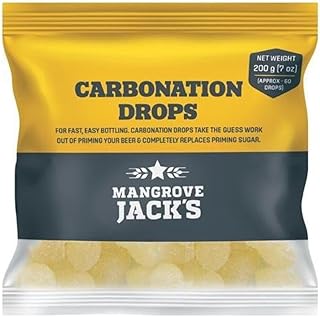
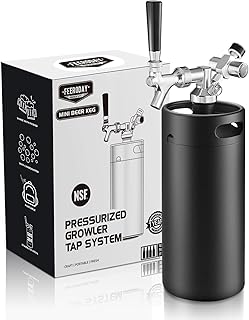
Carbonation Process: The time required for the beer to absorb CO2, which can vary based on temperature and pressure
The carbonation process is a critical step in beer production that involves the absorption of carbon dioxide (CO2) by the beer. This process can significantly vary based on several factors, including temperature and pressure. Generally, the colder the beer, the faster it will absorb CO2. This is because CO2 is more soluble in colder liquids. Conversely, warmer temperatures will slow down the carbonation process.
Pressure also plays a crucial role in the carbonation process. Higher pressures will force more CO2 into the beer, resulting in a more carbonated beverage. However, it's essential to maintain the right balance, as excessive pressure can lead to over-carbonation, which may cause the beer to become too fizzy or even explosive when opened.
The time required for the beer to absorb CO2 can range from a few days to several weeks, depending on the specific conditions. For instance, a beer carbonated at room temperature might take around 2-3 weeks to reach the desired level of carbonation, while a beer carbonated in a cold environment could achieve the same level in just a few days.
To ensure a consistent and high-quality product, brewers often use specialized equipment to monitor and control the carbonation process. This equipment can help maintain the optimal temperature and pressure conditions, as well as provide real-time data on the CO2 absorption rate.
In summary, the carbonation process is a complex and time-sensitive aspect of beer production that requires careful attention to temperature and pressure conditions. By understanding and controlling these factors, brewers can achieve the desired level of carbonation in their beer, resulting in a refreshing and enjoyable beverage.
Crafting Brews: A Step-by-Step Guide to Bottling Your Own Beer
You may want to see also
Explore related products


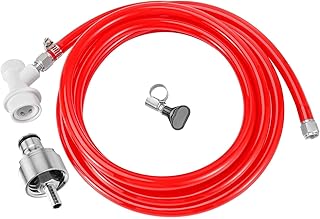
Bottling Time: The actual process of transferring the carbonated beer into bottles and sealing them
The bottling process for carbonated beer is a critical step that requires precision and care. It involves transferring the beer from its fermentation vessel into bottles while maintaining the desired level of carbonation. This process can be broken down into several key steps.
First, the beer must be properly conditioned and cleared to ensure that it is free of sediment and yeast. This can be achieved through a process called cold crashing, where the beer is cooled to low temperatures for several days to allow any remaining yeast and sediment to settle out of suspension.
Once the beer has been conditioned, it is ready to be bottled. The bottling process typically involves using a specialized bottling machine that can fill the bottles with the correct amount of beer while maintaining the desired level of carbonation. The machine will also cap the bottles with a tight seal to prevent any loss of carbonation.
After the bottles have been filled and capped, they must be properly stored and conditioned to allow the flavors to develop and the carbonation to stabilize. This process can take several weeks to months, depending on the specific beer and storage conditions.
One of the challenges of bottling carbonated beer is maintaining the desired level of carbonation throughout the process. This can be affected by factors such as temperature, pressure, and the type of bottle used. Brewers must carefully monitor and control these factors to ensure that the final product has the desired level of carbonation and flavor.
In conclusion, the bottling process for carbonated beer is a complex and critical step that requires careful attention to detail and proper equipment. By following the correct procedures and maintaining the desired level of carbonation, brewers can produce a high-quality product that meets the expectations of their customers.
Gallon of Brews: How Many Beer Bottles Fit In?
You may want to see also
Explore related products


Secondary Fermentation: If the beer undergoes a secondary fermentation in the bottle, this adds to the overall time
Secondary fermentation in the bottle is a process that can significantly extend the time required for beer to carbonate. This method involves adding yeast and sugar to the bottled beer, which then ferments and produces carbon dioxide as a byproduct. The carbon dioxide is trapped in the bottle, creating the desired effervescence. However, this process is not instantaneous and can take several weeks to months, depending on various factors.
One of the key considerations when using secondary fermentation for carbonation is the temperature at which the beer is stored. Yeast activity is highly temperature-dependent, and optimal fermentation conditions typically require a temperature range of 60-75°F (15-24°C). If the temperature is too low, the yeast may become dormant, slowing down or even halting the fermentation process. Conversely, if the temperature is too high, the yeast may become overactive, leading to off-flavors and potential spoilage.
Another important factor to consider is the amount of sugar added to the beer. The sugar serves as food for the yeast, and the amount added will directly impact the level of carbonation achieved. Too little sugar may result in under-carbonation, while too much sugar can lead to over-carbonation and potential bottle bombs. It is crucial to carefully measure and calculate the appropriate amount of sugar based on the volume of beer and the desired level of carbonation.
The type of yeast used for secondary fermentation can also affect the time required for carbonation. Different yeast strains have varying levels of activity and tolerance to alcohol and other compounds present in the beer. Some yeast strains are specifically designed for bottle conditioning and are known for their ability to produce a consistent level of carbonation in a relatively short period.
Finally, it is essential to monitor the progress of the secondary fermentation closely. This can be done by checking the airlock for signs of fermentation, such as bubbles, or by measuring the specific gravity of the beer over time. Patience is key, as secondary fermentation can be a slow process, but the end result is often worth the wait.
Exploring the Dimensions: A Comprehensive Guide to Beer Bottle Heights
You may want to see also
Explore related products



Storage and Aging: The period the beer needs to be stored to allow flavors to develop and stabilize after bottling
After the beer has been bottled and carbonated, it enters the crucial phase of storage and aging. This period is essential for allowing the flavors to develop and stabilize, ensuring that the final product meets the desired taste profile. The duration of storage and aging can vary significantly depending on the type of beer and the specific recipe used.
For most beers, the storage and aging process typically lasts anywhere from a few weeks to several months. During this time, the beer undergoes a series of chemical reactions that contribute to its flavor development. These reactions include the breakdown of complex sugars, the formation of esters and aldehydes, and the maturation of the beer's bitterness.
One of the key factors that influence the storage and aging period is the beer's alcohol content. Higher alcohol beers generally require a longer aging period to allow the flavors to meld together and the alcohol to mellow out. Additionally, the type of yeast used in the fermentation process can also impact the aging time, as some yeasts produce flavors that need more time to develop fully.
Another important consideration during the storage and aging phase is the temperature at which the beer is kept. Ideally, the beer should be stored at a cool, consistent temperature to slow down the aging process and prevent the development of off-flavors. The optimal temperature range for most beers is between 50°F and 55°F (10°C and 13°C).
During the storage and aging period, it is also essential to monitor the beer's carbonation levels. Over time, the carbonation can decrease, leading to a flat beer. To prevent this, brewers may need to add additional priming sugar or adjust the bottling process to ensure that the beer maintains the desired level of carbonation throughout the aging period.
In conclusion, the storage and aging phase is a critical step in the beer-making process that allows the flavors to develop and stabilize. By carefully controlling the temperature, monitoring the carbonation levels, and allowing the beer to age for the appropriate amount of time, brewers can ensure that their final product meets the desired taste profile and provides a satisfying drinking experience.
Comparing Brews and Vines: Beer vs. Wine Equivalence Explored
You may want to see also
Frequently asked questions
The time it takes to bottle carbonate beer can vary, but typically it takes about 2 to 4 weeks for the carbonation process to complete after bottling.
Factors such as temperature, the amount of priming sugar used, the type of yeast, and the initial carbonation level of the beer can all influence the carbonation time.
Yes, you can speed up the carbonation process by increasing the temperature, using more priming sugar, or using a yeast strain that is more active at higher temperatures.
You can check the carbonation level by gently shaking the bottle and observing the amount of foam produced. If the foam is minimal and the beer appears clear, it is likely that the carbonation process is complete.
If the carbonation process takes too long, the beer may become over-carbonated, which can lead to a loss of flavor and an unpleasant mouthfeel. It is important to monitor the carbonation process closely to avoid this issue.