Beatrix Montes
A standard beer bottle typically contains 330 milliliters (ml) of liquid. However, this volume can vary depending on the specific type of beer and the country of origin. For instance, some craft beers may come in larger bottles, often referred to as bomber bottles, which can hold up to 650 ml or more. In contrast, smaller bottles, sometimes used for stronger or specialty beers, might contain as little as 180 ml. The size of a beer bottle can influence factors such as portability, serving size, and even the beer's flavor profile, as different volumes may affect the carbonation and freshness of the beverage. Understanding the volume of a beer bottle is essential for consumers who want to know their alcohol intake, as well as for bars and restaurants that need to manage inventory and serving sizes accurately.
Explore related products


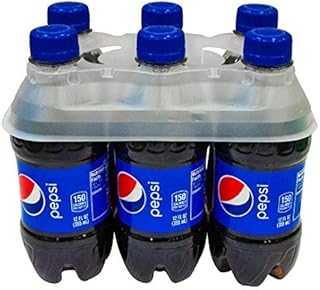


What You'll Learn

Standard beer bottle volumes
In the realm of beer bottles, standardization plays a crucial role in ensuring consistency and quality across different brands and regions. One of the most common standard volumes for beer bottles is 330 milliliters (ml), which is widely used in Europe and other parts of the world. This volume provides a convenient size for individual consumption while also allowing for efficient packaging and transportation.
Another standard volume that is gaining popularity, especially in the craft beer industry, is the 500 ml bottle. This size offers a more substantial serving, catering to those who prefer a larger pour or wish to share with others. The 500 ml bottle is often associated with a more premium or artisanal product, as it allows brewers to showcase their creations in a format that is both visually appealing and practical for tasting sessions.
In the United States, the most common standard beer bottle volume is 12 fluid ounces (fl oz), which is equivalent to approximately 355 ml. This size has historical roots dating back to the early 20th century and has become a staple in the American beer market. The 12 fl oz bottle is favored for its portability and ease of handling, making it a popular choice for outdoor activities and social gatherings.
For those who prefer a more substantial serving, the 16 fl oz (473 ml) pint bottle is another standard volume that is widely available. This size is particularly popular in the craft beer scene, as it allows for a more generous pour and is often used for stronger, more flavorful beers. The 16 fl oz bottle provides a good balance between quantity and quality, making it a preferred choice for many beer enthusiasts.
In addition to these standard volumes, there are also variations such as the 22 fl oz (650 ml) bomber bottle, which is typically used for specialty or limited-edition beers. This larger format allows brewers to experiment with unique recipes and aging processes, resulting in a more complex and nuanced flavor profile. The bomber bottle is often seen as a collector's item, with beer aficionados seeking out rare and exclusive releases to add to their collection.
Overall, the standardization of beer bottle volumes plays a vital role in the industry, ensuring consistency, quality, and convenience for both consumers and producers. Whether it's a 330 ml bottle for a casual drink or a 22 fl oz bomber for a special occasion, there is a standard volume to suit every taste and preference.
Exploring the Caloric Content of a Heineken Beer Bottle
You may want to see also
Explore related products

![8 Pack [1 L / 33 fl. oz.] Swing Top Glass Bottles w/ Airtight Stopper Lids – Flip Top Brewing Bottle for Fermentation, Kombucha, Mead, Vinegar, Beer, Kefir, Wine, Soda – With 8 Extra Seals & 2 Pourer](https://m.media-amazon.com/images/I/71Dxyt2F7pL._AC_UL320_.jpg)
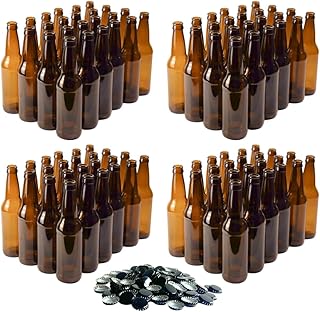
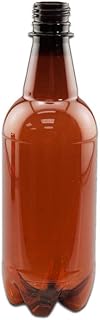

Variations in bottle sizes
Beer bottles come in a variety of sizes, which can sometimes lead to confusion for consumers. While the standard beer bottle size is often considered to be 330ml or 12 fl oz, there are many variations that exist around the world. For instance, in the United States, it's common to find beer bottles in sizes such as 16 fl oz (473ml), 22 fl oz (650ml), and even larger formats like 32 fl oz (946ml) or 64 fl oz (1.9 liters). In Europe, you might encounter bottles that are 250ml, 330ml, 500ml, or even 1 liter in size.
These variations in bottle sizes can have several implications. For one, they can affect the serving size and the number of servings per bottle. A larger bottle might be more economical for sharing among friends, while a smaller bottle could be more convenient for individual consumption. Additionally, the size of the bottle can influence the brewing process and the final taste of the beer. Brewers might choose different bottle sizes based on the style of beer they are producing, with certain sizes being more traditional or better suited for specific types of beer.
When it comes to understanding how many milliliters are in a beer bottle, it's essential to consider these variations. A standard 330ml bottle is straightforward, but what about a 500ml bottle or a 16 fl oz bottle? Knowing the conversion between fluid ounces and milliliters is crucial here. One fluid ounce is approximately equal to 29.5735 milliliters. Therefore, a 16 fl oz bottle would contain about 473.176 milliliters of beer.
In some cases, the size of the bottle might not be immediately apparent, especially if you're purchasing beer from a foreign country with different standard sizes. It's always a good idea to check the label for the volume information, which is usually clearly stated. This will help you determine the exact amount of beer you're getting and ensure that you're comparing prices accurately when shopping for different brands or styles.
In conclusion, understanding the variations in beer bottle sizes is important for consumers who want to make informed choices about their purchases. Whether you're looking at a standard 330ml bottle or a larger 500ml bottle, knowing the size and the conversion between fluid ounces and milliliters can help you navigate the world of beer with confidence.
Exploring the Standard Ounce Measurements in Beer Bottles
You may want to see also
Explore related products



Conversion to milliliters
To convert the volume of a beer bottle to milliliters, it's essential to understand the standard sizes of beer bottles and the conversion factors between different units of volume. A typical beer bottle in the United States contains 12 fluid ounces, which is equivalent to approximately 355 milliliters. However, beer bottles can vary in size, with some containing 11.2 fluid ounces (330 milliliters) or 16.9 fluid ounces (500 milliliters).
The conversion process involves using the conversion factor between fluid ounces and milliliters. One fluid ounce is approximately equal to 29.5735 milliliters. To convert the volume of a beer bottle to milliliters, multiply the number of fluid ounces by this conversion factor. For example, to convert 12 fluid ounces to milliliters, you would calculate 12 * 29.5735 = 354.882 milliliters, which rounds to approximately 355 milliliters.
It's important to note that the conversion factor between fluid ounces and milliliters is not exact, as it is based on an approximation of the volume of a fluid ounce. Therefore, the result of the conversion may vary slightly depending on the specific conversion factor used. Additionally, when converting volumes, it's crucial to ensure that the units of measurement are consistent, as mixing units can lead to inaccurate results.
In some cases, it may be necessary to convert the volume of a beer bottle to other units of measurement, such as liters or cups. To convert milliliters to liters, divide the number of milliliters by 1000, as there are 1000 milliliters in a liter. To convert milliliters to cups, use the conversion factor of 1 cup = 236.588 milliliters and divide the number of milliliters by this factor.
Understanding the conversion between different units of volume is a valuable skill in various contexts, including cooking, brewing, and scientific research. By knowing how to convert the volume of a beer bottle to milliliters, you can accurately measure and compare volumes in different units, ensuring precision and consistency in your calculations.
Exploring the Caloric Content of Budweiser Beer
You may want to see also
Explore related products



Factors affecting beer volume
The volume of beer in a bottle can be influenced by several factors, each playing a crucial role in determining the final quantity. One primary factor is the brewing process itself. During fermentation, the conversion of sugars to alcohol and carbon dioxide can lead to a slight increase in volume. However, this increase is typically minimal and does not significantly impact the overall volume of the beer.
Another factor to consider is the type of beer being produced. Different styles of beer, such as lagers, ales, and stouts, may have varying volumes due to differences in ingredients and brewing techniques. For instance, beers with higher alcohol content often have a slightly lower volume, as the alcohol displaces some of the liquid.
The bottling process also plays a role in determining the volume of beer in a bottle. Bottling lines are designed to fill bottles to a specific level, and this level can be adjusted based on the type of beer and the desired final volume. Additionally, the shape and size of the bottle can affect the volume, as different bottles may hold different amounts of liquid.
Environmental factors, such as temperature and pressure, can also impact the volume of beer in a bottle. Changes in temperature can cause the beer to expand or contract, leading to slight variations in volume. Similarly, changes in pressure, such as those experienced during transportation or storage, can affect the volume of the beer.
Finally, the age of the beer can also influence its volume. Over time, beer can lose carbonation, which can lead to a slight decrease in volume. This is why it is important to store beer properly and consume it within a reasonable timeframe to ensure the best possible taste and volume.
Sustainable Sips: The Truth About Recycling Glass Beer Bottles
You may want to see also
Explore related products


Typical beer serving sizes
In the realm of beer consumption, understanding typical serving sizes is crucial for both enjoyment and moderation. A standard beer bottle in many countries contains 330 milliliters (ml), which is often considered a single serving. However, serving sizes can vary significantly depending on the type of beer, the country, and the occasion.
For instance, in the United States, a typical serving of beer is 12 fluid ounces (fl oz), which is approximately 355 ml. This is slightly larger than the international standard bottle size. In contrast, some European countries, such as Germany, often serve beer in larger quantities, with a common serving size being 500 ml, known as a "pint" in some regions.
When it comes to draft beer, serving sizes can also differ. A standard draft beer in the U.S. is often 16 fl oz (473 ml), while in the UK, a pint of draft beer is 568 ml. These variations highlight the importance of being aware of serving sizes when consuming beer, especially when trying different types or visiting different countries.
Understanding typical beer serving sizes is not only about knowing the volume but also about the context in which beer is consumed. For example, during social gatherings or sporting events, it's common to see larger serving sizes, while in more formal settings or when pairing beer with food, smaller, more precise servings might be preferred.
In conclusion, while a standard beer bottle contains 330 ml, typical serving sizes can vary greatly depending on the type of beer, the country, and the occasion. Being mindful of these differences can enhance the beer-drinking experience and promote responsible consumption.
Unveiling the Mystery: Why Beer Bottles Embrace the Brown Hue
You may want to see also
Frequently asked questions
A standard beer bottle typically contains 330 milliliters (ml).
Yes, beer bottles come in various sizes. Common sizes include 250ml, 330ml, 355ml (12 fl oz), 500ml, and 650ml.
330 milliliters is approximately equivalent to 11.15 fluid ounces.
A standard beer can typically holds 355 milliliters (12 fl oz), which is slightly larger than a standard 330ml beer bottle.
Knowing the volume of a beer bottle is important for various reasons, including understanding alcohol content, serving sizes, and ensuring compliance with legal regulations regarding alcohol sales and consumption.