Oisin Foster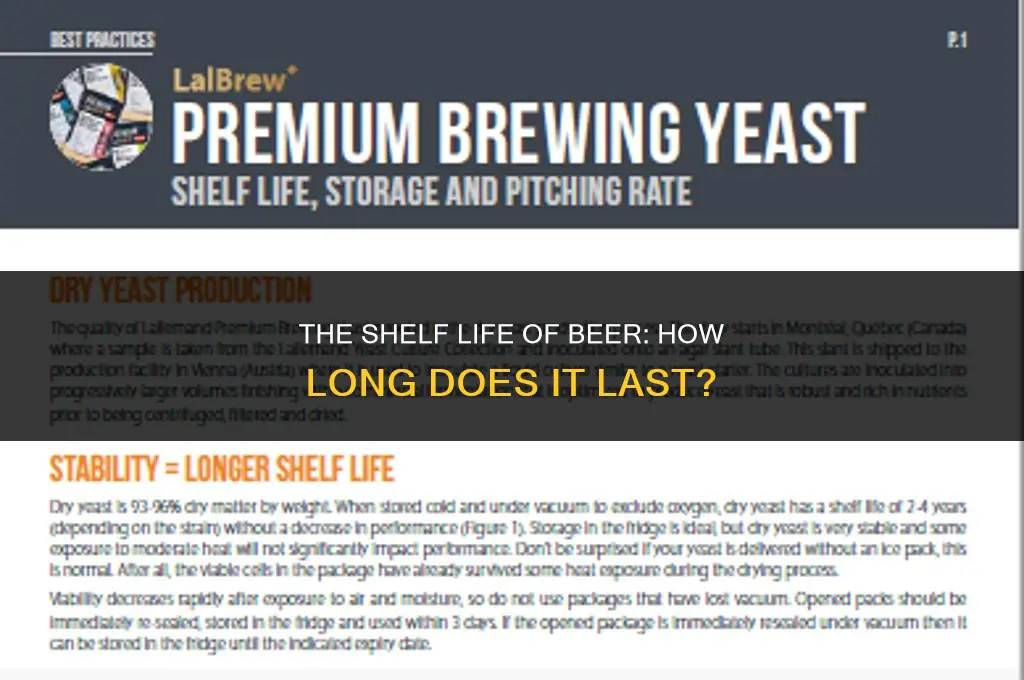
The shelf life of beer in a bottle is a topic of interest for many consumers. Beer, unlike wine, does not typically improve with age and is best consumed fresh to maintain its optimal flavor and quality. The duration a beer can last in a bottle depends on several factors, including the type of beer, the bottling process, storage conditions, and whether the bottle has been opened or remains sealed. Generally, most beers have a shelf life of 3 to 6 months when stored properly, but some specialty beers may have different longevity. Understanding these factors can help beer enthusiasts enjoy their beverages at their best.
Explore related products


What You'll Learn
- Storage Conditions: Temperature, light exposure, and storage position impact beer's shelf life in bottles
- Bottle Material: Glass, plastic, or aluminum bottles affect how long beer stays fresh due to light and oxygen exposure
- Beer Type: Different beer styles have varying shelf lives; for example, IPAs may last longer than stouts
- Opening and Resealing: Methods of opening and resealing bottles can influence how quickly beer spoils after opening
- Brewery Recommendations: Many breweries provide specific guidelines on how long their beers should be consumed for optimal taste

Storage Conditions: Temperature, light exposure, and storage position impact beer's shelf life in bottles
The shelf life of beer in bottles is significantly influenced by storage conditions, with temperature, light exposure, and storage position playing critical roles. To maximize the longevity of beer, it is essential to store it in a cool, dark place. Ideally, the temperature should be maintained between 45°F and 55°F (7°C and 13°C). Higher temperatures can accelerate the aging process, leading to off-flavors and a decrease in quality. Conversely, storing beer at too low a temperature can also be detrimental, potentially causing the yeast to become dormant and affecting the beer's taste.
Light exposure is another key factor affecting beer's shelf life. Ultraviolet (UV) light, in particular, can cause a reaction in the beer that leads to a skunky flavor. This is why many breweries use brown or amber-colored bottles, which help to filter out UV light. If possible, store beer bottles in a dark cupboard or pantry, away from direct sunlight and fluorescent lighting.
The storage position of beer bottles is also important. Beer should be stored upright to prevent the yeast from settling at the bottom of the bottle, which can affect the taste and quality of the beer. If beer is stored on its side for an extended period, the yeast can become compacted, leading to a loss of carbonation and the development of off-flavors.
In summary, to ensure that beer lasts as long as possible in bottles, it is crucial to store it in a cool, dark place, away from direct light and in an upright position. By following these guidelines, beer enthusiasts can help to preserve the quality and taste of their favorite brews.
Exploring the Caloric Content of Budweiser Beer
You may want to see also
Explore related products



Bottle Material: Glass, plastic, or aluminum bottles affect how long beer stays fresh due to light and oxygen exposure
The material of a beer bottle plays a crucial role in determining the longevity and quality of the beer inside. Glass, plastic, and aluminum bottles each have distinct properties that affect how well they protect the beer from light and oxygen, the two primary factors that can degrade beer over time.
Glass bottles are often considered the gold standard for beer packaging due to their ability to completely block out light and oxygen, thereby preserving the beer's flavor and aroma for longer periods. However, glass is also more susceptible to breakage and is heavier than other materials, which can increase transportation costs and environmental impact.
Plastic bottles, on the other hand, are lightweight and shatter-resistant, making them a popular choice for many breweries. While they do not block out light as effectively as glass, advancements in plastic technology have led to the development of bottles that can significantly reduce light exposure. Oxygen permeability is also a concern with plastic, but again, modern innovations have improved their ability to maintain a tight seal.
Aluminum bottles offer a unique combination of benefits, including being lightweight, recyclable, and having a high barrier to both light and oxygen. They are also more resistant to breakage than glass and can be more cost-effective in the long run. However, some consumers may notice a slight metallic taste with certain beers packaged in aluminum.
In conclusion, the choice of bottle material is a complex decision that involves balancing factors such as preservation quality, cost, environmental impact, and consumer preference. Breweries must carefully consider these aspects when selecting the most appropriate packaging for their products.
The Mystery Behind Brown Beer Bottles: Unveiling the Secret
You may want to see also
Explore related products



Beer Type: Different beer styles have varying shelf lives; for example, IPAs may last longer than stouts
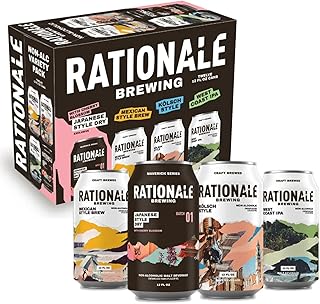
The shelf life of beer can vary significantly depending on the type of beer. For instance, India Pale Ales (IPAs) tend to have a longer shelf life compared to stouts. This is primarily due to the higher hop content in IPAs, which acts as a natural preservative. Hops contain compounds that inhibit the growth of bacteria and other microorganisms that can spoil beer. As a result, IPAs can typically be stored for a longer period without significant degradation in quality.
On the other hand, stouts, which are darker and often have a richer, more complex flavor profile, tend to have a shorter shelf life. This is because stouts often contain more sugars and other compounds that can be more susceptible to oxidation and spoilage over time. Additionally, the darker color of stouts can make them more sensitive to light exposure, which can also contribute to a shorter shelf life.
When storing beer, it's important to consider not only the type of beer but also the storage conditions. Beers with higher alcohol content, such as imperial stouts or strong ales, can generally be stored for longer periods, as alcohol also acts as a preservative. However, even these beers will eventually spoil if not stored properly.
To maximize the shelf life of any beer, it should be stored in a cool, dark place, away from direct sunlight and sources of heat. The ideal storage temperature for most beers is between 45°F and 55°F (7°C and 13°C). It's also important to store beer bottles upright to prevent the beer from coming into contact with the cork or cap, which can lead to oxidation and spoilage.
In summary, while IPAs generally have a longer shelf life than stouts due to their higher hop content, proper storage conditions are crucial for maintaining the quality of any type of beer. By storing beer in a cool, dark place and keeping it away from sources of heat and light, you can help extend its shelf life and ensure that it remains fresh and enjoyable for as long as possible.
Exploring the Height of a Corona Beer Bottle: A Quick Guide
You may want to see also
Explore related products




Opening and Resealing: Methods of opening and resealing bottles can influence how quickly beer spoils after opening
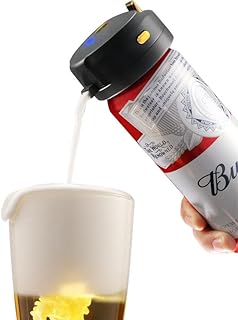
The method by which a beer bottle is opened and resealed can significantly impact the longevity of the beer's freshness. When a bottle is opened, the carbonation process begins to dissipate, and oxygen starts to enter the bottle, which can lead to spoilage. Therefore, it's crucial to reseal the bottle properly to minimize the amount of air that enters and to preserve the beer's quality.
One common method of resealing a beer bottle is by using a bottle cap. However, this method is not foolproof, as the cap may not create an airtight seal, allowing air to seep in and spoil the beer. A better alternative is to use a vacuum-sealed cap or a specialized beer preservation system, which can create a more effective seal and prolong the beer's freshness.
Another factor to consider is the temperature at which the beer is stored after opening. Beer should be stored in a cool, dark place to slow down the oxidation process and preserve its flavor. If the beer is stored in a warm or brightly lit area, it will spoil more quickly, regardless of the resealing method used.
In addition to proper resealing and storage, it's also important to consume the beer within a reasonable timeframe. Even with the best resealing methods, beer will eventually spoil if left open for too long. As a general rule, it's best to consume opened beer within 1-2 days to ensure optimal freshness and flavor.
In conclusion, the methods of opening and resealing beer bottles play a critical role in determining how quickly the beer spoils after opening. By using effective resealing methods, storing the beer properly, and consuming it within a reasonable timeframe, beer enthusiasts can enjoy their favorite brews for a longer period and minimize waste.
Uncapping the Mystery: What Materials Make Up Beer Bottle Caps?
You may want to see also
Explore related products


Brewery Recommendations: Many breweries provide specific guidelines on how long their beers should be consumed for optimal taste
Breweries often provide specific guidelines on how long their beers should be consumed to ensure optimal taste. These recommendations are crucial for beer enthusiasts who want to enjoy their beverages at their best quality. For instance, some breweries suggest consuming their IPAs within three months of bottling to preserve the hoppy flavors, while others recommend drinking their stouts and porters after six months to allow the complex flavors to develop fully.
One key factor that influences these guidelines is the type of beer. Lighter beers, such as lagers and pilsners, typically have a shorter shelf life due to their delicate flavors. On the other hand, darker beers like stouts and porters can often be aged for longer periods, as their robust flavors can withstand the test of time. Additionally, some specialty beers, like sour beers or barrel-aged brews, may have unique storage and consumption recommendations to maintain their distinct characteristics.
Another important consideration is the storage conditions. Breweries often advise keeping their beers in a cool, dark place to prevent light and heat from affecting the taste. Some beers may also benefit from being stored horizontally, which helps to keep the yeast in suspension and maintain the beer's carbonation. By following these storage guidelines, beer lovers can ensure that their beverages remain fresh and flavorful for as long as possible.
In conclusion, paying attention to brewery recommendations can significantly enhance the beer-drinking experience. By understanding the specific guidelines for different types of beers and ensuring proper storage conditions, enthusiasts can enjoy their favorite brews at their peak quality. Whether it's a hoppy IPA or a rich stout, knowing how long to consume a beer can make all the difference in savoring its unique flavors.
Creative Ways to Wrap Beer Bottles for Gifting and Storage
You may want to see also
Frequently asked questions
The shelf life of beer in a bottle varies depending on the type of beer and storage conditions. Generally, most beers last for about 3 to 6 months when stored properly in a cool, dark place.
Several factors can affect the shelf life of beer in a bottle, including the type of beer, the brewing process, the packaging, and the storage conditions. Beers with higher alcohol content and more hops tend to last longer, while lighter beers and those with more adjuncts may spoil faster. Proper storage in a cool, dark place away from direct sunlight and extreme temperatures can help extend the shelf life of beer.
There are several signs that beer in a bottle may have gone bad, including an off or sour smell, a cloudy or discolored appearance, and a metallic or cardboard-like taste. If you notice any of these signs, it's best to discard the beer and not consume it.