Arabella Franco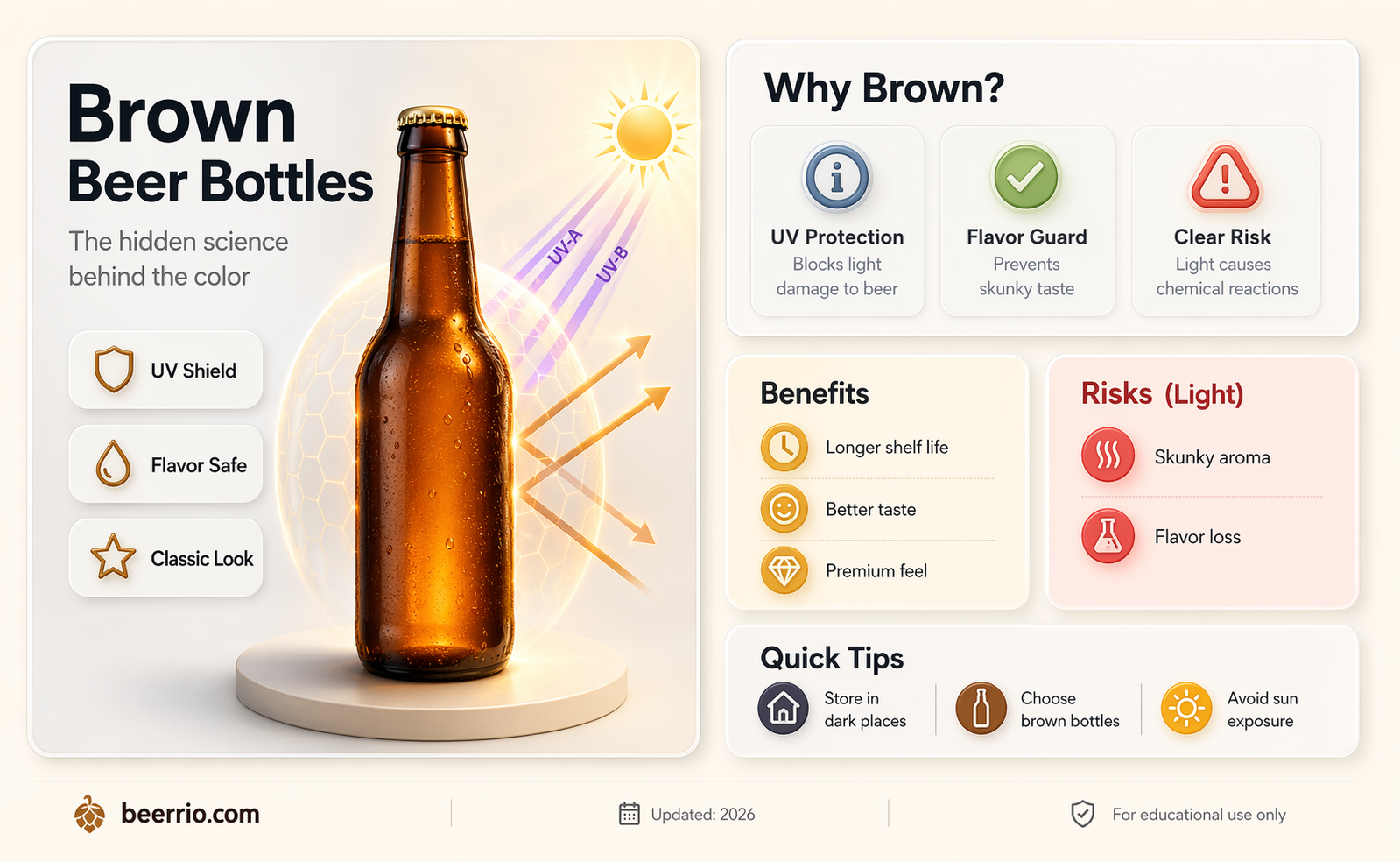
Beer is often bottled in brown bottles as a protective measure against light exposure, which can negatively impact the flavor and quality of the beverage. The brown glass acts as a filter, blocking out harmful ultraviolet (UV) and blue light rays that can cause a chemical reaction in the beer, leading to an unpleasant taste known as skunky or lightstruck. This reaction occurs when the UV light interacts with the hops in the beer, producing a compound that has a strong, undesirable odor and flavor. By using brown bottles, breweries can ensure that their product remains fresh and flavorful for a longer period, maintaining the integrity of the beer's taste profile. Additionally, the use of brown glass can also help to preserve the beer's aroma and carbonation, further enhancing the overall drinking experience.
Explore related products


What You'll Learn
- Protection from Light: Brown bottles shield beer from UV light, preventing spoilage and maintaining flavor
- Historical Tradition: Brown bottles have been used for centuries, originating from the need to protect beer during transportation
- Brand Differentiation: Unique bottle colors help breweries stand out on shelves and reinforce brand identity
- Cost and Availability: Brown glass is often more cost-effective and widely available than other colors
- Consumer Preference: Some consumers associate brown bottles with quality and tradition, influencing their purchasing decisions

Protection from Light: Brown bottles shield beer from UV light, preventing spoilage and maintaining flavor
The primary reason beer is often bottled in brown glass is to protect it from light, specifically ultraviolet (UV) light. UV light can cause a chemical reaction in beer that leads to spoilage, resulting in an unpleasant taste and aroma. This reaction, known as "skunky" flavor, occurs when UV light interacts with the hops in beer, producing a compound that smells and tastes similar to a skunk's spray. Brown glass bottles effectively filter out UV light, preventing this reaction and maintaining the beer's quality and flavor profile.
In addition to preventing spoilage, brown bottles also help to preserve the beer's color and clarity. Exposure to light can cause beer to become discolored, taking on a yellow or amber hue that may be unappealing to consumers. By shielding the beer from light, brown bottles ensure that it retains its intended appearance, which is particularly important for certain styles of beer where color plays a significant role in the overall experience.
Furthermore, the use of brown glass bottles is a practical solution for breweries looking to extend the shelf life of their products. Since light is a major factor in the degradation of beer, using brown bottles can help to ensure that the beer remains fresh and enjoyable for a longer period. This is especially important for beers that are distributed over long distances or stored in retail environments where they may be exposed to varying levels of light.
It's worth noting that while brown bottles are the most common choice for protecting beer from light, other options do exist. Some breweries use amber or green glass bottles, which also provide some level of UV protection. Additionally, some beers are packaged in cans or pouches that are designed to block out light. However, brown glass bottles remain the most traditional and widely recognized method for protecting beer from the harmful effects of light exposure.
Uncapping the Mystery: What Materials Make Up Beer Bottle Caps?
You may want to see also
Explore related products


Historical Tradition: Brown bottles have been used for centuries, originating from the need to protect beer during transportation
The use of brown bottles for beer has a rich historical tradition that dates back centuries. This practice originated from the practical need to protect beer during transportation. In the early days of brewing, beer was often transported long distances by horse-drawn carriages or ships, and the brown glass helped to shield the contents from the damaging effects of sunlight and oxidation.
Brown bottles were also favored for their durability and reusability. Glass bottles were a significant investment for brewers, and the brown color helped to disguise scratches and marks that accumulated over time. This made the bottles more presentable for repeated use, reducing the need for frequent replacements.
Another advantage of brown bottles was their ability to maintain the beer's quality. The dark glass prevented light from penetrating the bottle, which could cause the beer to become "skunky" or develop off-flavors. This was particularly important for beers that were aged or stored for extended periods, as the brown bottles helped to preserve their complex flavors and aromas.
Over time, the use of brown bottles became a tradition in many brewing cultures. In some regions, such as Germany, the brown bottle became an iconic symbol of beer culture. The distinctive shape and color of the bottles were often associated with specific beer styles or brands, further cementing their place in brewing history.
Today, while many breweries have switched to lighter-colored bottles or cans for cost and convenience reasons, the brown bottle remains a popular choice for craft brewers and beer enthusiasts. The historical tradition of using brown bottles continues to influence modern brewing practices, and the distinctive color and shape of these bottles remain a recognizable symbol of beer culture around the world.
Explore related products


![Beer Bottle Colored Pry-Off Caps 12-pk [ Choose Your Color ] Oxygen Absorbing, 26mm Crown Seal Cork, Kombucha Homebrew, PVC Free (American Flag)](https://m.media-amazon.com/images/I/81TQVUShlXL._AC_UL320_.jpg)

Brand Differentiation: Unique bottle colors help breweries stand out on shelves and reinforce brand identity
In the competitive world of craft beer, standing out on the shelf is crucial for success. One effective strategy that breweries employ is the use of unique bottle colors to differentiate their brand and reinforce their identity. This approach not only helps in catching the consumer's eye but also in creating a memorable and distinctive brand image.
The choice of bottle color can be a reflection of the brewery's personality and the type of beer they produce. For instance, a brewery that specializes in bold, hoppy IPAs might opt for a vibrant orange or red bottle to convey the intensity and excitement of their product. On the other hand, a brewery that focuses on traditional, malty stouts might choose a classic brown or black bottle to evoke a sense of heritage and richness.
Moreover, unique bottle colors can also serve as a marketing tool, helping breweries to target specific demographics and psychographics. For example, a brewery aiming to appeal to a younger, more adventurous audience might use bright, eye-catching colors, while a brewery targeting a more mature, sophisticated crowd might opt for subdued, elegant hues.
In addition to their aesthetic appeal, colored bottles can also have practical benefits. They can help to protect the beer from light exposure, which can degrade its flavor and quality. For instance, brown bottles are known to filter out harmful UV rays, preserving the beer's taste and aroma.
Overall, the use of unique bottle colors is a powerful way for breweries to differentiate their brand, reinforce their identity, and appeal to their target audience. By carefully selecting the right color, breweries can create a strong visual impact that sets them apart from the competition and helps them to establish a loyal customer base.
Explore related products


$9.99 $12.99


Cost and Availability: Brown glass is often more cost-effective and widely available than other colors
Brown glass bottles are a popular choice for beer packaging due to their cost-effectiveness and widespread availability. The manufacturing process for brown glass is relatively simple and inexpensive compared to other colors, which often require additional chemicals or treatments to achieve the desired hue. This results in lower production costs for breweries, making brown bottles an attractive option for both large-scale and craft beer producers.
Furthermore, brown glass bottles are more readily available than their clear or colored counterparts. This is because brown glass has been used for beverage packaging for a longer period, and as a result, there is a well-established supply chain and distribution network in place. Breweries can easily source brown bottles from various suppliers, reducing lead times and ensuring a consistent supply of packaging materials.
In addition to cost and availability, brown glass bottles offer practical benefits for beer storage and transportation. The dark color of the glass helps to protect the beer from light exposure, which can cause spoilage and affect the taste. This makes brown bottles particularly suitable for beers that are sensitive to light, such as IPAs and wheat beers. Moreover, the sturdy construction of glass bottles provides excellent protection against breakage during transportation, ensuring that the beer arrives at its destination in good condition.
While other packaging options, such as aluminum cans or plastic bottles, have gained popularity in recent years, brown glass bottles remain a preferred choice for many breweries and beer enthusiasts. The combination of cost-effectiveness, availability, and practical benefits makes brown glass bottles a compelling option for beer packaging. As the craft beer industry continues to grow, it is likely that brown glass bottles will remain a staple in the packaging landscape.
Explore related products


Consumer Preference: Some consumers associate brown bottles with quality and tradition, influencing their purchasing decisions
Brown bottles have long been a staple in the beer industry, and consumer preference plays a significant role in their continued use. Many beer enthusiasts associate the dark glass with quality and tradition, which influences their purchasing decisions. This perception is rooted in the history of beer bottling, as brown glass was originally used to protect the contents from light exposure, which can spoil the flavor. Over time, this practical choice became synonymous with premium beer, and the association has persisted.
The psychological impact of color on consumer behavior is well-documented, and brown is often linked to feelings of warmth, comfort, and reliability. These emotional connections can be powerful motivators for consumers, who may choose brown-bottled beers over alternatives in lighter or clear glass. Additionally, the use of brown bottles can create a sense of nostalgia, evoking memories of classic beer brands and traditional brewing methods.
From a marketing perspective, beer companies that use brown bottles can leverage this consumer preference to differentiate their products in a crowded market. By emphasizing the quality and heritage associated with brown glass, these brands can appeal to consumers who value tradition and authenticity in their beer choices. This strategy can be particularly effective for craft breweries, which often position themselves as purveyors of artisanal, small-batch beers.
However, it is important to note that consumer preference for brown bottles is not universal. Some beer drinkers may prefer the aesthetic of clear or lighter-colored glass, which allows them to see the beer's color and carbonation. Others may be more concerned with factors such as price, taste, or brand reputation than the type of bottle. As such, beer companies must carefully consider their target audience and brand identity when deciding whether to use brown bottles.
In conclusion, consumer preference for brown bottles is a complex phenomenon that is influenced by a variety of factors, including historical associations, psychological impacts, and marketing strategies. While brown bottles may not be the right choice for every beer brand, they continue to hold a special place in the hearts of many beer enthusiasts who value quality, tradition, and authenticity.
Frequently asked questions
Beer is commonly bottled in brown bottles to protect it from light, which can cause the beer to spoil and develop an unpleasant flavor known as "skunky." The brown glass filters out harmful UV rays, preserving the beer's taste and quality.
Yes, the color of the bottle can significantly affect the taste of the beer. Clear or green bottles allow more light to penetrate, which can lead to a chemical reaction that spoils the beer. Brown bottles, on the other hand, provide a protective barrier against light, ensuring that the beer remains fresh and flavorful.
In addition to protecting the beer from light, brown bottles are also more resistant to breakage and can help maintain the beer's carbonation. The dark color of the bottle can also help to mask any sediment or yeast that may settle at the bottom, keeping the beer looking clear and appealing.