Beatrix Montes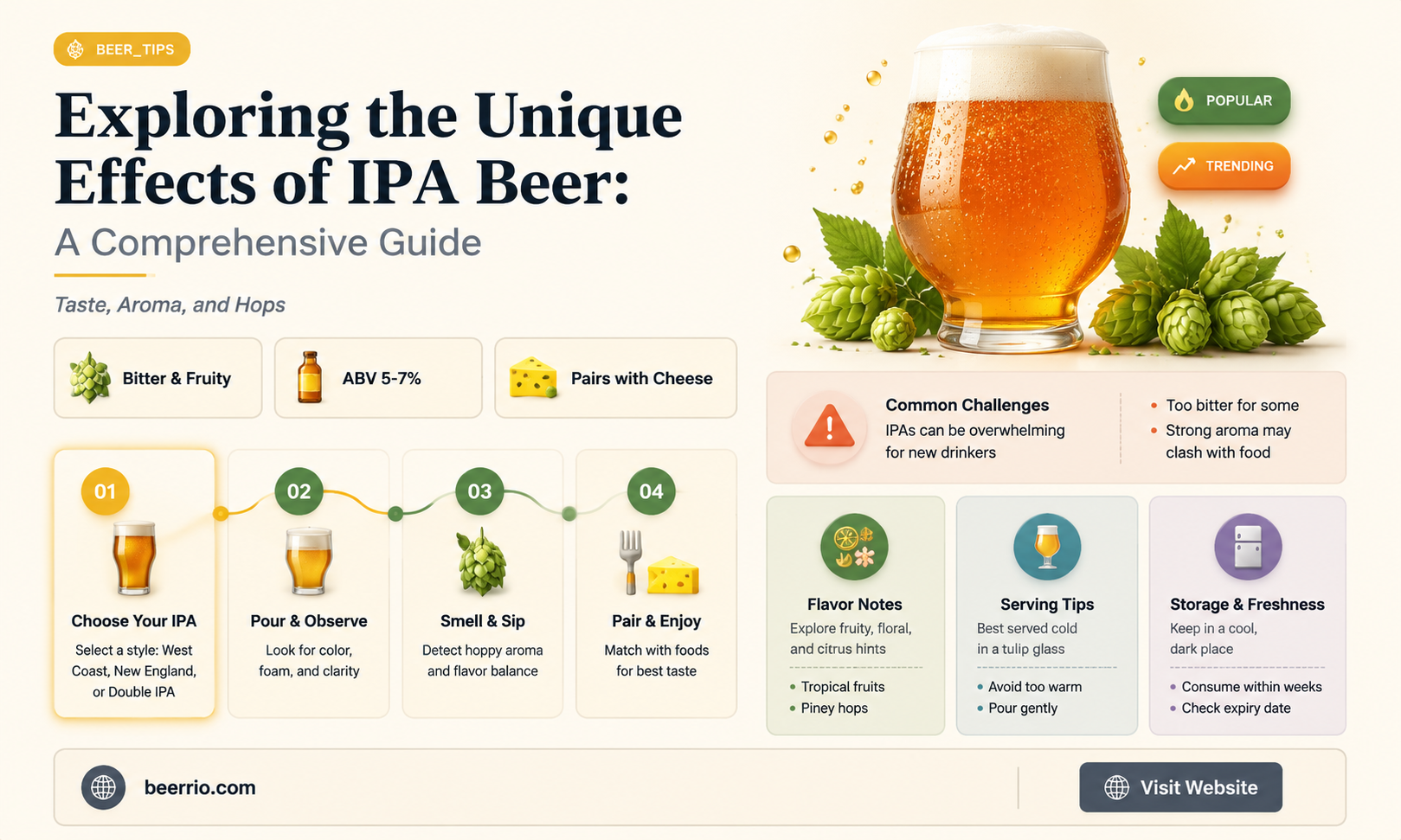
The question of whether India Pale Ale (IPA) beer affects individuals differently is a topic of interest for many beer enthusiasts and health-conscious consumers. IPAs are known for their distinct hoppy flavor and higher alcohol content compared to other beer types. This unique profile may lead to varying effects on different people, depending on factors such as tolerance, metabolism, and individual health conditions. Some may experience a more pronounced buzz or euphoria due to the higher alcohol by volume (ABV), while others might find the hop bitterness to be more or less palatable. Additionally, the potential health benefits or risks associated with moderate IPA consumption, such as antioxidant properties from hops or the impact on liver function, are subjects of ongoing research and debate. Understanding these nuances can help individuals make informed choices about their beer consumption habits.
Explore related products



What You'll Learn
- Alcohol Content: IPA beers typically have higher alcohol content, leading to stronger effects compared to other beers
- Hop Sensitivity: Some individuals may be more sensitive to the hops in IPA beers, causing unique reactions
- Bitterness Level: The high bitterness in IPA beers can affect taste perception and may influence how the beer is consumed
- Calorie Count: IPA beers often have more calories, which can contribute to weight gain if consumed excessively
- Potential Health Benefits: Some studies suggest that moderate IPA beer consumption may offer health benefits due to antioxidants found in hops

Alcohol Content: IPA beers typically have higher alcohol content, leading to stronger effects compared to other beers
The alcohol content in IPA beers is notably higher than in many other beer varieties, which can lead to more pronounced effects on the drinker. Typically, IPAs have an alcohol by volume (ABV) ranging from 6% to 8%, although some can go as high as 10% or more. This higher ABV means that consuming an IPA can result in a quicker onset of intoxication compared to beers with lower alcohol content, such as lagers or pilsners, which usually have an ABV of around 4% to 6%.
The stronger effects of IPA beers are not just due to the higher alcohol content but also the unique combination of hops used in their brewing process. IPAs are known for their hoppy flavor profile, which comes from the use of aromatic and bittering hops. These hops can contribute to a more intense drinking experience, often described as having a "bigger" or "bolder" taste. The bitterness from the hops can also help to balance out the sweetness of the malt, creating a complex flavor that many beer enthusiasts enjoy.
It's important for drinkers to be aware of the higher alcohol content in IPAs and to consume them responsibly. The stronger effects can make it easier to overindulge, which can lead to negative health consequences and impaired judgment. Drinkers should pace themselves, stay hydrated, and be mindful of their limits when enjoying IPAs.
In terms of practical tips, those who are new to IPAs might want to start with a smaller serving size or choose an IPA with a lower ABV to get accustomed to the taste and effects. Additionally, pairing IPAs with food can help to mitigate some of the stronger effects, as the fat and carbohydrates in food can slow down the absorption of alcohol into the bloodstream.
Overall, the higher alcohol content in IPA beers contributes to their unique character and can provide a more intense drinking experience. However, it's crucial for consumers to be aware of the potential effects and to drink responsibly to fully enjoy the complexities of these flavorful beers.
Exploring the Unique Flavors of Imported German Beers
You may want to see also
Explore related products



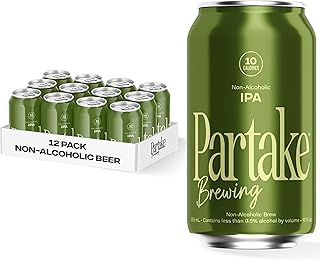

Hop Sensitivity: Some individuals may be more sensitive to the hops in IPA beers, causing unique reactions
Hop sensitivity is a unique reaction some individuals experience when consuming IPA beers. This heightened sensitivity to hops can manifest in various ways, including increased bitterness perception, skin reactions, or even respiratory issues. Understanding the underlying causes of hop sensitivity can help beer enthusiasts navigate their options and enjoy their favorite brews without adverse effects.
One possible explanation for hop sensitivity lies in the individual's genetic makeup. Certain genetic variations may affect how a person metabolizes the compounds found in hops, leading to increased sensitivity. Additionally, environmental factors such as exposure to allergens or other irritants may exacerbate hop sensitivity in some individuals.
Symptoms of hop sensitivity can range from mild to severe. Mild symptoms may include a heightened sense of bitterness or a slight skin rash, while more severe reactions can involve difficulty breathing or even anaphylaxis. It is essential for individuals who suspect they may be sensitive to hops to consult with a healthcare professional to determine the severity of their condition and develop an appropriate management plan.
Managing hop sensitivity often involves avoiding or limiting exposure to hops. This may mean opting for beers with lower hop content or exploring alternative brewing methods that reduce hop exposure. In some cases, individuals may need to avoid IPA beers altogether to prevent adverse reactions.
Research into hop sensitivity is ongoing, and more information is needed to fully understand this condition. However, by raising awareness and providing resources for those affected, we can help ensure that everyone can enjoy their favorite brews safely and responsibly.
Exploring the Unique World of Beer Gas Tanks: A Comprehensive Guide
You may want to see also
Explore related products
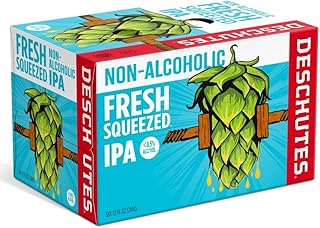
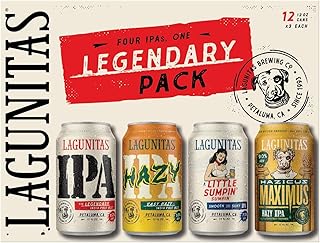
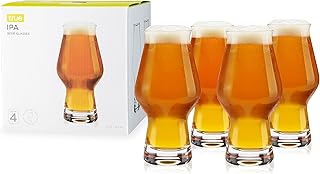


Bitterness Level: The high bitterness in IPA beers can affect taste perception and may influence how the beer is consumed
The high bitterness in IPA beers, primarily derived from hops, can significantly impact taste perception. This bitterness is measured in International Bitterness Units (IBUs), with IPAs typically ranging from 40 to 70 IBUs, compared to lagers and pilsners which usually fall below 30 IBUs. Such elevated bitterness levels can overwhelm the palate, making it challenging to discern other flavors and aromas in the beer.
This intense bitterness can also influence how the beer is consumed. For instance, some drinkers may prefer to sip IPAs slowly to allow their taste buds to adjust, while others might opt to pair the beer with foods that can balance out the bitterness, such as spicy dishes or rich desserts. Additionally, the high bitterness can contribute to a drying effect in the mouth, which may lead some consumers to drink more water alongside their beer to stay hydrated.
Moreover, the perception of bitterness can vary among individuals due to genetic differences in taste sensitivity. Some people may have a higher tolerance for bitter flavors, while others may find even moderately bitter beers unpalatable. This variability underscores the importance of personal preference in beer consumption and highlights why some individuals may be more affected by the bitterness of IPAs than others.
In summary, the high bitterness level in IPA beers not only shapes taste perception but also dictates the manner in which the beer is enjoyed. From savoring the beer slowly to pairing it with specific foods, consumers often develop strategies to manage and appreciate the intense bitterness. Understanding these dynamics can enhance the overall experience of drinking IPAs and help beer enthusiasts navigate the diverse world of craft beers.
Exploring the Rich Diversity of Beer Styles: A Comprehensive Guide
You may want to see also
Explore related products


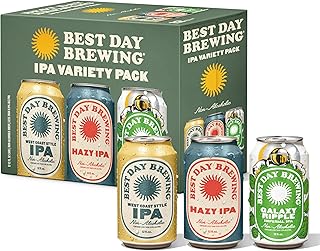
Calorie Count: IPA beers often have more calories, which can contribute to weight gain if consumed excessively
IPA beers, known for their rich flavors and higher alcohol content, also tend to have a higher calorie count compared to other types of beers. This is primarily due to the increased malt content used in the brewing process to balance the bitterness from the hops. For individuals who are mindful of their calorie intake, this can be a significant consideration when choosing their beverage.
On average, a standard IPA can range from 200 to 300 calories per 12-ounce serving, which is notably higher than lighter beers such as lagers or pilsners that typically fall in the 100 to 150-calorie range. This difference can add up quickly, especially during social gatherings or when consumed in larger quantities.
The higher calorie content in IPAs can contribute to weight gain if not managed properly. Consuming excessive calories without balancing them with physical activity can lead to an increase in body fat. It's essential for individuals who enjoy IPAs to be aware of this and to moderate their consumption accordingly.
One strategy for those who wish to enjoy IPAs without significantly impacting their calorie intake is to opt for lower-calorie variations. Some breweries offer "light" or "session" IPAs that have fewer calories while still providing the hoppy flavor profile that IPA enthusiasts enjoy. Additionally, mindful drinking practices, such as savoring each sip and drinking water between beers, can help reduce overall calorie consumption.
In conclusion, while IPAs are beloved for their complex flavors, their higher calorie count is a factor that should not be overlooked. By being aware of this and making informed choices, individuals can continue to enjoy their favorite IPAs while maintaining a balanced diet and lifestyle.
Exploring the Flavorful Divide: Ale vs. Beer Unveiled
You may want to see also
Explore related products


Potential Health Benefits: Some studies suggest that moderate IPA beer consumption may offer health benefits due to antioxidants found in hops
Recent research has uncovered potential health benefits associated with moderate consumption of IPA beer, primarily due to the antioxidants found in hops. These antioxidants, known as flavonoids, have been linked to various health advantages, including reduced inflammation and improved heart health. Studies suggest that the polyphenols in hops may help to lower the risk of chronic diseases such as cardiovascular disease and certain types of cancer.
One of the key antioxidants in hops is called humulone, which has been shown to have anti-inflammatory properties. This could be beneficial for individuals with conditions such as arthritis or other inflammatory diseases. Additionally, the antioxidants in IPA beer may help to improve blood vessel function, which is crucial for maintaining a healthy cardiovascular system.
It is important to note that these potential health benefits are associated with moderate consumption of IPA beer, defined as one drink per day for women and up to two drinks per day for men. Excessive alcohol consumption can negate these benefits and lead to numerous health problems. Furthermore, individuals should always consult with their healthcare provider before making any significant changes to their diet or lifestyle.
In conclusion, while more research is needed to fully understand the potential health benefits of IPA beer, the antioxidants found in hops show promise in promoting overall health and well-being when consumed in moderation.
Exploring the Distinctions: Beer vs. Lager
You may want to see also
Frequently asked questions
Yes, the effects of IPA beer can vary from person to person based on factors such as individual tolerance, body weight, and metabolism. Some people may feel the effects more strongly or experience them for a longer duration than others.
The alcohol content in IPA beer, which is typically higher than in other beer types, can lead to stronger effects such as increased intoxication, impaired judgment, and coordination issues. It's important to consume IPA beer responsibly and in moderation.
Some studies suggest that moderate consumption of IPA beer, like other types of beer, may have potential health benefits such as reduced risk of heart disease and improved bone density. However, it's crucial to note that excessive alcohol consumption can negate these benefits and lead to various health issues.