Arabella Franco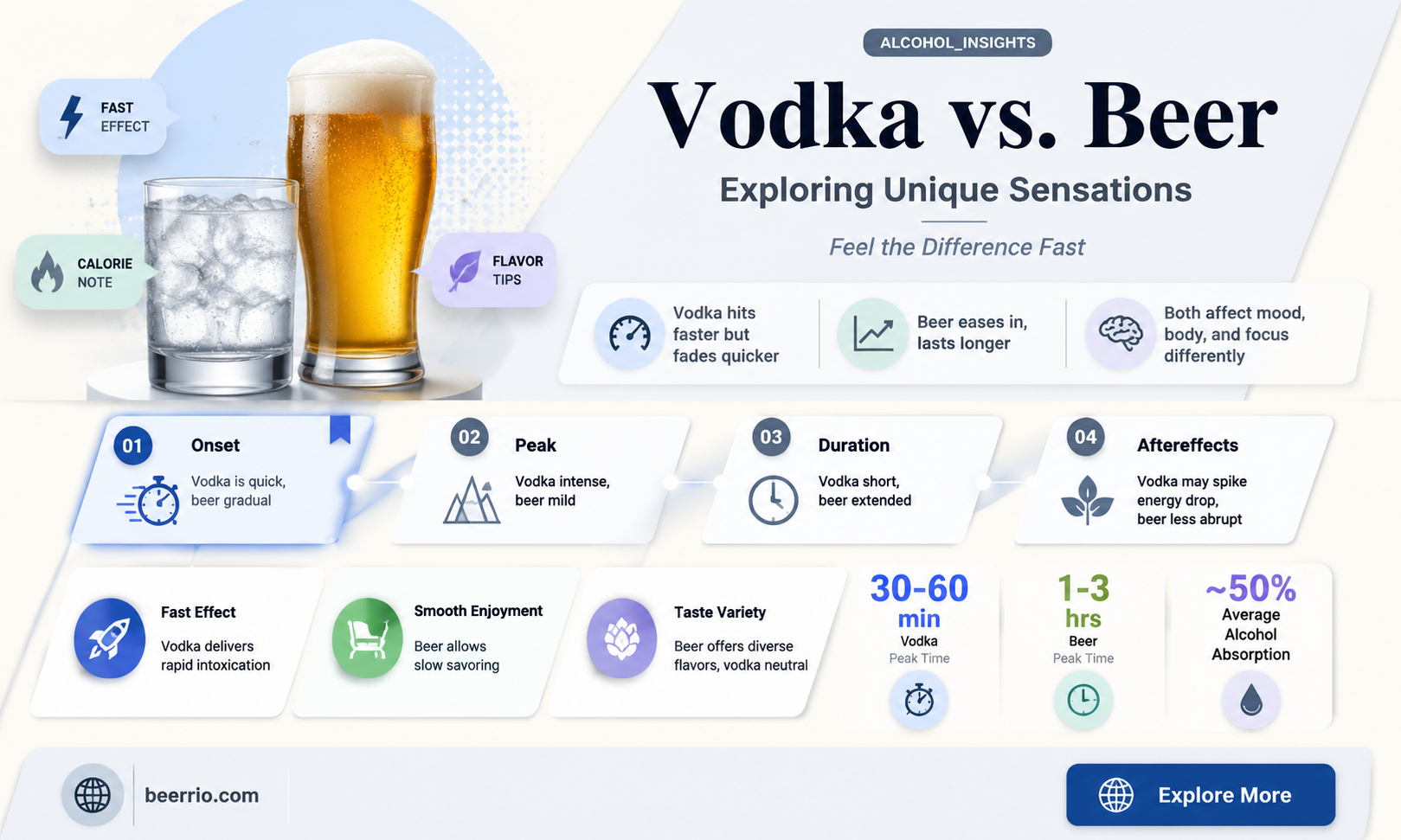
The question of whether vodka drunk feels different from beer drunk is a common one among those who consume alcohol. While both beverages contain ethanol, the experience of intoxication can vary significantly depending on several factors. Vodka, being a distilled spirit, typically has a higher alcohol content than beer, which can lead to a more intense and rapid onset of intoxication. Additionally, the way in which vodka is consumed (often in shots or mixed drinks) can contribute to a different drinking experience compared to the slower sipping of beer. Furthermore, individual tolerance, body composition, and the presence of food in the stomach can all influence how alcohol affects a person. In this paragraph, we will explore these differences in more detail to provide a comprehensive understanding of the distinct experiences associated with vodka and beer consumption.
Explore related products




What You'll Learn
- Alcohol Content: Vodka typically has a higher alcohol content than beer, leading to a different intoxication experience
- Ingredients: Beer contains grains and hops, while vodka is made from potatoes or grains, affecting the taste and body response
- Metabolism: The body metabolizes vodka and beer differently due to their distinct compositions, influencing the duration and intensity of the buzz
- Cultural Associations: Vodka is often associated with stronger, more intense drinking experiences, while beer is commonly linked to casual, social drinking
- Individual Tolerance: Personal tolerance to different types of alcohol can vary, making the experience of drinking vodka feel different from beer for some individuals

Alcohol Content: Vodka typically has a higher alcohol content than beer, leading to a different intoxication experience
Vodka's higher alcohol content compared to beer significantly influences the intoxication experience. Typically, vodka contains around 40% alcohol by volume (ABV), whereas beer usually has an ABV ranging from 4% to 6%. This stark difference means that consuming an equivalent volume of vodka will result in a much higher blood alcohol concentration (BAC) than drinking the same amount of beer. Consequently, the effects of vodka intoxication tend to be more pronounced and can include a rapid onset of euphoria, impaired judgment, and decreased motor coordination.
The difference in alcohol content also affects the duration of intoxication. Vodka's higher ABV leads to a quicker peak BAC, followed by a more rapid decline as the body metabolizes the alcohol. In contrast, beer's lower alcohol content results in a slower rise and fall of BAC levels, potentially leading to a longer period of intoxication. This can influence the overall experience, with vodka drinkers often feeling the effects more intensely but for a shorter duration, while beer drinkers may experience a more prolonged but less intense intoxication.
Another factor to consider is the method of consumption. Vodka is often consumed in shots or mixed drinks, which can lead to a more rapid intake of alcohol compared to the slower sipping typically associated with beer. This rapid consumption can further exacerbate the differences in intoxication experience, as the body has less time to metabolize the alcohol before more is ingested.
In terms of practical implications, understanding these differences is crucial for responsible drinking. Knowing that vodka will lead to a higher BAC more quickly than beer can help individuals make informed decisions about their alcohol consumption and avoid overindulgence. Additionally, being aware of the distinct intoxication profiles of different alcoholic beverages can aid in recognizing the signs of intoxication in oneself and others, promoting safer drinking practices and reducing the risk of alcohol-related harm.
Exploring the Distinctions: Beer vs. Lager
You may want to see also
Explore related products



Ingredients: Beer contains grains and hops, while vodka is made from potatoes or grains, affecting the taste and body response
The fundamental difference in the ingredients used to produce beer and vodka significantly impacts not only their taste profiles but also how they are metabolized by the body. Beer is primarily made from grains such as barley, wheat, or rye, and it is flavored with hops, which contribute to its characteristic bitterness. These ingredients result in a beverage that is typically consumed in larger quantities due to its lower alcohol content, usually ranging from 4% to 6% ABV.
On the other hand, vodka is distilled from potatoes or grains like wheat, barley, or rye. The distillation process removes most of the flavor compounds, resulting in a nearly tasteless and odorless spirit with a higher alcohol content, typically around 40% ABV. This higher concentration of alcohol means that vodka is usually consumed in smaller quantities compared to beer.
The body's response to these two types of alcohol can vary. The carbohydrates and fiber present in beer may slow down the absorption of alcohol into the bloodstream, potentially leading to a more gradual onset of intoxication. Additionally, the hops in beer contain compounds that may have a calming effect on the body.
In contrast, the lack of carbohydrates and fiber in vodka means that it is absorbed more quickly into the bloodstream, leading to a faster onset of intoxication. The higher alcohol content also means that the effects of vodka can be more pronounced and may last longer than those of beer.
It is important to note that individual tolerance and metabolism play a significant role in how alcohol affects a person. Factors such as body weight, liver function, and the presence of food in the stomach can all influence the rate at which alcohol is absorbed and metabolized. Therefore, while the ingredients and production methods of beer and vodka can provide some general insights into their effects, personal experience and responsible consumption are key to understanding how these beverages impact an individual.
Exploring the Rich Flavors: Porter vs. Stout Beer Comparison
You may want to see also
Explore related products




Metabolism: The body metabolizes vodka and beer differently due to their distinct compositions, influencing the duration and intensity of the buzz
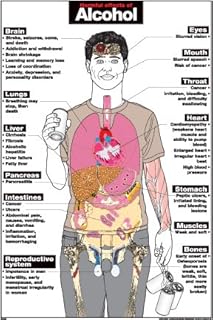
Vodka and beer, two popular alcoholic beverages, undergo distinct metabolic pathways in the body, leading to varying effects on the duration and intensity of intoxication. Vodka, being a distilled spirit, is primarily composed of ethanol and water, with minimal congeners—impurities that contribute to the flavor and aroma of the drink. On the other hand, beer is a fermented beverage made from grains, hops, yeast, and water, containing a variety of congeners and carbohydrates.
The body metabolizes vodka and beer differently due to their unique compositions. Vodka's high ethanol content is rapidly absorbed into the bloodstream, leading to a quick onset of intoxication. The liver metabolizes ethanol into acetaldehyde, which is then converted into acetate and eventually excreted as carbon dioxide and water. This process is relatively straightforward and efficient, resulting in a more predictable and consistent buzz.
In contrast, beer's complex composition, including carbohydrates and congeners, slows down the absorption of ethanol into the bloodstream. The presence of carbohydrates in beer can delay the onset of intoxication by providing the body with an alternative energy source, thereby reducing the immediate impact of ethanol. Additionally, congeners in beer can influence the metabolism of ethanol, potentially leading to a longer duration of intoxication and a more intense hangover.
The duration and intensity of the buzz from vodka and beer are also influenced by factors such as the individual's body weight, metabolism, and tolerance to alcohol. Generally, vodka's effects are felt more quickly and intensely due to its higher ethanol content and lack of congeners, while beer's effects are more gradual and prolonged due to its complex composition.
In conclusion, the body's metabolism of vodka and beer is influenced by their distinct compositions, leading to differences in the duration and intensity of intoxication. Vodka's high ethanol content and minimal congeners result in a rapid onset and predictable buzz, while beer's carbohydrates and congeners slow down ethanol absorption, leading to a more gradual and prolonged intoxication. Understanding these metabolic differences can help individuals make informed choices about their alcohol consumption and better manage the effects of intoxication.
Exploring the Fizzy World: Carbon Dioxide Content in Various Beers
You may want to see also
Explore related products


Cultural Associations: Vodka is often associated with stronger, more intense drinking experiences, while beer is commonly linked to casual, social drinking
Vodka's cultural associations with intense drinking experiences stem from its historical roots in Eastern Europe, where it has long been a staple in social gatherings and celebrations. The drink's versatility in cocktails and its relatively neutral flavor profile have contributed to its reputation as a go-to spirit for those seeking a strong, yet adaptable beverage. This perception is further reinforced by vodka's high alcohol content, which can lead to a more rapid onset of intoxication compared to beer.
On the other hand, beer's association with casual, social drinking is deeply ingrained in many Western cultures. The beverage has been a cornerstone of social events, from backyard barbecues to sporting events, for centuries. Beer's lower alcohol content and variety of flavors and styles make it a more approachable and sessionable drink, encouraging moderate consumption and social interaction.
These cultural associations have a significant impact on how individuals perceive and consume these beverages. For instance, someone may choose vodka for a night out with friends, expecting a more intense and potentially wild experience. In contrast, they might opt for beer for a relaxed evening at home or a casual meetup, anticipating a more laid-back and sociable atmosphere.
It's important to note that these associations are not universal and can vary greatly across different cultures and regions. In some parts of the world, vodka may be seen as a more casual drink, while in others, beer might be associated with more intense drinking experiences.
Ultimately, the cultural associations surrounding vodka and beer play a crucial role in shaping our perceptions of these beverages and influencing our drinking habits. By understanding these associations, we can better appreciate the complex relationship between alcohol consumption and cultural context.
Exploring the Unique Effects of IPA Beer: A Comprehensive Guide
You may want to see also
Explore related products




Individual Tolerance: Personal tolerance to different types of alcohol can vary, making the experience of drinking vodka feel different from beer for some individuals
Individual tolerance to alcohol is a complex interplay of genetics, metabolism, and personal history with drinking. This means that the same amount of alcohol can affect different people in vastly different ways. For some, vodka may produce a more intense and immediate buzz due to its higher alcohol content and lack of congeners, which are byproducts of fermentation that can influence how the body processes alcohol. In contrast, beer, with its lower alcohol content and presence of congeners, might result in a more gradual onset of intoxication and potentially a different subjective experience.
Several factors contribute to these individual differences in alcohol tolerance. Genetic variations in enzymes responsible for alcohol metabolism, such as alcohol dehydrogenase (ADH) and aldehyde dehydrogenase (ALDH), can significantly impact how quickly and efficiently the body breaks down alcohol. Additionally, regular drinkers may develop a tolerance over time, requiring more alcohol to achieve the same effects. This tolerance can be specific to the type of alcohol consumed, which is why some people might feel differently when drinking vodka compared to beer.
Age, weight, and overall health also play crucial roles in determining alcohol tolerance. Younger individuals and those with lower body weight tend to have a lower tolerance due to less developed metabolic systems and a higher concentration of alcohol in their bloodstream. Furthermore, certain medications and health conditions can affect how the body processes alcohol, leading to increased sensitivity or tolerance.
Understanding individual tolerance is essential for responsible drinking. It allows people to gauge their limits accurately and avoid overconsumption, which can lead to adverse health effects and impaired judgment. By recognizing how different types of alcohol affect them personally, individuals can make informed choices about their drinking habits and minimize risks associated with alcohol consumption.
In conclusion, personal tolerance to alcohol is a multifaceted issue influenced by a variety of biological and environmental factors. This tolerance can vary significantly between different types of alcohol, such as vodka and beer, leading to distinct experiences of intoxication. By considering these individual differences, people can approach alcohol consumption more responsibly and safely.
Exploring EBC's Beer Shipping: A Guide to Interstate Delivery
You may want to see also
Frequently asked questions
Yes, the sensation of being drunk from vodka can feel different from being drunk from beer. Vodka is a distilled spirit with a higher alcohol content, typically around 40% ABV, compared to beer, which usually ranges from 4% to 6% ABV. This difference in alcohol concentration can lead to a more intense and rapid onset of intoxication with vodka. Additionally, the absence of carbonation in vodka may result in a smoother drinking experience, potentially making it easier to consume more alcohol without feeling full. However, individual tolerance and the speed of consumption also play significant roles in how intoxication is experienced.
The body processes vodka and beer differently due to their distinct compositions and alcohol contents. Vodka, being a distilled spirit, is primarily composed of ethanol and water, with minimal congeners (impurities). This simplicity means that vodka is metabolized more quickly and cleanly by the liver, often resulting in fewer hangover symptoms compared to beer. Beer, on the other hand, contains a variety of congeners, including histamines, tannins, and sulfites, which can contribute to more severe hangovers. Additionally, the carbonation in beer can lead to bloating and discomfort. The higher alcohol content in vodka also means that it can lead to faster intoxication if consumed in large quantities.
The long-term effects of drinking vodka versus beer can differ due to their varying alcohol contents and congeners. Chronic consumption of high-proof spirits like vodka can lead to more severe health issues, including liver damage, cardiovascular problems, and neurological impairment, due to the higher levels of alcohol ingested. Beer, with its lower alcohol content, may pose less risk when consumed in moderation. However, the congeners present in beer can still contribute to health problems over time, particularly if consumed excessively. It's important to note that responsible drinking practices, such as moderation and knowing one's limits, can help mitigate the long-term risks associated with alcohol consumption, regardless of the type of beverage.