Jason Wagner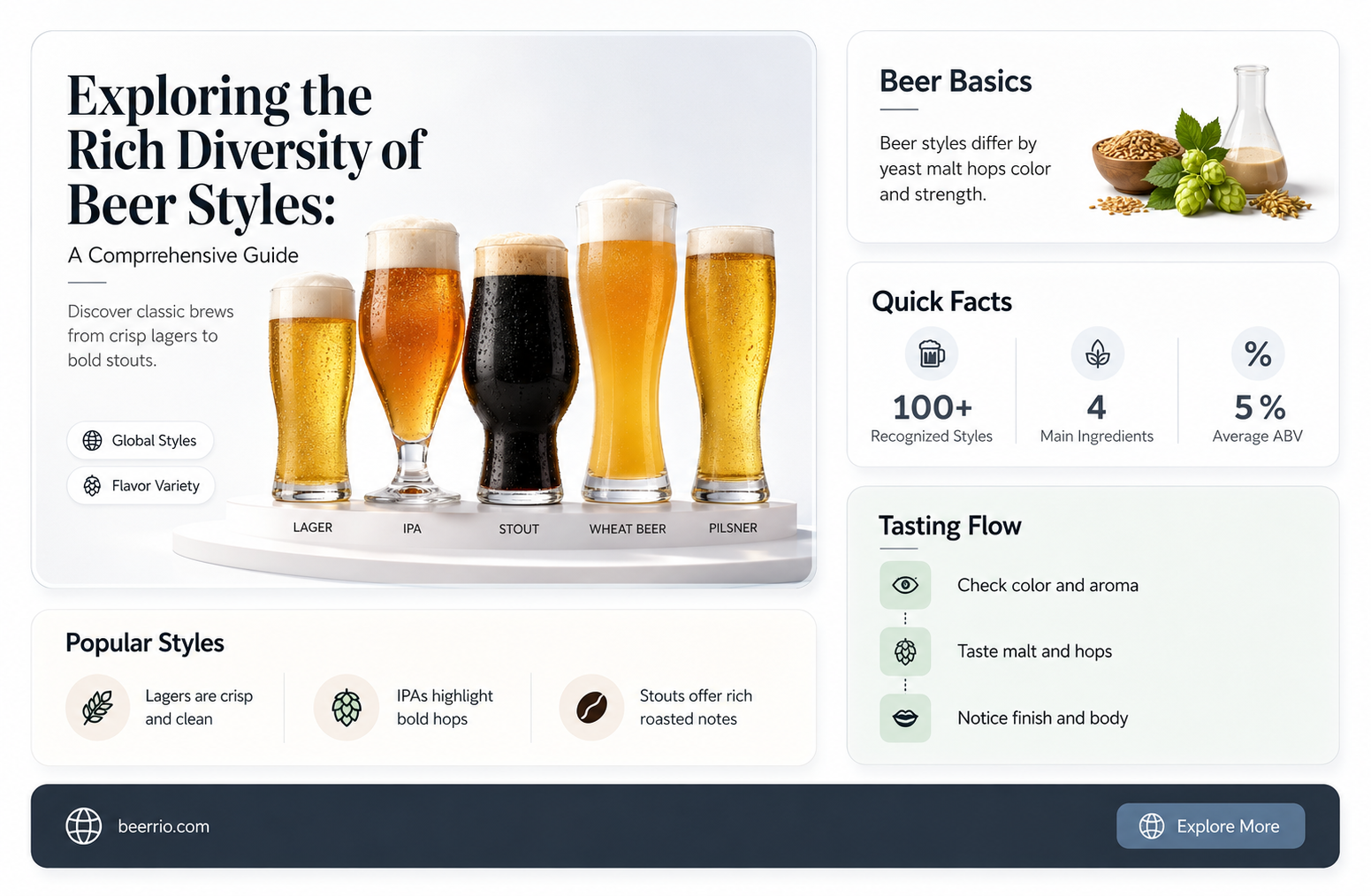
Beer, a beloved beverage with a rich history, comes in a multitude of styles that cater to diverse palates. From light and crisp lagers to dark and robust stouts, the world of beer offers an array of flavors, aromas, and textures. Understanding the different styles of beer can enhance one's appreciation and enjoyment of this popular drink. In this exploration, we delve into the characteristics that define various beer styles, their origins, and the brewing techniques that give each its unique profile.
Explore related products


What You'll Learn
- Lagers: Light, crisp, and refreshing beers with a clean finish, often golden in color
- Ales: Fuller-bodied, more flavorful beers with a higher alcohol content, often amber or darker
- IPAs (India Pale Ales): Hoppy, bitter beers with a strong aroma, typically higher in alcohol
- Stouts and Porters: Dark, rich beers with flavors of coffee, chocolate, and caramel, often creamy
- Sours and Lambics: Tart, acidic beers with fruity and funky flavors, often lower in alcohol

Lagers: Light, crisp, and refreshing beers with a clean finish, often golden in color
Lagers are a type of beer that is known for its light, crisp, and refreshing taste. They are typically golden in color and have a clean finish, making them a popular choice for many beer drinkers. Lagers are brewed using a bottom-fermenting yeast, which means that the yeast settles at the bottom of the fermentation tank during the brewing process. This results in a beer that is clear and has a smooth, clean taste.
One of the key characteristics of lagers is their light color. This is achieved by using a combination of pale malts and a brewing process that minimizes the amount of caramelization that occurs during the brewing process. The result is a beer that is typically golden in color, although some lagers can be slightly darker or lighter depending on the specific brewing process and ingredients used.
In terms of flavor, lagers are known for their crisp and refreshing taste. This is achieved by using a combination of hops and malts that provide a balance of bitterness and sweetness. The brewing process also plays a role in the flavor of lagers, as the cold fermentation temperature helps to preserve the delicate flavors of the hops and malts.
Lagers are a versatile type of beer that can be enjoyed in a variety of settings. They are often served cold and are a popular choice for outdoor activities, such as picnics and barbecues. Lagers can also be paired with a variety of foods, including seafood, poultry, and light salads.
Overall, lagers are a popular type of beer that is known for its light, crisp, and refreshing taste. They are typically golden in color and have a clean finish, making them a great choice for many beer drinkers. Whether you are looking for a beer to enjoy on a hot summer day or a beer to pair with your favorite meal, lagers are a great option to consider.
Exploring the Crisp Distinctions Between Pilsner and Lager Beers
You may want to see also
Explore related products




Ales: Fuller-bodied, more flavorful beers with a higher alcohol content, often amber or darker
Ales are a type of beer that is known for its rich, full-bodied flavor and higher alcohol content. They are typically amber or darker in color, which is a result of the roasting process used to create the malt. This process not only gives ales their distinctive color but also contributes to their complex flavor profile, which can include notes of caramel, chocolate, and fruit.
One of the key characteristics of ales is their brewing process. Unlike lagers, which are fermented at low temperatures, ales are fermented at higher temperatures, usually between 60-70°F (15-21°C). This results in a faster fermentation process and a beer that is ready to drink sooner. However, the higher fermentation temperature also means that ales are more susceptible to spoilage and require careful handling and storage.
Ales come in a variety of styles, each with its own unique characteristics. Some popular styles of ale include India Pale Ale (IPA), which is known for its hoppy flavor and higher alcohol content, and Stout, which is a dark, rich beer with notes of coffee and chocolate. Other styles include Porter, Pale Ale, and Belgian Ale, each with its own distinct flavor profile and brewing techniques.
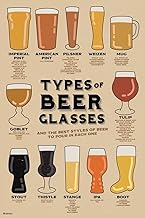
When it comes to serving ales, it's important to consider the specific style and its ideal serving temperature. For example, IPAs are best served cold, while Stouts and Porters are better enjoyed at room temperature. Ales are also often served in specific types of glassware, which can enhance their flavor and aroma. For instance, a tulip glass is ideal for Belgian Ales, while a pint glass is suitable for IPAs.
In terms of food pairings, ales can be quite versatile. The rich, full-bodied flavor of ales makes them a great match for hearty dishes like stews and roasts. They can also complement spicy foods, as the maltiness can help to balance out the heat. For dessert, ales can be paired with chocolate or caramel-based dishes, which can bring out the sweetness in the beer.
Overall, ales are a diverse and flavorful type of beer that offer a range of styles and flavors to suit different tastes. Whether you're a fan of hoppy IPAs or rich Stouts, there's an ale out there for everyone.
Exploring the Distinctive Flavors: Ale vs. Lager Beer
You may want to see also
Explore related products




IPAs (India Pale Ales): Hoppy, bitter beers with a strong aroma, typically higher in alcohol
India Pale Ales, commonly known as IPAs, are a distinctive style of beer celebrated for their bold hop flavors and aromas. Originating in England in the 18th century, IPAs were initially brewed with extra hops to preserve the beer during long sea voyages to India, hence the name. Today, IPAs are revered for their complex and often intense flavor profiles, which can range from citrusy and piney to floral and fruity.
One of the defining characteristics of IPAs is their bitterness, which is achieved through the addition of hops during various stages of the brewing process. This bitterness not only balances the sweetness of the malt but also contributes to the beer's overall complexity. IPAs typically have a higher alcohol content compared to other beer styles, often ranging from 6% to 8% ABV, although some variations can be even stronger.
There are several subcategories within the IPA style, each with its own unique twist. For instance, American IPAs tend to be more citrus-forward and assertive in their hop character, while English IPAs are generally more balanced and earthy. New England IPAs, also known as hazy IPAs, are known for their juicy, fruit-like flavors and cloudy appearance. These variations reflect the creativity and experimentation of brewers around the world, who continue to push the boundaries of what an IPA can be.
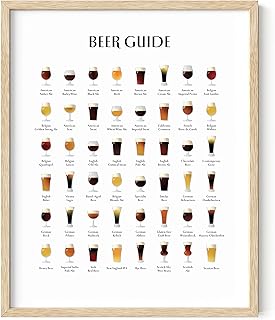
When it comes to serving IPAs, the choice of glassware can significantly enhance the drinking experience. A tulip-shaped glass or a snifter is ideal, as these shapes help to concentrate the beer's aromas and maintain a frothy head. The optimal serving temperature for IPAs is typically between 45°F and 55°F (7°C and 13°C), which allows the flavors to be fully appreciated without being overpowering.
In terms of food pairings, IPAs can be quite versatile. Their bold flavors can stand up to rich, savory dishes such as burgers, steaks, and spicy cuisine. They can also complement lighter fare like salads and seafood, especially when the hop profile is more citrusy or floral. For dessert, IPAs can pair well with chocolate or caramel-based sweets, as the bitterness of the beer can balance the sweetness of the dessert.
In conclusion, IPAs are a fascinating and diverse style of beer that offers something for every palate. Whether you prefer a classic, balanced IPA or a more experimental, hazy variation, there's an IPA out there waiting to be discovered. So next time you're at a bar or brewery, don't hesitate to ask for an IPA and experience the rich, hoppy flavors that this beloved beer style has to offer.
Exploring the Flavorful Divide: Ale vs. Beer Unveiled
You may want to see also
Explore related products



Stouts and Porters: Dark, rich beers with flavors of coffee, chocolate, and caramel, often creamy
Stouts and porters are a category of dark beers known for their rich, complex flavors and creamy textures. These beers are characterized by their deep, roasted malt flavors, which often evoke notes of coffee, chocolate, and caramel. The brewing process for stouts and porters typically involves the use of darker malts, such as roasted barley, chocolate malt, and caramel malt, which contribute to their distinctive color and flavor profile.
One of the key differences between stouts and porters is the level of bitterness. Stouts tend to have a lower bitterness level, with the roasted malt flavors taking center stage. Porters, on the other hand, often have a slightly higher bitterness level, which helps to balance out the sweetness of the malt. Another difference is the body and texture of the beers. Stouts are generally fuller-bodied and creamier, while porters tend to be slightly lighter and more balanced.
Within the stout and porter category, there are several sub-styles, each with its own unique characteristics. For example, an imperial stout is a stronger, more robust version of a stout, with a higher alcohol content and more intense flavors. A milk stout, on the other hand, is a sweeter, creamier stout that is often flavored with lactose. Similarly, a porter can range from a light, sessionable beer to a stronger, more complex version known as a Baltic porter.
When it comes to pairing stouts and porters with food, their rich, roasted flavors make them an excellent match for hearty, savory dishes. They pair particularly well with red meats, such as steak or lamb, as well as with rich, creamy desserts like chocolate cake or cheesecake. The creamy texture of stouts also makes them a great choice for beer floats, especially when combined with vanilla ice cream.
In terms of serving stouts and porters, they are best enjoyed at a slightly warmer temperature than lighter beers, typically between 50-55°F (10-13°C). This allows the complex flavors to fully develop and the creamy texture to shine. When pouring a stout or porter, it's important to pour it gently to avoid disturbing the beer's delicate head and releasing too much of its aromatic compounds.
Overall, stouts and porters are a fascinating category of beers that offer a wide range of flavors and textures. Whether you prefer a rich, creamy stout or a balanced, slightly bitter porter, there's a beer in this category to suit every palate.
Exploring the Rich Flavors: Porter vs. Stout Beer Comparison
You may want to see also
Explore related products


Sours and Lambics: Tart, acidic beers with fruity and funky flavors, often lower in alcohol
Sours and Lambics are a fascinating category of beers known for their tart and acidic profiles, often accompanied by fruity and funky flavors. These beers typically have a lower alcohol content compared to other styles, making them a popular choice for those seeking a refreshing and flavorful beverage without the high ABV.
One of the key characteristics of Sours and Lambics is their brewing process, which involves the use of wild yeast and bacteria to ferment the beer. This method, known as spontaneous fermentation, results in the distinctive sour and funky flavors that these beers are famous for. The use of fruit in the brewing process is also common, adding additional layers of complexity and flavor to the beer.
There are several sub-styles within the Sours and Lambics category, each with its own unique characteristics. For example, Berliner Weisse is a tart and refreshing wheat beer that is often flavored with fruit syrups, while Flanders Red Ale is a deep red beer with a complex blend of fruity, sour, and earthy flavors. Lambics, on the other hand, are typically unfiltered and unpasteurized, giving them a cloudy appearance and a more intense flavor profile.
When it comes to serving Sours and Lambics, it's important to consider the specific characteristics of each beer. These beers are often best enjoyed at cooler temperatures, which helps to accentuate their tart and fruity flavors. Additionally, the use of appropriate glassware can enhance the overall drinking experience, with tulip-shaped glasses being a popular choice for many Sours and Lambics.
In terms of food pairings, Sours and Lambics can be quite versatile. Their tart and acidic flavors can cut through rich and fatty foods, making them an excellent choice for pairing with dishes like cheese, charcuterie, and seafood. Additionally, the fruity flavors in many Sours and Lambics can complement desserts and other sweet dishes, making them a great option for a wide range of culinary experiences.
Overall, Sours and Lambics are a unique and flavorful category of beers that offer a refreshing alternative to more traditional styles. With their tart, acidic profiles and fruity, funky flavors, these beers are a great choice for those looking to explore new and exciting flavors in the world of craft beer.
Exploring the Distinctions: Beer vs. Lager
You may want to see also
Frequently asked questions
The main types of beer styles include lagers, ales, stouts, and IPAs (India Pale Ales). Each type has its own unique brewing process and flavor profile.
Lagers are brewed using a bottom-fermenting yeast at cooler temperatures, which results in a cleaner, crisper taste. Ales, on the other hand, are brewed with top-fermenting yeast at warmer temperatures, leading to a more complex and fruity flavor profile.
Stouts and porters are characterized by their dark color and rich, roasted flavors. They are typically brewed with a higher proportion of roasted malts, which gives them their distinctive taste and appearance.