Oisin Foster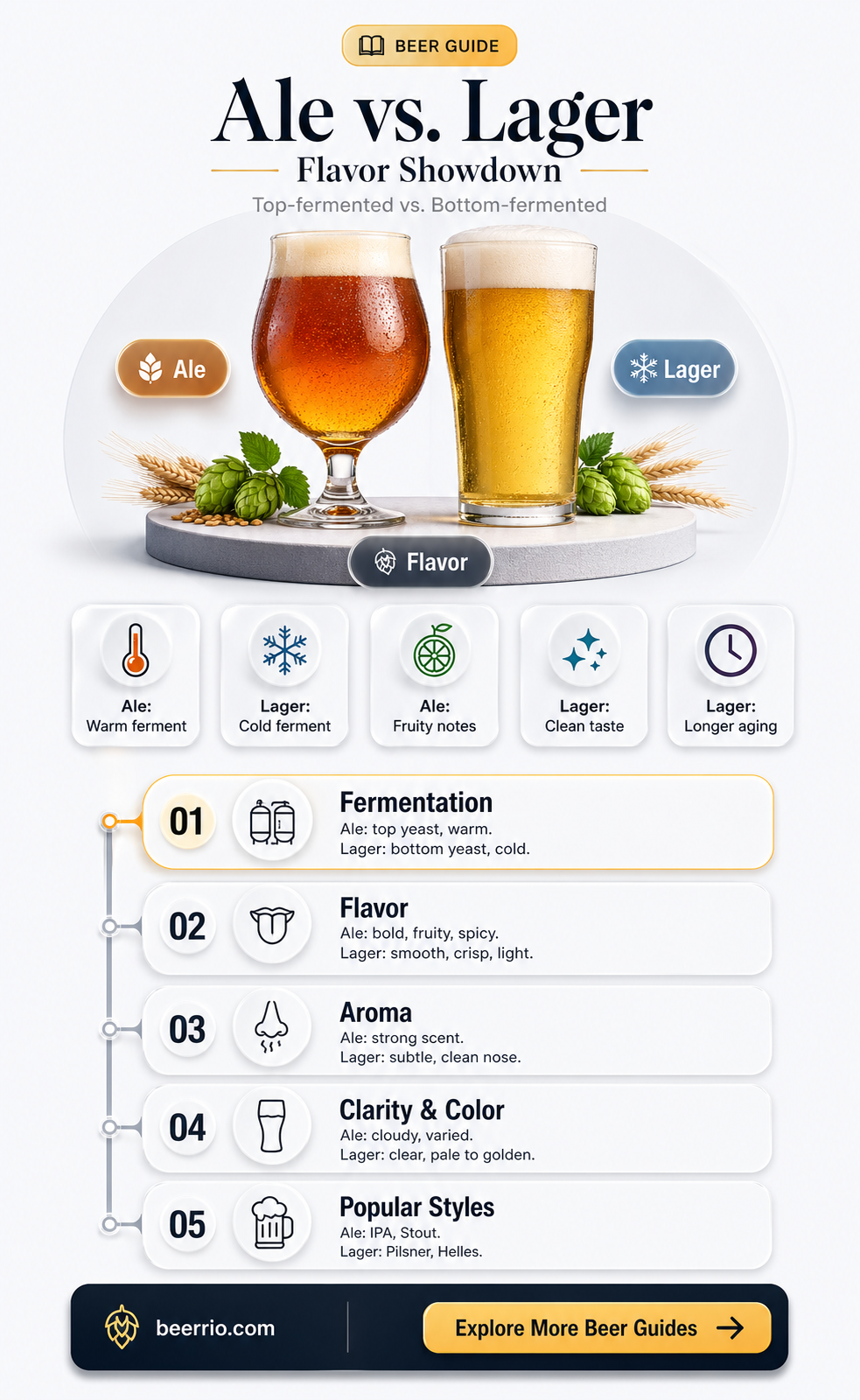
Ale and lager are two distinct types of beer that differ primarily in their brewing processes and yeast strains. Ales are typically brewed using warm fermentation, where yeast ferments the sugars in the wort at higher temperatures, resulting in a richer, more complex flavor profile with fruity and floral notes. Lagers, on the other hand, undergo cold fermentation, which leads to a cleaner, crisper taste with fewer esters and a smoother finish. The choice between ale and lager often comes down to personal preference, with some beer enthusiasts favoring the bold flavors of ales and others preferring the refreshing qualities of lagers. Understanding the differences between these two beer styles can enhance one's appreciation for the diverse world of brewing.
| Characteristics | Values |
|---|---|
| Brewing Process | Ale: Fermented at warmer temperatures (60-75°F) with top-fermenting yeast. Lager: Fermented at cooler temperatures (45-55°F) with bottom-fermenting yeast. |
| Yeast Type | Ale: Top-fermenting (Saccharomyces cerevisiae). Lager: Bottom-fermenting (Saccharomyces pastorianus). |
| Fermentation Time | Ale: Typically 1-2 weeks. Lager: Typically 2-4 weeks. |
| Aging Process | Ale: Usually not aged. Lager: Aged for several weeks to months at cold temperatures. |
| Flavor Profile | Ale: Fruity, floral, and often bitter. Lager: Clean, crisp, and sometimes malty. |
| Alcohol Content | Ale: Generally 4-6% ABV. Lager: Generally 4-5% ABV. |
| Color | Ale: Ranges from pale gold to deep amber. Lager: Ranges from pale gold to dark brown. |
| Clarity | Ale: Often hazy or cloudy. Lager: Usually clear and bright. |
| Carbonation | Ale: Moderate to high. Lager: High. |
| Body | Ale: Light to full-bodied. Lager: Light to medium-bodied. |
| Bitterness | Ale: Moderate to high. Lager: Low to moderate. |
| Maltiness | Ale: Low to moderate. Lager: Moderate to high. |
| Hoppiness | Ale: Moderate to high. Lager: Low to moderate. |
| Examples | Ale: IPA, Pale Ale, Stout. Lager: Pilsner, Helles, Bock. |
| Regions | Ale: Popular in the UK, US, and Belgium. Lager: Popular in Germany, Czech Republic, and Poland. |
| Serving Temperature | Ale: 50-55°F. Lager: 45-50°F. |
| Glassware | Ale: Varies by style, often a pint glass. Lager: Varies by style, often a tall pilsner glass. |
Explore related products




What You'll Learn
- Fermentation Process: Ales ferment at warmer temperatures with top-fermenting yeast, while lagers use bottom-fermenting yeast at cooler temperatures
- Flavor Profile: Ales typically have a more robust, fruity, and bitter taste, whereas lagers are known for their clean, crisp, and refreshing flavor
- Alcohol Content: Generally, ales have a higher alcohol by volume (ABV) than lagers, but this can vary widely depending on the specific type of beer
- Color and Clarity: Ales often have a darker, cloudier appearance due to the presence of wheat and barley, while lagers are usually lighter and clearer
- Popular Types: Examples of ales include IPAs, stouts, and porters, while popular lagers are pilsners, pale lagers, and amber lagers

Fermentation Process: Ales ferment at warmer temperatures with top-fermenting yeast, while lagers use bottom-fermenting yeast at cooler temperatures
The fermentation process is a critical differentiator between ales and lagers. Ales undergo fermentation at warmer temperatures, typically between 60°F to 75°F (15°C to 24°C), utilizing top-fermenting yeast strains. This yeast floats on the surface of the wort during fermentation, which is why it's referred to as "top-fermenting." The warmer temperatures and the specific yeast strains used in ale fermentation contribute to the beer's fruity, estery, and sometimes spicy flavor profile.
In contrast, lagers are fermented at cooler temperatures, generally between 45°F to 55°F (7°C to 13°C), with bottom-fermenting yeast. This yeast sinks to the bottom of the wort during the fermentation process, hence the name "bottom-fermenting." The cooler temperatures and different yeast strains result in a cleaner, crisper taste with fewer esters and a smoother finish. Lagers often have a longer fermentation period compared to ales, which can extend to several weeks or even months, depending on the specific style and brewing process.
The choice of yeast and fermentation temperature not only affects the flavor and aroma of the beer but also influences its clarity and stability. Ales tend to be cloudier due to the yeast remaining in suspension, while lagers are typically clearer because the yeast settles at the bottom and can be removed before bottling. Additionally, the cooler fermentation temperatures of lagers help to reduce the production of esters and other compounds that can contribute to off-flavors and spoilage, making lagers generally more stable and longer-lasting than ales.
Understanding the fermentation process is essential for brewers as it allows them to control and manipulate the characteristics of the final beer. By selecting the appropriate yeast strain and fermentation temperature, brewers can create a wide range of flavors and styles within the ale and lager categories. This knowledge is also valuable for beer enthusiasts, as it provides insight into the complexities and nuances of different beer styles, enhancing their appreciation and enjoyment of the brewing craft.
Exploring the Rich Flavors: Porter vs. Stout Beer Comparison
You may want to see also
Explore related products


Flavor Profile: Ales typically have a more robust, fruity, and bitter taste, whereas lagers are known for their clean, crisp, and refreshing flavor
Ales and lagers, the two primary categories of beer, are distinguished by their unique flavor profiles, which are a result of different brewing processes and ingredients. Ales typically exhibit a more robust, fruity, and bitter taste, characterized by notes of citrus, tropical fruits, and sometimes a hint of caramel or toffee. This complexity is due to the use of ale yeast, which ferments at warmer temperatures and produces a variety of esters and phenols that contribute to the beer's aromatic and flavor characteristics.
In contrast, lagers are known for their clean, crisp, and refreshing flavor. They often have a lighter body and a more subdued bitterness, with flavors that can range from slightly malty to dry and hoppy. The key to lager's distinctive taste lies in the cold fermentation process, which uses lager yeast that works at lower temperatures. This slower fermentation allows for a more controlled and precise flavor development, resulting in a beer that is typically smoother and more balanced.
The difference in flavor profiles between ales and lagers is further accentuated by the types of hops used in each style. Ales often feature more aromatic and bitter hops, such as Cascade, Citra, or Simcoe, which impart bold flavors and aromas. Lagers, on the other hand, tend to use hops that provide a more subtle bitterness and clean finish, like Saaz, Hallertau, or Tettnang.
When comparing ales and lagers, it's important to consider the role of malt in shaping their flavor profiles. Ales can range from light and pale to dark and rich, with malts contributing flavors of bread, toast, chocolate, or coffee. Lagers, while also showcasing a variety of malt flavors, often have a more restrained malt character, allowing the crispness and cleanliness of the fermentation to shine through.
Ultimately, the choice between ale and lager comes down to personal preference and the desired flavor experience. Ales offer a diverse range of tastes and aromas, appealing to those who enjoy bold and complex beers. Lagers, with their refreshing and easy-drinking qualities, are perfect for those who prefer a lighter and more balanced brew.
Exploring the Flavorful Divide: Ale vs. Beer Unveiled
You may want to see also
Explore related products


Alcohol Content: Generally, ales have a higher alcohol by volume (ABV) than lagers, but this can vary widely depending on the specific type of beer
Ales typically boast a higher alcohol by volume (ABV) compared to lagers, a characteristic that can significantly influence the taste and experience of the beer. This higher ABV in ales is a result of the fermentation process, where yeast converts sugars into alcohol and carbon dioxide. Ales are fermented at warmer temperatures, which allows the yeast to produce more alcohol and a wider range of flavors. However, it's crucial to note that this is a general trend and not a hard-and-fast rule. Many modern lagers, especially those crafted by artisanal breweries, can have ABVs that rival or even surpass those of ales.
The variation in ABV between ales and lagers can be quite pronounced, with some ales reaching up to 10% ABV or more, while most lagers tend to fall between 4% and 6% ABV. This difference in alcohol content can affect the body and mouthfeel of the beer, with higher ABVs often contributing to a fuller, more robust taste. Additionally, the higher alcohol content in ales can lead to a more pronounced warming sensation when consumed, which is often appreciated in colder climates or during the winter months.
Despite the general trend of higher ABVs in ales, there is significant overlap between the two categories. Some lagers, particularly those brewed in the traditional German style, can have ABVs that approach or exceed those of many ales. Conversely, some ales, such as session ales or certain types of pale ales, can have ABVs that are comparable to or even lower than those of lagers. This overlap highlights the complexity and diversity of the beer world, where strict categorizations often give way to a more nuanced understanding of the various styles and flavors available.
In conclusion, while it's true that ales generally have a higher ABV than lagers, this is not a universal truth and can vary widely depending on the specific type of beer. The ABV of a beer is just one factor that contributes to its overall character and should be considered alongside other elements such as flavor profile, aroma, and mouthfeel when choosing a beer to enjoy.
Exploring the Distinctions: Beer vs. Lager
You may want to see also
Explore related products


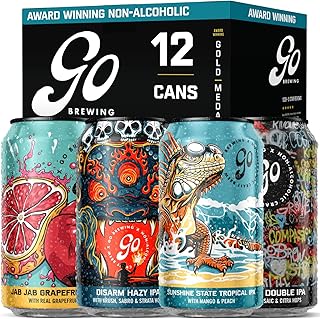
Color and Clarity: Ales often have a darker, cloudier appearance due to the presence of wheat and barley, while lagers are usually lighter and clearer
The visual distinction between ales and lagers is one of the most noticeable differences for beer enthusiasts. Ales often exhibit a darker, cloudier appearance, which can be attributed to the presence of wheat and barley in their composition. These grains contribute not only to the flavor profile but also to the beer's opacity and color depth. The cloudiness in ales is also a result of the yeast used in the fermentation process, which tends to remain suspended in the liquid, adding to the beer's murky appearance.
In contrast, lagers are typically lighter and clearer. This clarity is achieved through a longer fermentation period at lower temperatures, which allows the yeast to settle at the bottom of the tank, resulting in a cleaner, more transparent beer. Additionally, lagers often use a different type of yeast that produces fewer byproducts, contributing to their lighter color and clearer appearance. The use of adjuncts like corn or rice in lager brewing also helps to reduce the beer's opacity and color intensity.
The difference in color and clarity between ales and lagers is not just aesthetic; it also reflects the distinct brewing processes and ingredients used in each type of beer. Ales, with their darker, cloudier appearance, tend to have a more robust, complex flavor profile, while lagers, with their lighter, clearer look, are generally known for their crisp, refreshing taste. Understanding these visual cues can help beer drinkers make informed choices about their preferred style and enhance their overall appreciation of the brewing craft.
Exploring the Crisp Distinctions Between Pilsner and Lager Beers
You may want to see also
Explore related products
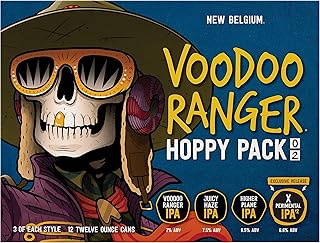



Popular Types: Examples of ales include IPAs, stouts, and porters, while popular lagers are pilsners, pale lagers, and amber lagers
Ales and lagers are the two primary categories of beer, each with its own distinct brewing process and flavor profile. Ales are typically characterized by their fruity, rich, and complex flavors, while lagers are known for their clean, crisp, and refreshing taste. The main difference between the two lies in the fermentation process. Ales are fermented with top-fermenting yeast at warmer temperatures, which contributes to their robust flavors. In contrast, lagers are fermented with bottom-fermenting yeast at cooler temperatures, resulting in a smoother and more delicate taste.
Popular types of ales include India Pale Ales (IPAs), which are known for their hoppy and bitter flavor profile, stouts, which are dark and rich with notes of coffee and chocolate, and porters, which are similar to stouts but slightly lighter in body and flavor. These ales are often enjoyed by beer enthusiasts who appreciate their bold and complex characteristics.
On the other hand, popular types of lagers include pilsners, which are light and golden with a balanced malt and hop flavor, pale lagers, which are slightly darker and maltier than pilsners, and amber lagers, which have a rich amber color and a malty, slightly sweet taste. Lagers are generally more approachable and easy-drinking, making them a popular choice for casual beer drinkers.
When it comes to food pairings, ales and lagers also have different preferences. Ales, with their robust flavors, pair well with hearty and flavorful dishes such as stews, roasts, and strong cheeses. Lagers, on the other hand, are better suited to lighter fare such as salads, seafood, and poultry.
In conclusion, while both ales and lagers are delicious in their own right, they offer distinct experiences for beer drinkers. Ales are perfect for those who enjoy bold and complex flavors, while lagers are ideal for those who prefer a clean and refreshing taste. By understanding the differences between these two types of beer, you can better appreciate the variety and nuances of the brewing world.
Frequently asked questions
The primary difference between ale and lager lies in their fermentation processes. Ales are fermented with warm-temperature yeast, resulting in a richer, more complex flavor profile, while lagers are fermented with cold-temperature yeast, leading to a cleaner, crisper taste.
The brewing temperatures significantly impact the taste of these beers. Ales, brewed at warmer temperatures (typically between 60-75°F), develop more fruity and aromatic flavors due to the yeast's higher metabolic activity. In contrast, lagers, brewed at colder temperatures (usually around 45-55°F), have a slower fermentation process that produces fewer esters, resulting in a smoother and more refreshing taste.
Yes, there are noticeable differences in their appearance. Ales often have a more robust, amber to dark brown color and a fuller, creamier head due to the higher protein content from the yeast. Lagers, on the other hand, tend to be lighter in color, ranging from pale yellow to golden, and have a clearer, more effervescent appearance with a lighter head.