Arabella Franco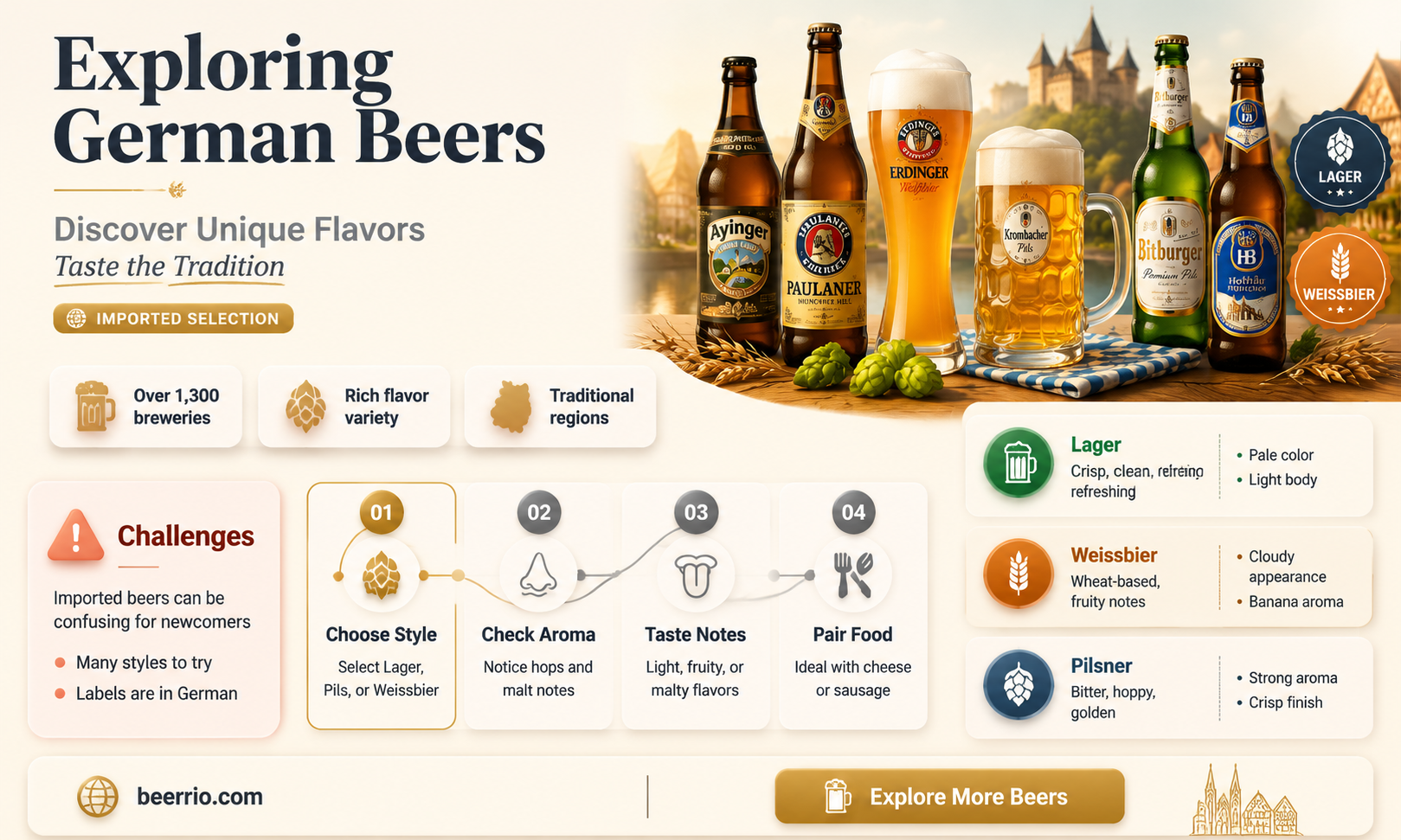
Imported German beers are renowned for their distinct characteristics and adherence to traditional brewing methods. These beers often boast a unique flavor profile, influenced by the specific ingredients and brewing techniques used in Germany. One of the key differences lies in the water quality and mineral content, which can significantly impact the taste and texture of the beer. Additionally, German beers are typically brewed with a focus on balance and subtlety, resulting in a more nuanced and complex flavor experience compared to some other international beers. The brewing process itself, including factors such as fermentation temperature and aging, also contributes to the unique qualities of imported German beers. Overall, these differences combine to create a diverse and sophisticated range of beer styles that are highly prized by beer enthusiasts around the world.
Explore related products


What You'll Learn
- Brewing Techniques: German beers often use traditional brewing methods, such as the Reinheitsgebot, which may differ from other countries
- Ingredients: Imported German beers typically use specific ingredients like German hops, barley, and yeast strains unique to the region
- Flavor Profiles: German beers are known for their distinct flavor profiles, ranging from the crispness of a Pilsner to the richness of a Weissbier
- Alcohol Content: The alcohol by volume (ABV) in German beers can vary, with some styles like Oktoberfest beers having higher ABVs
- Cultural Significance: German beers are deeply rooted in German culture, with festivals like Oktoberfest celebrating these brews

Brewing Techniques: German beers often use traditional brewing methods, such as the Reinheitsgebot, which may differ from other countries
German beers are renowned for their adherence to traditional brewing methods, which significantly contribute to their unique flavors and qualities. One of the most notable of these methods is the Reinheitsgebot, also known as the German Beer Purity Law. Enacted in 1516, this law dictates that only four ingredients can be used in the brewing process: water, barley, hops, and yeast. This strict regulation ensures that German beers maintain a high standard of quality and purity, setting them apart from beers brewed in other countries that may use additional ingredients or additives.
The brewing process for German beers typically involves several key steps. First, the barley is malted, which involves soaking it in water and allowing it to germinate. This process converts the starches in the barley into fermentable sugars. The malted barley is then dried and roasted to develop the desired flavors and aromas. Next, the hops are added during the boiling process to impart bitterness and aroma to the beer. After boiling, the wort (the liquid extracted from the mashing process) is cooled and yeast is added for fermentation. The yeast consumes the sugars in the wort, producing alcohol and carbon dioxide as byproducts. Finally, the beer is conditioned, filtered, and packaged for distribution.
In addition to the Reinheitsgebot, German brewers often employ specific techniques to achieve the characteristic flavors of their beers. For example, many German lagers are brewed using a cold fermentation process, which results in a clean, crisp taste. German wheat beers, on the other hand, are typically brewed with a higher proportion of wheat malt and may include spices such as coriander and cloves. These unique brewing methods and ingredient combinations contribute to the distinct profiles of German beers, making them highly sought after by beer enthusiasts around the world.
The Reinheitsgebot and other traditional German brewing techniques not only ensure the quality and purity of the beer but also play a significant role in preserving the cultural heritage of German brewing. These methods have been passed down through generations of brewers, and their continued use helps to maintain the authenticity and tradition of German beer production. As a result, imported German beers offer consumers a taste of this rich brewing history and the opportunity to experience the unique flavors and qualities that can only be achieved through these time-honored techniques.
Exploring the Distinctive Flavors: Ale vs. Lager Beer
You may want to see also
Explore related products



Ingredients: Imported German beers typically use specific ingredients like German hops, barley, and yeast strains unique to the region
Imported German beers are renowned for their distinct flavor profiles, which are largely attributed to the specific ingredients used in their production. One of the key components that set these beers apart is the use of German hops. Varieties such as Hallertauer, Saaz, and Tettnanger are commonly used, each imparting unique aromas and bitterness levels that are characteristic of German beer styles.
Another crucial ingredient is barley, which is often sourced locally within Germany. The country's climate and soil conditions are particularly conducive to growing high-quality barley, which contributes to the rich, malty flavors found in many German beers. Additionally, the use of traditional German yeast strains plays a significant role in the final taste and texture of the beer. Yeast strains like WEIZEN, LAGER, and ALTBIER are unique to the region and are responsible for the distinctive fermentation characteristics that define various German beer styles.
The combination of these ingredients, along with the adherence to the Reinheitsgebot (the German Beer Purity Law), ensures that imported German beers maintain a high standard of quality and authenticity. This law, which dates back to 1516, mandates that only water, barley, hops, and yeast can be used in the production of beer, thereby preserving the traditional brewing methods and flavor profiles that have been perfected over centuries.
In conclusion, the specific ingredients used in imported German beers, including German hops, barley, and yeast strains, are integral to their unique taste and quality. These components, coupled with the strict regulations of the Reinheitsgebot, ensure that German beers remain a benchmark for brewing excellence around the world.
Exploring the Unique World of Beer Gas Tanks: A Comprehensive Guide
You may want to see also
Explore related products





Flavor Profiles: German beers are known for their distinct flavor profiles, ranging from the crispness of a Pilsner to the richness of a Weissbier
German beers are renowned for their diverse and distinct flavor profiles, which are a testament to the country's rich brewing tradition. The flavor spectrum ranges widely, from the light, crisp, and refreshing taste of a Pilsner to the complex, rich, and sometimes fruity notes of a Weissbier. This variety is largely due to the different brewing techniques, ingredients, and regional specialties that have evolved over centuries.
Pilsner, originating from the city of Pilsen in the Czech Republic but widely adopted in Germany, is characterized by its golden color and clean, slightly hoppy flavor. It is typically light-bodied with a smooth finish, making it a popular choice for those who prefer a more subtle beer. On the other hand, Weissbier, also known as Hefeweizen, is a wheat beer that is often unfiltered, giving it a cloudy appearance. It is known for its robust flavors, which can include notes of banana, clove, and sometimes a hint of citrus, making it a favorite among those who enjoy a more pronounced and complex taste.
Other notable German beer styles include the amber-colored Altbier, which is brewed using a unique cold fermentation process and has a malty, slightly bitter flavor, and the dark, rich Porter, which is similar to a stout but typically has a slightly sweeter taste. Each of these styles has its own unique characteristics and flavor profiles, reflecting the diversity and craftsmanship of German brewing.
The distinct flavors of German beers are also influenced by the use of local ingredients, such as hops and barley, which can vary significantly from region to region. For example, beers from the Hallertau region are known for their spicy and floral hop flavors, while those from the Tettnang region tend to have a more fruity and aromatic profile. This regional variation adds another layer of complexity to the flavor profiles of German beers.
In conclusion, the flavor profiles of German beers are a key aspect of what sets them apart from other imported beers. The range of tastes, from the crispness of a Pilsner to the richness of a Weissbier, is a reflection of the country's long brewing history, diverse regional specialties, and commitment to quality and craftsmanship. Whether you prefer a light and refreshing beer or a complex and robust one, there is a German beer style to suit every palate.
Exploring the Flavorful Divide: Ale vs. Beer Unveiled
You may want to see also
Explore related products



Alcohol Content: The alcohol by volume (ABV) in German beers can vary, with some styles like Oktoberfest beers having higher ABVs
German beers are renowned for their diverse range of styles and flavors, and one aspect that significantly contributes to this diversity is the alcohol content. The alcohol by volume (ABV) in German beers can vary widely, depending on the specific style and brewing tradition. For instance, Oktoberfest beers, which are a staple of the famous Munich festival, typically have higher ABVs compared to other styles. These beers are usually lagers with an ABV ranging from 5.5% to 6.5%, which is slightly higher than the average for many other German beer styles.
In contrast, other popular German beer styles such as Pilsners and Kölsches tend to have lower ABVs. Pilsners, known for their crisp and refreshing taste, generally have an ABV of around 4.5% to 5.5%. Kölsches, which are light, fruity, and slightly cloudy beers, typically have an ABV of about 4.5% to 5%. This variation in alcohol content not only affects the taste and body of the beer but also influences the brewing process and the ingredients used.
The higher ABV in Oktoberfest beers is partly due to the use of more malt and hops, which contribute to both the alcohol content and the rich, full-bodied flavor profile. Additionally, the brewing process for these beers often involves a longer fermentation period, which allows for a higher alcohol yield. On the other hand, Pilsners and Kölsches are brewed with a focus on maintaining a lighter, more delicate balance of flavors, which is achieved through the use of fewer malts and hops and a shorter fermentation period.
Understanding the differences in alcohol content among various German beer styles can enhance the appreciation of these beverages. It allows beer enthusiasts to make informed choices based on their preferences for taste, body, and alcohol strength. Moreover, it highlights the craftsmanship and tradition behind German brewing, where each style is carefully crafted to achieve a specific balance of flavors and characteristics.
In conclusion, the alcohol content in German beers is a key factor that contributes to their diverse range of styles and flavors. From the higher ABVs of Oktoberfest beers to the lower ABVs of Pilsners and Kölsches, each style offers a unique drinking experience that reflects the rich brewing heritage of Germany. By exploring these differences, beer enthusiasts can deepen their understanding and appreciation of German beers.
Exploring the Crisp Distinctions Between Pilsner and Lager Beers
You may want to see also
Explore related products


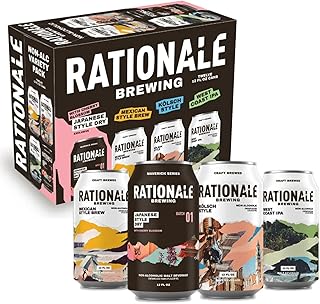


Cultural Significance: German beers are deeply rooted in German culture, with festivals like Oktoberfest celebrating these brews
German beers hold a special place in the country's cultural heritage, with a history that dates back centuries. The brewing tradition in Germany is not just about producing high-quality beers, but also about the social and communal aspects that come with enjoying them. Festivals like Oktoberfest are a testament to this, where millions of people gather to celebrate and indulge in the country's famous brews.
Oktoberfest, which originated in Munich in 1810, has become an iconic event that showcases the best of German beer culture. The festival attracts visitors from all over the world, who come to experience the unique atmosphere and sample a wide variety of beers. From traditional lagers to more experimental brews, Oktoberfest offers something for every beer enthusiast.
But the cultural significance of German beers goes beyond just Oktoberfest. Beer gardens, or Biergarten, are a common sight in Germany, providing a relaxed and social setting for people to enjoy their favorite brews. These gardens often feature long wooden tables and benches, where patrons can sit and chat while sipping on their beers. The atmosphere is typically lively and convivial, with people of all ages coming together to share in the enjoyment of good beer and good company.
German beers are also deeply intertwined with the country's culinary traditions. Many German dishes, such as sauerkraut, sausages, and pretzels, are often paired with specific types of beer. This combination of food and drink is an integral part of the German dining experience, and it highlights the importance of beer in the country's gastronomic culture.
In conclusion, the cultural significance of German beers is multifaceted, encompassing not just the brewing process itself, but also the social, communal, and culinary aspects that come with enjoying them. From Oktoberfest to beer gardens to traditional German cuisine, beer plays a central role in many aspects of German culture, making it a truly unique and integral part of the country's identity.
Exploring the Rich Flavors: Porter vs. Stout Beer Comparison
You may want to see also
Frequently asked questions
Yes, imported German beers are often different from domestic beers in terms of taste, brewing techniques, and ingredients. German beers are known for their strict adherence to the Reinheitsgebot, a law that dictates only water, barley, hops, and yeast can be used in brewing.
German beer styles vary significantly, from light and crisp Pilsners to dark and robust Porters and Stouts. Some popular styles include Pilsner, Hefeweizen, Oktoberfest, and Bock. Each style has its unique characteristics and flavor profiles.
German beers are unique due to their long brewing tradition, strict regulations, and the use of specific ingredients and techniques. The Reinheitsgebot, in particular, sets German beers apart, ensuring a certain level of quality and purity.
Not all German beers are expensive. While some premium and craft German beers can be pricey, there are many affordable options available. The cost often depends on the brand, style, and where you purchase it.